You know, in the world of manufacturing, there's really no denying how critical quality materials are. Take Liquid Molding Silicone, for example — it's often considered the backbone of precision casting,
Understanding Liquid Molding Silicone: Definition and Applications
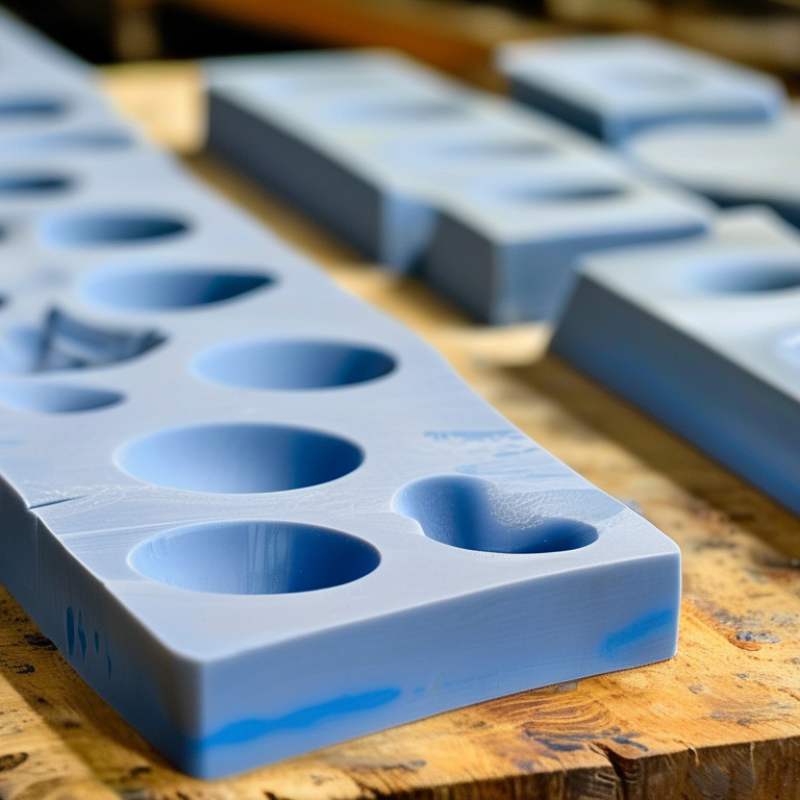
Liquid molding silicone is a versatile material widely used across various industries. It is known for its flexibility and durability. This type of silicone is often employed in creating intricate designs and molds. Artists and manufacturers utilize it for prototypes, automotive parts, and medical devices. The material provides excellent tear resistance and can capture fine details, making it ideal for complex applications.
Understanding liquid molding silicone also involves recognizing its limitations. While it excels in many areas, improper mixing or curing can lead to failures. Each application might require specific formulations to ensure optimal performance. Users should consider environmental factors such as temperature and humidity, which can affect curing times and final properties. Regular testing and a thorough understanding of the material's behavior can improve outcomes significantly.
Liquid molding silicone is easily customizable. Various additives can enhance properties like heat resistance or flexibility. However, choosing the right mixture is critical. Some formulations may be cost-effective but compromise quality. As buyers and users explore options, reflecting on the intended use will guide them. An informed approach ensures the selection of the best liquid molding silicone for specific needs.
Factors to Consider When Choosing Liquid Molding Silicone
Choosing the right liquid molding silicone is crucial for achieving high-quality results in various applications. One of the essential factors to consider is the viscosity of the silicone. Research indicates that a higher viscosity can improve mold stability but may complicate the pouring process. Consider target applications, as thin silicone is often better for detailed shapes, while thicker formulas enhance durability.
Another important aspect is curing time. Fast-curing options provide the benefit of quicker production timelines. However, they can sometimes lead to uneven results if not handled carefully. Industry reports highlight that 30% of manufacturers experience issues due to improper curing. These challenges underline the need for thorough testing during the selection process.
Additionally, chemical resistance should not be overlooked. Depending on the final use, some projects may demand silicone that resists certain chemicals or temperatures. A survey of production facilities found that nearly 40% had to replace molds due to inadequate chemical resistance. When exploring Liquid Silicone Molding options, addressing these factors will help ensure success in your applications while avoiding potential pitfalls.
Top Manufacturers of Liquid Molding Silicone Worldwide
Liquid molding silicone has become essential for various industries, including automotive and aerospace. Recent reports indicate that the global silicone market is projected to reach $21 billion by 2025, reflecting a steady annual growth rate of around 4%. This growth is driven by the increasing demand for high-performance materials that offer durability and flexibility.
Top manufacturers are leveraging advanced technologies to produce superior liquid molding silicone. This includes innovations in processing techniques and formulation enhancements. Players in the industry focus on creating products that meet specific application requirements, like temperature resistance and chemical stability. However, manufacturers must also navigate challenges such as sourcing raw materials and maintaining consistent quality.
Market demands continuously evolve, prompting manufacturers to adapt quickly. It is crucial to stay informed about customer needs and emerging trends. Not all suppliers have the capacity to scale production or meet stringent quality controls. As the market expands, choosing the right partner becomes increasingly important for achieving desired results in applications.
Global Liquid Molding Silicone Market Share by Region
Comparative Analysis of Popular Liquid Molding Silicone Products
When analyzing popular liquid molding silicone products, several factors come into play.
Liquid Silicone Rubber Molding
offers unique benefits, such as durability and flexibility. Many users appreciate its ability to create intricate designs with precision.
However, the right choice often depends on specific project needs.
Some products excel in temperature resistance, making them ideal for high-heat applications. Others focus on clarity, suitable for projects needing transparency.
It’s essential to evaluate properties like curing time and hardness. While some silicones cure quickly, others may need more time for optimal results.
Flexibility in application methods, such as pouring or brushing, can also affect the outcome.
Notably, some users encounter challenges when selecting the best silicone. It’s easy to feel overwhelmed by the variety available in the market.
Proper research is crucial, as improper use can lead to issues like bubbles or uneven texture.
Liquid silicone rubber molding is a fantastic choice but requires thoughtful consideration of product specifications.
Cost Considerations for Global Buyers of Liquid Molding Silicone
When considering the cost of liquid molding silicone, global buyers must evaluate various factors. Price is not just about the material itself. Shipping costs, import duties, and taxes also play significant roles. These costs can vary widely depending on the country of origin and destination. Additionally, sourcing from local suppliers may reduce expenses, making it essential for buyers to analyze their options carefully.
Quality is another critical aspect. Cheaper materials often involve compromises. They may lack durability or flexibility, leading to higher long-term expenses. Buyers might find lower-priced options tempting, but they may not suit specific applications. Selecting the right formulation of Liquid Silicone Rubber Injection Molding is key to ensuring performance and reliability.
Buyers should also consider their production scale. Bulk purchasing can yield better pricing, but it comes with risks. Holding excess inventory ties up capital and storage space. Moreover, sellers may not offer flexible return policies, increasing the risk for buyers. Ultimately, understanding these diverse financial implications ensures that buyers make informed decisions in the liquid molding silicone market.
Safety Guidelines and Handling Procedures for Liquid Molding Silicone
Liquid molding silicone is praised for its versatility and ease of use. However, safety should always come first. Proper handling procedures are crucial to ensure safe usage. Always wear appropriate personal protective equipment, such as gloves and goggles, to avoid skin contact and irritation. Additionally, work in a well-ventilated area to minimize inhalation risks from fumes.
Before starting your project, read all safety data sheets associated with the silicone product. These sheets contain essential information about hazards and safe handling methods. Mixing components should be done carefully. Use a clean, dedicated mixing container to ensure accurate ratios. Improper mixing can lead to less effective curing or unwanted results in your product.
Lastly, consider the disposal of leftover materials responsibly. Follow local regulations for disposal to prevent environmental harm. It’s important to reflect on these safety steps regularly. Each project brings new challenges and risks. By staying informed and cautious, you can minimize dangers associated with liquid molding silicone.
Trends and Innovations in Liquid Molding Silicone Technology
Liquid molding silicone technology is advancing rapidly. Innovations are shaping industries from automotive to consumer goods. This adaptability enhances production efficiency. Modern liquid molding silicone offers better thermal resistance and flexibility. These properties are essential for crafting complex designs. Additionally, the improved formulation reduces cure times. Users benefit from faster production cycles and lower costs.
When working with Liquid Injection Molding, consider the environmental impact. Sustainable practices should be a priority. Look for materials that minimize waste. Also, ensure proper storage conditions to maintain performance. Proper handling can prevent defects and enhance the quality of the final product.
Stay informed about trends in liquid molding silicone. Attend industry events or webinars. Networking with experts helps you gain insights. Be open to experimentation with new techniques. This can lead to innovative solutions in your projects. Experimentation is key to overcoming limitations and achieving better results. Embrace the changes in technology, but remain critical of their applications.
FAQS
: It is widely used for creating intricate designs, molds, prototypes, and automotive parts.
Yes, improper mixing or curing can lead to failures. Environmental factors also affect results.
Yes, various additives can enhance heat resistance and flexibility. Choosing the right mixture is crucial.
They need to reflect on their intended use and product specifications to avoid issues.
Costs vary due to shipping, import duties, and quality of materials. Local sourcing can help.
No, cheaper options may compromise quality and durability, leading to higher long-term costs.
Curing time, temperature resistance, and application methods can significantly impact the final product.
Proper research is essential. Issues like bubbles or uneven texture arise from improper use.
It can lead to excess inventory, tying up capital and increasing storage needs without a flexible return policy.
Regular testing helps understand material behavior and can improve outcomes significantly in various applications.
Conclusion
Liquid Molding Silicone is a versatile material widely used in various industries for casting, molding, and prototyping due to its excellent flexibility, durability, and resistance to heat and chemicals. This article provides a comprehensive guide for global buyers, outlining essential factors to consider when selecting Liquid Molding Silicone, including its specific applications and performance characteristics.
Moreover, it covers a comparative analysis of popular products, highlighting key features and benefits. Cost considerations are discussed to help buyers make informed decisions, while safety guidelines and handling procedures ensure safe usage of Liquid Molding Silicone. Finally, the article delves into current trends and innovations within the technology, providing insights into the future of Liquid Molding Silicone in manufacturing and design processes.