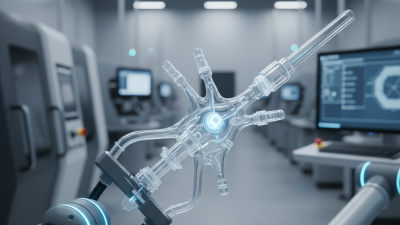
In today’s tech world, where things move super fast, picking the right components can really make or break your project. Take the Lsr Component, for example — it’s a key player in a bunch of different applications. Just recently, a report from Markets and Markets mentioned that the global semiconductor market is expected to hit a whopping $1 trillion by 2030. That really highlights how much we depend on precise parts like Lsr for better efficiency and top-notch performance.
Getting to know the specs and functions of different Lsr Components is pretty important. Lots of engineers say that choosing the right Lsr can boost system performance by up to 25%. Plus, the reliability of these little parts really impacts whether a project succeeds or not. Frost & Sullivan even pointed out that around 70% of product failures come down to component problems.
Of course, even the best components aren’t foolproof—mistakes can happen. Picking the wrong part can cause delays and end up costing more money. That’s why it’s so important to really think through your choices. Spending some extra time on research and talking to experts can save you from future headaches. In the end, going for the right Lsr isn’t just about making things perform well — it’s about building something reliable and setting your project up for long-term success.
Understanding LSR Components and Their Functions
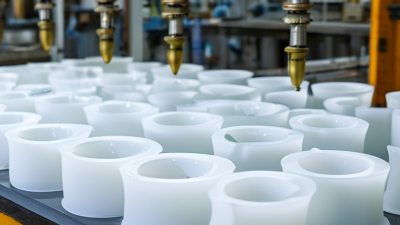
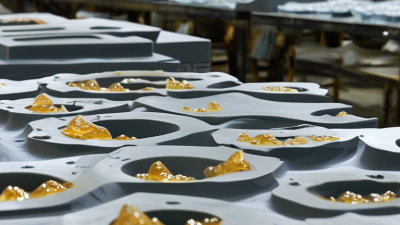
LSR (Liquid Silicone Rubber) components play an essential role in various technological applications. Understanding the specific functions of these components is crucial for selecting the right one for your needs. LSR is favored for its durability and flexibility, making it ideal for applications in automotive, medical devices, and consumer electronics. Industry reports indicate that the LSR market is growing at a compound annual growth rate (CAGR) of 7% from 2022 to 2028. This growth reflects increasing demands for high-performance materials.
LSR components provide several advantages. They exhibit excellent thermal stability and withstand diverse temperatures. This makes them suitable for high-stress environments. Moreover, LSR is resistant to UV light, ensuring longevity in outdoor applications. However, challenges exist. For instance, the precise mold design necessary for LSR can increase initial production costs. Additionally, processing LSR requires specialized equipment, which may pose limitations for smaller manufacturers.
Specialized reports highlight that over 30% of manufacturers have noted issues with consistency in silicone properties during production. This inconsistency can lead to unexpected failures in end products. Continuous monitoring and quality checks are necessary. Proper training for operators on LSR handling can mitigate some of these risks. Therefore, while LSR offers impressive benefits, navigating its complexities is essential for reliable applications.
Evaluating Your Technology Requirements for LSR Selection
Evaluating your technology requirements is crucial for selecting the right LSR (Liquid Silicone Rubber) components. Many industries, especially medical, rely on materials that meet specific criteria. A recent industry report highlighted that over 30% of medical device failures stem from inadequate material selection. Understanding the exact needs of your application is essential to avoid costly mistakes.
When choosing LSR components, consider factors like temperature resistance, flexibility, and biocompatibility. The medical silicone component plays a vital role in device performance. Reports from industry experts indicate that silicone components can withstand temperatures up to 200°C and maintain their properties under stress. However, not all silicone is created equal. Some formulations may not provide the necessary durability or chemical resistance.
Users often overlook testing protocols in their evaluations. Proper testing ensures that selected materials comply with regulations. According to regulatory bodies, more than 25% of product designs fail due to inadequate compliance checks. Rethink your approach to material selection. Assessing your technology requirements carefully can lead to better outcomes.
Key Features to Look for in LSR Components
When exploring LSR (Liquid Silicone Rubber) components, it's crucial to consider specific features that align with your technology needs. One key aspect is temperature resistance. Components should withstand extreme heat and cold. This ensures longevity and performance in various applications. Additionally, chemical resistance is vital. The right LSR component must endure exposure to oils and solvents without compromising integrity.
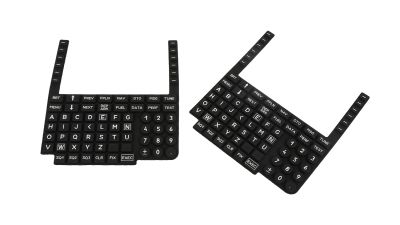
Another important feature is the precision of the silicone mask component. High-quality components provide accurate molding capabilities. This precision enhances the responsiveness and performance of devices. It's also essential to evaluate texture options. Different surface finishes can influence grip and comfort. The ability to customize these textures may elevate user experience.
While evaluating these features, consider the sourcing and manufacturing processes. Reliable suppliers often demonstrate adherence to strict quality standards. Yet, you might come across less consistent options. It’s essential to seek manufacturers with proven records. This ensures the products you choose will meet the rigorous demands of modern technology.
Comparing Leading LSR Components in the Market
When evaluating LSR components, it is crucial to understand their applications. Many industries rely on these materials for various products. Medical devices, for instance, often require a reliable and safe option. A medical grade silicone component stands out for its biocompatibility. It ensures that the devices are safe for patients.
In your search, consider the specific requirements of your technology. Different LSR components offer various properties. Some are flexible, while others ensure durability. It is essential to analyze each option closely. Review the performance metrics. Look for certifications that guarantee quality and safety.
Tip: Always request samples before making a decision. Testing the component in real-world conditions can unveil hidden issues. Sometimes, a component that looks ideal on paper may not perform as expected. Stay open to feedback from your team, as their insights can help refine your selection process. With careful consideration, you can find the perfect LSR component for your needs.
Assessing Compatibility with Existing Technology
When exploring the best LSR component for your technology needs, assessing compatibility with your existing technology is crucial. Compatibility affects performance and efficiency. For instance, a CPAP mask component must seamlessly interact with your current device. If they are not designed to work together, you might experience discomfort or inadequate therapy.
Consider the materials used in the components. High-quality materials are more likely to ensure durability and comfort. However, even high-quality products have potential drawbacks. You may discover that specific components do not fit as expected. It's essential to ensure a snug but comfortable fit. A poorly fitting CPAP mask component may lead to leaks or diminished effectiveness.
User reviews can offer insight into real-world experiences. Look for feedback on compatibility and overall performance. Still, remember that individual needs may vary. What works for one user may not be ideal for another. Take time to reflect on your specific requirements and the technology you already have. This will guide your choice and help avoid mistakes in your selection process.
Cost Considerations When Choosing LSR Components
When selecting LSR components, cost considerations play a vital role. These components can vary widely in price depending on several factors. Understanding your specific requirements helps in managing your budget effectively. High-performance components often come with a premium, but they can significantly impact the longevity and efficiency of your technology.
Quality should not be overlooked. Cheaper options might cut corners, leading to higher replacement rates. Think about the long-term savings versus initial costs. Identify essential features that genuinely add value to your projects. Do thorough research on materials and durability.
Tips: Always request samples. Testing can reveal if a component meets your expectations. Compare quotes from different suppliers. This gives you leverage and may uncover hidden costs. Keep in mind that cheaper is not always better. Balancing price and quality is crucial for making informed decisions in the long run.
Discover the Best LSR Component for Your Technology Needs? - Cost Considerations When Choosing LSR Components
| Component Type |
Hardness (Shore A) |
Temperature Range (°C) |
Cost per kg (USD) |
Typical Applications |
| LSR 40A |
40 |
-50 to 150 |
25 |
Medical devices, seals |
| LSR 50A |
50 |
-30 to 120 |
30 |
Automotive parts, gaskets |
| LSR 60A |
60 |
-40 to 130 |
35 |
Consumer goods, toys |
| LSR 70A |
70 |
-40 to 150 |
40 |
Electronics, medical seals |
| LSR 80A |
80 |
-30 to 120 |
45 |
Industrial applications, seals |
Future Trends in LSR Technology and Innovation
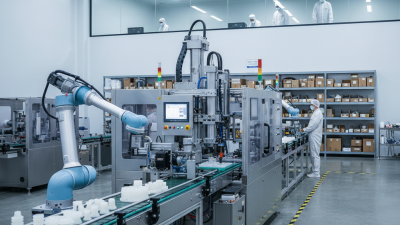
The landscape of LSR (Liquid Silicone Rubber) technology is evolving rapidly. According to recent market research, the LSR market is projected to reach $4.1 billion by 2027, growing at a CAGR of 6.3%. This growth reflects a rising demand in various industries such as automotive, healthcare, and electronics. One of the key trends shaping this future is the push towards automation and smart manufacturing. This technology allows for increased precision, which is critical in sectors where safety and reliability are paramount.
Enhancements in material properties also play a significant role. LSR now offers improved thermal stability and flexibility, making it suitable for a broader range of applications. The incorporation of sustainable practices within LSR production is noteworthy, with over 30% of manufacturers looking into eco-friendly formulations. However, challenges persist. The production process can be complex, leading to higher initial costs. Many companies are exploring efficient ways to streamline these processes while maintaining the high quality expected from LSR components.
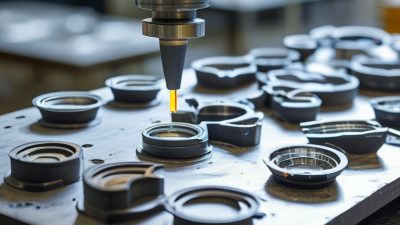
Additionally, innovations in LSR processing techniques, like injection molding, are on the rise. These methods enhance production speed and reduce waste. However, there is much to evaluate regarding the adaptability of these technologies in various environments. Companies need to reflect on their current manufacturing capabilities and consider future investments. The trajectory of LSR technology shows promise, but organizations must keep a flexible approach to fully harness its potential.
Exploring the Benefits of Custom Silicone Keypads: Quality and Reliability from China’s Leading Suppliers
Custom silicone keypads are becoming increasingly essential in various industries, owing to their quality and reliability. Manufactured in advanced factories in China, these keypads serve a wide range of applications, including cellphones, remote controls, medical devices, calculators, and insulated water bottles. The growing demand for durable and dependable components necessitates the use of silicone keypads that can withstand rigorous conditions while maintaining high performance standards.
One of the key advantages of choosing custom silicone keypads is their ability to be tailored to specific technical drawings and specifications. This level of customization ensures that every keypad meets the unique needs of different applications, reinforcing the overall functionality of the end products. Moreover, leading suppliers rigorously test each component for actuation life cycles and stability under extreme temperatures, ensuring remarkable longevity and reliability in any environment. With comprehensive OEM/ODM services, manufacturers can provide solutions that not only enhance the design but also ensure performance consistency.
Selecting quality silicone keypads allows businesses to elevate their product offerings while minimizing the risk of failure. By partnering with reputable suppliers, companies can ensure that they receive high-quality components that align with their operational requirements, ultimately leading to improved customer satisfaction and loyalty. In today's competitive market, investing in reliable silicone keypads is critical for any business aiming to stay ahead of the curve.
FAQS
: Temperature resistance is crucial. It should withstand extreme heat and cold.
It ensures durability against oils and solvents. Integrity must be maintained.
Different textures affect grip and comfort. Customization can enhance user experience.
Ensure the LSR component interacts well with current devices. This impacts performance.
They provide durability and comfort. However, fitting can still be an issue.
Reviews share insights on compatibility and performance. However, needs can vary widely.
Poor fit may lead to leaks. This reduces the effectiveness of the product.
Reliable suppliers follow strict quality standards. Poor choices can lead to inconsistency.
Yes, accurate molding enhances device responsiveness. This affects overall performance.
Personal preferences guide your selection. Avoid mistakes by evaluating your specific requirements.
Conclusion
In the evolving landscape of technology, selecting the right LSR component is crucial for optimizing performance and ensuring compatibility with existing systems. Understanding the functions and applications of LSR components is the first step in evaluating your specific technology requirements. Key features such as durability, efficiency, and ease of integration should be prioritized during selection to guarantee the best outcomes.
As you compare leading LSR components on the market, it's essential to assess not only their compatibility with your current technology but also the cost implications involved in their adoption. Future trends indicate ongoing innovations in LSR technology, making it imperative for decision-makers to stay informed and consider how these developments can enhance their operational capabilities. A thoughtful approach to selecting LSR components can significantly impact your technological success.