- Home
- Products
- Company
- Case Study
- News
- Contact Us
Leave Your Message
You know, when we talk about the best OEM silicone products in 2026, it's not just about how they look. I mean, sure, appearance is nice, but buyers really need to dig into stuff like material consistency, fit, durability, and whether the product can be made reliably at scale. Like, that soft silicone seal might feel amazing when you first hold it in the sample room, but then after you use it a few times, it deforms. That's a problem. So details are crucial, and testing? Yeah, that's just as important.
Maya Chen, who develops silicone products for OEMs, sums up the challenge pretty well: “A good silicone product has to feel exactly the same in the customer’s hand as it did in that first approved sample.” That’s a solid benchmark, but honestly, real-world production can still throw you a curveball. So, you're curious about what we're diving into? This guide covers some pretty practical categories—think seals, kitchenware, components for wearables, and even OEM silicone baby products (yep, there's a link for that). But it's not just about what these items are; we also get into the nitty-gritty like material hardness, how smooth or textured the surface should be, how precise the dimensions need to be, and how to make sure quality checks are actually consistent every single time. Basically, it's all the stuff that makes a product feel right and work well.
Honestly, the best material really depends on what you're making, not whatever's trendy right now. For a flexible gasket, you need something that compresses well and bounces back every time. If it's something you'll be holding a lot, go for a texture that feels good in your hand and is easy to wipe down. Baby products? That's a whole different ballgame – you've got to be super careful about material selection and testing, no shortcuts. Make sure your specs are crystal clear, actually check the samples yourself, and don't just take the supplier's word for it – get the documentation. And trust me, tiny differences can make a huge difference in the end. So this intro is kind of a preview, setting the stage for us to really dig into which products deserve attention in 2026—and honestly, where buyers need to start asking more pointed questions before they give the green light to production.
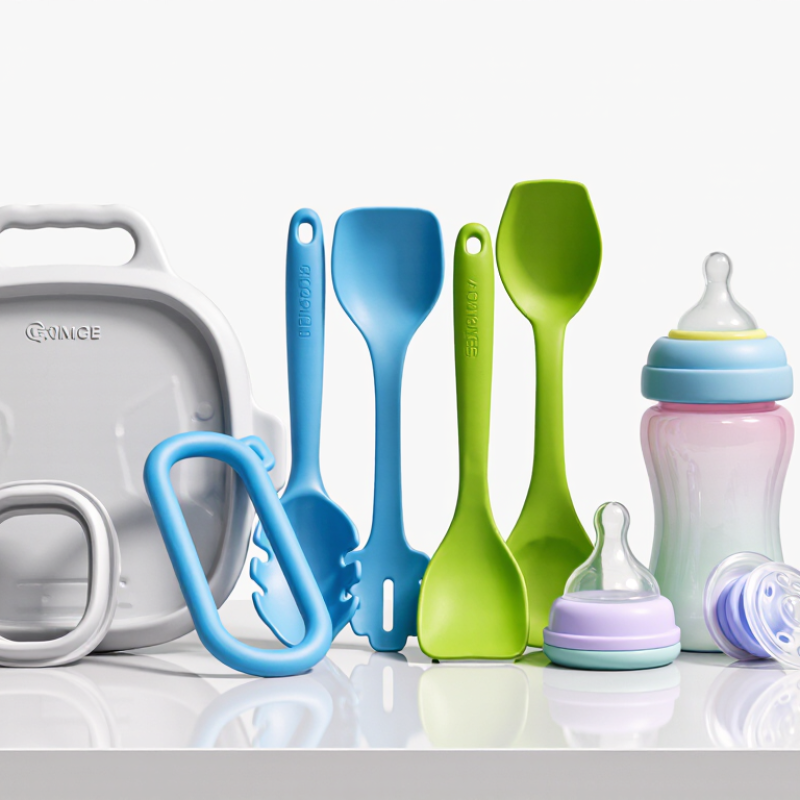
OEM silicone products are custom-made components produced to a buyer’s drawings, samples, or performance requirements. Common examples include seals, gaskets, keypads, tubing, and protective covers. “OEM” describes the production arrangement, not a particular silicone grade. The finished part depends on details such as operating temperature, contact surfaces, flexibility, and expected compression. Small choices matter. A gasket that is too soft may deform under load, while one that is too firm may not seal uneven surfaces. Engineers typically review wall thickness, tolerances, and mold design before production. Sometimes a drawing needs revision; not every feature is practical to mold as shown.
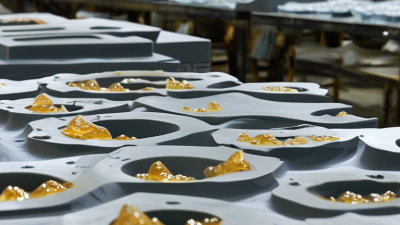
Manufacturing begins with selecting a silicone compound suited to the application. The compound is weighed, mixed with required pigments or additives, and formed using compression, transfer, or injection molding. Heat cures the material inside a shaped mold. After curing, workers remove excess flash and may apply a post-cure to stabilize properties. Each step affects the result. For instance, poor mixing can create uneven color or inconsistent hardness. Inspections may check dimensions, surface defects, and Shore hardness, followed by sample testing under realistic conditions. A neat-looking part is not automatically a reliable one. Clear specifications and consistent records help connect each production batch to its material and process settings.
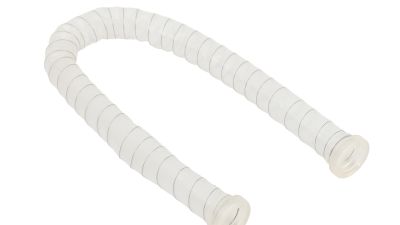
Custom medical silicone corrugated tubes are designed to combine flexibility with dependable performance in medical devices. Corrugation geometry—including pitch, wall thickness, diameter, and bend radius—can be tailored to support routing, movement, and space constraints while maintaining suitable flow and resistance to kinking. Medical-grade silicone offers flexibility, chemical stability, and potential biocompatibility, but material selection should match the device’s intended use, exposure conditions, and sterilization method. Where stronger attachment or structural support is needed, silicone overmolding onto metal components can create an integrated interface and help reduce assembly complexity. The design should account for metal surface preparation, bonding, tolerances, and inspection requirements.
For OEM sourcing, provide suppliers with drawings, operating conditions, connection details, target volumes, and applicable quality requirements early in development. Request material traceability, dimensional inspection records, and validation data relevant to the finished device. Regulatory acceptance is not automatic: manufacturers must assess the complete product and maintain evidence appropriate to its intended market, including applicable FDA, ISO, or CE-related requirements. Prototype evaluation and production process controls can help verify fit, durability, cleanliness, and performance before scaling. An experienced LSR injection molding partner can support design reviews, tooling, overmolding trials, and repeatable manufacturing of custom corrugated tube assemblies.
OEM describes a custom production arrangement. Parts are made from drawings, samples, or performance requirements. Common examples include seals, gaskets, tubing, and protective covers.
Specify intended use, dimensions, operating temperature, color, cleaning conditions, and required flexibility. Include contact surfaces and expected compression. Small details matter.
Shore A hardness influences how soft or firm a part feels. A gasket that is too soft may deform under load. One that is too firm may not seal uneven surfaces.
A suitable compound is weighed and mixed, then shaped by compression, transfer, or injection molding. Heat cures it in a mold. Workers remove excess flash, and some parts receive a post-cure.
Check dimensions, surface defects, and Shore hardness. Test the actual product for fit and performance after repeated use or washing. A material swatch cannot show every seam or stiff edge.
No. Compare production samples with written specifications, and review results across multiple batches. A neat first sample is not enough.
Ask for test reports, inspection criteria, material records, and batch traceability. Confirm how the supplier handles defects and process changes. Records should identify the material and production settings.
Review wall thickness, tolerances, and mold geometry before production. Some drawing features may not be practical to mold as shown. Even a careful plan can miss something.
OEM Silicone Products are custom-made components and finished goods produced to meet a buyer’s design and performance requirements. They are typically created through a process that includes material selection, mold design, forming, curing, finishing, and inspection. In 2026, the best products balance durability, flexibility, precision, safety, and consistent performance, while matching the needs of their intended applications. Common categories include molded parts, seals, tubing, household items, and healthcare or industrial components, each requiring different material properties and production methods.
These products support a wide range of industries, from consumer goods and electronics to automotive, healthcare, and food-related applications. Thoughtful customization—such as selecting the right silicone grade, shape, hardness, and surface finish—can improve fit, usability, and service life. When evaluating a supplier, buyers should consider manufacturing capabilities, quality-control procedures, material traceability, testing practices, communication, and relevant compliance documentation. A careful assessment helps ensure that the final product meets its specifications reliably and is suited to its working environment.