Picking out the right baby products? It’s kind of a big deal for new parents. I mean, did you know that the worldwide market for baby stuff was worth over $66.2 billion in 2022? And it’s only expected to grow steadily. So, obviously, making good choices can really make a difference when it comes to your kid’s health and safety. As pediatric expert Dr. Lisa B. Thompson puts it, “Parents should focus on quality and safety instead of just following trends when choosing baby products.”
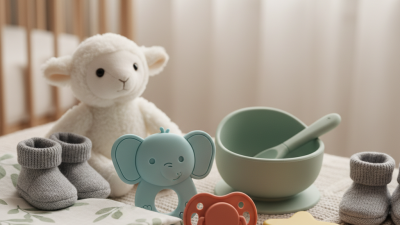
Let’s be honest—new parents are totally overwhelmed with options, whether it’s strollers, diapers, or bottles. But, honestly, spending a little extra on high-quality gear can give you peace of mind knowing your little one is safer. I’ve seen those custom silicone baby products become pretty popular too—they’re safe, durable, and usually free from nasty chemicals, which is kind of a big deal.
That said, not everything trendy is necessarily safe or the best for your baby. It’s easy to get caught up in the hype, but you really wanna do some homework. Reading reviews, checking out what materials are used, and listening to experts can make all the difference. At the end of the day, safety should come first. Taking a thoughtful approach when picking out baby gear will honestly make everything a lot smoother—and safer—for everyone involved.
Understanding the Needs of New Parents in Baby Product Selection
Choosing baby products as new parents can be overwhelming. There are countless options available, and each one claims to be the best. Understanding what you genuinely need is essential. Every parent's journey is unique. Reflect on your lifestyle and priorities to identify what matters most.
Safety is a primary concern. Look for products that meet safety standards. Avoid items with small parts or choking hazards. Check for recalls and read reviews. Consider your daily routine. Will you be out a lot? A lightweight stroller might be key.
If you prefer staying at home, a comfortable rocking chair could be more useful. Also, think about the long-term use of products. Will they grow with your baby? Items like convertible cribs can save money and space.
Don’t overlook your instincts. If a product doesn’t feel right, trust that feeling. Each choice will shape your experience. It's normal to feel uncertain. Embrace trial and error as part of the journey.
Identifying Essential Baby Products for Different Life Stages
Choosing the right baby products not only eases parenting but also supports baby development. In different life stages, babies have unique needs. For instance, during the newborn phase, parents should focus on essential baby feeding products. Data from the American Academy of Pediatrics shows that 90% of infants are breastfed at some point, making nursing accessories crucial for those who choose this route.
As babies grow, their needs evolve. By six months, most are ready for solid foods. This transition raises the necessity for suitable feeding tools, such as high chairs and baby spoons. Research indicates that introducing a variety of textures is critical for healthy eating habits. Many parents overlook this. They tend to stick to one or two flavors, missing chances for developmental growth.
The toddler stage brings its own set of challenges. At around 18 months, toddlers become more independent, often preferring to feed themselves. It’s crucial to provide safe, sturdy utensils that they can handle easily. Yet, many parents struggle with finding the right products. Not all items marketed as "toddler-safe" are effective. Continuous reflection on these choices can lead to more appropriate selections.
Safety Standards: What to Look for in Baby Products
Choosing safe baby products is essential for new parents. Understanding safety standards can be overwhelming. According to the Consumer Product Safety Commission, many baby items recall thousands of products annually due to safety issues. This fact highlights the importance of strict adherence to safety guidelines.
When selecting baby products, parents should look for labels that indicate compliance with ASTM or CPSC standards. These organizations ensure that products meet essential safety criteria. For instance, cribs should have sturdy slats spaced no more than 2 3/8 inches apart. This prevents the risk of the baby's head getting trapped.
It's critical to examine materials used in products. Non-toxic materials are key for items like toys and feeding utensils. Some reports show that over 200,000 children's toys were recalled last year due to hazardous substances. Always check for certifications like BPA-free or lead-free.
Inspecting products for stability and durability is equally important. Many items may appear stylish but lack safety features. For example, a pretty high chair may not be stable enough and could tip over. Reading reviews and consulting trusted sources can provide insights into product performance. Parents must remain vigilant and informed to ensure their baby's safety.
Safety Standards Comparison for Baby Products
Comparing Brands and Product Reviews for Informed Choices
When selecting baby products, new parents often feel overwhelmed. Comparing brands and reviews is essential. Studies indicate that 70% of parents rely on online reviews when making purchases. This underscores the value of informed decisions. However, not all reviews are created equal. Some may be biased or lack depth.
It's vital to consider various factors. Look for safety certifications from reputable organizations. Researching the material used in products can play an important role in ensuring health. For instance, research shows that products made from safe materials, such as those created by
silicone baby products manufacturers, are usually safer for infants. Scrutinizing manufacturing practices is also necessary, especially in light of reports indicating heightened consumer awareness regarding product sourcing.
While reviews provide insight, they can also mislead. Some parents report feeling misled by overly positive reviews. Take time to read a range of opinions. This can help paint a clearer picture. Ultimately, a blend of expert opinions and personal experiences will guide new parents towards products that truly meet their needs. Prioritizing transparency and reliability in product choices can ensure a safer environment for their little ones.
Budgeting for Baby Products: Essential vs. Non-Essential Items
When budgeting for baby products, it’s crucial to identify essential and non-essential items. Essential items include basic clothing, diapers, and a safe sleeping environment. These are necessities that ensure your baby’s safety and comfort. Parents often make emotional purchases, but it's important to focus on practicality. For instance, while a fancy baby monitor seems appealing, a reliable and simpler option could suffice.
Non-essential items include trendy gadgets and elaborate toys. Many new parents feel pressured to buy the latest items on the market. However, prioritizing essentials can ease financial strain. It’s easy to get carried away with aesthetically pleasing products. Instead, consider how often you'll use each item. Emphasizing reliability can lead to better choices, such as choosing OEM baby feeding products that meet safety standards without breaking the bank.
Reflecting on spending habits is vital. One might feel the need for every product advertised, but many options may go unused. Create a list of must-have items and refer to it often. This helps prevent impulse buying. Finding balance in what you buy can bring peace of mind, especially as expenses add up quickly in the new baby phase.
How to Choose the Best Baby Products for New Parents? - Budgeting for Baby Products: Essential vs. Non-Essential Items
| Item Category |
Item Name |
Essential/Non-Essential |
Average Cost ($) |
| Clothing |
Onesies |
Essential |
20 |
| Feeding |
Bottles |
Essential |
15 |
| Safety |
Car Seat |
Essential |
200 |
| Diapering |
Diapers |
Essential |
30 |
| Baby Gear |
Stroller |
Essential |
300 |
| Health & Safety |
Thermometer |
Essential |
20 |
| Non-Essential |
Baby Monitor |
Non-Essential |
100 |
| Furniture |
Crib |
Essential |
400 |
| Non-Essential |
Wipe Warmer |
Non-Essential |
25 |
Sustainable and Eco-Friendly Baby Products for Conscious Consumers
Choosing sustainable and eco-friendly baby products is vital for new parents today. Many consumers are becoming more aware of their environment. A 2021 study reported that 74% of parents prefer eco-friendly options when choosing baby care products. The trend indicates a significant shift towards sustainability.
When considering these products, parents should look for certifications such as USDA Organic or Global Organic Textile Standard. These labels ensure that materials are sourced responsibly. Studies show that organic cotton reduces exposure to harmful chemicals, making it a safer choice for babies. In addition, sourcing from local manufacturers can minimize the carbon footprint. This choice often leads to better quality products that are safer for babies.
However, not every so-called eco-friendly product lives up to the claims. It’s essential to research thoroughly and scrutinize the information provided. Some manufacturers may use greenwashing tactics, presenting products as sustainable without proper certifications. Parents need to remain vigilant and may find it challenging to navigate these options. Ultimately, making informed decisions will contribute toward a healthier future for both babies and the planet.
Tips for First-Time Parents on Baby Product Trials and Returns
When choosing baby products, first-time parents may feel overwhelmed. Testing items before committing is essential. Many stores offer trial periods which allow you to see if a product meets your needs. Spend time using it, evaluating its practicality. Not everything will fit seamlessly into your life. Some items might look great but fail in functionality.
Returns can be tricky. Understand the store's return policy before purchasing. Many retailers allow returns within a specific timeframe. Keeping the packaging and receipts helps smooth the process. Some parents find that certain products, like OEM silicone baby products, might not work as expected. Ensure you’re comfortable with your choices, even if it takes a few attempts.
Consider different options, including online resources and parenting forums. They can provide valuable insights from other parents. Remember, it’s perfectly fine to change your mind after trying something at home. Reflect on what works best for your family. The goal is to create a safe and loving environment for your baby, which sometimes requires thoughtful trial and error.
The Ultimate Guide to Choosing BPA-Free Silicone Baby Bowls and Plates for Safe and Easy Feeding
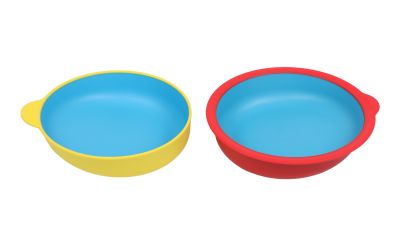
When it comes to feeding your little ones, safety and convenience are paramount. Our guide emphasizes the importance of selecting BPA-free silicone baby bowls and plates, which provide a reliable solution for parents seeking non-toxic feeding options. Research indicates that BPA exposure can have adverse effects on child development, making the choice of materials for baby products a serious consideration. Therefore, selecting 100% BPA-free silicone not only ensures safety but offers peace of mind during mealtime.
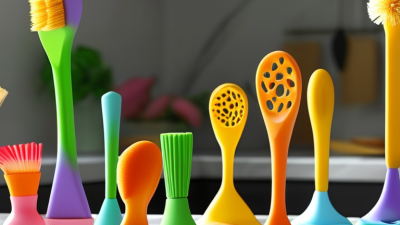
Versatility in the kitchen is another significant factor for modern parents, and our high-quality silicone bowls cater to various cooking needs. From a complete silicone bowl set to specialized small silicone bowls, these products are designed for everyday use, compatible with both microwaves and dishwashers. The ease of cleaning and the durability of silicone makes it an ideal choice for busy families. According to industry reports, silicone kitchenware has seen a significant rise in popularity, with market growth estimated at several percent annually, highlighting the trend toward safer, more efficient cooking tools.
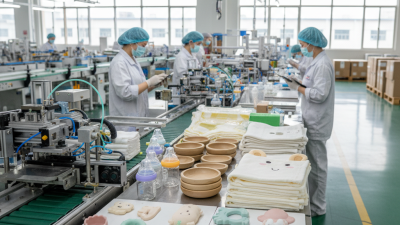
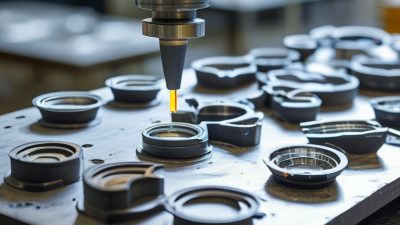
As a dedicated supplier adhering to certified food-grade safety standards, our products offer the benefits of OEM/ODM manufacturing directly from our factory in China. This not only guarantees quality but also allows for customization to fit diverse consumer needs. Choosing durable, microwavable silicone bowls is an excellent way to enhance your culinary adventures while ensuring a safe and enjoyable feeding experience for your child.
FAQS
: Parents should check for compliance with ASTM or CPSC standards. These organizations set essential safety criteria.
Look for non-toxic materials. Check for BPA-free and lead-free certifications to avoid hazardous substances.
A product may look good but could be unstable. An unstable high chair, for example, may tip over and cause harm.
Look for certifications like USDA Organic or Global Organic Textile Standard. These labels indicate responsible sourcing.
Some products may use greenwashing tactics. Always research and verify claims before purchasing.
Sourcing from local manufacturers can reduce the carbon footprint, often leading to better quality and safer products.
Yes, organic cotton reduces exposure to harmful chemicals. It’s a safer choice for baby clothing and bedding.
Look for insights on performance and stability. Reviews can reveal hidden safety concerns that may not be visible.
Annually, thousands of baby items are recalled due to safety problems, highlighting the need for careful product selection.
Consulting trusted sources and organizations can help. Staying updated is vital for ensuring baby safety.
Conclusion
Choosing the best baby products is essential for new parents navigating the myriad options available in the market. Understanding their unique needs, parents should prioritize essential items that cater to their baby's different life stages. Safety is paramount, so it's crucial to be aware of safety standards when selecting baby products. This ensures that parents make informed choices by comparing various brands and product reviews.
Budgeting also plays a significant role in this process, as distinguishing between essential and non-essential items helps manage costs effectively. For the environmentally conscious, seeking out sustainable and eco-friendly baby products can contribute positively to both health and the planet. Finally, first-time parents should take advantage of product trials and return policies to find what works best for their family, ensuring a thoughtful approach to baby product selection.