Picking out the right baby products for your little one can honestly feel pretty overwhelming sometimes. The market’s so packed with options that it’s hard not to get a bit lost. I get it—parents just want the best for their babies, but with so many choices out there, how do you even decide what’s right?
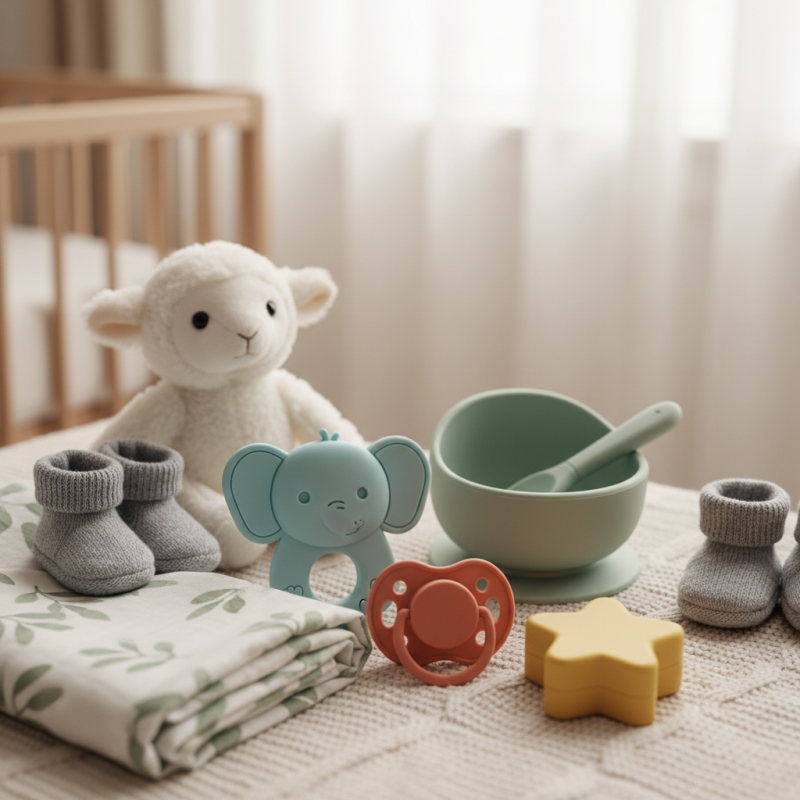
One thing to consider is custom silicone baby products. They strike a nice balance between safety and style. Silicone is non-toxic, tough, and super safe—perfect for babies. Plus, they often come in bright colors and cute designs that can really add a personal touch to your baby’s essentials. Just a heads-up though—make sure you do a bit of homework on brands before buying. Not all products are created equal, and some might not meet safety standards, which is pretty important.
Your baby deserves the best, but hey—nobody’s perfect, and finding the ideal products isn’t always smooth sailing. It’s a bit of a learning curve. Trusting brands with good reviews, and checking out testimonials or expert recommendations can really help you feel more confident about your choices. At the end of the day, it’s all about making sure your baby’s safe and happy—so take your time, do some research, and remember, no one’s expecting perfection right away.
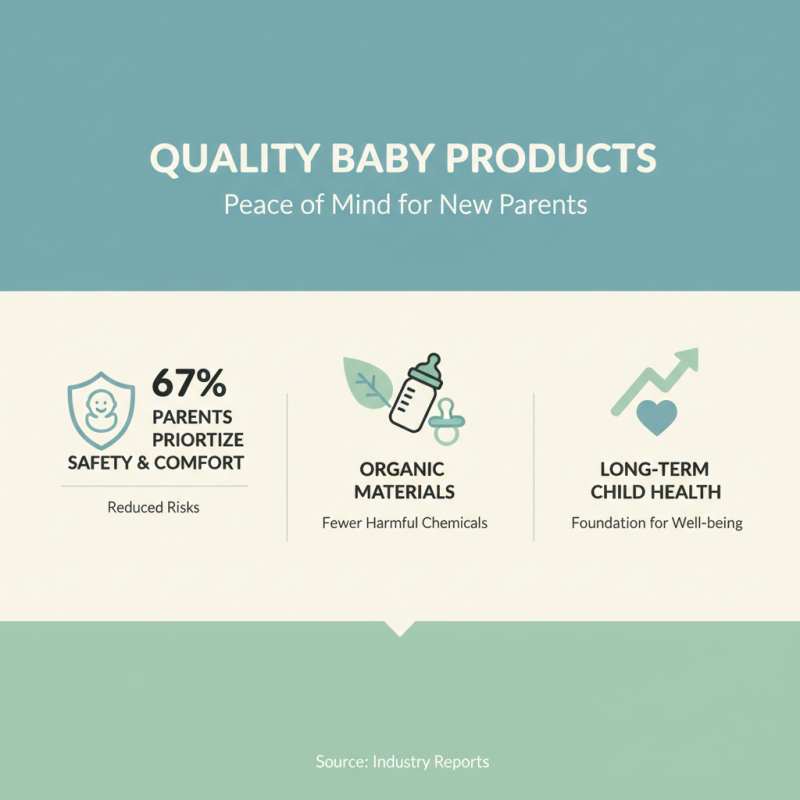
Quality baby products are crucial for new parents. Industry reports indicate that 67% of parents prioritize safety and comfort when selecting items. This focus significantly reduces the risk of injuries and allergies for infants. For instance, products made with organic materials minimize exposure to harmful chemicals. These choices impact a child's health in the long run.
Parents should regularly review product safety ratings. The Consumer Product Safety Commission (CPSC) provides guidelines. Familiarizing oneself with these can prevent purchasing unsafe items. Consider opting for multi-functional products that grow with your baby. This approach not only saves money but also maximizes utility.
When choosing baby products, look for certifications. For example, Oeko-Tex Standard 100 ensures textiles are free from harmful substances. It's vital to be mindful of brands that do not provide transparency in their sourcing. A thorough understanding of materials can help avoid common pitfalls. Always remember that the cheapest option may not be the best choice for your child’s well-being.
Choosing the right baby products is crucial. Each baby is unique, and understanding their specific needs can make a significant difference. Recent studies show that 75% of parents feel overwhelmed when selecting baby products. Identifying your baby’s preferences is a step towards easing this anxiety.
Pay attention to your baby's reactions to different items. For instance, some babies prefer softer fabrics, while others might be sensitive to certain materials. When it comes to baby feeding products, choosing options that match your baby’s comfort levels is essential. Review reports suggest that 60% of babies show preferences in the type of bottles or spoons they like. Monitoring these signals can guide your purchase decisions.
**Tips:** When selecting baby feeding products, prioritize safety standards. Check whether the materials are BPA-free and non-toxic. Observe how your baby interacts with different items. This process can feel daunting, but trust your instincts. The right choices will often reveal themselves with time and observation. Confusion is common during this phase, but every tiny preference is a step forward in customizing your baby's feeding journey.
Choosing the best baby products is crucial for both comfort and safety. Key attributes to consider are safety standards, materials used, and usability. According to a survey by Baby Gear Lab, over 70% of parents prioritize safety certifications when purchasing items for their babies. This reflects a growing awareness about the importance of safe products.
When looking at materials, non-toxic and hypoallergenic options are essential. The American Academy of Pediatrics recommends that parents avoid items containing harmful chemicals. Products made from organic materials often meet these requirements, providing peace of mind for caregivers. Additionally, usability cannot be overlooked. Products should be easy to use and maintain. A recent report from The Bump indicated that 65% of new parents found complex items frustrating, leading to a higher rate of product returns.
However, not all products are created equal. Some may claim to be safe but lack adequate testing. It’s essential to read reviews and examine independent test results. Many parents have regretted choosing cheaper alternatives that did not meet safety expectations. While price is a consideration, it shouldn't trump quality and safety when it comes to your child's wellbeing.
When selecting baby products, safety should be the foremost consideration. A report from the American Academy of Pediatrics indicates that unsafe baby items contribute to thousands of injuries annually. Products must adhere to rigorous safety standards to protect your child. For instance, cribs should meet the Consumer Product Safety Commission's regulations to prevent hazards like entrapment.
Evaluating certifications can be confusing. Not all labels indicate a product's safety level effectively. A survey revealed that 42% of parents felt overwhelmed by the numerous safety certifications available. This uncertainty could lead to poor decision-making. Moreover, some parents may underestimate risks. For example, soft bedding, commonly used for comfort, poses suffocation risks for infants.
Additionally, scrutinizing materials used in baby products is vital. It’s important to select items free from harmful chemicals like phthalates or lead. Research shows that prolonged exposure can adversely affect child development. A significant number of parents may overlook this detail, leading to potential long-term consequences. Continuous education on these issues can empower parents to make informed choices.
When selecting baby products, brand reputation and customer reviews play a crucial role. Parents often rely on these factors to ensure safety and quality. A recent study by the Baby Products Association revealed that 75% of parents check reviews before making a purchase. This emphasizes the importance of trustworthy feedback.
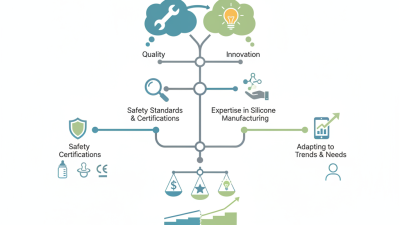
Customer reviews offer real insights. They reflect the experiences of parents who have used the products. A product may have an appealing design, but if reviews highlight safety concerns, buyers may hesitate. An important aspect to consider is the experience of a silicone baby products manufacturer. Parents should verify if the manufacturer follows safety standards and certifications.
Tip: Always look for reviews from verified buyers. This increases the likelihood of authentic feedback. Also, consider the overall rating across multiple platforms. A product with consistent praise may indicate reliability.
Data also shows that a well-known brand may not always guarantee quality. Some lesser-known brands can offer superior products with excellent reviews. Therefore, researching beyond brand names is essential. Look for features like durability and ease of use, which can significantly influence your choice.
When preparing for a new baby, budgeting can feel overwhelming. It’s essential to prioritize quality without breaking the bank. Parents often face a dilemma: how to choose reliable items while staying within budget. The key lies in focusing on essential products that meet safety standards and offer durability.
One area to consider is medical silicone products. These are known for their safety and versatility. They come in various forms, from pacifiers to feeding utensils. Investing in high-quality medical silicone items ensures that you are not only protecting your baby but also reducing waste.
Incorporating quality over quantity is vital. Sometimes, it’s better to buy fewer items that last longer. Reflecting on your needs can help avoid impulse buys. Researching different products and reading reviews can guide informed decisions. Keep in mind, it's okay to feel unsure—many new parents do. Use trusted sources to learn about what truly works, and embrace the journey of selecting the best essentials for your baby.
This chart shows the percentage of budget allocation for essential baby products without compromising on quality.
Choosing baby products requires careful consideration. Parents should focus on researching and testing items to ensure safety and usability. medical grade silicone products are a great option for many baby items. They are known for their safety and durability, reducing the risk of harmful chemicals.
When evaluating baby gear, look for credible sources of information. Online reviews and expert testimonials can guide your decisions. However, remember that not all reviews are reliable. It’s essential to cross-check facts and gather multiple opinions. Personal experiences can vary significantly among parents.
Testing is also crucial. If possible, try different products before buying. Feel the material, check for safety features, and assess the product's overall design. Products that seem appealing may not always meet your expectations. Reflect on what works best for your baby, as all babies have different needs and preferences.
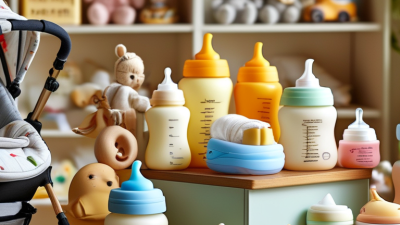
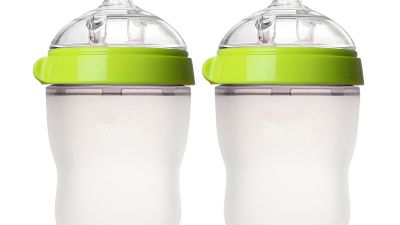
As the market for BPA-free baby products continues to grow, consumer preferences are increasingly leaning towards silicone feeding bottles that prioritize safety and comfort. Parents today are more informed about the materials that come into contact with their infants. Consequently, the demand for premium silicone bottles has surged due to their non-toxic, biocompatible properties that ensure babies are protected from harmful substances. Such products are not only safe and durable but also resistant to shattering, making them ideal for the active lifestyles of modern families.
One of the standout features gaining traction among consumers is the anti-colic venting system found in these silicone feeding bottles. This innovative design addresses a common concern among parents—colic in infants—by minimizing air intake during feeding, which can lead to discomfort and gas. Furthermore, the soft and flexible texture of silicone mimics that of the breast, aiding in a smoother transition for babies who are moving from breastfeeding to bottle feeding. This thoughtful combination of safety, functionality, and comfort reflects a thoughtful approach to modern parenting needs, solidifying silicone feeding bottles as a top choice for discerning caregivers.
: Safety standards, materials used, and usability are key attributes. These ensure comfort and safety for your baby.
Look for safety certifications and read independent reviews. Not all products claiming safety are adequately tested.
Non-toxic and hypoallergenic materials are essential. The right materials provide peace of mind for caregivers.
Focus on quality essential items rather than buying many lower-quality products. This approach can help save money.
Cheaper products may not meet safety expectations and could pose risks for your child’s wellbeing.
Reflect on needs and conduct thorough research. Reading reviews can help guide informed choices.
Investing in fewer high-quality items that last longer is often wiser. It can reduce waste in the long run.
Many new parents feel unsure and overwhelmed. It's a normal part of the process when preparing for a baby.
Products should be easy to use and maintain. Complex items can lead to frustration and increased returns.
Use trusted sources for guidance on what works. It can significantly aid in making better purchase decisions.
Choosing the best baby products is essential for ensuring your child's safety and comfort. Quality baby products not only meet high safety standards but also cater to your baby's specific needs and preferences. It is important to look for key attributes such as durability, ease of use, and functionality when selecting items for your little one.
Additionally, understanding the reputation of different brands through customer reviews can guide parents in making informed choices. Budgeting for essential baby products is crucial, as parents often seek to balance quality with affordability. By conducting thorough research and testing various baby gear, you can confidently select the best items that meet both your budget and your baby's needs.