Hey, when you're picking out the right Silicone Seals for your project, there are a few things you really wanna think about. These seals are pretty important because they keep moisture and air from sneaking in. Getting a good one can really make your product last much longer. There are quite a few different types of Silicone Seals out there, each built for specific jobs, so it’s worth paying attention to their specs—like temperature limits and whether they’re suited for certain environments.
Plus, suppliers like Silconex offer a wide range, so you’re likely to find something that fits perfectly. But here’s the thing: not all Silicone Seals are the same. A lot of folks overlook some key details when choosing, which can lead to problems down the line. It’s super important to really think about what you need. In real-world use, problems can pop up that you didn’t see coming—seals that seem perfect on paper might not hold up when things get tough. Doing your homework and researching thoroughly can save you from many common mistakes. In the end, understanding what you actually need and being aware of potential pitfalls will help guide you to the right choice without too much hassle.

Understanding Silicone Seals: Types and Applications
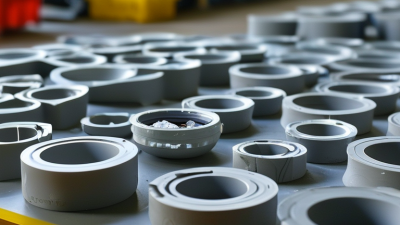
Silicone seals are versatile components used in various applications. They can be found in industries ranging from automotive to household items. Understanding the different types is crucial for selecting the right one. Common types include O-rings, gaskets, and extruded seals, each designed for specific sealing tasks. For instance, O-rings often handle pressure and ensure airtight seals, while gaskets might be used for larger surfaces.
Choosing the right silicone seal depends on the environment in which it will be used. Consider factors like temperature and exposure to chemicals. Some seals perform better in extreme heat, while others resist corrosion. Reflect on the material’s hardness, measured in Shore A durometer. A harder seal may not compress well, potentially leading to leaks. Testing in real conditions is often necessary to assess performance.
In creating products like a Silicone Bra, the right seal ensures functionality and comfort. Inconsistent quality can lead to poor performance. Are we considering the long-term effects of our choices? It’s important to evaluate every component. Each decision influences the final product's success. Material selection is as important as design. Proper understanding and foresight can significantly improve outcomes.
Top Tips for Choosing the Right Silicone Seals for Your Needs
| Type of Silicone Seal |
Application |
Temperature Range (°C) |
Durability |
Cost (per meter) |
| Standard Silicone Seal |
General purpose sealing |
-60 to 200 |
Good |
$1.50 |
| High-Temperature Silicone Seal |
Ovens, Engines |
-60 to 300 |
Excellent |
$2.50 |
| Food-Grade Silicone Seal |
Food processing, Medical |
-40 to 180 |
Good |
$3.00 |
| Low-Temperature Silicone Seal |
Refrigeration, Cold storage |
-100 to 120 |
Good |
$2.00 |
| Anti-static Silicone Seal |
Electronics, Cleanrooms |
-50 to 200 |
Very Good |
$4.00 |
Key Properties of Silicone Seals to Consider
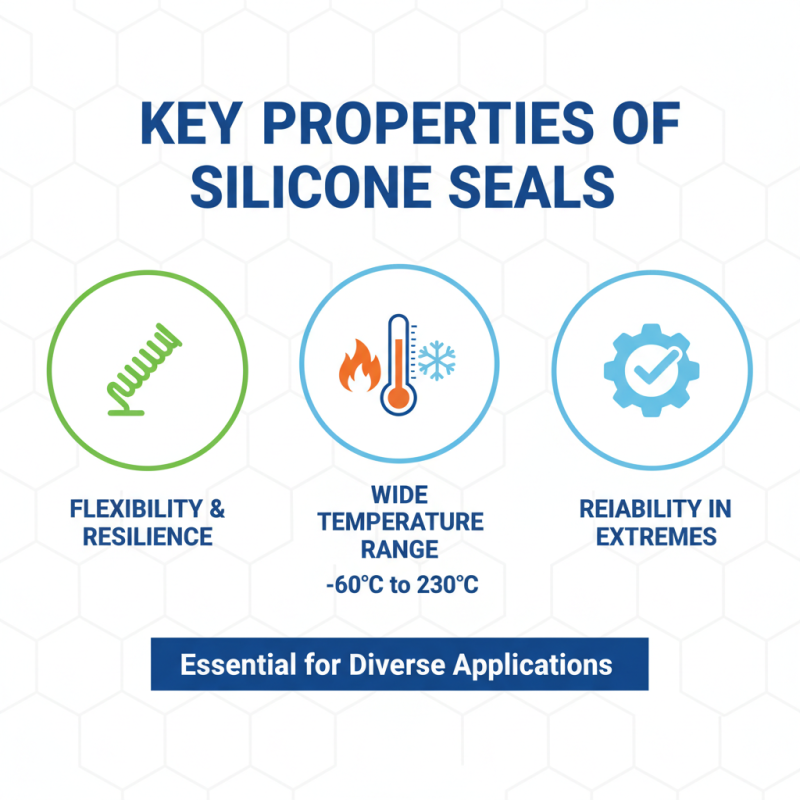
When selecting silicone seals, understanding key properties is essential. The flexibility and resilience of silicone make it a popular choice in various applications. Reports indicate that silicone seals can withstand temperature ranges from -60°C to 230°C. This wide operating range makes them suitable for both extreme cold and heat environments, ensuring reliability.
Tensile strength is another critical property. Industry studies show that silicone seals can have a tensile strength of up to 9 MPa. This durability allows them to maintain their shape and function even under pressure. Additionally, their resistance to UV light and ozone contributes to a longer lifespan. Silicone seals typically show minimal degradation under these conditions, making them suitable for outdoor applications.
Another factor to consider is chemical compatibility. Silicone can resist many chemicals, but it’s not universal. Some solvents can break down silicone seals over time. It's vital to evaluate the specific environment and substances they will encounter. This careful analysis can prevent costly breakdowns or replacements later. Users should reflect on their specific needs and conditions before making a final decision.
Factors Influencing the Selection of Silicone Seals
When choosing the right silicone seals, several factors play a crucial role. The environment where the seals will be used must be considered. Exposure to extreme temperatures, moisture, or chemicals can degrade some silicone seals. Understanding these conditions ensures better performance and longevity. For example, seals used in high-temperature applications should have specific ratings.
Another important aspect is the seal's design. Various shapes and sizes are available for different applications. A Silicone Bag may require a specific thickness to ensure a perfect fit. It is essential to measure the area where the seal will be installed accurately. A tight fit prevents leaks and improves overall effectiveness.
Durability is also a key factor. Some silicone seals might wear out faster than others, depending on their composition. Selecting seals that have shown reliability in similar applications can help avoid future issues. Gathering reviews and insights from industry experts can guide you in making informed choices. Balancing all these factors can be challenging but is necessary for optimal results.
Assessing Environmental Conditions for Seal Performance
When selecting silicone seals, environmental conditions are paramount. Temperature variations can greatly influence the performance of Silicone Materials. Research indicates that silicone seals can withstand temperatures ranging from -80°F to 450°F. However, exposure to UV light or extreme weather can degrade their integrity over time. For instance, prolonged sun exposure can lead to brittleness. Monitoring the environment is essential for ensuring long-lasting performance.
Humidity levels also play a crucial role. Excess moisture can compromise seal effectiveness, especially in applications like HVAC systems. According to industry reports, seals exposed to high humidity often fail due to mold or deterioration. Regular inspection, especially in damp areas, can prevent unexpected failures. The balance between humidity and silicone's resilience is delicate; over time, seals may require replacement for optimal function.
Additionally, integrating a high-quality silicone mat can enhance the longevity of seals. A silicone mat provides a protective barrier against contaminants. It can also help to reduce wear from physical stress. However, a poorly chosen mat may cause excessive heat or moisture retention. Assessing the specific needs and environmental factors is essential before making a choice. Understanding these conditions will lead to better seal performance and increased reliability.
Installation Tips for Optimal Silicone Seal Functionality
Installing silicone seals correctly is crucial for their functionality. Proper preparation is key. First, ensure the surface is clean and dry. Any dust or oil can affect adhesion. Use a suitable cleaner to wipe surfaces. Pay attention to corners and edges, as these areas often harbor contaminants.
Next, when applying the silicone seal, use a steady hand. This step requires patience. Too much pressure can create uneven thickness. Ideally, aim for a consistent bead along the surface. It’s often helpful to use a caulking gun for better control. If imperfections appear, they can affect the seal's performance. After application, smooth the bead with a damp finger or tool. This helps create a tight seal.
Finally, allow sufficient curing time. Rushing this step can lead to failures. The recommended curing time varies but generally ranges from 24 to 48 hours. During this period, avoid disturbing the area. Frequent checks can help identify any issues early, but make sure to refrain from touching the wet seal. Each step is vital for ensuring that the silicone seal performs effectively and lasts longer.
Top Tips for Choosing the Right Silicone Seals for Your Needs
Maintenance and Care for Longevity of Silicone Seals
Taking proper care of silicone seals can enhance their lifespan significantly. According to industry reports, maintenance practices can extend the functionality of silicone seals by up to 50%. Regular inspection is crucial. Look for signs of wear, such as cracks or discoloration. These indicators can affect performance. Cleaning is another vital aspect. Use mild soap and water, avoiding harsh chemicals. Strong solvents can degrade the silicone's properties over time.
Storage conditions also matter. Silicone seals should be kept in a cool, dry environment. High temperatures or direct sunlight can cause them to lose flexibility. Reports indicate that prolonged exposure to extreme conditions can shorten their usable life drastically. Additionally, it’s essential to avoid over-compressing the seals during installation. This mistake can lead to premature failure. Softening agents may migrate, affecting seal performance. Proper installation and periodic checks ensure optimal functionality.
Common Mistakes to Avoid When Choosing Silicone Seals
Choosing the right silicone seals can be challenging. One common mistake is overlooking the material properties. Not all silicone is the same. Different types offer various levels of durability and temperature resistance. Users often forget to consider how these traits impact their specific needs. A seal meant for boiling hot temperatures should differ from one used in a cooler environment, impacting effectiveness and longevity.
Another mistake is ignoring the dimensions. Seals that don’t fit properly lead to leaks and ineffective sealing. Measure twice before committing. Misjudging the required thickness can create gaps. This error often arises from assuming standard sizes will work. It’s crucial to ensure an exact fit to maintain efficiency.
Additionally, many assume that high price guarantees quality. However, the market is diverse, and quality can vary widely across price points. Conducting thorough research and consulting experts can prevent costly mistakes. Sometimes, cheaper options deliver better performance. Understanding your unique situation is key to finding the right Silicone Case for your needs.
Essential Guide to Finding the Best China Silicone Utensils Spatula Set Suppliers for Custom Kitchenware Solutions
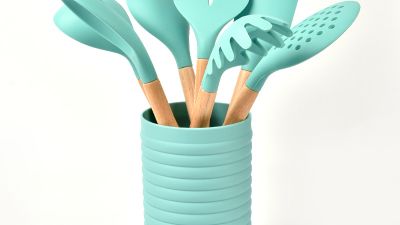
When it comes to sourcing the best silicone utensils spatula sets for your kitchenware solutions, partnering with a reliable manufacturer is key. A leading silicone products factory in China offers an excellent opportunity for businesses seeking high-quality, custom kitchenware. With a specialization in producing kitchenware and baby products, this factory can accommodate small businesses and established brands by providing custom LOGO orders with low minimum order quantities (MOQ). This flexibility allows startups to showcase their creativity without the burden of large upfront investments.
The products are crafted from food-grade silicone and have passed rigorous safety certifications, ensuring that they are safe for everyday cooking and baking tasks. This high level of quality not only enhances the reliability of the kitchenware but also meets the standards set by international safety regulations. By collaborating with this trusted supplier, businesses can create unique promotional gifts and efficient solutions that cater specifically to their needs, effectively setting their brand apart in a competitive market.
FAQS
: Silicone seals are used in various applications, including automotive and household items.
Consider the environment, temperature, and chemical exposure. Each seal performs differently under various conditions.
Durability depends on the seal's composition and wear rate. Selecting reliable seals helps avoid future problems.
The seal's design, including shape and thickness, affects adherence and performance. Accurate measurements improve effectiveness.
Ensure surfaces are clean and dry to improve adhesion. Dust and oil can compromise the seal's effectiveness.
Use a caulking gun for better control. Apply a steady, consistent bead to maintain proper thickness.
Allowing adequate curing time, usually 24 to 48 hours, is crucial for optimal performance and longevity.
Rushing can lead to imperfections that may compromise the seal's effectiveness and increase the risk of leaks.
Frequent checks are fine, but avoid touching the wet seal. Disturbing it can lead to potential failures.
Inconsistent quality can affect performance. It’s vital to evaluate each component for the final product’s success.
Conclusion
Choosing the right silicone seals is crucial for ensuring effective sealing and performance in various applications. Understanding the different types of silicone seals available and their specific uses can aid in making an informed choice. Key properties, such as temperature resistance, flexibility, and chemical compatibility, should be considered alongside the environmental conditions the seals will be exposed to, as these factors significantly influence their performance and longevity.
Moreover, proper installation techniques are essential for optimal functionality, while routine maintenance can extend the lifespan of silicone seals. It's important to be aware of common mistakes, such as overlooking the seal's specifications or not properly assessing the application environment, to avoid issues down the line. By following these guidelines, one can effectively select and maintain silicone seals that meet their specific needs.