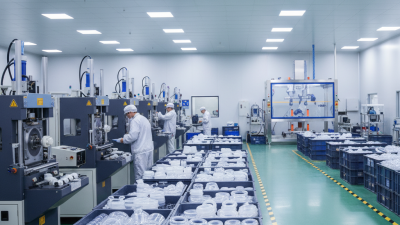
Lately, there's been a pretty noticeable uptick in demand for Insert Molding Silicone. I mean, if you look at the latest reports—like one from Market Research Future—they're estimating that the global silicone market might hit over $30 billion by 2026. Crazy, right? This surge is really driven by how widely silicone is being used across different industries, especially in cars and electronics. Industry expert Dr. Sarah Thompson even mentions, “Picking the right Insert Molding Silicone is so important to make sure your product stays durable and works well.”
Figuring out which Insert Molding Silicone to go with isn’t just a shot in the dark. You really gotta understand what your project needs—things like resistance to chemicals, how it handles heat, and its strength. Not all silicones are built the same, and if you choose poorly, the results can be costly. I remember reading about a manufacturer who suffered a product failure simply because they picked the wrong silicone—that’s a harsh reminder of how crucial good choices are.
And honestly, quality really matters here. Some companies underestimate how important it is to source top-notch materials. Working with reliable suppliers can save you a lot of headaches and boost your end product’s quality. In the end, the right Insert Molding Silicone can boost innovation and performance, but get it wrong, and it could hold your growth back. So yeah, understanding these little details can make all the difference if you’re into product development or manufacturing.
Understanding Insert Molding Silicone: Key Concepts and Definitions
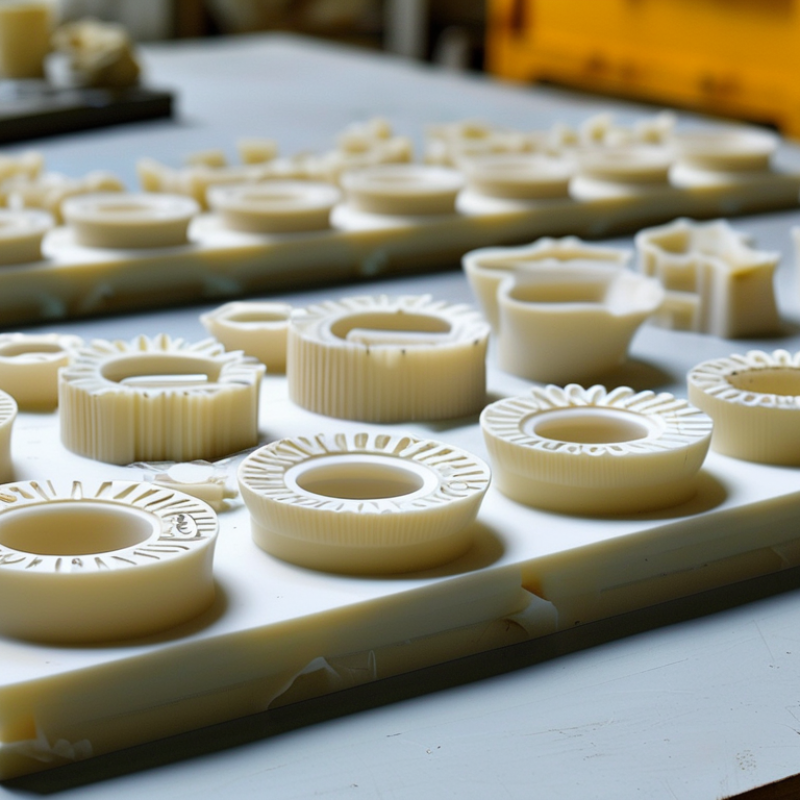
Insert molding silicone is a versatile material used in various applications. Understanding its properties can help users make informed choices. Insert molding combines silicone with other materials, enhancing durability and flexibility. This process requires specific knowledge to achieve optimal results.
One key concept is the hardness of silicone. Measured on the Shore scale, it affects the final product's flexibility and resilience. Softer silicones allow for greater flexibility, while harder options provide strength. Users should choose based on their project's demands.
Another important factor is temperature resistance. Different silicones withstand various heat levels, impacting their usability. For instance, silicone used in high-temperature applications must meet strict criteria. Not all options are suitable for every scenario. Users often overlook these essentials, leading to suboptimal choices. Understanding these basic concepts can guide effective decisions when selecting silicone for insert molding.
Different Types of Insert Molding Silicone: A Comprehensive Guide
When selecting insert molding silicone, understanding its types is crucial. Various formulations cater to different needs. For instance, some silicones are designed for high temperature, while others excel in flexibility. Evaluating these properties helps in making an informed choice.
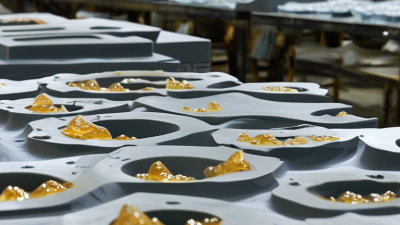
Silicone Insert Overmolding integrates solid components with flexible materials. This method enhances durability and usability. Options include liquid silicone rubber (LSR), which cures quickly and offers excellent tear resistance. Alternatively, high-consistency rubber (HCR) is suitable for parts needing robust structural integrity.
However, not every silicone type fits every application. Real-world testing may reveal unexpected challenges. For example, certain silicones may not bond well with specific substrates. Understanding these nuances is essential for achieving optimal results. Each application is unique, and sometimes small adjustments can lead to significant improvements.
2026 How to Choose Insert Molding Silicone for Your Needs?
This chart illustrates the various types of insert molding silicone materials based on their properties and applications. The data represents the percentage of usage for different silicone types in the industry.
Factors to Consider When Selecting Insert Molding Silicone
Choosing the right insert molding silicone can be a daunting task. Several factors play a critical role in this decision. Firstly, consider the specific application requirements. Hardness, flexibility, and temperature resistance are essential properties to examine. If your product requires durability, opt for silicone that can withstand harsh conditions. However, if flexibility is key, a softer silicone might be more suitable.
Another factor is cure time. Different silicone compounds have varying curing times. Quick curing options can speed up production but may require post-curing phases. Evaluate the trade-off between efficiency and quality. You might also want to think about color matching. Some applications necessitate specific colors for branding or functionality. The right silicone formulation can achieve these aesthetic demands while maintaining structural integrity.
Finally, factor in your production scale. Small-scale projects might allow for testing different samples before committing. However, large productions require reliable material that can be sourced consistently. Reflections on your unique needs and constraints can lead you to better decisions in selecting the right Silicone Molding for your projects.
Applications of Insert Molding Silicone in Various Industries
Insert molding silicone is essential across various industries due to its versatility and durability. In electronics, it protects sensitive components during the injection molding process. Silicone integrates seamlessly with different materials, enhancing prototypes and final products. Particularly in this sector, silicone injection molding ensures a robust connection between the plastic housing and electronic parts. This prevents damage and enhances performance.
In the automotive industry, insert molding silicone plays a critical role. It creates flexible, water-resistant seals that protect internal components. The material's high-temperature resistance is vital for under-hood applications. Silicone's ability to withstand harsh conditions makes it a preferred choice for automotive manufacturers. Its longevity reduces maintenance needs, offering a practical solution for vehicle parts.
The medical field also benefits from insert molding silicone. Medical devices often require sterility and biocompatibility. Silicone meets these needs and can be molded into complex shapes. This adaptability aids in the creation of specialized tools and implants. Despite its advantages, challenges exist in selecting the right formulation. Understanding specific requirements is crucial for optimal results in silicone injection molding.
2026 How to Choose Insert Molding Silicone for Your Needs? - Applications of Insert Molding Silicone in Various Industries
| Industry |
Application |
Key Features of Silicone |
Considerations for Selection |
| Automotive |
Molded parts for dashboards, seals, and gaskets |
Heat resistance, flexibility, and durability |
Temperature range and chemical exposure |
| Medical |
Device housings, tubing, and seals |
Biocompatibility, sterilization capability |
Regulatory compliance and safety standards |
| Electronics |
Encapsulation of sensitive components, keypads |
Electrical insulation, moisture resistance |
Thermal conductivity and electrical properties |
| Consumer Products |
Kitchenware, household items |
Non-stick surface, easy to clean |
Color options and durability |
| Aerospace |
Seals, insulation parts, and component housings |
Lightweight, high strength, temperature tolerance |
Weight limits and performance in extreme conditions |
Evaluating Performance Characteristics of Insert Molding Silicone
When selecting insert molding silicone, performance characteristics should be at the forefront. The silicone's resilience under stress directly impacts product longevity. High tear strength ensures reliability, especially in heavy-use applications. Additionally, silicone's durability against environmental factors — such as moisture, heat, and chemicals — must be evaluated. Good performance means the material can withstand these challenges while maintaining integrity.
Another crucial aspect is the silicone's flexibility. A suitable insert molding silicone should maintain its shape without cracking. This quality is essential for components that require precise movements. Understanding the various grades and properties of silicone can provide clarity. Each type offers distinct advantages, which may influence the final product's function. Testing samples under real-world conditions can also reveal potential weaknesses before mass production.
Observing the curing times is vital, too. Some formulations may cure quickly but lead to poor end results. Others might take longer, affecting production timelines. Striking a balance between efficiency and performance is key. Ultimately, choosing the right insert molding silicone requires careful consideration of these factors. Experience in the field can guide manufacturers, navigating the complexities of material selection.
Cost Considerations for Insert Molding Silicone Selection
When selecting insert molding silicone, cost plays a crucial role. The price can vary significantly based on material quality and supplier. Higher quality silicones may demand a premium upfront, but they often lead to savings over time. Cheaper options can result in higher failure rates and additional maintenance costs. Short-term savings might not justify long-term expenses.
Another factor to consider is the application complexity. More intricate designs may require specialized silicones, which can increase costs. It's essential to balance your budget against the specific requirements of your project. Evaluating the performance characteristics of various silicones can be challenging. Sometimes, what appears cost-effective may not deliver the desired results.
Quality assurance in precision silicone molding also impacts pricing. Investing in reliable, high-quality materials can prevent future product recalls and ensure customer satisfaction. It's worth reflecting on the long-term implications of your choices. A careful assessment of both immediate and future needs will lead to better decision-making.
Best Practices for Working with Insert Molding Silicone During Production
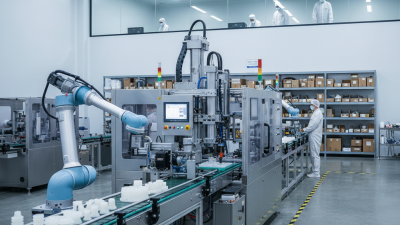
Insert molding silicone offers flexibility and durability in various applications. During production, it’s crucial to follow best practices to ensure quality and efficiency. Make sure to maintain proper temperature settings. This can significantly affect the curing process and final product strength. Consistency in this aspect often leads to better outcomes.
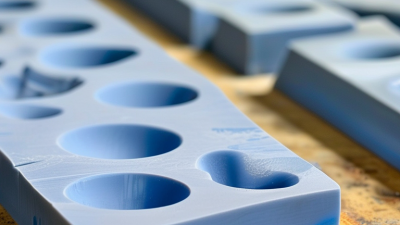
Consider your mold design carefully. If the mold doesn't align with the silicone properties, defects may arise. Wall thickness should be uniform to avoid stress points. This often becomes apparent in practical runs, highlighting the importance of accurate designs.
Pay attention to mixing ratios. An imprecise mix can lead to weak spots or incomplete curing. Regularly check the stability and flow of your silicone. If unexpected bubbles or defects occur, reflect on your recent production adjustments. Continuous improvement in these areas can enhance overall results.
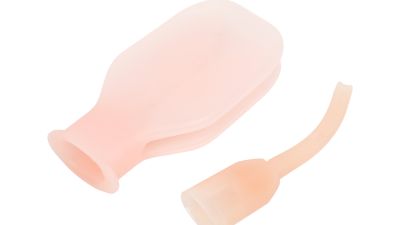
Innovative Applications and Benefits of Custom Medical Silicone Squeeze Bulbs in LSR Injection Molding
The use of Liquid Silicone Rubber (LSR) in the production of custom medical silicone squeeze bulbs presents innovative applications that significantly enhance safety and functionality in medical settings. LSR is prized for its inert nature, chemical resistance, and biocompatibility, making it the preferred choice for healthcare devices that demand stringent hygiene standards. These properties ensure that products remain safe for patient use while also compliant with industry regulations.
Manufactured through advanced LSR injection molding techniques, custom silicone squeeze bulbs can be designed to meet specific medical requirements while maintaining high levels of precision and consistency. The production process occurs in facilities certified under ISO 9001 and ISO 13485, ensuring that every product not only adheres to stringent quality management systems but also fulfills the rigorous demands of the healthcare industry. This meticulous approach to manufacturing translates into reliable devices that medical professionals can trust in various applications, from suction aids to retraction devices, providing enhanced user satisfaction and improved patient outcomes.
FAQS
: Insert molding silicone is a flexible material often used in various applications. It combines silicone with other materials for enhanced properties.
Hardness, measured on the Shore scale, influences flexibility and strength. Softer silicones offer more flexibility, while harder ones provide greater durability.
Different silicones can handle varied temperatures. Using unsuitable silicone in high-heat settings can lead to failure or degraded performance.
Various silicones cater to specific needs, like high temperature resistance or improved flexibility. Knowing the types helps in decision-making.
LSR is a type of silicone that cures quickly. It has excellent tear resistance and is used in applications needing flexibility.
HCR offers robust structural integrity. It's ideal for parts requiring additional strength and durability compared to LSR.
Users must evaluate the specific requirements of their project. Real-world testing can uncover bonding issues or performance challenges.
Yes, results may not always meet expectations. Small adjustments or changes in formulation can significantly enhance the outcome.
Knowing silicone properties helps users make informed choices, leading to better outcomes in their projects.
Yes, many users overlook critical factors, resulting in poor performance. Awareness can help avoid costly mistakes.
Conclusion
Insert Molding Silicone is a versatile material used in various industries for its excellent performance characteristics and durability. Understanding the key concepts and definitions related to this material is essential for selecting the appropriate type for specific applications. The article explores the different types of Insert Molding Silicone, highlighting their unique properties and suitability for various uses.
When selecting Insert Molding Silicone, several factors must be considered, including performance characteristics, cost, and specific application requirements. Evaluating these elements ensures optimal results in production processes. The article further discusses best practices for working with Insert Molding Silicone during manufacturing, emphasizing efficient techniques to enhance product quality and reduce costs in diverse industrial applications.