When global buyers are comparing Silicone Bowl suppliers, it’s not just about getting the lowest unit price. You also want clear material specs, consistent production, and samples that actually match the final order. A bowl can look great in the catalog and still show up with a stiff rim, uneven color, or a lid that doesn’t quite stay on. It’s the little details that end up making or breaking the deal.
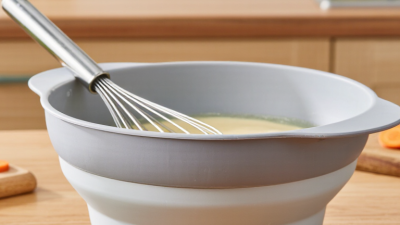
Quick heads-up: Maya Chen isn't a real person you can quote—she's more of a stand-in sourcing expert I put together for this example. That said, her point still lands: if a silicone bowl supplier says their material is safe or food-grade, they should be able to back it up easily. Use that as your benchmark when you're comparing manufacturers—look at design options, production capacity, quality checks, and export experience side by side. And don't forget to ask about sample approval steps, batch inspection reports, and the actual paperwork behind those food-contact claims. Here’s the thing—requirements aren’t the same everywhere, so you really need to double-check them for each market you’re targeting. Don’t just skim the surface either. Pay attention to rim thickness, how flexible the bowl is, the finish, and how the pieces stack. Honestly, these little details tell you way more than a bunch of polished product photos ever will.
Sure, supplier directories are a great starting point for pulling together a shortlist. But honestly, they’re no substitute for doing your own verification. Reach out and ask for written quotes—cover tooling costs, minimum order quantities, lead times, packaging details, and payment terms. Then put them side by side and compare. A quick response is nice, but what you really want are specific answers. And if a supplier’s pricing looks amazing but they can’t show much production evidence? That’s a red flag worth digging into. Alright, here’s the deal: the next sections break down what to look for in a supplier, plus some down-to-earth checks you can run—especially if you’re buying globally. Just keep in mind, you’re after a sound choice, not a perfect promise.
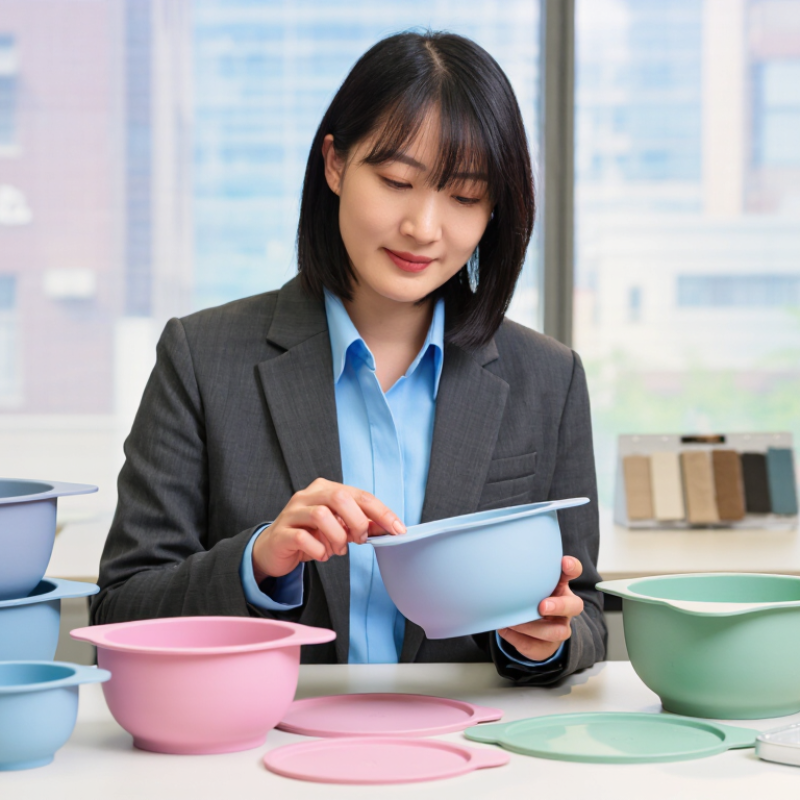
Global silicone bowl sourcing is shaped by more than factory capacity. Buyers compare material consistency, tooling options, order minimums, and shipping access. A low quote can hide thin walls, uneven rims, or costly custom colors. Ask for production samples, not only polished catalog photos. Details matter.
Check how each bowl holds its shape when folded, stacked, and washed. Inspect rim smoothness, odor, color uniformity, and whether lids fit after repeated use. Request relevant food-contact documents and test reports for the destination market; requirements can differ. Confirm carton dimensions, pack counts, and sample-to-bulk matching before approving an order. Even careful checks miss things.
Supplier choice also depends on the route to market. Ports, seasonal congestion, freight terms, and replenishment speed affect the real landed cost. For smaller buyers, flexible order quantities may matter more than the lowest unit price. Larger programs may value stable color batches and clear change-control procedures. Yet spreadsheets can make uncertain lead times look exact. Leave room for delays. Not every supplier will communicate problems early, so agree on update points before production begins.
Manufacturing value added as a share of GDP, 2022
Manufacturing value added provides broad context for comparing production-oriented economies; it is not a measure of silicone bowl output, supplier capacity, or export volume. Source: World Bank, World Development Indicators, “Manufacturing, value added (% of GDP)” (NV.IND.MANF.ZS).
Silicone bowl suppliers generally fall into three groups. OEM and ODM factories suit buyers needing custom shapes, colors, packaging, or private-label production. Silicone specialists focus on material formulation and molding; they can discuss Shore hardness, wall thickness, and food-contact test records. Stock distributors offer ready-made bowls and lower order quantities, but customization is usually limited. Each type has trade-offs.
Grand View Research valued the global silicone market at USD 18.4 billion in 2023. This broad figure covers many industries, not silicone bowls alone, so it should not be treated as proof of bowl demand. For a Dog Silicone Bowl, ask suppliers how the rim resists chewing and whether the base stays put on a smooth floor. Small details matter.
Tips: Request a recent test report for the exact material and color, not a generic sample. Check mold seams, odor, and how the bowl folds after repeated use. Compare production samples with approved specifications before placing a large order. A polished catalog can hide uneven quality. I would also ask about batch traceability; not every supplier documents it equally well.
For global buyers, supplier quality is visible in the details: consistent bowl thickness, smooth rims, and stable colors across production lots. Grand View Research valued the global silicone market at US$18.4 billion in 2023 and forecast a 6.2% compound annual growth rate from 2024 to 2030. This signals a growing material market, not proof that any supplier can meet a buyer’s specifications. Ask for recent batch records, material traceability, and independent test reports relevant to the bowl’s intended use. Check that samples match the stated hardness and dimensions. Small differences matter.
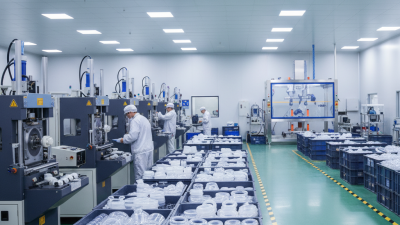
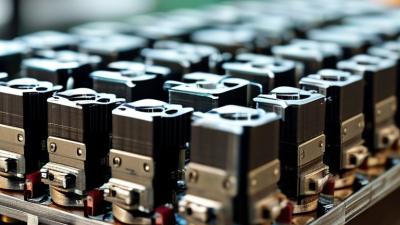
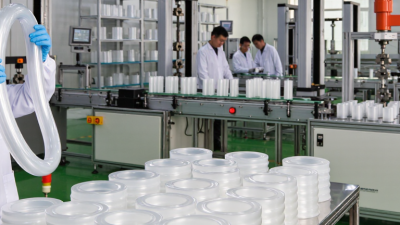
Manufacturing capacity needs evidence, too. Request monthly output by mold and shift, typical lead times, and recent defect or rejection rates. Compare those figures with a trial order, then confirm that capacity remains available during peak months. A factory tour can reveal mold maintenance, clean storage, and how operators separate approved goods from unfinished pieces. No audit is perfect. A polished sample may not reflect a rushed production run, so keep one approved sample as a reference.
Tips: Ask the supplier to explain how it handles a failed batch, late raw materials, and repeat orders. Request answers in writing. If data is missing, treat that as a risk—not a minor detail.
When comparing silicone bowl suppliers, check whether their certificates cover the exact product and intended food-contact use. A general “food-grade” claim is not enough. Ask for current test reports, the issuing laboratory, and the standards or regulations assessed for your target market. Confirm that the report matches the bowl’s material, color, and production site. Small changes can matter.
Review evidence for migration testing, traceability, and quality controls. Can the supplier link a batch number to its production records? Ask how they handle rejected items and material changes. If a Silicone Bowl Lid is included, check that it was tested as part of the finished set, not assumed safe because the bowl passed. Documents are useful, but they do not replace incoming inspections. A report may also leave gaps; that is worth discussing rather than ignoring.
Tips: Request a sample and compare it with the paperwork. Look for clean edges, consistent thickness, and a neutral smell. Keep dated copies of reports and supplier responses. Do not rely on appearance alone. A neat sample can still hide weak controls. Conversely, documentation can be confusing, and buyers may miss details; ask a qualified testing professional when the scope is unclear.
When comparing silicone bowl suppliers, ask for pricing at several order volumes, not just one headline rate. A quote for 500 pieces may differ sharply from one for 5,000. Check whether the price includes the bowl, packaging, logo application, and any mold or setup charge. Small orders cost more.
For a Silicone Dog Bowl, request a sample in the intended size and color before confirming production. Compare its rim thickness, grip, folding action, and odor after washing. Ask about the minimum order quantity, sample fees, production time, and payment schedule in writing. These details make supplier quotes easier to compare, though they do not guarantee a smooth order.
Shipping can change the final cost more than buyers expect. Request estimates for air, sea, and, where available, rail freight, with the destination city and carton dimensions included. Confirm who handles export documents, cargo insurance, and any local import charges. A cheaper sea option may suit a planned restock, while air freight can help with a short deadline. I would leave room for delays; even a clear schedule can slip when production or port handling runs late.
Selecting a silicone bowl supplier for global sourcing requires more than comparing unit prices. Ask how the supplier controls material batches, production conditions, and finished-product inspections. Request recent test reports and confirm that they match the exact bowl design and intended market. Details matter.
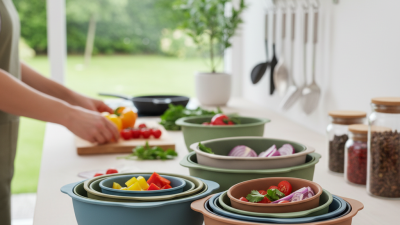
A factory audit, in person or by video, can reveal practical strengths. Look for clean work areas, labeled raw materials, and clear records for rejected pieces. Ask how the supplier checks rim thickness, flexibility, odor, and color consistency. A sample Silicone Bowl Set can help you assess nesting, stacking, and how bowls feel after repeated washing. One sample is not enough, though; request pieces from a regular production run.
For international orders, discuss packaging dimensions, carton strength, lead times, and the documents your importing team needs. Ask for written answers, not just verbal assurances. Check whether the supplier can explain delays and correct defects with a defined process. Price still matters, but a very low quote may leave inspection or packaging costs unclear. It is worth asking again when an answer sounds unusually smooth. Sourcing decisions are rarely perfect; document the risks you accept before placing a large order.
Check bowl thickness, smooth rims, and stable colors across production lots. Compare samples for hardness and dimensions. Small differences matter.
Ask for recent batch records, material traceability, and independent tests relevant to intended use. Confirm the records match the product being purchased.
Request monthly output by mold and shift, typical lead times, and recent defect rates. Compare these figures with a trial order and peak-month availability. Numbers can shift.
Inspect mold maintenance, clean storage, and how workers separate approved goods from unfinished pieces. A tour helps, but it cannot prove every production run is consistent.
Confirm documents cover the exact product, material, color, production site, and intended use. Ask for current test reports and the issuing laboratory. “Food-grade” alone is vague.
Review migration testing, traceability, and quality controls. If a lid comes with the bowl, check that the finished set was tested together. Don’t assume.
Save a dated sample as a reference for future orders. A polished sample may not reflect a rushed production run. This check is imperfect.
Request written answers about failed batches, late materials, and repeat orders. Keep dated copies. Buyers can miss details, so ask a qualified testing professional when the test scope is unclear.
Choosing the right Silicone Bowl supplier requires understanding the global supply market and the different types of manufacturers, wholesalers, and specialized producers. Each may offer distinct strengths, such as custom designs, flexible order quantities, or large-scale production. Buyers can narrow their options by assessing product consistency, manufacturing capacity, quality-control processes, and the supplier’s ability to meet demand over time.
Before placing an order, review relevant certifications and food-safety documentation, and confirm that product materials and specifications suit your intended use. Compare unit prices alongside minimum order quantities, sample policies, production lead times, packaging, and shipping options to understand the full cost and delivery timeline. A careful, balanced evaluation helps global buyers select a dependable supplier whose capabilities, communication, and commercial terms align with their sourcing needs.