- Home
- Products
- Company
- Case Study
- News
- Contact Us
Leave Your Message
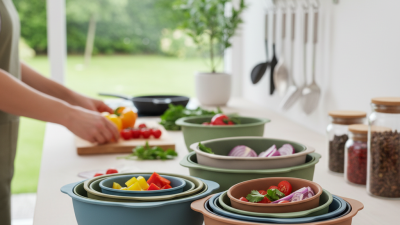
A Silicone Bowl isn’t just a bendy container for mixing stuff. Honestly, it can help with a bunch of little kitchen jobs—whisking pancake batter, holding chopped veggies, that kind of thing. The soft sides don’t crack easily, and because it’s light, you can move it from counter to fridge to picnic table without much fuss. Some versions even fold almost flat, which is great if drawer space is tight.
Food-contact materials consultant Dr. Laura Chen puts it this way: “A reliable silicone bowl should stay stable, clean up easily, and work within its listed temperature range.” That’s a pretty practical way to look at it. Two bowls might look the same, but the silicone grade, reinforcement, and manufacturing quality can be very different. So check the food-contact info, temperature limits, and care instructions from the maker. A label claim isn’t the same as proof.
In everyday cooking, a silicone bowl can handle salad prep, letting dough rest, storing meals, and gentle steaming—if it’s designed for that. I’ve personally found the flexible rim handy when pouring sauce into a narrow jar. It also seems to grip some smooth surfaces better than rigid plastic does. But flexible doesn’t mean perfect. A thin bowl can collapse under heavy dough, strong spices might leave lingering odors, and sharp utensils can scratch or damage the surface. Those little details are worth paying attention to.
This guide looks at what a silicone bowl is used for, how it actually performs in real kitchens, and where its limits show up. The goal is simple: pick the right bowl for the job instead of trusting every bright, colorful label.
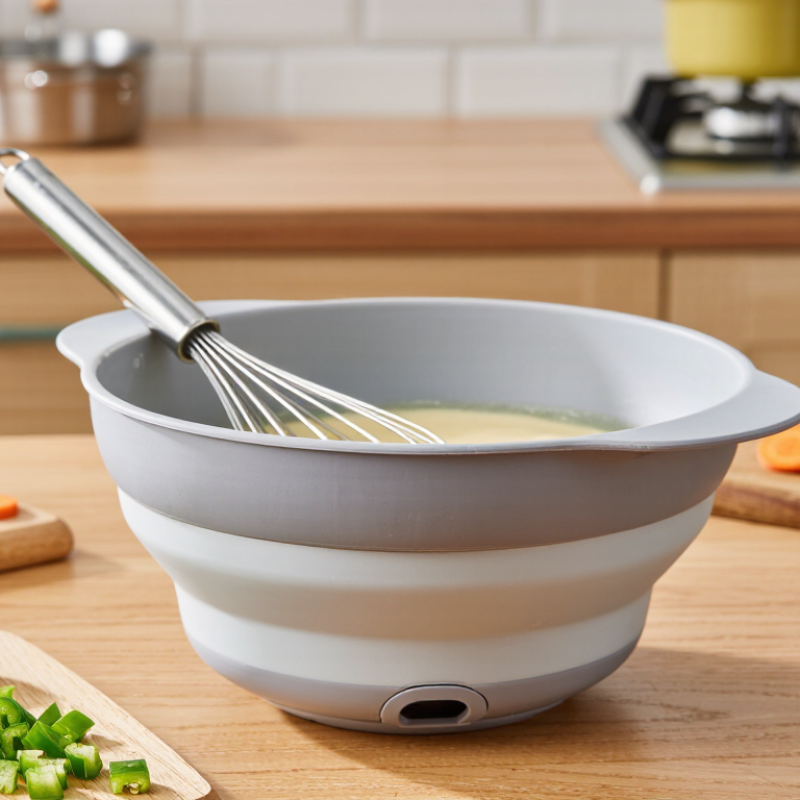
A silicone bowl is a flexible container made from cured silicone, a durable synthetic material. Unlike rigid ceramic or metal, it bends easily and often returns to its original shape. Its smooth surface feels soft, but it should still be checked for cuts, sticky areas, or unusual odors.
In daily use, silicone bowls hold dry food, soup, fruit, baking ingredients, and snacks. Many people choose them for travel because they fold flat and fit inside a small bag. A Dog Silicone Bowl can hold water or kibble during a walk, especially when weight and storage space matter. The bowl should sit on a stable surface, since very light silicone may slide or tip.
Silicone tolerates heat better than many ordinary plastics, but temperature limits differ between products. Always follow the maker’s care instructions. I usually wash a silicone bowl with warm water and mild dish soap, then let it dry fully. Small folds can hide food residue. I once stored a damp bowl too quickly, and it developed an unpleasant smell. That was my mistake.
A silicone bowl is practical, but it is not automatically perfect. Some bowls collapse too easily, and thin edges may lose their shape over time. Before buying one, consider its depth, stiffness, cleaning method, and intended food use. A trustworthy product should clearly describe its material and safe-use conditions.
| Use or Feature | What the Bowl Is Used For | Practical Benefit | Typical Guidance |
|---|---|---|---|
| Food Preparation | Mixing ingredients, whisking sauces, preparing dough, and holding pre-measured ingredients | Lightweight, flexible, and resistant to many common food ingredients | Use a food-grade silicone bowl intended for kitchen contact |
| Baking | Combining wet and dry ingredients, resting dough, and holding batter | The flexible sides make it easier to scrape out mixtures | Follow the temperature limit printed by the manufacturer |
| Food Storage | Storing leftovers, prepared ingredients, snacks, or small portions | Many silicone bowls are lightweight and may nest to save cabinet space | Use an airtight cover when odor control or leak prevention is required |
| Microwave Heating | Reheating food when the bowl is specifically labeled microwave-safe | Silicone generally transfers less heat to the hand than many rigid materials | Do not microwave bowls with metal parts, and use care when removing hot food |
| Freezer Use | Freezing sauces, meal portions, fruit, desserts, and prepared foods | Flexible material can make frozen contents easier to remove | Leave expansion space for liquids and avoid sudden damage from sharp objects |
| Serving | Serving cereal, fruit, salads, snacks, sauces, and other everyday foods | Soft, quiet material is less likely to chip or break when dropped | Inspect regularly for cuts, tears, or surface deterioration |
| Outdoor and Travel Use | Carrying snacks, washing ingredients, or serving food during travel and outdoor activities | Low weight and flexible construction are convenient for packing | Use a secure lid or separate container when transporting liquids |
| Child and Pet Feeding | Serving suitable foods to children or pets when the product is designed for that purpose | Soft construction reduces the risk of breakage compared with glass or ceramic | Choose an appropriate size and supervise use; replace damaged bowls |
| Cleaning and Maintenance | Washing after food preparation, storage, or serving | Nonporous silicone is generally easy to rinse and clean | Use mild detergent; confirm dishwasher suitability before placing it in a dishwasher |
| Material | Flexible silicone elastomer; food-contact products should be labeled for food use |
| Typical Temperature Range | Many kitchen silicone products are rated approximately from -40°F to 450°F (-40°C to 232°C), but the product label takes priority |
| Common Sizes | Small: about 1–2 cups; medium: about 3–5 cups; large: about 6–12 cups |
| Main Advantages | Flexible, lightweight, reusable, resistant to breakage, and generally easy to clean |
| Important Limitation | Temperature, dishwasher, oven, microwave, and freezer suitability varies by product and must be checked before use |
They are lightweight, flexible, and fold nearly flat. That saves room in crowded cupboards and travel bags. Very practical.
Yes, they suit walks, road trips, and outdoor feeding. Their nonporous surface usually absorbs fewer odors than fabric. Rinse away food promptly.
Some tolerate hot food, steaming, or microwave use. Heat resistance varies, so check the stated temperature range first. Never assume.
Rinse sauces before they dry. Wash with warm water, mild soap, and a soft sponge. Scrub the folded rim carefully.
Soak the bowl for ten minutes, then wash it again. Baking soda may reduce odors. A quick rinse is not enough.
Let them air-dry completely before nesting or covering them. Keep lids slightly loose when moisture remains. Trapped moisture can smell unpleasant.
No. A covered bowl protects food, but it does not replace refrigeration. Keep chilled food at 40°F or below, and use leftovers within three to four days.
Lightweight bowls can move when nearly empty, especially on polished counters. A nonslip base or damp cloth may help. Stability is not perfect.
Replace it after cuts, sticky areas, whitening, tearing, or lasting odors appear. A curry smell after washing is a warning. Mine sometimes needs a second wash.
A Silicone Bowl is a flexible, lightweight, and durable kitchen container made from food-grade silicone. Its soft material is usually heat-resistant, nonstick, and resistant to stains and odors, making it useful for mixing ingredients, serving food, storing leftovers, preparing snacks, and organizing small items. Many silicone bowls can be folded or nested, which helps save space in kitchens, lunch bags, and travel kits.
To use a Silicone Bowl safely, choose one designed for food contact, follow its temperature limits, and avoid placing it directly over an open flame or using sharp utensils that may damage the surface. After use, wash it with warm water and mild soap or place it in a suitable dishwasher. Allow the bowl to dry completely before storing it in a cool, clean area away from sharp objects and excessive heat. With regular care, silicone bowls can remain flexible, hygienic, and practical for everyday use.