You know, China’s silicone molding industry has really become a go-to option when it comes to sourcing for sectors like medical, automotive, electronics, and consumer products. I came across a report from Grand View Research stating that the global liquid silicone rubber market hit around USD 3.2 billion in 2023. They also expect it to grow at something like 8.5% annually up until 2030. But here’s the thing—different reports define the market scope in their own ways, which can make a difference.
What Is Silicone Molding and Why Does China Lead the Industry?
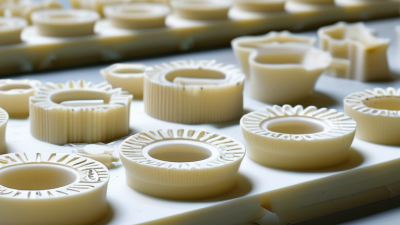
Silicone molding shapes liquid or solid silicone into precise parts using heated molds, pressure, and controlled curing. silicone injection molding is widely used for seals, medical components, kitchen products, and automotive membranes. The material remains flexible across changing temperatures. It also resists moisture, chemicals, and repeated compression.
China leads this industry through dense manufacturing networks and experienced technical teams. Toolmakers can produce complex cavities with fine vents and polished surfaces. Nearby suppliers provide silicone compounds, pigments, inserts, packaging, and inspection equipment. This shortens development time. It also supports competitive production costs. In a reliable factory, engineers review mold-flow behavior, curing temperature, flash, hardness, and dimensional tolerance. Batch records should connect each shipment with material data and inspection results.
The process is not perfect. Poor venting can leave bubbles around thin edges. Excessive pressure may create flash along the parting line. Skilled manufacturers reduce these problems through trial runs and measured adjustments, not guesswork. I have found that clear drawings and physical samples prevent more defects than hurried emails. Yet supplier claims still require verification. Buyers should inspect tooling, request test reports, and check whether workers follow documented procedures. China’s advantage comes from scale, practical experience, and rapid problem-solving, but quality varies between workshops. A lower quotation can hide weaker silicone, unstable curing, or limited after-sales support. Small details matter.
How to Evaluate China’s Top 10 Silicone Molding Manufacturers
Evaluating China’s top 10 silicone molding manufacturers requires more than comparing website rankings. Examine their molding experience, engineering depth, and quality records. Ask for samples made from similar silicone grades and geometries. A thin medical seal, kitchen gasket, and wearable component require different controls. Review mold design, curing methods, flash removal, and dimensional inspection. precision silicone molding depends on stable temperature, pressure, and material preparation.
Request evidence, not polished promises. Reliable manufacturers can explain tolerance limits, batch traceability, and corrective actions. Check whether inspection reports include hardness, dimensions, compression set, and visual defects. Factory visits can reveal practical details, such as clean work areas, labeled materials, and calibrated measuring tools. Speaking with an engineer is also useful. Sales presentations sometimes hide weak technical support. I would not trust a ranking alone.
Tips: Compare at least three quotations with identical drawings and material requirements. Ask for a pilot run before full production. Confirm who owns the mold and how design changes are documented. Review communication speed during sample revisions. Slow replies may become expensive later. Also, inspect packaging and storage conditions, since silicone parts can collect dust or deform under poor handling. No supplier is perfect. The best choice is usually the one that reports problems clearly and improves them with documented evidence.
China’s Top 10 Silicone Molding Manufacturers at a Glance
China’s Top 10 silicone molding manufacturers at a Glance
China’s top 10 silicone molding manufacturers are best viewed through practical production evidence, not slogans. A reliable silicone molding manufacturer should show stable tolerances, clear material records, and repeatable inspection results. The strongest suppliers typically handle liquid silicone rubber, high-consistency rubber, compression molding, and injection molding. Their workshops may include automated dispensing, controlled curing ovens, and clean assembly areas.
This comparison focuses on mold design, tooling support, production capacity, and quality control. Engineers should check flash around sealing edges, surface marks, hardness variation, and dimensional drift after repeated cycles. Samples can reveal more than polished brochures. Ask for inspection reports, process flow charts, and realistic lead times. Traceability matters when each batch needs a clear material and curing history. Certifications support confidence, but they should match the actual factory and production scope.
The ranking still needs caution. Public information is often incomplete, and factory capabilities may change after equipment upgrades or staffing shifts. Some manufacturers communicate well but provide limited technical evidence. Others may have excellent molding skills yet weaker documentation. That difference can affect audits and long-term cooperation. A small trial order may expose packaging damage, inconsistent color, or delayed engineering feedback. Those are not minor details. They deserve careful review before approving larger production volumes.
China’s Top 10 Silicone Molding Manufacturers at a Glance
This table is an industry-level comparison guide, not a verified ranking or a set of company-specific claims. Manufacturer names and brands are intentionally omitted; capabilities vary by facility, material grade, tooling, and product requirements.
| No. |
Comparison dimension |
Industry fact or evaluation point |
What to verify with a supplier |
| 1 |
Molding processes |
Silicone parts are commonly made by compression, transfer, or injection molding. |
Which processes are available in-house and which suit the part’s geometry and volume? |
| 2 |
Liquid silicone rubber (LSR) |
LSR is typically processed using metered two-component material and injection molding equipment. |
Ask about metering, mixing, material handling, and process validation. |
| 3 |
High-consistency rubber (HCR) |
HCR silicone is commonly shaped using compression or transfer molding; some applications use other suitable processes. |
Confirm the proposed material form and molding method against the part design. |
| 4 |
Material selection |
Silicone compounds are selected for properties such as hardness, resilience, temperature performance, and regulatory needs. |
Request the exact grade, technical data sheet, and applicable compliance documents. |
| 5 |
Hardness |
Silicone compounds are available in a range of hardness levels; the usable range depends on the selected compound and product requirements. |
Specify the hardness scale, target value, and allowable tolerance on the drawing. |
| 6 |
Tooling and part design |
Parting lines, gates, vents, draft, and cavity layout affect part quality and manufacturability. |
Review the mold-flow or design-for-manufacturing feedback and agree on parting-line locations. |
| 7 |
Dimensional control |
Achievable tolerances depend on dimensions, geometry, material behavior, tooling, and the measurement method. |
Set drawing tolerances and inspection methods for each critical feature. |
| 8 |
Post-curing |
Some silicone parts require post-curing, depending on the compound, application, and specified performance requirements. |
Confirm whether post-curing is required and how the supplier controls and records it. |
| 9 |
Quality documentation |
Inspection plans, material traceability, and documented process controls help demonstrate consistent production. |
Request relevant quality-system certificates, inspection records, and traceability examples. |
| 10 |
Application suitability |
Silicone molding is used in applications including seals, gaskets, keypads, and molded components for consumer, industrial, automotive, and healthcare products. |
Check that the proposed material and production controls meet the application’s applicable requirements. |
For a supplier shortlist, compare documented capabilities against the same drawing, material specification, quality requirements, and production-volume assumptions.
Key Products, Materials, and Molding Technologies They Provide
China’s silicone molding sector serves medical, automotive, electronics, kitchenware, and industrial equipment markets. Top manufacturers usually provide custom seals, gaskets, tubing, keypads, baby-care parts, and flexible overmolded components. Their product range often includes compression-molded sheets, liquid silicone rubber parts, and precision micro-components. Experienced suppliers support prototyping, tooling, sample approval, and repeat production. However, “top” should mean verified capability, not advertising language.
Common materials include food-grade silicone, medical-grade silicone, flame-retardant compounds, conductive silicone, and high-temperature formulations. Material selection depends on hardness, tear strength, compression set, temperature exposure, and regulatory requirements. Manufacturers may use compression molding for stable, economical parts. Injection molding suits higher volumes and tighter dimensional control. Liquid silicone injection molding supports clean, detailed designs with short cycle times. Transfer molding remains useful for inserts and complex geometries. Some factories combine CNC tooling, vacuum testing, post-curing, laser marking, and automated inspection. Results vary.
Tips: Ask for material certificates, batch records, dimensional reports, and sample-testing data. Confirm cavity count, mold maintenance, tolerance control, and production capacity. Request a trial run using your actual design. Even a polished sample can hide flash, trapped air, or uneven curing. Factory audits and independent testing improve reliability. I would also check communication speed, because small design changes often affect silicone flow, shrinkage, and final fit.
Quality Standards, Certifications, and Production Capabilities
China Top 10 Silicone Molding Manufacturers: Quality Standards, Certifications, and Production Capabilities
Choosing among China’s top silicone molding manufacturers requires more than comparing prices. Experienced buyers inspect quality systems, technical records, and production evidence. ISO 9001 indicates controlled processes, while ISO 13485 supports medical-device manufacturing. Automotive projects may require IATF 16949. Material compliance should also address RoHS, REACH, and applicable food-contact requirements.
Look for factories with liquid silicone rubber injection, compression molding, and transfer molding capabilities. Modern equipment should control temperature, pressure, and curing time accurately. Cleanroom production may be necessary for medical or sensitive applications. Reliable manufacturers use calibrated hardness testers, tensile machines, aging ovens, and visual inspection stations. They should provide batch traceability, incoming material checks, and documented process controls. Ask for inspection reports.
Details matter.
During supplier audits, review mold maintenance records and operator training. A stable manufacturer can explain flash control, parting-line design, shrinkage, and tolerance limits in practical terms. Automated dispensing improves repeatability, but it does not remove every risk. Human inspection still catches surface defects, trapped particles, and incomplete curing.
A certificate alone proves little. Some factories present strong documents but weak shop-floor discipline. Even capable suppliers may need improvement in sampling plans or corrective-action speed. Request production samples, capability data, and a clear response process for defects. The best choice is not always the largest factory; it is the one that can repeatedly meet your technical, regulatory, and delivery requirements.
How to Select the Right Chinese Silicone Molding Manufacturer
Choosing the Right Chinese Silicone Molding Manufacturer
Selecting a Chinese silicone molding manufacturer requires more than comparing unit prices. Define the silicone type, hardness, color, operating temperature, and expected service life before requesting quotations. Ask whether the factory handles liquid silicone rubber, solid silicone rubber, or both. Their answer reveals practical capability.
Request a small production sample, not only a polished prototype. Inspect flash around parting lines, surface texture, dimensions, odor, and flexibility. For seals, measure compression set and recovery after repeated compression. For medical or food-contact applications, verify relevant test reports, material traceability, and documented quality procedures. A certificate alone is not enough. Check its scope and issue date.
Review the factory’s tooling process, inspection equipment, and corrective-action records. Clear drawings should show tolerances, draft requirements, gates, and critical sealing areas. Ask how they control mold temperature, curing time, and post-curing conditions. These details affect consistency more than attractive workshop photos. Confirm mold ownership, revision control, packaging, lead times, and communication responsibilities in writing.
A low quotation may hide weak tooling or excessive manual trimming. Look deeper. A capable supplier should explain risks before production, propose realistic tolerances, and provide measurable inspection data. Still, no evaluation is perfect. An approved sample can pass while later batches vary, especially after a material or mold change. Keep a signed golden sample and require approval before changes. That small discipline protects custom silicone molding projects from avoidable surprises.
China Top 10 Silicone Molding Manufacturers? How to Select the Right Chinese Silicone Molding Manufacturer
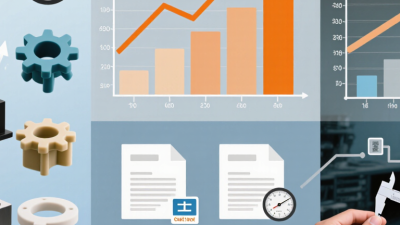
Use this weighted screening framework to compare qualified silicone molding suppliers. The criteria reflect practical purchasing priorities: product quality, tooling capability, regulatory compliance, delivery performance, minimum order quantity, and export experience. The percentages are recommended evaluation weights, not company rankings.
China OEM Silicone Dog Toys & Treat Molds: Insights from APPA 2024 and Grand View Research Reports
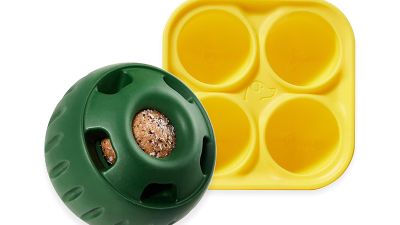
Recent findings from the 2024 pet industry and market research reports indicate growing demand for safe, durable, and interactive products that support pets’ daily health and enrichment. Silicone dog toys and treat molds are gaining attention because they can combine chewing, play, feeding, and training in one practical solution. For buyers developing new collections, custom shapes, textures, sizes, and colors can help meet different pet preferences while creating stronger product differentiation.
As a leading OEM factory in China, we specialize in manufacturing high-quality silicone dog toys and pet treat molds tailored to specific requirements. Whether you provide technical drawings, product concepts, or physical samples, our experienced team can support development from design refinement and mold production to final manufacturing. We use pet-safe silicone materials and focus on reliable molding precision, flexible performance, and easy cleaning. From interactive chew toys and enrichment accessories to uniquely shaped molds for homemade treats, each solution is produced to deliver safety, durability, and enjoyable everyday use for pets.
FAQS
It should provide stable tolerances, material records, and repeatable inspection results. Ask for process charts and realistic lead times. Samples matter more than slogans.
Common options include compression molding, injection molding, liquid silicone injection molding, and transfer molding. CNC tooling and automated inspection may also be available. Capabilities vary.
Options may include food-grade, medical-grade, flame-retardant, conductive, and high-temperature silicone. Selection depends on hardness, tear strength, temperature, and compression set. The certificate alone is not enough.
Inspect flash around parting lines, surface marks, odor, flexibility, and dimensions. For seals, test compression and recovery after repeated use. Look closely.
Request material certificates, batch records, dimensional reports, and sample-testing data. Confirm certificate scope and issue date. Traceability should connect each batch with its curing history.
Review mold ownership, cavity count, maintenance, revision control, and critical tolerances. Ask how temperature, curing time, and post-curing are controlled. Small details affect final fit.
Start with a small trial run using the actual design. Check packaging damage, color consistency, engineering response, and delivery timing. A polished sample can still hide trapped air.
Not necessarily. A low price may hide weak tooling, manual trimming, or poor documentation. I would compare measurable evidence, not only unit cost. No evaluation is perfect.
Conclusion
China has become a major center for Silicone Molding because of its extensive manufacturing infrastructure, skilled engineering workforce, flexible supply chains, and ability to support both high-volume production and customized development. This overview explains what silicone molding involves, including compression, liquid injection, and transfer molding, while outlining how to evaluate the top 10 manufacturers based on technical expertise, material selection, tooling capabilities, production capacity, quality control, communication, and delivery reliability.
It also compares the typical products and applications these manufacturers can provide, such as medical components, automotive seals, consumer goods, electronic parts, and industrial accessories. Attention is given to certifications, testing procedures, clean production environments, surface finishing, prototyping, and mold design support. Finally, the guide offers a practical framework for selecting the right supplier by matching project requirements, performance expectations, order volume, budget, compliance needs, and long-term cooperation goals.