inquiry
Leave Your Message
0%

Have you ever heard of silicone overmolding? It’s this really cool process that's making products safer, softer, and tougher, whether it's for medical devices, cars, electronics, or everyday gadgets. This guide is pretty much your go-to overview of China’s top ten silicone overmolding manufacturers—those companies that turn flexible silicone into reliably finished parts. We’re gonna look at who’s got the skills, the precision, and the experience to get the job done right.

When we evaluate these guys, we’re checking out things like their tooling abilities, how accurately they can mold, how well they control materials, and the quality systems they have in place. Customer communication? Yeah, that’s important too. Plus, whether they’re good at helping you develop prototypes, doing insert molding, two-shot processes, or handling big production runs.

Some notable names you might come across include Dongguan Yizhou Plastic Products, Shenzhen Sincere Tech, Xiamen Better Silicone, Suzhou Xinhua Chemical, Wacker Chemicals, Elkem, Momentive, Shin-Etsu Chemical, KCC Silicone, and of course, Dow.

A really wise person in the industry, Dr. Johannes Karl Fink, once said, ‘You gotta understand your material before you mold it.’ And honestly, that’s super true. Factors like silicone viscosity can speed up or slow down filling. The temperature of the mold? That affects how it cures. And surface treatments? Well, they decide if the silicone will bond properly with plastic or metal parts.

Now, I gotta mention—there’s no such thing as a completely objective ranking here. One supplier might have tons of experience in medical stuff but might not be geared for huge auto manufacturing runs. Another might have really competitive prices but might not offer the best engineering support. Small details, like how an insert is placed, can make all the difference—creating uneven walls, unwanted flashes, or edges that just don’t feel right.

So, instead of chasing after fancy claims or big promises, this overview is about real-world evidence. We’re looking for clear specs, traceable quality processes, responsive engineers, and samples that actually perform well under real conditions. Remember, the best silicone overmolding partner isn’t always the biggest name out there. It’s the one that truly gets your material characteristics, the shape, the tolerances, and the potential production pitfalls.

In the end, it’s all about finding someone who understands your specific needs and can handle your project with care—someone who can turn your ideas into reliable, high-quality parts.
China Top 10 Silicone Overmolding Manufacturers

Silicone Overmolding: Definition, Process, and Industrial Applications

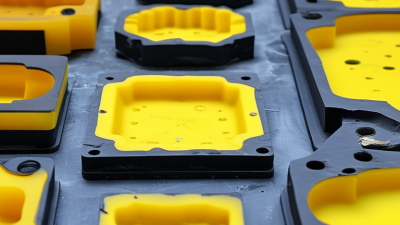
Silicone overmolding combines a silicone layer with a rigid plastic, metal, or electronic insert. The result is a soft, protective, and functional component. Silicone resists heat, moisture, many chemicals, and repeated flexing. It also improves grip and user comfort.

The process begins with insert cleaning and precise fixture placement. Engineers then inject liquid silicone into a heated mold around the insert. Controlled pressure fills narrow gaps without damaging delicate features. Heat cures the silicone, while careful demolding protects edges and sealing surfaces. Silicone Insert Overmolding is widely used for medical controls, automotive seals, wearable devices, cable protection, and industrial switches. Quality teams normally check adhesion, hardness, flash, dimensions, and surface appearance. No process is perfect. Tiny air pockets or weak bonding can still appear when mold vents or material conditions are poorly controlled.

Tips: Confirm silicone compatibility with the insert before tooling. Test several hardness levels, because a softer grade may seal better but tear sooner. Keep molding records for temperature, pressure, and curing time. Inspect early samples under magnification. A practical trial often reveals details that drawings miss. Feedback from operators also matters, although it is sometimes overlooked.

Why China Is a Major Hub for Silicone Overmolding Manufacturing

China Top 10 Silicone Overmolding Manufacturers

China is a major hub for silicone overmolding because its manufacturing network connects tooling, molding, electronics, and assembly. This proximity shortens communication between design and production teams. Engineers can adjust a mold insert, gate, or sealing edge within days. That speed matters when a prototype needs repeated testing.

Many Chinese manufacturers work with liquid silicone rubber and thermoplastic substrates. They support medical devices, wearable products, automotive sensors, and industrial controls. In a typical project, technicians inspect shore hardness, bonding strength, flash, and dimensional stability. They may also run temperature, compression, and water-ingress tests. Silicone Overmolding Waterproof Sealing often depends on tiny details, such as a clean bonding surface and consistent injection pressure. One uneven edge can create a leak.

The picture is not perfect. Supplier capabilities vary widely, even within the same industrial region. A low quotation may hide weak mold maintenance, unclear material traceability, or limited inspection records. Buyers should review samples, process documents, tolerance reports, and corrective-action procedures before placing large orders. Factory audits can reveal practical details, including storage humidity, operator training, and how rejected parts are isolated. Cost is attractive, but it should not replace verification. A reliable partnership grows through measurable standards, transparent communication, and the willingness to question an apparently successful first sample.

How the Top 10 Chinese Manufacturers Were Selected

China Top 10 Silicone Overmolding Manufacturers

The top ten manufacturers were selected through a practical, evidence-based review. We examined production experience, engineering capability, quality systems, and verified project records. Public information alone was not enough. Direct communication helped clarify equipment, material control, and typical delivery procedures.

Each manufacturer was assessed against silicone molding, insert molding, and secondary assembly requirements. We reviewed whether teams could explain mold-flow risks, bonding preparation, curing control, and dimensional inspection. PPSU silicone overmolding received special attention because heat resistance and surface bonding require careful process control. Factory visits or video audits were considered valuable when available. Clear answers mattered.

Samples were compared under realistic conditions. Test parts showed flash, air marks, surface defects, and bonding consistency more clearly than brochures. Evidence matters. We also checked traceability, inspection records, technician experience, and the handling of engineering changes. References from comparable industries strengthened credibility, but they were not accepted without context.

No ranking method is flawless. A capable factory may have limited public documentation, while a polished presentation may hide weak process discipline. This is where judgment was required. The final list reflects technical fit, communication reliability, production transparency, and the ability to support stable volume manufacturing, not simply company size or advertising reach.

China’s Top 10 Silicone Overmolding Manufacturers

China’s Top 10 Silicone Overmolding Manufacturers represent a strong manufacturing sector built around precision, flexibility, and scalable production. These suppliers commonly serve medical devices, automotive components, wearable electronics, and industrial seals. Their capabilities often include liquid silicone rubber injection, compression molding, two-shot overmolding, and automated part removal.

A reliable manufacturer should explain material selection clearly. Shore hardness, color stability, operating temperature, and skin-contact requirements affect every design decision. Experienced teams review draft angles, wall thickness, bonding surfaces, and likely flash points before making tools. They also control mold temperature, injection pressure, and curing time during production. Small details matter. A 0.1-millimeter mismatch can create leakage, weak adhesion, or visible marks.

The strongest candidates provide traceable batches, inspection records, and documented process validation. Certifications can support trust, but they should not replace practical evidence. Ask for sample parts, dimensional reports, and realistic production timelines. Factory visits or live video audits may reveal storage conditions, cleanliness, and operator discipline. No supplier is perfect. Some teams communicate slowly, while others underestimate tooling revisions. That weakness deserves attention. A thoughtful buyer should compare engineering responses, not only quoted prices, before selecting a long-term silicone overmolding partner.

China Top 10 Silicone Overmolding Manufacturers - China’s Top 10 Silicone Overmolding Manufacturers
No. Anonymized Manufacturer Profile Primary Manufacturing Region Silicone Overmolding Processes Common Silicone Materials Compatible Substrates Typical Application Areas Common Quality Controls Typical Production Focus
1 Profile 01 Guangdong Liquid silicone rubber injection molding; insert overmolding LSR, two-component platinum-cured silicone ABS, PC, PA, stainless steel, aluminum Consumer electronics, wearable devices, handheld components Dimensional inspection, visual inspection, adhesion testing, flash control High-volume precision production
2 Profile 02 Jiangsu Compression molding; silicone rubber overmolding on metal inserts HTV silicone rubber, heat-resistant silicone compounds Steel, copper, brass, aluminum, engineering plastics Industrial controls, electrical components, sealing parts Hardness testing, tensile testing, compression-set testing, curing verification Medium- to high-volume production
3 Profile 03 Zhejiang Transfer molding; two-shot silicone and plastic molding Food-contact-grade silicone, medical-grade silicone, LSR PP, PC, PEEK, stainless steel, glass-filled polymers Medical components, laboratory equipment, fluid-handling parts Cleanroom inspection, biocompatibility documentation, leak testing, traceability Regulated and repeat-production programs
4 Profile 04 Shanghai Area Precision LSR injection molding; automated insert loading Platinum-cured LSR, electrically insulating silicone PC, PBT, PPS, copper alloys, plated metal parts Automotive electronics, sensors, connectors, control modules CTQ inspection, automated vision inspection, dielectric testing, process monitoring Automotive and electronics production
5 Profile 05 Fujian Manual and semi-automated insert overmolding; compression molding General-purpose silicone, translucent silicone, colored silicone ABS, PP, nylon, metal inserts, textile components Household products, personal-care devices, kitchen accessories Color verification, surface inspection, hardness checks, dimensional sampling Short- and medium-run production
6 Profile 06 Shandong Compression overmolding; gasket and seal molding High-temperature silicone, oil-resistant silicone, flame-retardant grades Aluminum, stainless steel, EPDM-compatible assemblies, rigid plastics Industrial machinery, pumps, valves, power equipment Compression-set testing, aging tests, pressure testing, dimensional control Industrial and custom-engineered parts
7 Profile 07 Anhui LSR injection molding; multi-cavity tooling and automated demolding Low-compression-set LSR, low-temperature silicone, translucent LSR PC, ABS, POM, PA, coated metal components Lighting, consumer appliances, electronic switches and controls Mold-flow validation, cavity balance checks, visual inspection, sampling plans Repeatable high-volume programs
8 Profile 08 Hubei Silicone keypad overmolding; screen-printing and secondary assembly Conductive silicone, tactile silicone, abrasion-resistant silicone Polycarbonate, polyester films, ABS housings, metal frames Keypads, remote controls, access systems, industrial interfaces Actuation-force testing, electrical continuity testing, print adhesion checks Custom and medium-volume production
9 Profile 09 Chongqing Area Automotive silicone overmolding; insert and cable overmolding Automotive-grade silicone, heat-resistant silicone, flame-retardant grades PA66, PBT, PPS, copper terminals, wire assemblies Automotive wiring, sensors, connectors, under-hood components Thermal aging, vibration resistance, insulation testing, sealing verification Low- to high-volume automotive projects
10 Profile 10 Guangxi Prototype-to-production silicone overmolding; low-volume insert molding General-purpose LSR, HTV silicone, custom-color silicone 3D-printed prototypes, machined plastics, aluminum, steel Product development, specialty tools, customized industrial parts First-article inspection, fit testing, hardness measurement, appearance checks Prototype, pilot, and low-volume production

Note: Manufacturer names and brand-specific information have been intentionally omitted. Process capabilities, materials, substrates, applications, and quality-control categories represent commonly used silicone overmolding practices in China and should be verified against individual supplier documentation.

Key Capabilities and Technologies of Leading Manufacturers

Leading silicone overmolding manufacturers combine material expertise with disciplined process control. Their capabilities often cover product design, mold development, liquid silicone rubber preparation, injection, curing, and inspection. Lsr Overmolding can protect electronic parts, improve grip, and create sealed interfaces in one production cycle.

Experienced manufacturers usually support multiple silicone grades, hardness levels, colors, and surface finishes. They study substrate compatibility before tool construction. This reduces peeling, flashing, and incomplete bonding. Engineers may use mold-flow analysis and trial shots to adjust gates, vents, temperature, and injection pressure. Cleanroom assembly may support sensitive medical or electronic applications. However, no process is flawless. Small changes in pigment, humidity, or insert geometry can affect results.

Tips: Ask for material data, dimensional reports, and sample validation records. Check how the supplier controls flash around thin edges. Request evidence of adhesion testing after heat, moisture, and repeated use. Traceable batch records matter. So does clear communication when a trial fails. A reliable manufacturer should explain the failure, not hide it. Also review automated inspection, vision systems, and operator training. These details often separate stable production from attractive prototypes. During evaluation, compare cycle consistency across several lots, rather than trusting one successful sample.

How to Choose the Right Silicone Overmolding Manufacturer in China

Choosing a silicone overmolding manufacturer in China requires more than comparing unit prices. A top-ten list is only a starting point. Look for a factory that clearly explains silicone grades, molding methods, and bonding limits. During a supplier visit, inspect mixing rooms, mold storage, clean areas, and inspection stations. Request traceable batch records, not only attractive samples. A polished sample can mislead.

Confirm whether the team has experience with your substrate, such as PC, ABS, aluminum, or stainless steel. Review surface preparation, primer control, plasma treatment, and insert positioning. Request a design-for-manufacturing review before tooling begins. It should address wall thickness, venting, draft, flash control, shrinkage, and demolding. Ask for peel, pull, compression, or leak-test data matching your application. Generic reports are weak evidence.

Quality certificates matter, but daily discipline matters more. Check calibration schedules, incoming material inspection, operator training, and nonconformance handling. Clarify who manages mold maintenance and approves engineering changes. A capable manufacturer should provide pilot-run samples and dimensional reports. I have seen projects fail because communication stopped after the purchase order. That risk is easy to underestimate. Evaluate response speed, technical questions, packaging, lead times, and contingency planning. Leave room for doubt. A reliable supplier should welcome audits and explain problems honestly.

Custom Wide Neck Silicone Baby Bottle Nipples: Comfortable Feeding with an Anti-Colic Vent System

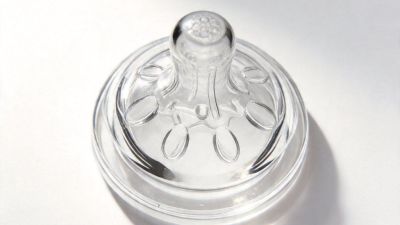
Custom wide neck silicone baby bottle nipples are designed to make feeding more comfortable for both babies and caregivers. Made from soft, food-grade, BPA-free silicone, they provide a gentle feel that supports a natural feeding experience. The wide neck shape can offer a familiar latch and fit a variety of bottle designs, while the flexible material adapts comfortably during feeding. With smooth surfaces and easy-to-clean construction, these nipples are suitable for everyday use in different baby feeding applications.

An integrated anti-colic vent system helps regulate airflow inside the bottle, which may reduce the amount of air swallowed during feeding and support a more comfortable feeding routine. The nipples are available in multiple sizes and flow rates to match different developmental stages, from slower flows for younger babies to faster options as feeding needs change. Customized configurations, including nipple shape, opening design, and packaging requirements, can also be developed for specific applications. This combination of soft silicone, adaptable flow control, and wide neck compatibility offers a practical solution for comfortable and flexible bottle feeding.

FAQS

What should I check before choosing a silicone overmolding manufacturer in China?

Review silicone grades, molding methods, bonding limits, and experience with your substrate. Ask for sample parts and dimensional reports. A polished sample can mislead.

Which substrates can silicone overmolding commonly bond with?

Manufacturers may work with PC, ABS, aluminum, or stainless steel. Confirm surface preparation, primer control, plasma treatment, and insert positioning. Bonding is not automatic.

What design details should engineers review before tooling?

Request a design-for-manufacturing review before mold construction. It should cover wall thickness, draft angles, venting, shrinkage, flash points, and demolding. Small errors matter.

Why are material specifications important in silicone overmolding?

Shore hardness, color stability, operating temperature, and skin-contact requirements affect material selection. The wrong grade may cause poor flexibility, discoloration, or weak performance.

What quality records should a reliable factory provide?

Request traceable batch records, inspection results, calibration schedules, and process-validation documents. Also review incoming material checks and nonconformance handling. Certificates alone are not enough.

How can I verify bonding and sealing performance?

Ask for peel, pull, compression, or leak-test data matching your application. Generic reports provide limited evidence. Test the real structure.

Should I visit the factory or conduct a live video audit?

Yes, when practical. Inspect mixing rooms, mold storage, clean areas, inspection stations, and operator practices. These details reveal daily discipline better than photographs.

How should I compare supplier quotations?

Compare engineering responses, tooling revisions, lead times, packaging, and contingency plans. The lowest unit price may hide weak communication or repeated mold changes. I may still underestimate that risk.

What should I expect during pilot production?

Request pilot-run samples with dimensional reports before full production. Clarify mold maintenance, engineering-change approval, and corrective-action procedures. Problems can appear after approval.

Conclusion

This article provides a practical overview of Silicone Overmolding, explaining its definition, key production stages, material compatibility, tooling requirements, and common industrial applications. It explores how silicone is molded over substrates such as plastic, metal, and electronic components to improve comfort, sealing, insulation, durability, and product performance. The article also examines why China has become a major manufacturing hub, highlighting its broad supplier network, experienced engineering workforce, flexible production capacity, advanced equipment, and competitive cost structure.

It then introduces the top 10 Chinese Silicone Overmolding manufacturers, selected according to factors such as technical expertise, quality management, production capability, customization services, reliability, and industry experience. Readers will learn about the key technologies used by leading manufacturers and receive practical guidance on choosing a suitable partner, including how to evaluate material expertise, mold design, prototyping, quality control, communication, certifications, lead times, and after-sales support.
Nathaniel

Nathaniel

Nathaniel is a dedicated marketing professional at a leading custom silicone manufacturer known for its high-quality precision silicone products. With extensive knowledge of the industry, he plays a crucial role in showcasing the company's strengths and capabilities to a global audience. Since......
Previous What Are the Top 10 Silicone Bowl Types for Global Buyers?