In today’s fast-changing world of healthcare, there's a real buzz around finding new and better medical silicone components. These tiny but crucial parts are everything when it comes to making sure medical devices are safe and work well. Big names like Dow Corning and Wacker Chemie are definitely leading the way, offering top-quality silicone materials specially made for the medical world.
That said, tracking down the perfect silicone components for medical use can actually feel pretty overwhelming. Every application seems to need something a bit different—whether it’s being compatible with the body, tough enough to last, or other specific qualities. It’s a challenge to sort through all that while also finding trustworthy suppliers. And even after you narrow down the options, you still have to make sure the manufacturer is legit and has good credentials.
Plus, there’s a little secret — a lot of folks overlook how important it is to understand how these silicone parts are actually made. Knowing the ins and outs of the manufacturing process can seriously impact the quality and performance of the final product. So, it’s super important to check both the materials used and the expertise of those making them, ’cause those things really influence safety and effectiveness in medical applications.

Overview of Medical Silicone Components in Global Markets
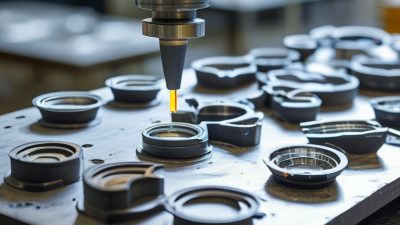
The global market for medical silicone components continues to grow. These components are essential in various applications, from medical devices to patient care. Medical Lsr Components stand out due to their versatility. They are used in seals, gaskets, and various parts of surgical tools. Their ability to withstand extreme conditions makes them highly sought after.
Manufacturers are constantly exploring new ways to improve these components. They need to ensure reliability and biocompatibility. However, challenges remain. Sourcing high-quality silicone materials can be tricky. Some suppliers may not meet international standards. This inconsistency can lead to complications in production. Buyers must conduct thorough research to find trustworthy suppliers.
The regulatory landscape is equally complex. Different regions have unique requirements and certifications. Understanding these regulations is crucial for global buyers. They must also be mindful of sustainability. The push for eco-friendly materials is changing the industry. Some manufacturers are still catching up. In contrast, others are ahead, innovating with greener alternatives. Finding the right balance is essential in this evolving market.
Key Features and Benefits of Medical-Grade Silicone Materials
Medical-grade silicone materials have gained significant traction in the healthcare industry. Their unique properties, such as biocompatibility and resistance to sterilization methods, make them ideal for various applications. Recent market research indicates that the demand for silicone components in healthcare could reach $5 billion by 2025. This growth reflects an increasing trust in silicone's safety and effectiveness.
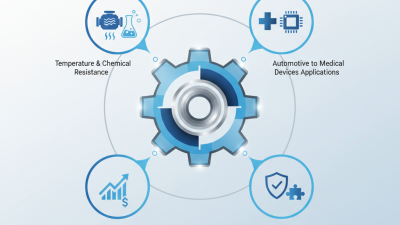
Flexibility and durability are key features of medical-grade silicone. These components can withstand extreme temperatures and harsh sterilization processes, ensuring reliability in critical medical settings. A report from the International Silicone Solutions Association notes that silicone materials have a lower risk of leaching harmful chemicals into the human body. However, it is essential to continuously evaluate the manufacturing processes of custom silicone components to maintain these standards.
Furthermore, the versatility of silicone allows for customized shapes and sizes to fit specific medical devices. This adaptability is crucial in developing innovative solutions for patient care. Despite these advancements, the industry still faces challenges regarding consistency in quality and material properties. Continuous testing and validation of medical-grade silicone are necessary to ensure they meet evolving regulatory standards.
Common Applications of Silicone Components in Healthcare Products
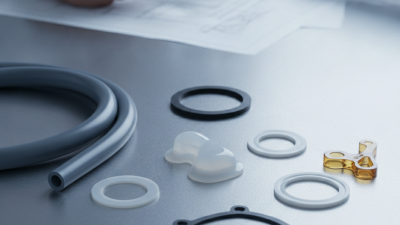
Silicone Components play a crucial role in healthcare products. They are widely used due to their biocompatibility, durability, and flexibility. In medical devices, silicone seals and gaskets ensure airtight and watertight integrity. These components are vital in devices like syringes and catheter systems. Their chemical resistance makes them ideal for applications involving harsh sterilization processes.
Another important application is in prosthetics. Silicone components provide comfort and a natural feel. They can easily conform to movements, enhancing user experience. However, not all silicone is created equal. Some formulations can degrade over time or lose their effectiveness. Quality control during manufacturing is essential.
Silicone components are also prominent in drug delivery systems. They allow controlled release of medications while maintaining stability. Nonetheless, the long-term effects of silicone in the body raise questions. Research continues to explore the best practices for usage. Understanding these complexities helps manufacturers create better healthcare products.
Top Medical Silicone Components Usage in Healthcare Products
Factors to Consider When Sourcing Medical Silicone Components
When sourcing medical silicone components, several factors deserve careful consideration. Quality is paramount. High-quality silicone must meet specific medical standards. Look for certifications that validate the material's safety for medical applications. Ignoring this aspect can lead to serious consequences.
Cost is another critical element. While it might be tempting to choose the cheapest option, remember that lower prices can compromise quality. Assess the total lifecycle costs instead of focusing solely on initial expenses. A well-made component may save money in the long run.
Supplier reliability is vital. It's beneficial to partner with suppliers known for their expertise in the medical industry. Review client feedback and past performance records. Trustworthy suppliers often demonstrate transparent communication and timely delivery. This can prevent unnecessary delays in your projects.
Top Suppliers and Manufacturers of Medical Silicone Worldwide
When searching for top suppliers and manufacturers of medical silicone worldwide, quality is paramount. Medical silicone is vital for a range of applications, from catheters to prosthetic devices. Buyers must prioritize companies with a rigorous quality control process. This ensures consistency and safety in medical applications.
Finding reliable manufacturers requires careful research. Look for companies with certifications that validate their processes. Many suppliers produce innovative silicone solutions tailored for the healthcare industry. Collaborating with experienced manufacturers can lead to significant improvements in product performance.
However, not all suppliers meet the same standards. Some may lack transparency in their sourcing and manufacturing processes. It is essential to question their reliability and verify claims. Seek out companies known for their expertise in silicone technology. Engaging with experienced suppliers helps mitigate risks.
Regulatory Compliance and Standards for Medical Silicone Products
Regulatory compliance in the medical silicone industry is essential. It ensures safety and effectiveness in healthcare applications. Various standards govern silicone products, including ISO 13485. This standard focuses on quality management systems for medical devices. Compliance with this standard builds trust.
The market for medical silicone components is projected to grow significantly. Industry reports predict a compound annual growth rate (CAGR) of 8.1% by 2027. This growth reflects increased demand for Silicone Overmolded Components. These components enhance product durability and functionality, making them popular among manufacturers.
Tips: Always verify certification and compliance levels. Look for vendors that provide clear documentation. Additionally, stay updated on regulatory changes globally. Adapting swiftly can drive competitive advantage. Finally, consider testing protocols. They help ensure that products meet the necessary safety and quality benchmarks.
Top Medical Silicone Components for Global Buyers Searching
| Component Type |
Material Standards |
Regulatory Compliance |
Applications |
Certifications |
| Sealing Gaskets |
ISO 10993 |
FDA, EU MDR |
Medical Devices, Lab Equipment |
ISO 13485 |
| Medical Tubing |
USP Class VI |
FDA, ISO 13485 |
IV Sets, Catheters |
ISO 9001 |
| Molds & Inserts |
ISO 10993 |
FDA, CE Marking |
Surgical Instruments, Diagnostic Tools |
UL Certification |
| Silicone Elastomers |
ISO 10993, USP Class VI |
FDA, ISO 13485 |
Prosthetics, Implantables |
ISO 9001 |
| Coatings |
ISO 10993 |
FDA, EU MDR |
Medical Instruments, Devices |
ISO 13485 |
Future Trends in Medical Silicone Technologies and Innovations
The future of medical silicone technologies holds great promise for innovation. Recent industry reports show that the global medical silicone market is expected to reach over $4 billion by 2027, driven by advancements in biocompatibility and manufacturing processes. Healthcare facilities increasingly demand materials that enhance patient safety and comfort. Silicone’s flexibility, durability, and resistance to temperature extremes make it a top choice.
One emerging trend is the integration of antimicrobial properties into silicone components. This innovation may help reduce the risk of infections associated with medical devices. Experts predict that market players will focus on creating customized solutions that meet specific regulatory standards. However, the challenge lies in balancing cost-effectiveness with cutting-edge technology. Not all manufacturers can achieve this equilibrium, leading to inconsistencies in product quality.
Additionally, sustainability is becoming a crucial consideration. As environmental concerns rise, there's pressure to develop eco-friendly silicone materials. The industry must adapt to changing regulations and consumer expectations. Not all current solutions are fully sustainable, and this gap presents opportunities for growth and improvement. Collaboration between manufacturers, researchers, and healthcare professionals is vital in driving these innovations forward.
Enhancing Elderly Nutrition: Utilizing Food Grade Silicone Adult Bibs for Improved Meal Support in Senior Care – A Review of Market Trends and Usage Data
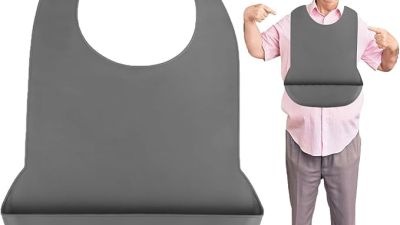
The nutrition of elderly individuals is a crucial aspect of their overall health, as proper dietary habits can greatly affect their quality of life. Recent market trends indicate a growing demand for innovative solutions aimed at improving mealtime experiences for seniors. A notable product in this segment is the food-grade silicone adult bib, specifically designed to enhance meal support in senior care. Such bibs not only improve independence during dining but also reduce the stress associated with mealtimes, which can be a significant concern for caregivers.
The adult bibs made from soft, food-grade silicone offer several advantages. They are waterproof and easy to clean, making them practical for daily use. The deep food catcher pocket further enhances usability, ensuring that spills and messes are minimized. According to industry studies, products enhancing mealtime support have shown a 30% increase in user satisfaction among caregivers and an improvement in the eating experience for seniors. These bibs not only serve as protective wear but also promote a sense of dignity and self-sufficiency during meals.
As the population ages, the demand for such adaptive tools is expected to continue rising. A report by the Global Market Insights Group highlighted an anticipated growth rate of 5.7% in the elder care market over the next five years. This reflects a general shift towards integrating practical and supportive products into daily care routines, aiming not only to meet the physical needs of elderly individuals but also to enhance their emotional well-being during mealtime. The versatility and functionality of silicone adult bibs represent just one of the many advancements being made to support elderly nutrition in a caring and respectful manner.
FAQS
: Quality is paramount. Ensure the silicone meets medical standards and has the necessary certifications.
Focus on total lifecycle costs, not just the initial price. Higher quality components can save money over time.
Reliable suppliers ensure consistent quality and timely delivery, preventing project delays and potential issues.
Review client feedback and past performance. Transparency in communication is a good indicator of reliability.
Look for certifications that confirm the material’s safety and compliance with medical standards.
No, some may lack transparency in sourcing and manufacturing. Research is essential to find reputable suppliers.
Conclusion
Medical silicone components play a crucial role in the healthcare sector, offering a range of advantages such as biocompatibility, flexibility, and durability. This article outlines the essential features of medical-grade silicone materials and highlights their common applications in medical devices, ranging from implants to seals and gaskets. As global buyers seek to source these components, understanding factors like regulatory compliance and industry standards becomes vital to ensuring quality and safety.
Additionally, the article discusses the top suppliers and manufacturers in the market, providing insights into sourcing strategies. With advancements in technology, future trends in medical silicone innovations are also presented, emphasizing the potential for enhanced performance and functionality in healthcare products. Overall, the growing demand for medical silicone components reflects their indispensable role in modern medical applications.