You know, these days in healthcare, the demand for Medical Silicone components is really picking up. I mean, global buyers are on the lookout for top-notch, reliable materials for all sorts of uses. Companies like Wacker Chemie and Dow are doing a good job offering innovative solutions that actually meet the strict industry standards. Their products are pretty much essential—think surgical tools, medical devices, even prosthetics.
That said, finding the right Medical Silicone components isn’t exactly a walk in the park. Tons of manufacturers out there make promises about quality, but sadly, not everyone actually follows through. It’s really important to pay attention to things like compliance with regulations and certifications when you’re choosing suppliers. Partnering with companies that have a solid track record for reliability is definitely the way to go.
Some folks might overlook smaller providers, thinking they don’t have the expertise or resources. But honestly, these emerging companies can sometimes offer fresh ideas and more competitive prices. A smart approach could be mixing well-established brands with newer players—they might surprise you! The market’s pretty huge, but if you’re well-informed, it can lead to better sourcing choices for sure.

Overview of Medical Silicone Components in Today’s Market
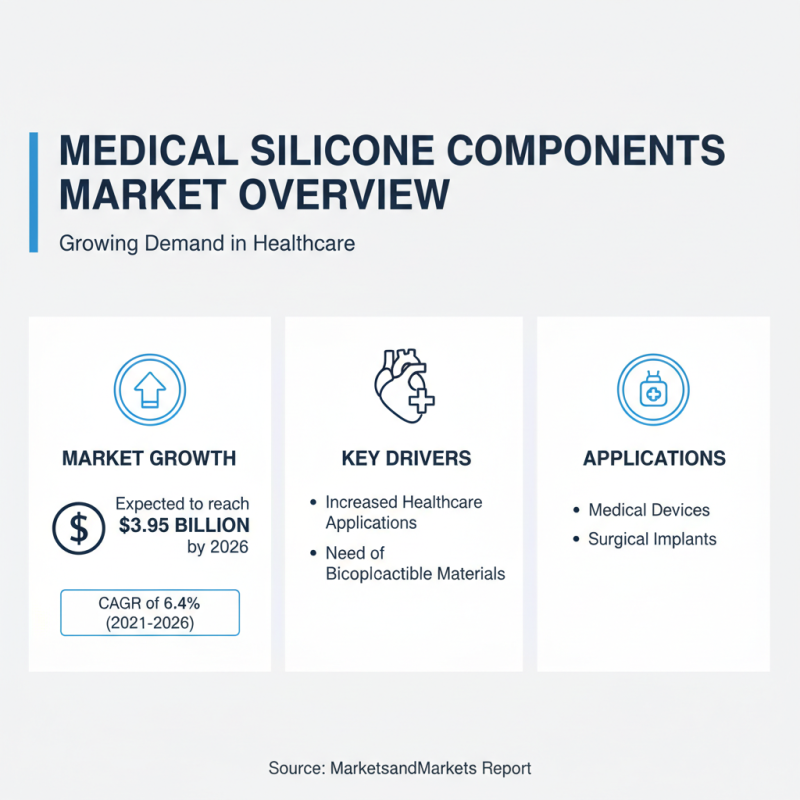
The medical silicone components market has seen significant growth in recent years, driven by increased demand for healthcare applications. According to a report by MarketsandMarkets, the global medical silicone market is expected to reach $3.95 billion by 2026, growing at a CAGR of 6.4%. This surge reflects the growing need for biocompatible materials in medical devices and surgical applications.
One of the crucial factors contributing to this trend is the versatile properties of medical silicone. These materials exhibit excellent chemical stability, high strength, and flexibility. They are used in various products, including tubing, seals, and gaskets. Notably, their resistance to temperature extremes ensures reliable performance in diverse medical environments. The report also highlights that the Asia-Pacific region is projected to witness the fastest growth, fueled by rising healthcare expenditures.
Despite these advancements, challenges persist. Manufacturing processes for medical silicone often face stringent regulatory scrutiny. Ensuring compliance with ISO standards is critical. Many companies struggle with this complexity, potentially delaying product launches. Additionally, sourcing raw silicone materials can be inconsistent, impacting production schedules. These factors necessitate ongoing refinements in operational strategies for industry players.
Key Properties of Medical-Grade Silicone for Healthcare Applications
Medical-grade silicone has become essential in healthcare due to its unique properties. Its biocompatibility makes it safe for contact with human tissue. Additionally, silicone is durable and resistant to extreme temperatures. This resilience means it maintains performance even in challenging conditions. For example, it can withstand sterilization processes, ensuring hygiene.
One key aspect of medical silicone is its flexibility. This characteristic allows for various applications, from implants to tubing. However, it’s important to note that not all silicone products are equal. Different formulations may vary in their performance. Understanding these differences is crucial for selecting the right material. There is still much to learn about optimizing silicone use in healthcare.
The transparency of medical-grade silicone is another valuable property, allowing for easy monitoring of fluids or other substances. Yet, despite its advantages, challenges remain. Manufacturers must ensure consistent quality and adherence to regulations. This dynamic landscape requires ongoing research and innovation to address issues. It's a journey of progress and reflection in the healthcare sector.
Top Medical Silicone Components for Global Buyers Today
The chart above illustrates the key properties of Medical-Grade Silicone that global buyers consider essential for healthcare applications. Durability and flexibility are prominent features, while biocompatibility stands out as crucial for safety in medical devices.
Types of Medical Silicone Components: A Detailed Analysis
Medical silicone components play a crucial role in healthcare. They are widely used in various applications, such as surgical tools, implants, and
Medical Tubes.
These components are beneficial due to their biocompatibility, durability, and flexibility.
Various types of medical silicone components exist, each catering to specific needs. Silicone rubber is common in medical tubes.
It is resistant to extreme temperatures and chemicals. This feature enhances patient safety during procedures.
Additionally, silicone gaskets offer reliable sealing solutions in medical devices, preventing contamination.
However, challenges remain. The manufacturing processes can sometimes lead to inconsistencies. Quality control is essential to ensure reliability.
Some manufacturers may not adhere to strict medical standards, leading to potential risks.
Continuous improvement in production methods is necessary for optimal safety and performance.
Global Demand Trends for Medical Silicone Components in 2023
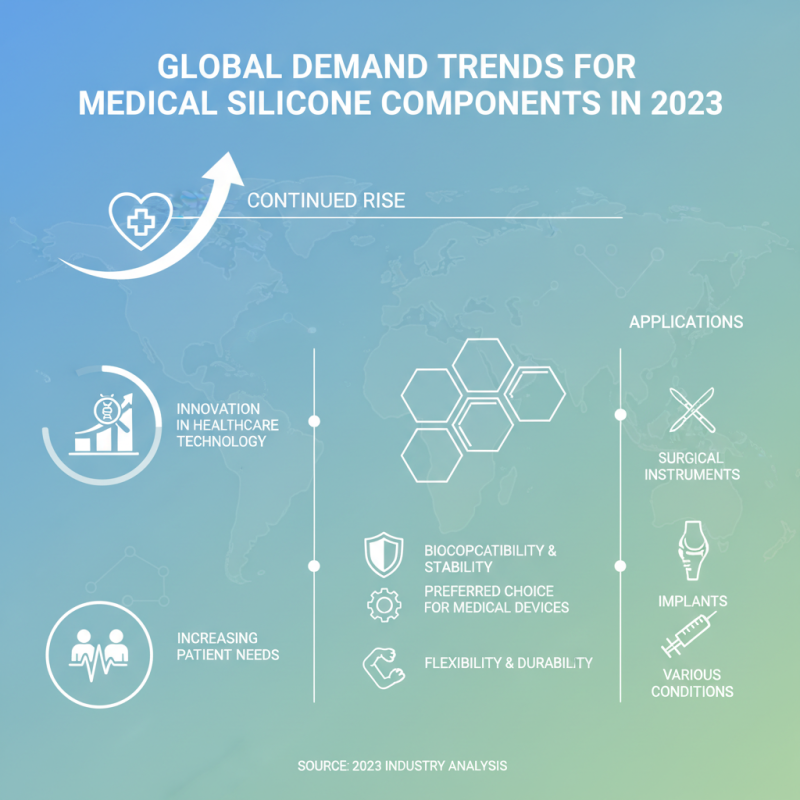
In 2023, global demand for medical silicone components continues to rise. This trend reflects the ongoing innovation in healthcare technology and increasing patient needs. Silicone's biocompatibility and stability make it a preferred choice for medical devices. Its applications span from surgical instruments to implants, providing flexibility and durability under various conditions.
One key insight about this market is the growing emphasis on sustainable practices. Manufacturers are exploring eco-friendly materials without compromising quality. This shift not only meets market demands but also addresses environmental concerns. As more companies invest in sustainable production, the reputation and trustworthiness of these brands strengthen.
Tip: Always check the material safety data sheets. Understanding the properties of silicone components is vital. Transparency about product performance is essential for building strong client relationships. Regular updates and continuous learning within the industry lead to better decision-making.
Adapting to the evolving needs of healthcare while ensuring safety and efficacy is increasingly challenging. Companies must focus on innovation and comply with regulatory standards. Finding the right balance between cost and quality can be difficult yet crucial in maintaining competitiveness.
Major Manufacturers and Suppliers of Medical Silicone Products
In the realm of medical silicone products, various manufacturers stand out due to their expertise and reliability. These suppliers specialize in a wide range of applications, ensuring high-quality components that meet strict medical standards. Key offerings include components for medical devices, surgical instruments, and diagnostics. One significant innovation is the use of Medical Gas Hoses, which play a crucial role in delivering essential gases safely in clinical environments.
The competition among manufacturers fosters innovation, yet it sometimes leads to quality inconsistencies. Suppliers must prioritize rigorous testing and quality control. Many manufacturers invest in research and development to stay ahead, but not all succeed. It’s vital for buyers to thoroughly vet suppliers, considering their track records and reputations.
Furthermore, the demand for medical silicone continues to rise worldwide. This trend places pressure on manufacturers to scale up production while maintaining quality. Some may rush processes, leading to potential setbacks. Striking a balance between efficiency, quality, and safety remains a challenge. Thus, informed purchasing decisions become paramount for global buyers navigating this complex landscape.
Challenges Facing the Medical Silicone Component Industry
The medical silicone component industry faces several significant challenges today. Issues like compliance with stringent regulations can slow down product development. Manufacturers must ensure their components meet safety standards, creating a complex landscape. This often results in delays and increased costs.
Additionally, sourcing high-quality raw materials is becoming increasingly difficult. The demand for silicone products, such as the Silicone Bra, is rising globally. However, the supply chain disruptions can lead to inconsistent material quality. This inconsistency affects the final product's reliability, which is critical in medical applications.
When venturing into this market, it’s important to keep a few tips in mind. Stay updated on regulatory changes. Understanding these rules can streamline the development process. Collaboration with reliable suppliers can mitigate quality issues. Invest in quality control measures to ensure your components remain compliant. Engaging with experts in the field can also provide valuable insights.
Future Innovations and Trends in Medical Silicone Technology
The medical silicone industry is experiencing remarkable growth, driven by advancements in technology and increasing demand for biocompatible materials. In 2022, the global medical silicone market was valued at approximately $6.2 billion and is projected to reach $10.2 billion by 2030, according to a recent market report. This growth highlights the increasing reliance on silicone components in the healthcare sector, from implants to devices like the Silicone Bag.
Future innovations in medical silicone technology are anticipated to focus on improved flexibility and strength. Researchers are exploring new formulations that enhance the durability and performance of silicone. For instance, the development of silicone with antimicrobial properties is gaining attention. This innovation addresses concerns about infection control in medical settings. The application of these advanced materials in applications like wound dressings and catheters could significantly reduce complications.
However, challenges remain in the adoption of these technologies. Manufacturers must ensure that new silicone products meet stringent regulatory requirements. These regulations are designed to ensure safety and efficacy, but they can also slow down the introduction of new materials. Additionally, as the market expands, there is a risk of supply chain disruptions affecting production. The evolving landscape requires continuous adaptation and innovation.
Top Medical Silicone Components for Global Buyers Today
| Component Type |
Application Area |
Advantages |
Trends & Innovations |
Market Demand (2023) |
| Silicone Gaskets |
Medical Devices |
High flexibility, Chemical resistance |
Biocompatibility advancements |
High |
| Silicone Tubing |
Fluid Handling |
Non-toxicity, High durability |
3D printing applications |
Moderate |
| Silicone Molds |
Surgical Instruments |
Precision, Cost-effective |
Customizable designs |
High |
| Silicone Sealants |
Device Assembly |
Waterproof, Wide temperature range |
Sustainable formulations |
Moderate |
| Silicone Adhesives |
Device Manufacturing |
Strong bonding, Flexibility |
Smart manufacturing trends |
High |
Exploring the Impact of Custom Food Grade Baking Molds on the Healthy Baking Market: Trends and Innovations
The healthy baking market is witnessing a transformative shift, driven by the introduction of custom food-grade baking molds. These innovative molds are not only designed to enhance the baking experience but also cater to the growing demand for health-conscious baking solutions. By utilizing high-quality, eco-friendly materials, these molds provide a safe and reliable option for home bakers and professional pastry chefs alike. Their ability to withstand extreme temperatures makes them suitable for various baking methods, ensuring that users achieve consistent results whether in an oven, microwave, or refrigerator.
With a growing focus on sustainability and food safety, the trend towards custom molds reflects a broader movement within the culinary industry. These molds often feature advanced designs that enhance the release of baked goods, reducing the need for excess fats or oils. As consumers seek healthier alternatives, the adoption of these innovative baking tools can facilitate a shift towards lower-calorie and nutrient-rich baked items. By prioritizing performance and user experience, the development of food-grade molds represents a significant step forward in meeting the needs of today’s conscious bakers, ultimately contributing to a more health-oriented baking culture.
FAQS
: They are used in surgical tools, implants, and medical tubes.
Silicone is biocompatible, durable, and flexible.
Inconsistencies in manufacturing and adherence to medical standards can be issues.
Silicone rubber resists extreme temperatures and chemicals, enhancing patient safety.
There is a growing demand due to innovations and increasing patient needs.
Companies are exploring sustainable practices without compromising quality.
It ensures reliability and minimizes potential risks in medical devices.
Always review the material safety data sheets for product performance insights.
Focus on innovation while complying with regulatory standards.
Balancing cost and quality can be challenging but is crucial for competitiveness.
Conclusion
The article explores the current landscape of Medical Silicone Components, highlighting their essential role in healthcare applications. It begins with an overview of these components, emphasizing key properties that make medical-grade silicone ideal for various medical uses, such as biocompatibility, durability, and flexibility. A detailed analysis of different types of Medical Silicone Components follows, showcasing their diverse applications in medical devices.
The discussion extends to global demand trends in 2023, illustrating how the market is evolving due to technological advancements and increased healthcare needs. Additionally, it addresses the significant challenges faced by the industry, including supply chain issues and regulatory hurdles. Finally, the article looks towards the future, outlining potential innovations and trends that could shape the development of Medical Silicone Components, aiming to enhance patient care and safety in healthcare settings.