- Home
- Products
- Company
- Case Study
- News
- Contact Us
Leave Your Message
Choosing a reliable Silicone Parts Manufacturer requires more than comparing product prices. Global buyers need evidence of process control, material consistency, and dependable communication. This guide examines ten established suppliers serving industries such as medical equipment, food processing, automotive systems, electronics, and industrial machinery.
Each company is considered through practical buyer criteria. These include silicone formulation experience, molding accuracy, prototype support, quality inspection, and production capacity. Certifications are also reviewed, including ISO 9001 or industry-specific standards where applicable. Buyers should still verify current certificates directly. Standards can change.
A capable supplier should explain hardness options, temperature resistance, tear strength, and compression set in clear technical language. It should also provide samples, dimensional reports, and traceability documents before mass production. For tubing applications, a silicone tube manufacturer must demonstrate clean extrusion, stable inner diameters, and suitable surface finishes. Small details matter.
However, no supplier is perfect for every project. A company with excellent medical experience may not offer the best solution for high-volume automotive parts. Some websites also present impressive claims without enough supporting evidence. That deserves a closer look.
The manufacturers in this selection are compared for technical capability, communication quality, customization options, and delivery reliability. Their performance may vary by region, order volume, and material requirements. Readers should request updated quotations and test samples before making a final decision. Careful verification remains essential.
What Makes a Silicone Parts Manufacturer Industry-Leading
An industry-leading silicone parts manufacturer does more than press rubber into a mold. It understands how hardness, temperature, compression, and chemical exposure affect real products. Experienced engineers review drawings before production and question unclear tolerances. That practical step can prevent leaks, deformation, and costly tooling changes. Strong manufacturers also support material selection, choosing silicone grades for medical, food-contact, electrical, or industrial use. Documentation matters. Reliable records should connect each batch to tested raw materials, production settings, and inspection results.
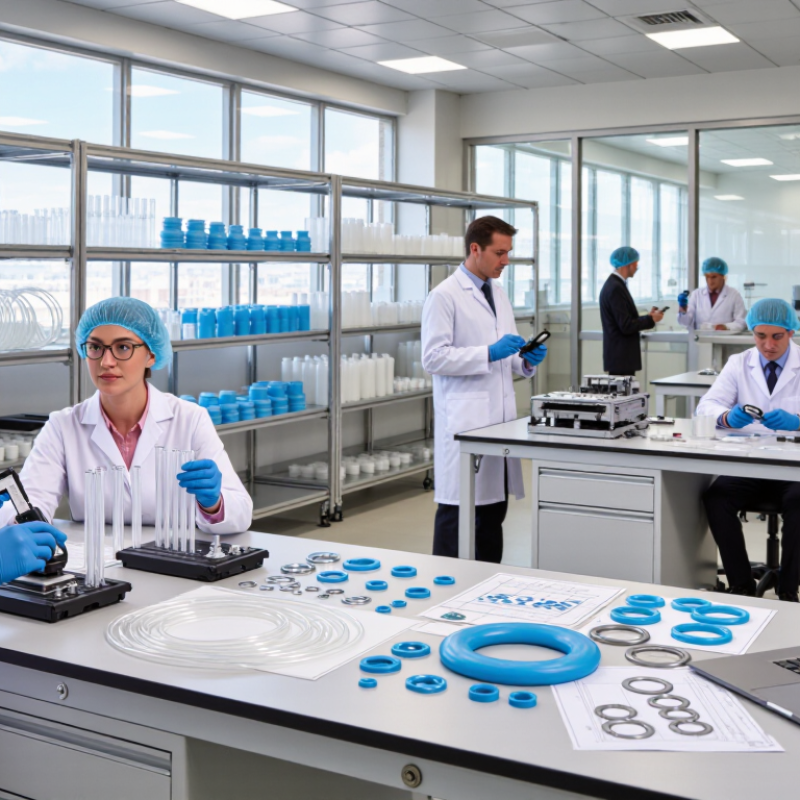
Quality must be visible on the factory floor. Look for controlled mixing, clean molding areas, calibrated measuring tools, and trained inspectors. A dependable supplier checks flash, dimensions, surface defects, and sealing performance. It should provide inspection reports rather than vague promises. Capacity is important, but fast output without process control creates risk. In my experience, communication can reveal more than impressive equipment. Clear samples, realistic lead times, and honest responses to design problems usually indicate mature operations. No supplier is perfect. Even a capable team may miss an issue during an early trial, so corrective action and transparent reporting are essential.
Tips: Request a production sample before approving mass manufacturing. Ask for material certificates, tolerance data, and test methods. Check whether the supplier can repeat the same result across several batches. Small details matter. Also, confirm packaging quality, especially for thin seals and precision parts. A damaged edge can ruin an otherwise well-made component.
| Rank | Anonymous Manufacturer Profile | Primary Silicone Processes | Typical Part Tolerance | Available Hardness Range | Material Traceability | Quality Certifications | Regulatory / Compliance Support | Cleanroom Capability | Prototype Lead Time | Production Lead Time | Global-Buyer Strength | Industry-Leading Score |
|---|---|---|---|---|---|---|---|---|---|---|---|---|
| 1 | Manufacturer Profile 01 | Compression, injection, LSR, extrusion | ±0.05 mm to ±0.15 mm | 10A–80A Shore | Batch-level records | ISO 9001; ISO 13485 | FDA 21 CFR 177.2600; EU food-contact documentation | ISO Class 7 assembly area | 7–12 days | 3–6 weeks | Strong export documentation and multilingual technical support | 9.6 / 10 |
| 2 | Manufacturer Profile 02 | Compression, transfer, injection, extrusion | ±0.08 mm to ±0.20 mm | 20A–90A Shore | Batch and compound traceability | ISO 9001; IATF 16949 | Automotive PPAP and material test support | Controlled production environment | 8–14 days | 4–7 weeks | Strong automotive and industrial documentation systems | 9.4 / 10 |
| 3 | Manufacturer Profile 03 | LSR injection, micro-molding, overmolding | ±0.03 mm to ±0.12 mm | 10A–70A Shore | Digital lot tracking | ISO 13485; ISO 9001 | Medical-grade silicone and biocompatibility test coordination | ISO Class 7 molding and assembly | 10–18 days | 5–8 weeks | Strong medical-device engineering and validation support | 9.3 / 10 |
| 4 | Manufacturer Profile 04 | Compression, transfer, injection, splicing | ±0.05 mm to ±0.18 mm | 20A–85A Shore | Supplier and batch records | ISO 9001; ISO 14001 | RoHS, REACH, and conflict-minerals documentation | Controlled assembly area | 7–15 days | 3–6 weeks | Balanced cost, capacity, and international shipping capability | 9.1 / 10 |
| 5 | Manufacturer Profile 05 | Extrusion, continuous profiles, sponge silicone | ±0.10 mm to ±0.25 mm | 20A–80A Shore | Compound and production-lot records | ISO 9001 | Food-contact and high-temperature material documentation | Controlled packing area | 10–16 days | 4–7 weeks | Strong profile-development and long-length extrusion capability | 8.9 / 10 |
| 6 | Manufacturer Profile 06 | Compression, liquid silicone, two-shot molding | ±0.06 mm to ±0.18 mm | 10A–80A Shore | Material certificates available | ISO 9001; ISO 13485 in selected operations | FDA and EU material compliance support | ISO Class 8 molding area | 8–15 days | 4–8 weeks | Good fit for consumer products and medium-volume programs | 8.7 / 10 |
| 7 | Manufacturer Profile 07 | Compression, transfer, silicone foam, bonding | ±0.08 mm to ±0.25 mm | 15A–75A Shore | Standard lot records | ISO 9001 | RoHS and REACH declarations | Controlled production zone | 7–14 days | 3–6 weeks | Competitive for industrial seals and custom gasket programs | 8.5 / 10 |
| 8 | Manufacturer Profile 08 | LSR injection, insert molding, micro-components | ±0.04 mm to ±0.15 mm | 10A–70A Shore | Barcode-based lot tracking | ISO 9001; ISO 13485 planned or scope-limited | Biocompatibility and sterilization test coordination | ISO Class 8 molding area | 12–20 days | 5–9 weeks | Good technical fit for small precision components | 8.4 / 10 |
| 9 | Manufacturer Profile 09 | Compression, injection, overmolding, assembly | ±0.08 mm to ±0.22 mm | 20A–90A Shore | Available on request | ISO 9001; ISO 14001 | RoHS, REACH, and standard export compliance files | Controlled assembly area | 10–18 days | 4–8 weeks | Flexible for assemblies, kits, and private-label component supply | 8.2 / 10 |
| 10 | Manufacturer Profile 10 | Compression, extrusion, die-cut silicone sheet | ±0.10 mm to ±0.30 mm | 20A–85A Shore | Production-lot records | ISO 9001 | Basic RoHS and REACH documentation | Standard controlled production area | 8–16 days | 3–7 weeks | Suitable for standard seals, sheets, pads, and general industrial parts | 8.0 / 10 |
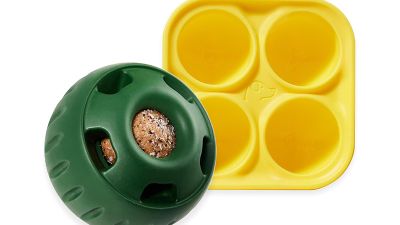
Silicone pet treat molds and custom dog lick mats are becoming essential tools for creating engaging, enriching feeding experiences. As pet owners increasingly seek durable, hygienic, and reusable accessories, manufacturers need products that combine practical design with dependable performance. Our OEM factory develops high-quality silicone solutions for treat preparation, slow feeding, enrichment, and interactive play, helping businesses respond to evolving market demand.
Whether you have a technical drawing, product concept, or physical sample, our engineering team can turn your idea into a precise finished product. We support custom shapes, textures, sizes, colors, logos, and packaging requirements for dog lick mats and silicone treat molds. Each item is produced with carefully selected pet-safe silicone, offering flexibility, easy cleaning, resistance to everyday wear, and a comfortable surface for pets. From textured mats that encourage slower licking to creative molds for homemade snacks, every detail can be tailored to your target users and sales channels.
Our streamlined OEM process covers mold development, sampling, production, and quality inspection, allowing customers to move efficiently from concept to commercial product. With consistent manufacturing standards and attention to functional details, we help create silicone pet accessories that are attractive, practical, and suitable for repeated daily use.
It combines engineering judgment, stable production, clear documentation, and honest communication. Small details matter. It reviews drawings before tooling and questions unclear tolerances.
Thin walls, sharp corners, and undercuts can cause molding problems. Early review may prevent leaks, distortion, and expensive tooling changes.
Selection depends on hardness, temperature, compression, and chemical exposure. The intended use also matters. Medical, food-contact, electrical, and industrial parts may need different silicone grades.
Records should connect each batch with raw materials, production settings, and inspection results. Ask for material certificates, tolerance data, and test methods. Vague promises are not enough.
Look for controlled mixing, clean molding areas, calibrated tools, and trained inspectors. Inspectors should check flash, dimensions, surface defects, and sealing performance.
Test hardness, surface finish, curing, compression set, tear resistance, and dimensional stability. Check fit under realistic temperatures. A beautiful sample can still fail after repeated compression.
Review mold maintenance, curing consistency, flash removal, inspection plans, and batch traceability. Compare several batches. Capacity alone proves little.
Request a production sample and review pilot-run data. Check defect rates, cycle times, packaging damage, and actual delivery performance. Keep approved samples for comparison. Mistakes can still happen.
Choosing the right Silicone Parts Manufacturer is essential for global buyers seeking dependable quality, competitive pricing, and consistent delivery. An industry-leading supplier should offer a broad selection of silicone materials and grades, advanced molding and processing capabilities, strict quality control, and certifications that support international supply requirements. Buyers should evaluate production capacity, technical expertise, communication, export experience, lead times, and the manufacturer’s ability to meet industry-specific performance standards.
A reliable supplier should also provide practical support throughout the product lifecycle, including design consultation, material selection, prototyping, tooling, testing, and large-scale production. When comparing potential manufacturers, consider product quality, certification coverage, pricing transparency, minimum order quantities, production flexibility, and after-sales service. Before making a decision, ask about customization options, inspection procedures, sample approval, delivery schedules, packaging, and how quality issues are handled. A careful comparison of these factors can help international buyers build a stable, efficient, and long-term silicone parts supply chain.