Why go with Medical Rubber Tube for global sourcing? Honestly, it starts with dependable performance—not just a cheaper price tag. If the material fits the job, Medical Rubber Tube can handle fluid transfer, drainage, breathing support, lab work, and more. Flexibility matters when you're bending it. Surface quality matters when it's time to clean. And dimensional stability? That matters big time when every connection has to fit tight and stay put.
Good sourcing teams don't just glance at samples. They dig into material composition, biocompatibility evidence, sterilization compatibility, production controls, and batch traceability. Depending on what you're making, suppliers might hand over docs tied to ISO 13485, ISO 10993, or relevant pharmacopeial requirements. But here's the thing: those standards don't replace product-specific evaluation. They help guide it. A responsible supplier should also spell out hardness, wall thickness, tolerances, packaging, and shelf-life data clearly—no vague hand-waving.
Global sourcing brings its own headaches. Shipping conditions can mess with packaging integrity. Different markets may want different technical files. Communication gaps can slow approvals down. And small details? They get expensive fast. A qualified manufacturer can help with prototype testing, inspection plans, and corrective action when results drift out of spec. Still, let's be real: no sourcing decision is perfect. A shiny sample can hide inconsistent production. We should admit that. Supplier audits, incoming inspection, and periodic testing are still necessary. The best Medical Rubber Tube program blends engineering judgment with documented evidence. It also leaves room for review, because clinical needs, regulations, and production volumes can change. Reliability is built over time—not promised in one meeting.
What Is Medical Rubber Tube?
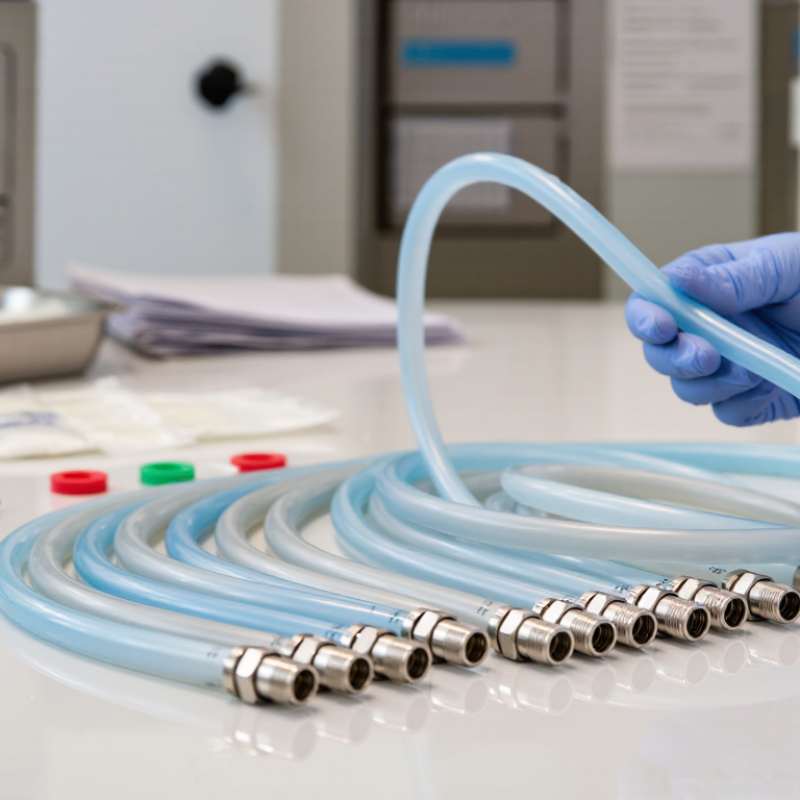
Medical rubber tube is a flexible, hollow component designed to transport fluids, air, or gases in healthcare equipment. It commonly uses silicone or other medical-grade elastomers. Unlike ordinary industrial tubing, it must meet strict requirements for biocompatibility, flexibility, cleanliness, and chemical stability. Its inner surface should support smooth flow and reduce residue retention during use.
In practical applications, engineers examine wall thickness, inner diameter, bend radius, tensile strength, and compression recovery. silicone rubber medical parts often serve in feeding systems, drainage devices, laboratory instruments, and peristaltic pumps. The material must also tolerate the intended sterilization method, such as steam, radiation, or chemical processing. Not every tube suits every method.
Appearance is not enough. A clear tube may still contain extractable substances or show inconsistent dimensions between production lots. Reliable sourcing should include material documentation, inspection records, traceability, and testing based on the final application. Standards such as ISO 10993 may guide biological evaluation, but the correct testing depends on contact type and duration. Small details matter. A tube that kinks during use can interrupt flow, even when its laboratory results look acceptable. Selecting the right medical rubber tube requires reviewing both technical data and actual handling conditions.
Key Materials Used in Medical Rubber Tubing
Global sourcing for medical rubber tubing depends on material choice, not appearance alone. In clinical assemblies, tubes may carry fluids, gases, or medication solutions. Their inner surfaces must resist absorption and unwanted release. Silicone rubber remains popular because it is flexible, cleanable, and stable across broad temperature ranges. It also performs well where repeated bending is expected. However, silicone can be more permeable to gases than other elastomers. That detail matters in controlled delivery systems.
Natural rubber offers excellent elasticity and tear resistance. Yet its latex proteins may create sensitivity concerns for some applications. Manufacturers must confirm suitable grades and documented biocompatibility. Evidence should include testing aligned with ISO 10993 and applicable pharmacopeial requirements. EPDM handles heat, ozone, and many water-based fluids effectively. It is less suitable for oils and hydrocarbon-based substances. Butyl rubber provides strong gas retention and low permeability. It can support inflation cuffs and selected fluid pathways.
Thermoplastic elastomers can simplify processing and support efficient sourcing. Some grades allow reprocessable manufacturing scrap, where regulations permit. Their performance varies widely, so “medical grade” is not enough. Review hardness, tensile strength, compression set, and sterilization compatibility. In production reviews, one recurring surprise is post-assembly kinking. A tube may look perfect initially. Test samples under real pressure and cleaning cycles. Check extractables, leachables, dimensional stability, storage effects, batch traceability, and independent verification before approval.
Essential Safety and Performance Requirements
Why Choose Medical Rubber Tube for Global Sourcing?
Essential Safety and Performance Requirements
Medical rubber tubing must protect the fluid path, not merely bend smoothly. During sourcing, evaluate biocompatibility, tensile strength, compression recovery, sterilization resistance, and particle release. ISO 10993 testing helps assess biological risks from patient-contact materials. ISO 10993-18 also supports chemical characterization of potential extractables. These checks matter when tubing touches medication, blood, or respiratory gases.
Performance failures often appear after repeated use. A tube may harden after steam exposure, collapse under suction, or develop tiny cracks near connectors. WHO’s 2022 Global Report on Infection Prevention and Control estimates that 7 in 100 acute-care patients in high-income countries acquire healthcare-associated infections. Tubing is not the only cause, but poor material control can increase contamination risks. Test prototypes under real cycles, including bending, pressure, temperature, and cleaning conditions. A perfect specification does not exist. I sometimes see teams trust certificates too quickly.
Tips:
Request lot-based test records, not only a supplier declaration. Check USP and results when relevant. Measure inner diameter after sterilization. Inspect a clear sample under magnification. Confirm packaging protects against dust, moisture, and deformation. If a rubber keypad sits near the tube assembly, verify that its elastomer and pigments cannot transfer onto medical surfaces. Document every change in formulation, tooling, and sterilization method. Small changes matter.
Applications Across Healthcare and Medical Devices
Medical rubber tube is widely used across healthcare and medical devices because it combines flexibility, resilience, and controlled fluid movement. In infusion assemblies, it helps connect components without sharp bends. In peristaltic pumps, repeated compression tests the tube’s recovery and wall strength. Drainage systems, respiratory equipment, laboratory instruments, and catheter-related devices may also require carefully engineered rubber tubing.
Material selection depends on more than softness. Engineers review chemical compatibility, temperature range, tensile strength, inner diameter, and sterilization exposure. A tube carrying medication needs different performance from one used for air or drainage. During global sourcing, request batch records, dimensional reports, biocompatibility evidence, and traceability documents. Supplier audits and sample testing can reveal problems that photographs cannot.
Tips: Define the fluid, pressure, temperature, and sterilization method before requesting quotes. Check tolerance data on several production lots. Confirm packaging protects the tube from dust, sunlight, and deformation. Keep communication technical and documented.
No tube is perfect. Some rubber compounds become less elastic after repeated sterilization. Others may absorb certain fluids or develop surface changes over time. Practical validation should include aging, kink resistance, leak testing, and real-use simulation. A lower purchase price can become expensive when inconsistent tubing delays assembly or creates field complaints.
Benefits of Global Sourcing for Medical Rubber Tubes
Global sourcing can improve the supply of medical rubber tubes when quality controls remain consistent. Buyers can compare manufacturers across regions, production capacities, material expertise, and delivery records. This wider market often creates better pricing without forcing hospitals to accept weaker specifications.
Experienced sourcing teams examine silicone, EPDM, and other suitable elastomers according to the tube’s intended use. They review dimensional tolerances, sterilization compatibility, tensile strength, and extractables data. A reliable supplier should provide batch records, inspection reports, traceability documents, and samples before production begins.
Small details matter. A tube that kinks beside a pump can interrupt fluid delivery.
Global sourcing also supports supply continuity. Qualified suppliers in different regions can reduce dependence on one factory or transport route. However, distance adds complexity. Customs procedures, language differences, packaging standards, and unexpected delays require careful planning.
A low quotation may hide higher testing or freight costs. That deserves a second review.
Factory audits and independent testing can strengthen confidence, especially for products used near patients. Buyers may also coordinate related molded rubber components, such as a custom rubber keypad for diagnostic equipment, through a specialized sourcing program. The products differ, but documentation discipline should remain the same. Not every supplier with attractive samples can maintain stable quality at volume. This is where honest evaluation matters.
How to Evaluate International Medical Tube Suppliers
Why Choose Medical Rubber Tube for Global Sourcing?
Selecting an international medical tube supplier requires more than comparing prices. Start with material traceability, production controls, and documented testing. Ask for the rubber grade, hardness range, and sterilization compatibility. A reliable supplier should provide batch records and certificates from recognized laboratories. Check whether the facility follows a quality system such as ISO 13485. Also review how it manages nonconforming products. Small process gaps can create serious delivery problems.
Request samples before signing a large contract. Examine the tube surface under bright light. Look for bubbles, uneven walls, weak seams, or inconsistent color. Measure inner diameter and tensile performance against your specification. If the tube connects with a custom rubber seal, test the full assembly, not only separate parts. Pressure cycling and aging tests can reveal leaks that a visual inspection misses. Ask for test methods and acceptance limits in writing.
Communication is another practical measure. Can the supplier explain lead times, tooling ownership, packaging, and change control clearly? Can it respond with evidence rather than promises? Time-zone differences may slow urgent decisions. That risk deserves a written escalation process. No supplier is flawless. A transparent partner will admit limits and propose corrective action. I would also inspect packaging details, because crushed coils and missing labels can damage otherwise compliant tubing. Cost matters, but consistency, traceability, and responsive technical support often protect the real sourcing budget.
Why Choose Medical Rubber Tube for Global Sourcing?
International buyers should prioritize documented quality and regulatory evidence when evaluating medical rubber tube suppliers. The assessment areas below reflect practical sourcing priorities, including biocompatibility documentation under ISO 10993, quality management certification such as ISO 13485, sterilization validation, traceability, and manufacturing consistency. The percentages are a practical evaluation framework rather than data from any individual company.
Medical-Grade Silicone Vessel Loops for Sterile Vein and Nerve Identification in Surgery
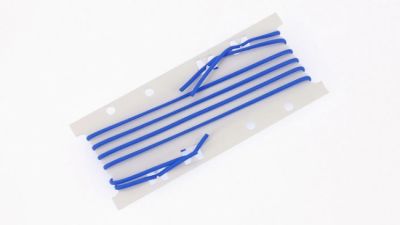
Medical-grade silicone vessel loops are designed to support safe, accurate vein and nerve identification during surgical procedures. Made from soft, flexible silicone, they provide gentle retraction while helping surgeons distinguish and control delicate anatomical structures. Their smooth surface minimizes tissue friction, making them suitable for use around veins, nerves, tendons, and other sensitive areas where precision is essential.
Each loop is sterile, disposable, non-toxic, and odorless, helping reduce preparation time and support consistent operating-room hygiene. The flexible material offers reliable handling and secure positioning without placing unnecessary pressure on surrounding tissue. Available in practical configurations for different surgical needs, these vessel loops can assist with temporary marking, isolation, and identification throughout a procedure.
Manufactured in a professional Chinese medical-device facility, the loops are produced under controlled quality standards to promote dependable performance and safety. Their combination of softness, visibility, and functional strength makes them a useful solution for vascular, orthopedic, neurological, and general surgical applications.
FAQS
Silicone is flexible, cleanable, and stable across wide temperature ranges. It bends repeatedly without easily losing shape. However, it may allow gases to pass through more easily than other materials.
Natural rubber provides strong elasticity and tear resistance. Its latex proteins may cause sensitivity concerns in some applications. Suitable grades and biocompatibility evidence should be confirmed before use.
EPDM handles heat, ozone, and many water-based fluids effectively. It is less suitable for oils and hydrocarbon-based substances. The fluid must be identified before material approval.
Butyl rubber offers strong gas retention and low permeability. It can support inflation cuffs and selected fluid pathways. It may not suit every chemical environment.
No. Their performance varies widely between grades. Review hardness, tensile strength, compression set, and sterilization compatibility. The words “medical grade” alone are not enough.
Common uses include infusion assemblies, peristaltic pumps, drainage systems, and respiratory equipment. Laboratory instruments and catheter-related devices may also require specialized tubing. Each application creates different pressure, bending, and chemical demands.
Request batch records, dimensional reports, traceability documents, and biocompatibility evidence. Ask for samples from several production lots. Supplier photographs are helpful, but they cannot replace testing.
Test samples under real pressure, cleaning cycles, and expected sterilization conditions. Check leak resistance, kink recovery, aging, extractables, and dimensional stability. A tube may look perfect initially. That can be misleading.
Packaging should protect tubing from dust, sunlight, and deformation. Storage effects should be reviewed before production release. A practical mistake is assuming sealed packaging solves every aging problem.
Conclusion
A Medical Rubber Tube is a flexible, durable component designed to transport fluids, gases, or medicines safely within healthcare and medical equipment. Depending on the intended use, it may be produced from silicone, natural rubber, synthetic rubber, or specialized elastomer blends. These materials are selected for properties such as biocompatibility, chemical resistance, flexibility, temperature tolerance, and low extractables. Reliable medical tubing must also meet strict requirements for cleanliness, dimensional accuracy, pressure resistance, sterilization compatibility, and consistent performance throughout its service life.
Medical rubber tubes are used in applications including fluid delivery, drainage, respiratory systems, laboratory instruments, and other medical devices. Global sourcing can provide access to broader manufacturing capabilities, competitive production costs, flexible customization, and stable supply options. However, buyers should carefully evaluate international suppliers by reviewing quality management systems, material documentation, testing procedures, production capacity, traceability, sample consistency, and communication reliability. A thorough supplier assessment helps ensure that the selected tubing meets technical specifications, regulatory expectations, and the practical demands of healthcare applications.