Wholesale buyers are starting to rethink how infant products perform in terms of safety, durability, and supply consistency. According to Grand View Research, silicone is increasingly being used not just in baby gear but also in healthcare and other consumer goods, showing how important it’s becoming commercially. When it comes to sourcing baby-care items, this really matters because a silicone pacifier, for example, can withstand repeated washing, handling, and changing retail conditions. People often notice the difference during practical checks—like, does the nipple feel smooth? Is the shield staying stable? And does the package arrive odor-free and undamaged?
But honestly, choosing the right material doesn’t automatically mean you’re getting a top-notch product. The U.S. Consumer Product Safety Commission lays out certain safety requirements for infant items, and in Europe, standards like EN 1400 set a safety framework for soothers. Good suppliers should be transparent—think batch records, material declarations, migration tests, and lab reports from independent labs. These documents are their way of showing they’re legit, instead of just relying on fancy catalog descriptions. Plus, they help you make more consistent decisions when it comes to customs, retail, and quality checks.
From a business standpoint, it’s pretty practical too. Silicone usually lasts longer than many soft plastics, meaning fewer replacements, happier customers, and fewer worries in the long run. But here’s the catch—pricing isn’t just about how cheap the quote is. It depends on mold complexity, testing, packaging, order size, and customization. Sometimes you get an attractively low price, but the documentation isn’t solid, or the production isn’t stable—so look out for that. Silicone isn’t some magic fix; things like poor vent design, rough edges, bad pigments, or careless packaging can still cause issues. It’s a good idea to order samples, check out the production process firsthand, and compare suppliers based on real, measurable criteria. So, a smart silicone pacifier sourcing strategy combines solid material performance, proof of compliance, experienced factories, and honest risk assessment—rather than just trusting promises that sound too good to be true.
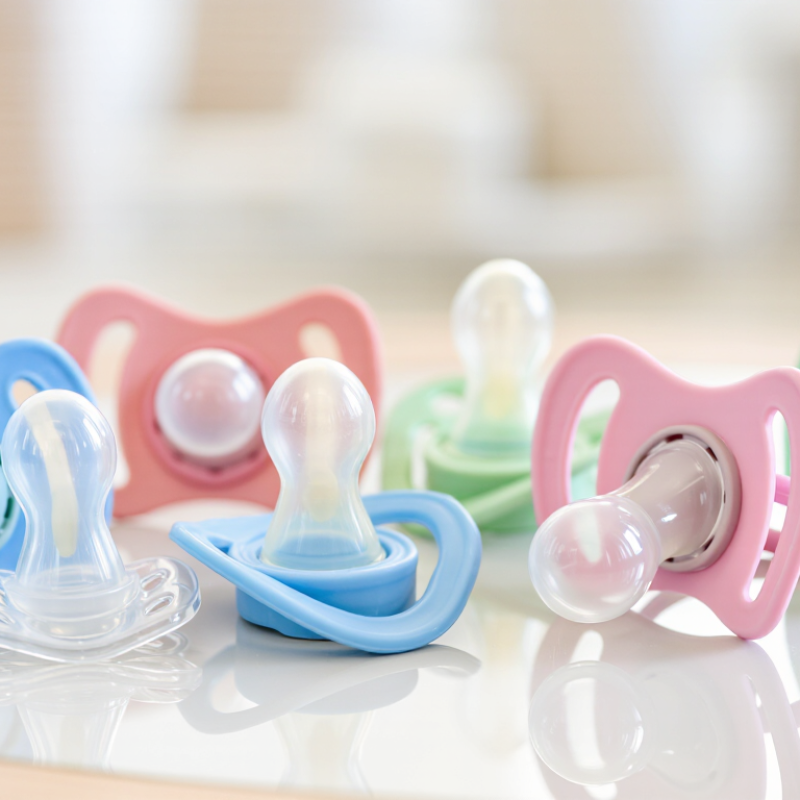
Silicone pacifiers are infant soothing products designed for non-nutritive sucking. A typical silicone baby pacifier has three parts: a soft teat, a protective shield, and a handle. The teat fits gently in the baby’s mouth, while the shield helps prevent accidental swallowing. Ventilation holes allow airflow around the lips and may reduce moisture buildup.
For wholesale sourcing, buyers should examine material documentation, production consistency, and age suitability. Soft, food-contact-grade silicone is commonly selected because it tolerates repeated washing and feels smooth against sensitive skin. However, “soft” should not mean weak. The teat should resist tearing during normal use, and the shield should have no sharp edges. A practical inspection includes checking seams, odor, surface bubbles, and handle strength. Small defects matter.
Parents usually offer a pacifier during settling, naps, or other calming moments. It should be cleaned according to the supplier’s instructions and inspected regularly for cracks, stretching, or bite marks. Do not use a damaged pacifier. Do not attach it with long cords or loose accessories. A smooth surface can look reassuring, but appearance alone proves little. Some wholesale buyers focus heavily on color and packaging, then overlook cleaning guidance. That is an easy mistake. Product samples, test records, clear labeling, and traceable batch information support more reliable purchasing decisions.
Silicone pacifiers are soothing accessories made with soft, durable, non-porous silicone nipples. They are commonly used to comfort infants between feeds and are easy to clean when designed as one-piece products. The timeline below reflects WHO and UNICEF feeding guidance that is relevant when planning pacifier use by age; it does not replace advice from a qualified healthcare professional.
Source: WHO and UNICEF, Global Strategy for Infant and Young Child Feeding — exclusive breastfeeding for the first 6 months and continued breastfeeding up to 2 years or beyond with complementary foods.
Silicone pacifiers are a practical option for wholesale sourcing because their material properties support repeated daily use. Soft, flexible silicone feels gentle against a baby’s mouth and usually keeps its shape after frequent handling. It is also nonporous, so it does not readily absorb milk, saliva, or common household odors. That makes routine cleaning more manageable for caregivers and retailers.
Silicone tolerates warm water and many standard sterilizing methods when the supplier’s instructions allow them. It also dries quickly and resists cracking better than some softer plastic alternatives. For wholesale buyers, consistent molding matters. A smooth surface, rounded edges, and a properly formed shield can improve comfort and reduce areas where residue collects. However, “silicone” alone does not prove quality. Buyers should request material specifications, migration or safety test reports, production samples, and batch inspection records.
Still, silicone is not magic. It can attract lint, show bite marks, and become cloudy after harsh cleaning. A small weakness remains. Poorly controlled production may create uneven thickness, rough seams, or unpleasant odors. I would compare samples after repeated washing, not only inspect them fresh from the package. Suppliers should also provide clear care guidance and traceable quality records. This practical review helps wholesalers balance softness, durability, hygiene, and realistic product performance.
Silicone pacifiers can support infant safety and hygiene when their materials and construction are carefully controlled. A food grade silicone pacifier should have a smooth, non-porous surface that resists absorbing milk, saliva, and household odors. This makes daily cleaning more practical. However, smooth silicone is not a guarantee of safety. The full design still matters.
During wholesale sourcing, inspect the shield, nipple, and handle as one safety system. The shield should be large enough to reduce swallowing risk and include suitable ventilation holes. One-piece construction can limit hidden gaps where moisture collects. Ask suppliers for material documentation, product testing, batch records, and clear cleaning instructions. Experienced buyers should also check whether samples match mass-production units. They sometimes do not.
Tips: Clean pacifiers according to the supplier’s instructions, especially before first use. Use warm water and mild soap when appropriate. Inspect the nipple after every wash. Look for tears, cloudiness, stickiness, or unusual odor. Replace damaged pieces immediately. Avoid attaching pacifiers with cords or long straps during sleep or unsupervised use. Storage matters too. Keep clean pacifiers in a dry, covered container, not loose inside a diaper bag. A small detail, but often missed. Wholesale teams should review safety guidance regularly, because packaging claims and cleaning advice may need improvement after real-world feedback.
| Evaluation Dimension | Silicone Pacifier Consideration | Infant Safety and Hygiene Relevance | Wholesale Sourcing Checkpoint |
|---|---|---|---|
| Material composition | Food-contact-grade silicone is commonly used for the nipple and, in some designs, the shield and handle. | A compliant silicone formulation can provide a smooth, non-porous surface that is less likely to retain moisture and residue than porous materials. | Request the material specification, composition statement, and current laboratory test reports for the exact product configuration. |
| Smooth, non-porous surface | One-piece silicone designs generally have fewer seams, joints, and hidden cavities than multi-part constructions. | Fewer areas for milk residue or saliva to collect can make thorough washing and inspection easier. | Inspect samples for cracks, rough edges, flashing, trapped air, detachable parts, and areas that cannot be cleaned effectively. |
| Heat resistance | Silicone is generally more heat-resistant than many common plastics, but the safe temperature depends on the product design and instructions. | A suitable design may support cleaning methods such as boiling or steam sterilization when the manufacturer specifically permits them. | Obtain validated cleaning instructions and confirm that the shield, ring, printing, and packaging remain safe under the stated process. |
| Cleaning and sterilization | The product should be washed before first use and after each use according to the care instructions; some models may be dishwasher-safe. | Consistent cleaning reduces the buildup of saliva, milk residue, and environmental contaminants. | Include clear, translated care instructions and verify that the instructions match the tested product and packaging claims. |
| Ventilation holes | A pacifier shield should be designed with adequate ventilation openings rather than forming a sealed surface around the mouth. | Ventilation helps allow airflow and reduces the risk of the shield completely obstructing the mouth and nose area. | Check applicable market requirements for shield dimensions, ventilation, edges, and spacing; confirm these features through third-party testing. |
| Nipple attachment strength | The nipple, shield, and ring must remain securely connected during foreseeable use, cleaning, and pulling forces. | Strong construction helps prevent small detached components from becoming a choking hazard. | Request mechanical pull-test results and establish incoming inspection criteria for separation, tearing, and deformation. |
| Age and size suitability | Pacifiers are commonly supplied in age or size ranges, such as newborn, 0–6 months, and 6–18 months; exact ranges vary by product. | Using the size recommended for the infant's age and development helps support appropriate fit and reduces misuse. | Require age grading, dimensional specifications, and packaging warnings to be consistent across samples, cartons, and listings. |
| Chemical safety documentation | Finished products may be assessed for restricted substances, extractable materials, heavy metals, and other market-specific chemical requirements. | Appropriate testing helps verify that the product does not introduce avoidable chemical exposure under intended conditions of use. | Use an accredited laboratory where appropriate and request reports that identify the tested model, material, color, and production batch. |
| Colorants and surface decoration | Pigments, printed graphics, and coatings should be intended for infant products and securely bonded to the substrate. | Stable decoration reduces the chance of peeling, flaking, or transfer during mouthing and repeated washing. | Test every color and decoration method planned for production; inspect for fading, cracking, peeling, and odor after cleaning cycles. |
| Odor and taste neutrality | High-quality silicone intended for infant use should not have a strong chemical odor or unusual taste. | Neutral sensory characteristics support acceptability and may indicate better control of residual processing substances, although sensory checks do not replace laboratory testing. | Define odor acceptance criteria and carry out sample checks after unpacking, washing, and heat treatment. |
| Durability and replacement | Silicone can withstand repeated handling, but it may still be damaged by biting, sharp objects, excessive stretching, or prolonged wear. | Caregivers should inspect the pacifier regularly and replace it immediately if it shows tears, cracks, bite marks, discoloration, or other damage. | Print inspection and replacement guidance on the packaging and establish a documented shelf-life and complaint-tracking process. |
| Packaging hygiene | Individual hygienic packaging can help protect the pacifier from dust, handling contamination, and moisture before sale. | Clean packaging supports safe storage, but the pacifier must still be washed or sterilized before first use as instructed. | Specify sealed packaging, lot identification, storage conditions, and tamper-evident requirements where appropriate. |
| Compliance and traceability | Requirements differ by destination market and may include mechanical, physical, chemical, labeling, and documentation obligations. | Traceable production records and verified compliance make it easier to manage recalls, complaints, and safety investigations. | Confirm the applicable regulations and standards for the target market, retain batch records, and require pre-shipment inspection for each order. |
Important: Silicone material alone does not guarantee product safety. Final suitability depends on the complete design, manufacturing controls, testing, labeling, and correct use and care.
Why Choose Silicone Pacifiers for Wholesale Sourcing?
Wholesale buyers should examine quality standards before comparing prices. A reliable silicone pacifier manufacturer should provide clear material documentation for every production batch. Look for food-contact-grade silicone, free from harmful additives, strong odors, and unstable colorants. Do not rely on the phrase “premium silicone” alone. Request independent laboratory reports covering migration, chemical safety, and physical performance. Reports should identify the tested product, production date, and laboratory details.
The pacifier should resist tearing, stretching, and repeated sterilization. Check the nipple after boiling or steam exposure. It should remain smooth, flexible, and free from cracks. Examine the shield closely. Ventilation holes must remain open, edges should feel rounded, and small parts must not detach under reasonable pulling force. Ask which regional requirements apply, such as relevant European or American pacifier standards. Requirements can differ by market. That detail matters.
Tips: Request pre-shipment samples from the actual production batch. Compare them with approved samples using smell, weight, color, and nipple firmness. Keep batch records and test certificates together. Ask about traceability, inspection procedures, and complaint handling. A factory visit can reveal dusty packing areas or inconsistent molding, though one visit cannot prove everything. I have seen attractive samples hide weak shield connections. Check the less visible parts. Sometimes, buyers focus too much on appearance. Safety evidence deserves more attention.
Silicone pacifiers can be customized to match different markets, age groups, and buying habits. The most important starting point is the shield shape. A wider shield may suit markets that prefer extra facial coverage, while a smaller profile can feel lighter for newborn use. Nipple shapes also vary, including orthodontic, symmetrical, and rounded designs. Each option should be tested for comfort, airflow, and stable mouth placement.
Color can communicate local preferences. Soft beige and pastel shades often support a calm, natural look, while bright colors may attract gift buyers. Custom handles, textured surfaces, and glow-free finishes can create a more distinctive product. Packaging should reflect the target language, preferred product information, and retail format. Keep it clear. It matters.
Reliable customization requires more than changing the color. Suppliers should provide material specifications, production samples, dimensional records, and independent safety test reports. A useful process includes prototype review, small-batch testing, and inspection before mass production. Different climates may also affect packaging and storage decisions, especially in hot or humid regions. A common mistake is adding too many features. Extra texture or decorative parts may reduce cleaning convenience. Customization should solve a market need, not merely make the product look different. Even experienced buyers should review assumptions, because consumer feedback can challenge the original design direction.
Wholesale purchasing of a Silicone Pacifier Set involves more than the unit price. Material grade, mold complexity, nipple shape, packaging, testing, and order quantity all affect the landed cost. A simple design may require less tooling, while an orthodontic shape can increase sampling time and mold charges. Factory quotations should separate silicone, assembly, packaging, inspection, and freight costs.
Shipping can change the calculation quickly. UNCTAD’s Review of Maritime Transport 2024 states that maritime shipping carries over 80% of global merchandise trade by volume. Delays, port congestion, and container rates therefore influence delivery budgets. Buyers should request pricing under clear Incoterms and compare ocean, rail, and air options. Air freight may protect a launch date, but it can erase the expected wholesale margin.
Compliance also creates supply costs. EN 1400 and applicable national safety requirements commonly require testing for mechanical strength, labeling, and chemical safety. The OECD’s Due Diligence Guidance for Responsible Supply Chains recommends documented supplier checks and traceable records. Ask for batch samples, test reports, silicone declarations, and a written defect policy. Small details matter.
Not every low quote is efficient. A low MOQ may hide higher packaging or inspection costs. Larger orders can reduce unit pricing, but they increase storage risk and cash pressure. Recheck demand assumptions. That part is easy to underestimate. A practical purchase model should include sampling, testing, freight, duties, warehousing, and a realistic allowance for defects.
When sourcing silicone pacifiers wholesale, supplier evaluation should begin with evidence, not polished product photos. Ask for material specifications, batch records, and current test reports from qualified independent laboratories. Reports should identify the tested product, production date, and relevant safety requirements. Vague certificates create costly uncertainty. Good suppliers explain their silicone grade, pigment controls, nipple firmness, and ventilation design in plain language. They should also describe how rejected units are isolated. This is where practical experience matters.
Request physical samples from the intended production line, not only showroom samples. Inspect odor, surface finish, seams, shield edges, and pull resistance. Use several samples from different batches. A single perfect piece proves very little. Ask how molds are cleaned and how operators prevent dust during assembly. Check whether each carton carries a lot code that supports traceability. Packaging should protect products from moisture and crushing. Some suppliers answer quickly but avoid precise records. That is a warning sign.
Commercial terms deserve the same scrutiny. Compare minimum order quantities, lead times, replacement policies, inspection access, and change-notification procedures. A reliable supplier welcomes reasonable quality checks before shipment. Communication should remain clear when defects appear, not only during quoting. It is worth asking for a small pilot order, although this can slow launch plans. I would not ignore that trade-off. Supplier reviews and factory videos help, but they are not proof. Repeated sampling, documented controls, and honest questions provide stronger confidence.
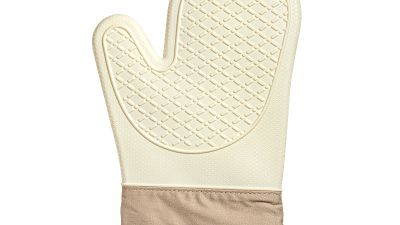
The silicone oven mitt market is developing alongside demand for safer, more durable, and easier-to-clean kitchen protection. Market research highlights the importance of heat resistance, ergonomic comfort, reliable grip, and attractive customization for professional kitchens, restaurants, household users, and promotional programs. When selecting a manufacturer, buyers should evaluate material quality, stitching, lining, size options, surface texture, and production consistency rather than focusing only on price.
Custom silicone oven gloves with double cotton lining provide a practical balance between protection and comfort. The silicone exterior helps resist heat, moisture, grease, and everyday kitchen wear, while the soft cotton interior improves insulation and reduces skin irritation during extended use. A heat-resistance rating of up to 300°C makes these gloves suitable for handling hot bakeware, cookware, and oven trays when used according to proper safety instructions. Textured palms and flexible designs can also support a more secure grip.
For kitchenware suppliers and food-service businesses, small-batch production creates a convenient way to test new designs or launch customized promotional gifts. Manufacturers can add a customer-provided logo, adjust colors and packaging, and support low-MOQ orders without requiring large inventory commitments. Clear communication about artwork files, sampling, labeling, delivery schedules, and quality standards helps ensure that each order meets its intended market requirements.
Silicone feels soft against a baby’s mouth and usually keeps its shape. It does not readily absorb milk, saliva, or household odors. Cleaning becomes easier. However, silicone is not automatically high quality.
Check for smooth surfaces, rounded edges, even thickness, and properly formed shields. These details can improve comfort and reduce residue collection. Request material specifications, safety reports, samples, and batch records. A fresh sample alone proves little.
Many silicone pacifiers tolerate warm water and standard sterilizing methods. Follow the supplier’s care instructions carefully. Harsh cleaning may cause cloudiness or surface changes. Do not assume every cleaning method is suitable.
Poor production control may create rough seams, uneven thickness, or unpleasant odors. Biting can leave marks, and silicone may attract lint. Inspect several samples from different batches. Small flaws matter.
Landed cost includes silicone, molds, assembly, packaging, inspection, freight, duties, and storage. Complex nipple shapes may increase tooling and sampling costs. A low unit price can hide expensive packaging or inspection. Recheck the margin.
Ocean, rail, and air freight can produce very different delivery costs. Air shipping may protect a launch date but reduce wholesale margin. Port delays and container rates can change the final calculation. Request clear delivery terms.
Start with evidence, not polished product photographs. Request current test reports, material details, batch records, and production samples. Ask whether reports identify the product and production date. Vague certificates create uncertainty.
Check odor, surface finish, seams, shield edges, nipple firmness, and pull resistance. Review samples from the intended production line. Inspect carton protection, lot codes, and moisture resistance. One perfect piece is not enough.
A pilot order can reveal defects, communication problems, and packaging weaknesses. It may delay the launch and increase short-term costs. That trade-off deserves honest consideration. I would test before ordering heavily.
A Silicone Pacifier is a feeding and soothing accessory designed to help calm infants while supporting natural sucking habits. Made from soft, flexible, and generally odor-resistant silicone, it is valued for its durability, easy cleaning, and ability to withstand repeated sterilization. Its smooth, nonporous surface can help reduce the buildup of moisture and residue when properly washed and stored. For infant safety, wholesale buyers should examine age suitability, ventilation features, shape, structural strength, and material documentation, while ensuring products are tested according to applicable market requirements.
Businesses should also consider customization options such as colors, shapes, packaging, sizing, and labeling to match regional preferences and customer needs. Wholesale costs may be influenced by order volume, mold development, packaging choices, quality testing, shipping conditions, and production timelines. A reliable supplier should offer consistent materials, clear inspection procedures, stable capacity, transparent communication, and responsive support. Comparing samples, certifications, production controls, minimum order quantities, and delivery performance can help buyers select a practical long-term sourcing partner.