- Home
- Products
- Company
- Case Study
- News
- Contact Us
Leave Your Message
The global automotive interior components market is undergoing a fundamental transformation. As vehicle manufacturers accelerate the shift toward electric vehicles (EVs), autonomous driving systems, and premium cabin experiences, the demand for advanced materials has never been greater. Liquid Injection Molding (LIM) silicone has emerged as the material of choice for automotive interior suppliers seeking to balance precision, performance, and sustainability.
Liquid Silicone Rubber (LSR) processed through liquid molding delivers unmatched dimensional accuracy, superior thermal stability (−60°C to +230°C), and outstanding resistance to UV degradation, chemicals, and mechanical fatigue — properties that conventional thermoplastics simply cannot match in demanding automotive environments.
Liquid molding silicone maintains structural integrity and flexibility from −60°C to +230°C, making it ideal for components exposed to engine heat, solar radiation through glass roofs, and freezing conditions — critical for instrument panels, seals, and HVAC components.
Liquid Injection Molding (LIM) technology enables tolerances as tight as ±0.05mm, supporting complex geometries, undercuts, and multi-component assemblies. This precision is essential for automotive-grade connectors, gaskets, and decorative trim.
LSR can be pigmented to any Pantone color, textured, over-molded onto metal or plastic substrates, and finished with soft-touch surfaces — enabling automotive designers to achieve premium cabin aesthetics without compromising material performance.
Silicone's inherent damping properties make it a preferred material for Noise, Vibration, and Harshness (NVH) management. Interior silicone gaskets, grommets, and isolators significantly reduce cabin noise — a key differentiator in premium and EV segments.
Unlike PVC or TPE alternatives, liquid molding silicone does not emit harmful plasticizers, resists UV yellowing, and maintains performance for the full vehicle lifecycle (10–15 years). This aligns with automotive OEM sustainability mandates and end-of-life recyclability targets.
Electric vehicles demand materials that are electrically insulating, flame-retardant (UL94 V-0), and compatible with embedded sensors and electronics. Liquid molding silicone meets all these requirements, making it indispensable for next-generation EV interiors.
Liquid silicone is used for soft-touch dashboard overlays, airbag cover skins, and integrated button membranes. Its UV stability prevents discoloration and cracking over years of sun exposure — a persistent failure point for conventional materials.
Extruded and molded LSR seals provide superior weatherproofing, acoustic insulation, and compression set resistance. Liquid molding enables complex cross-section profiles that ensure consistent sealing performance across vehicle lifetimes.
Silicone diaphragms, flap seals, and duct connectors in HVAC systems must withstand continuous thermal cycling. Liquid molding silicone's fatigue resistance ensures zero-leak performance throughout the vehicle's service life.
Optically clear liquid silicone (optical grade LSR) is used for LED light guides, diffusers, and protective lenses in interior ambient lighting systems. Its optical clarity (>95% transmittance) and thermal stability make it ideal for high-brightness applications.
Liquid silicone over-molding on steering wheels and gear shifters provides ergonomic grip, sweat resistance, and a premium tactile feel. Multi-shot molding integrates hard and soft zones in a single component, reducing assembly complexity.
As vehicles integrate more ADAS and connectivity sensors, liquid molding silicone provides IP67/IP68-rated sealing for sensor housings, wiring harness grommets, and connector boots — protecting critical electronics from moisture and contamination.
With global EV sales surpassing 14 million units in 2023 and projected to reach 40% of new car sales by 2030, the demand for silicone-based interior components is accelerating. EVs require lighter, thermally stable, and electrically safe materials throughout the cabin.
Consumers increasingly equate vehicle quality with interior feel and material sophistication. Automakers are specifying liquid molding silicone for soft-touch surfaces, refined sealing, and noise reduction to differentiate premium models.
LSR's ability to be over-molded onto lightweight substrates (aluminum, engineering plastics) enables significant weight savings versus traditional rubber or metal assemblies — directly contributing to vehicle range and efficiency targets.
Advances in automated liquid injection molding lines, including closed-loop process control and robotic demolding, have dramatically reduced per-part costs. This makes LSR economically viable for high-volume automotive programs previously dominated by cheaper materials.
REACH, RoHS, and automotive OEM supplier codes of conduct are eliminating PVC and halogenated materials from vehicle interiors. Liquid molding silicone — halogen-free, non-toxic, and durable — is the natural compliance-ready alternative.
Post-pandemic supply chain disruptions have pushed Tier-1 suppliers to diversify sourcing. Established liquid molding silicone manufacturers with vertically integrated operations offer the supply security and responsiveness that global automotive programs demand.
At Shenzhen Kingod Silicone Products Co., Ltd., we believe that great products begin with great partnerships. As a custom silicone products manufacturer, we combine advanced molding technology, rigorous quality systems, and genuine end-to-end support to bring your concepts to life.
By manufacturing in-house, we eliminate intermediaries and pass the savings directly to you. Factory-direct pricing means you receive cost-effective solutions without sacrificing quality. Our vertically integrated operations allow us to control every stage of production, optimizing efficiency and reducing lead times. Whether you require prototype quantities or million-unit production runs, you receive the same transparent, competitive pricing structure.
Our in-house engineering team works closely with automotive suppliers from concept to production. We offer DFM (Design for Manufacturability) analysis, rapid prototyping, and material selection guidance to ensure your liquid molding silicone components meet every functional and regulatory requirement.
From initial design consultation and mold development to production, quality inspection, and global logistics, Kingod provides a seamless supply chain experience. Our dedicated project managers ensure on-time delivery and transparent communication at every stage.
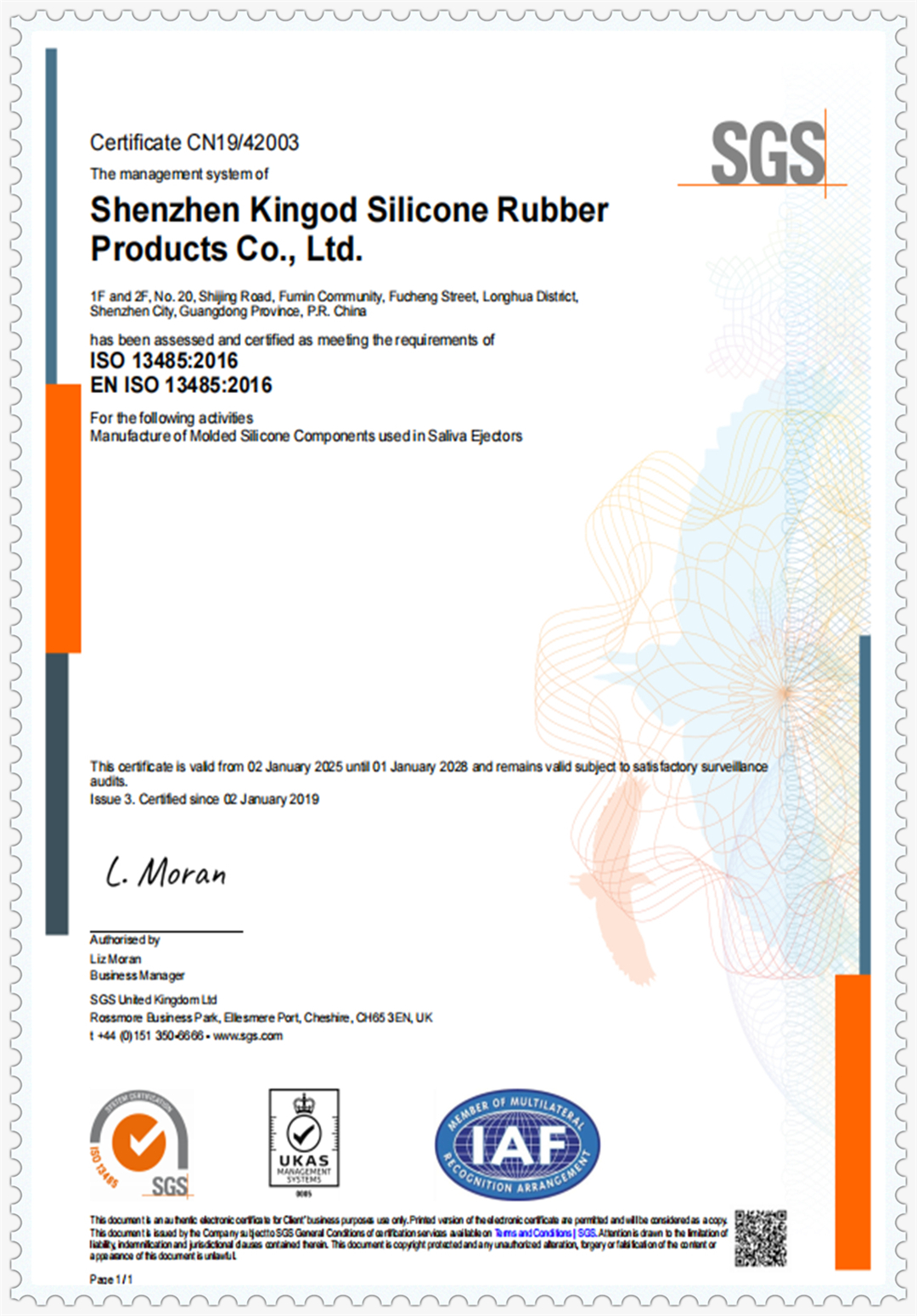
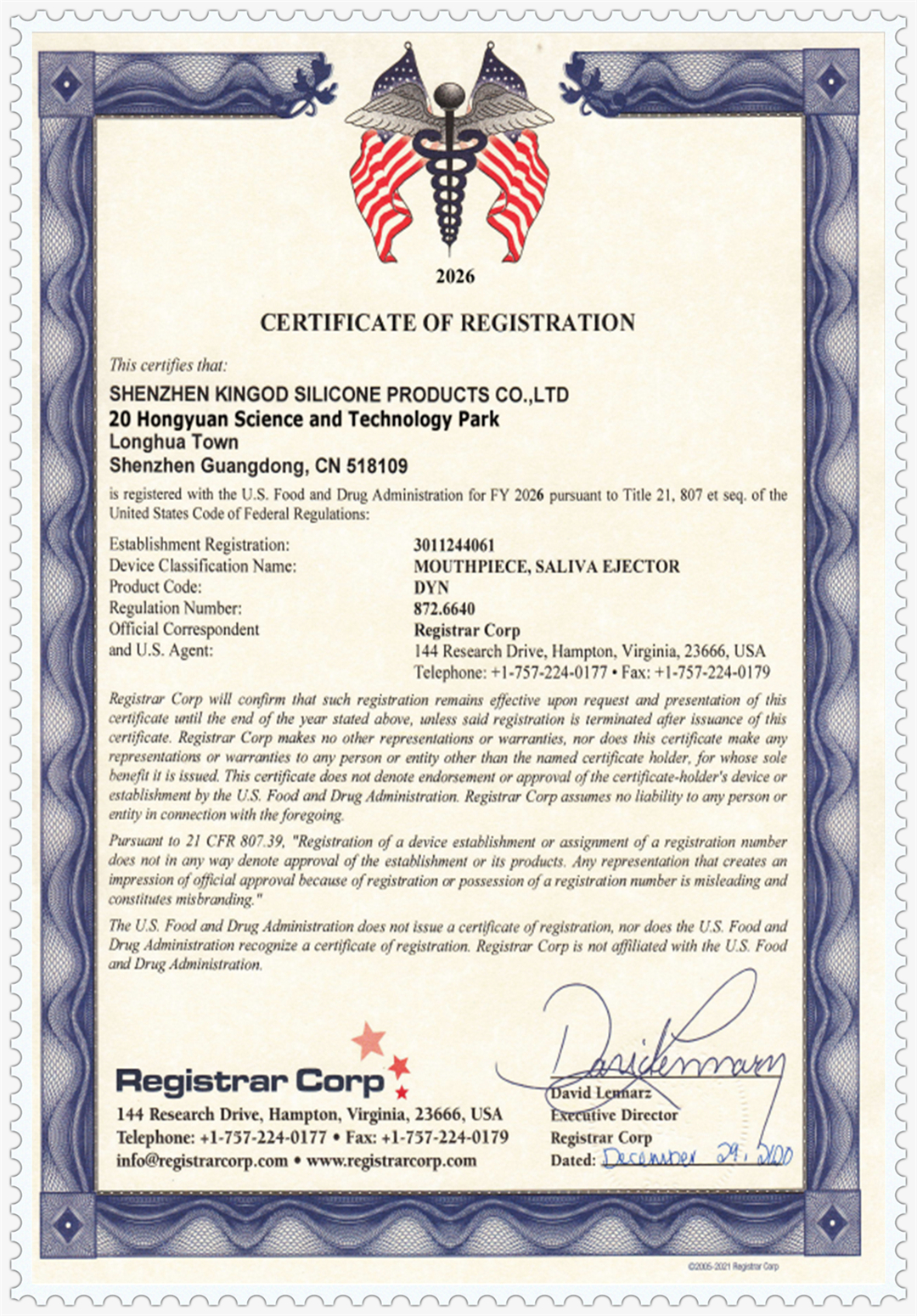
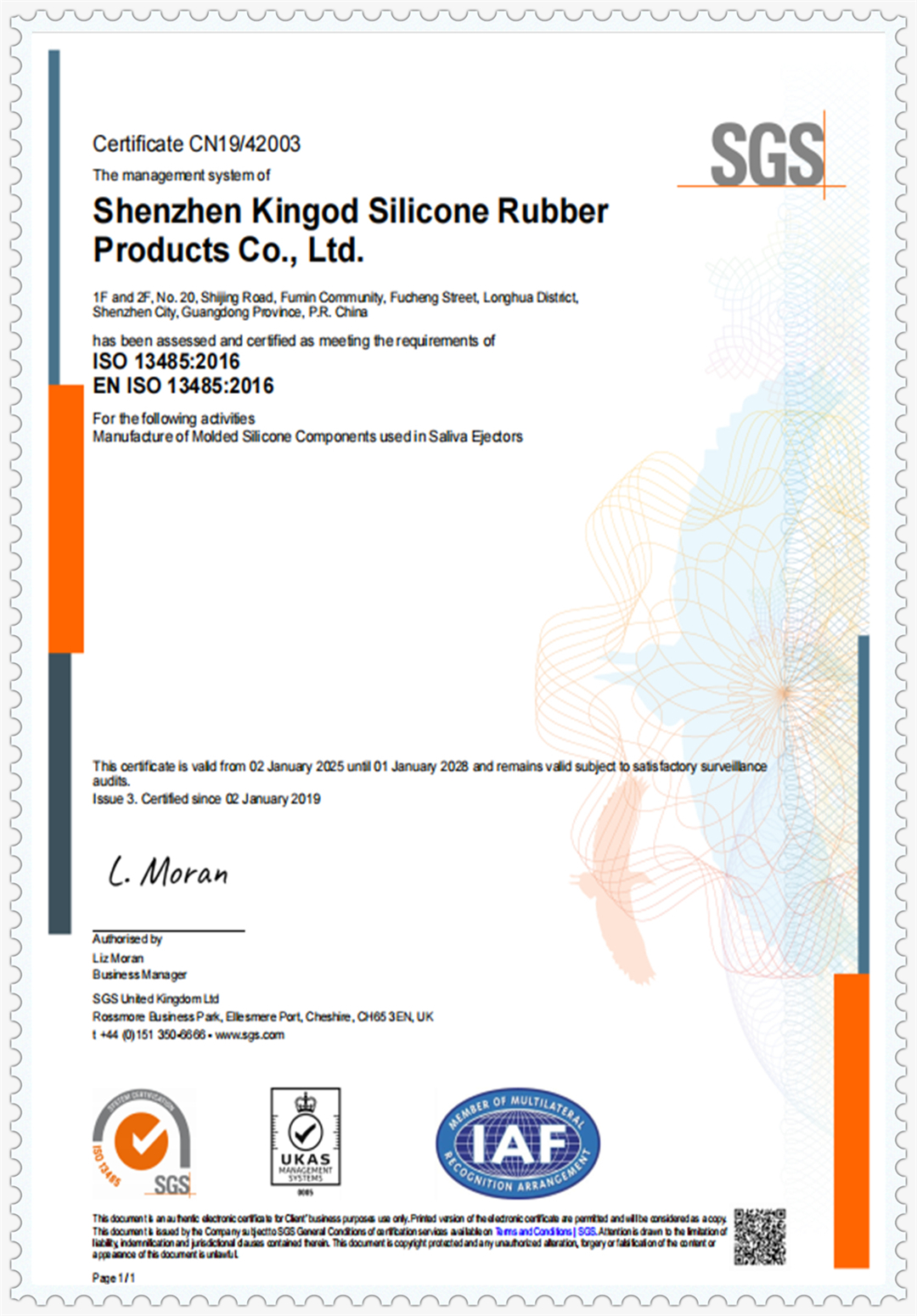
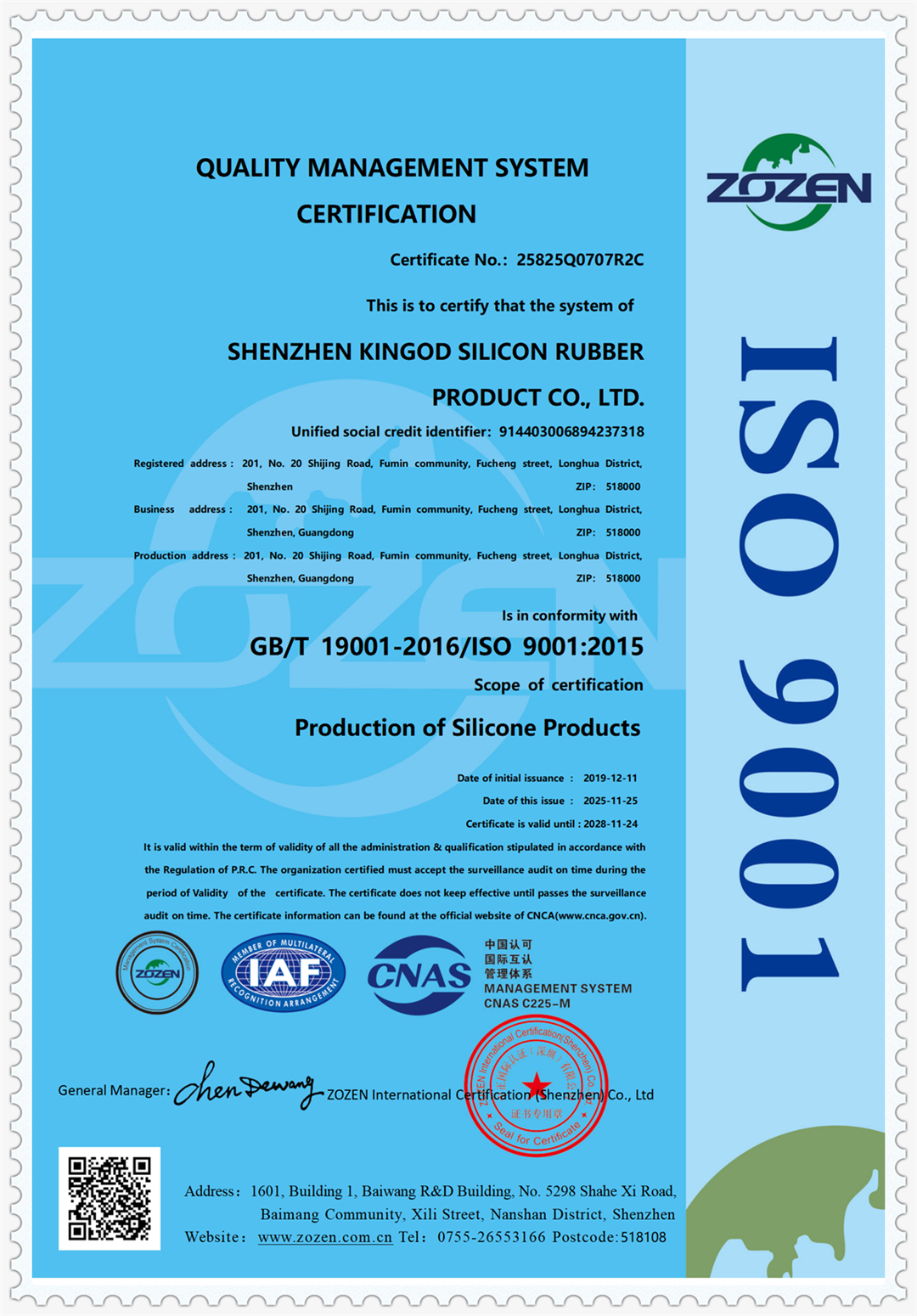
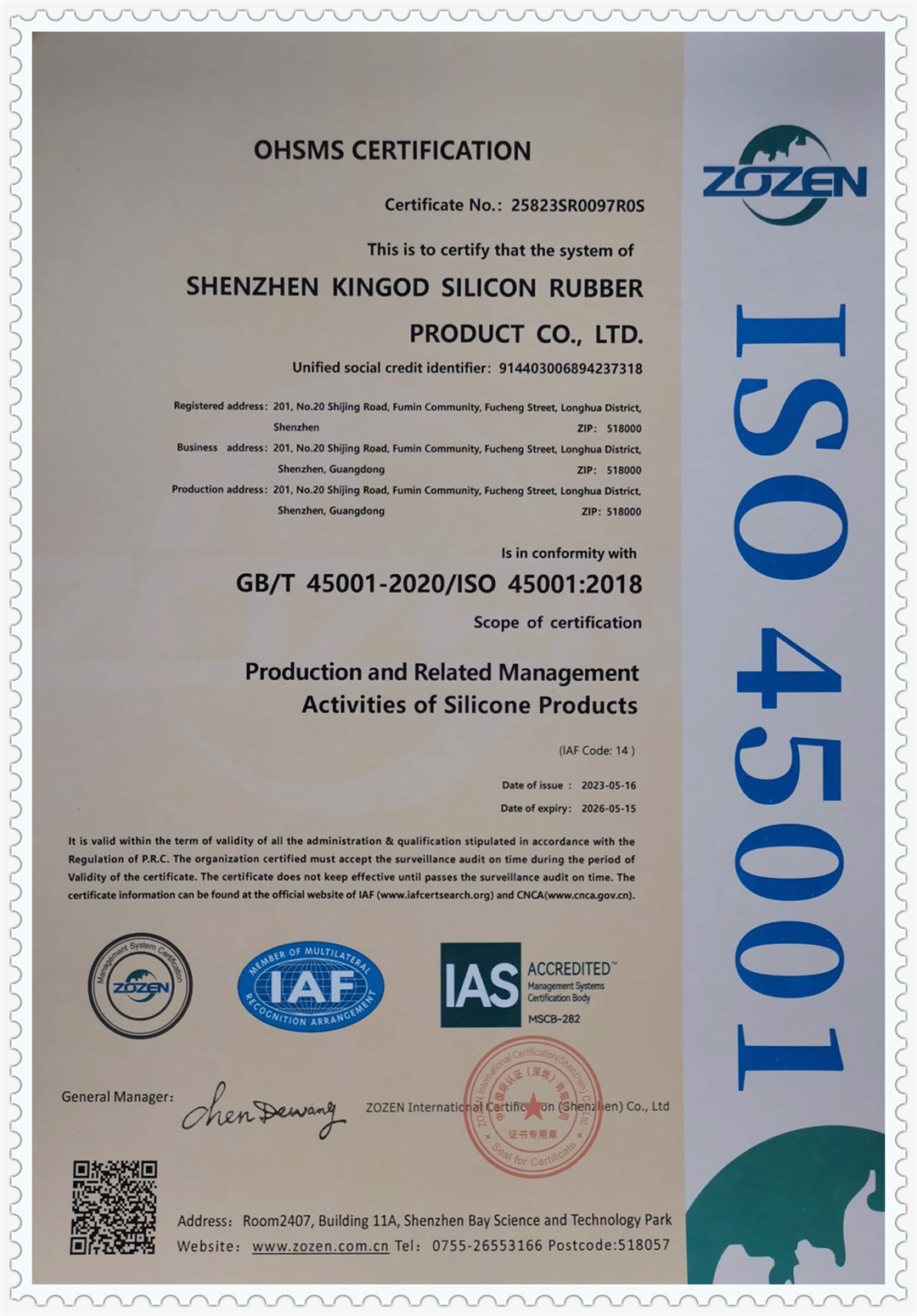
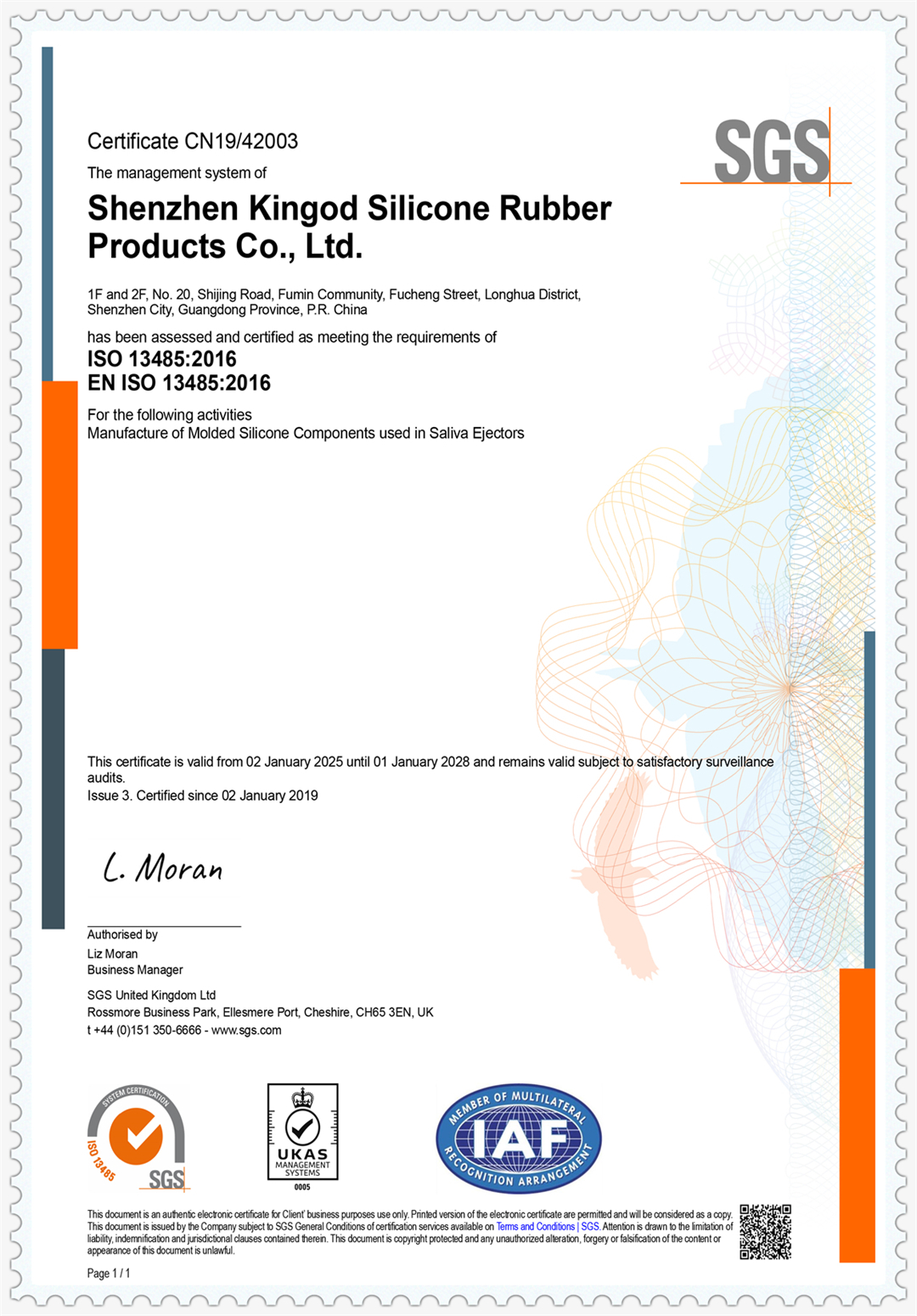
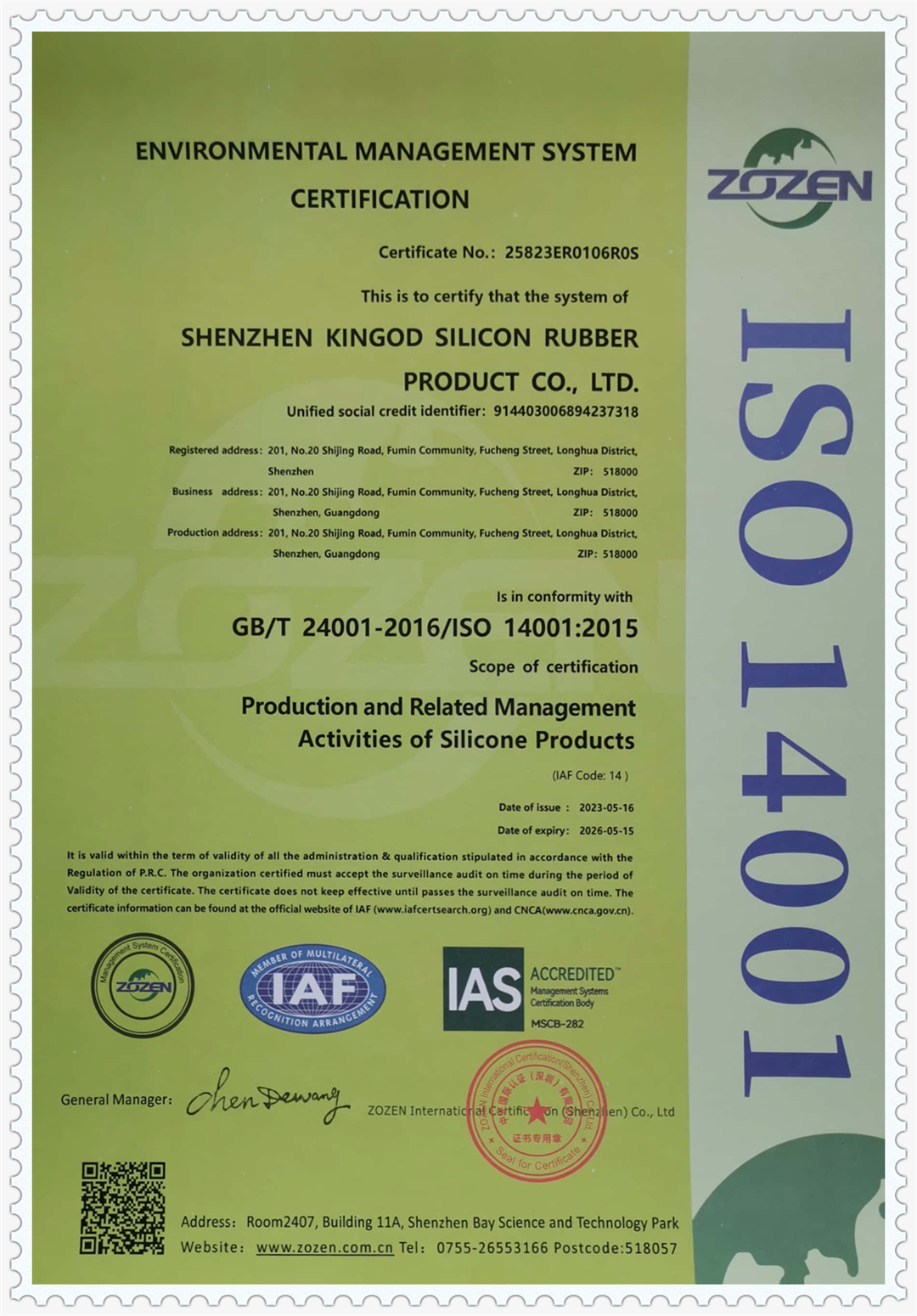
Quality is not just a promise — it is a process. Our facility operates under internationally recognized quality management systems, ensuring every liquid molding silicone component meets the stringent demands of automotive interior suppliers worldwide.
Ensuring consistent quality management across all operations, from raw material procurement to final inspection and delivery.
Our certification for medical device manufacturing guarantees that our processes meet rigorous requirements — standards that directly elevate our automotive component quality systems.
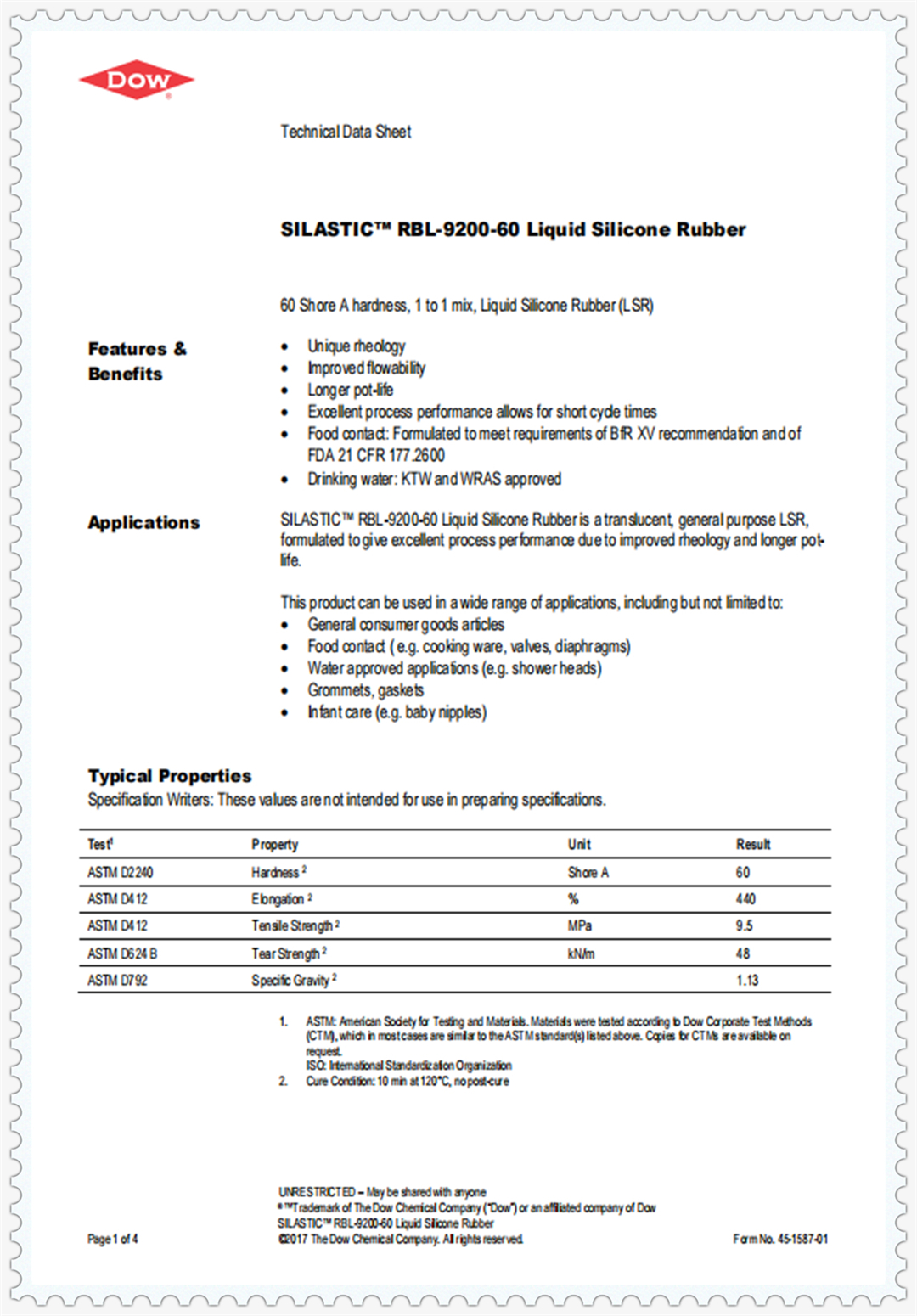
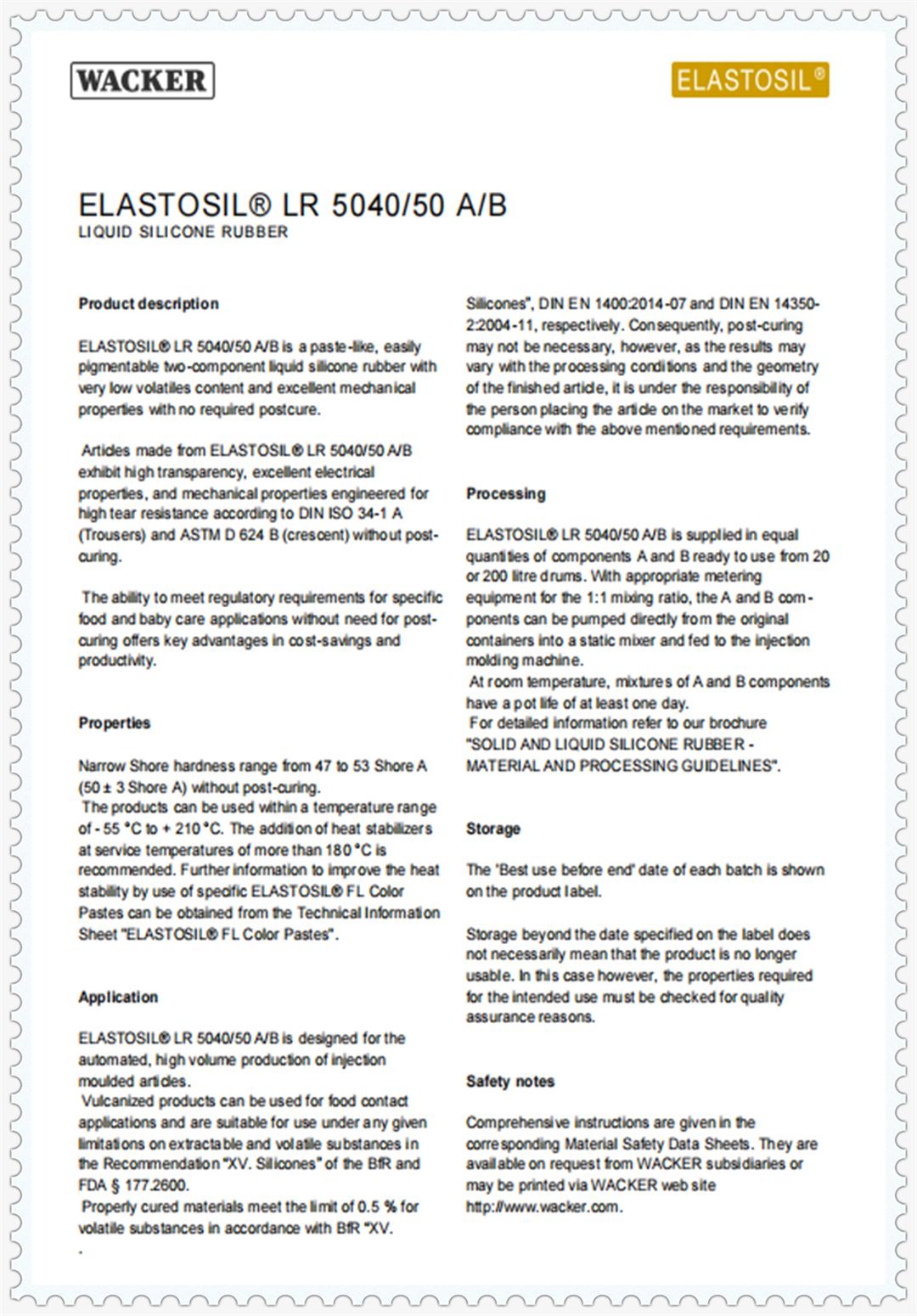
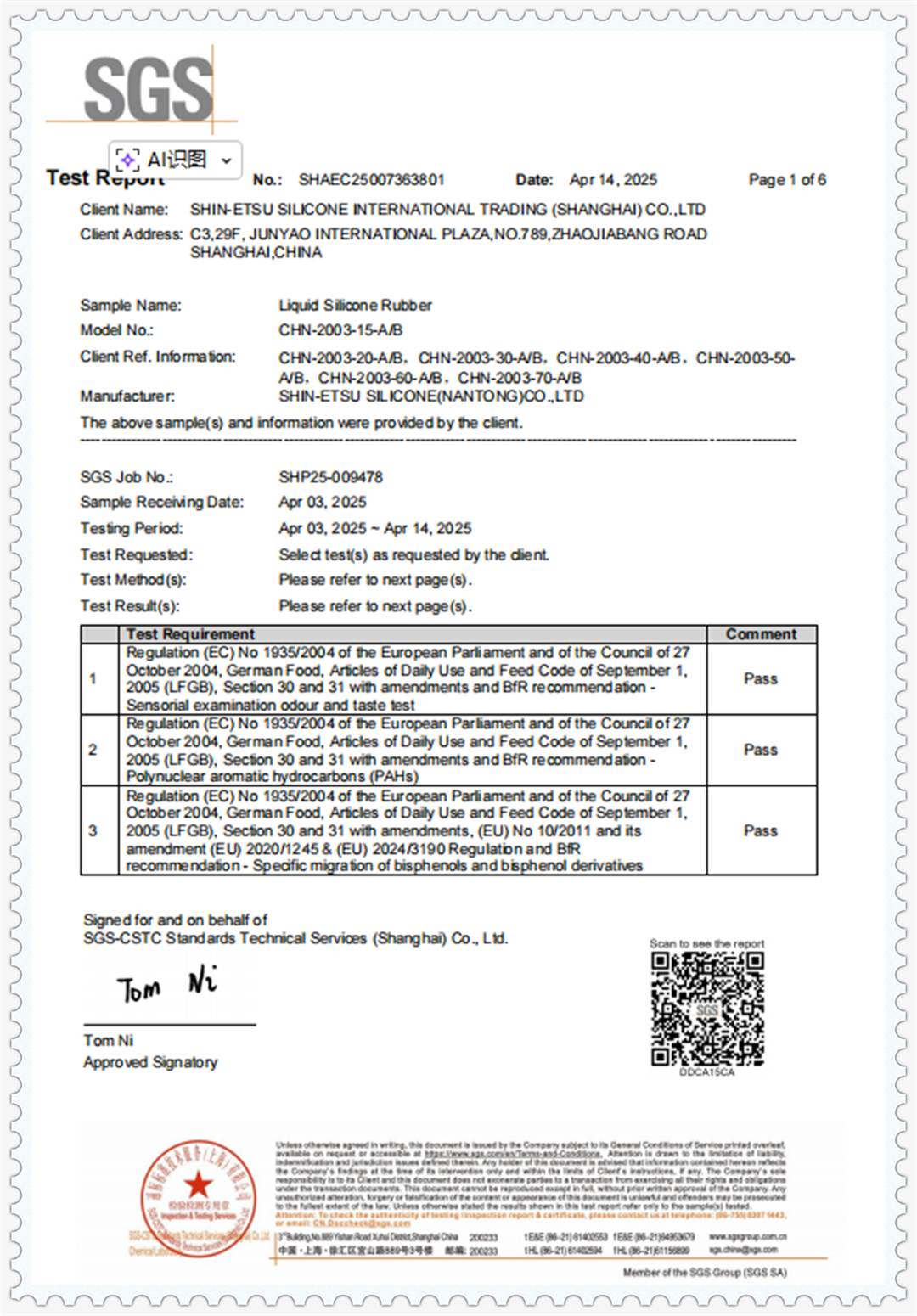
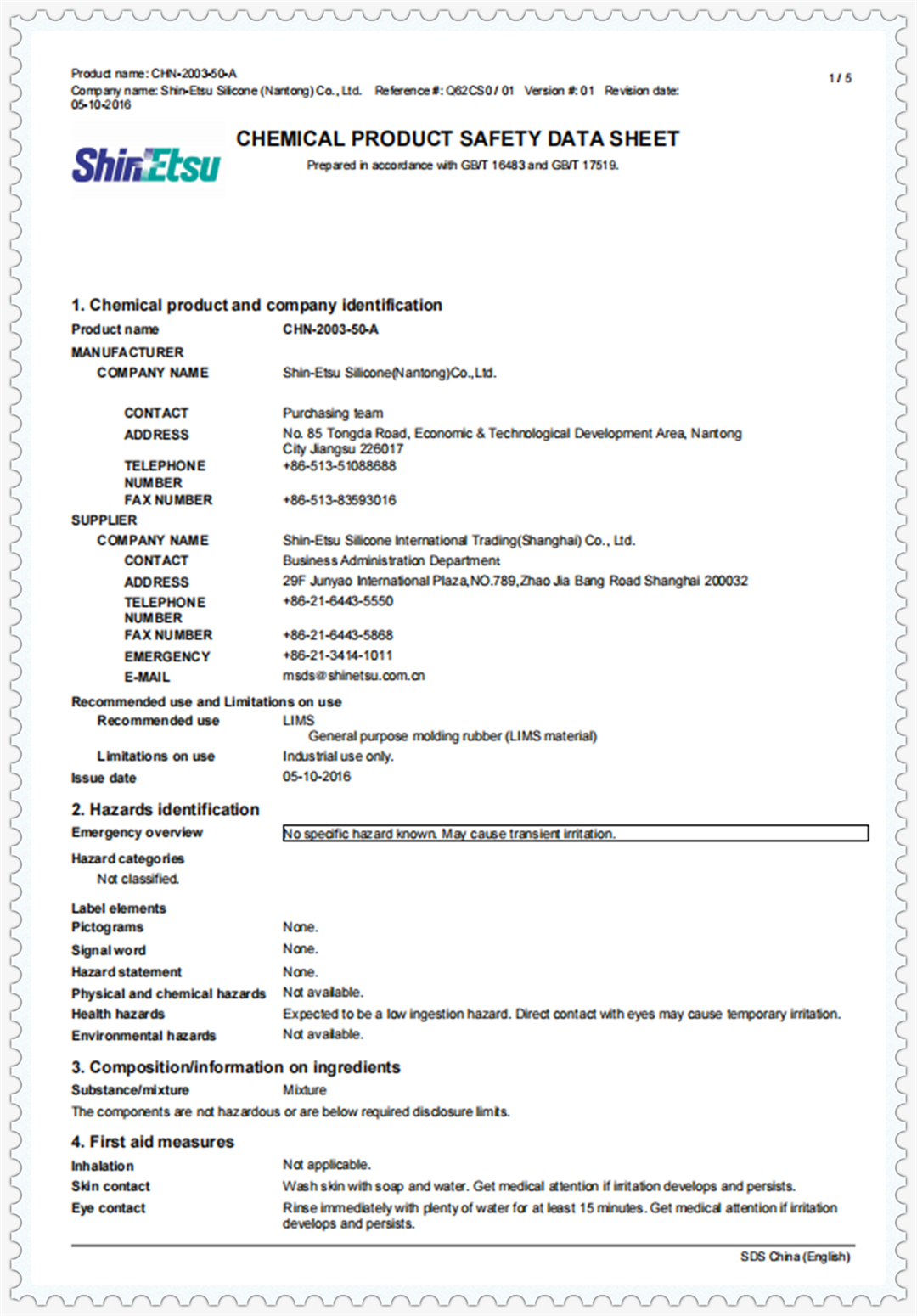
Every product undergoes stringent inspection protocols including dimensional verification, material traceability, and performance testing. We utilize platinum-cured silicone and comply with FDA, LFGB, and EU 10/2011 standards.
Our QC laboratory conducts compression set testing, thermal aging, UV resistance, chemical resistance, and dimensional CMM verification — aligned with ASTM, DIN, and automotive OEM supplier quality requirements.
Partner with Shenzhen Kingod Silicone Products Co., Ltd. — your trusted liquid molding silicone supplier for automotive interior applications. Get a custom quote today.
Request a Custom Quote →