- Home
- Products
- Company
- Case Study
- News
- Contact Us
Leave Your Message
Explore high-performance tactile interfaces, ergonomic human-machine contact surfaces, and custom thermal tooling solutions built for consumer lifestyle and electronic ecosystems.
How hyper-miniaturization, ingress protection standards, and bio-compatible touchpoints are driving global consumer hardware giants away from rigid polymers toward platinum-cured liquid silicone injection molding.
The consumer electronics industry is undergoing a structural paradigm shift. As flagship smartphones, true wireless stereo (TWS) earphones, smart wearables, and augmented reality (AR/VR) headsets grow increasingly compact, the mechanical tolerances for internal gaskets, external covers, and structural interfaces have compressed into the micron range.
Traditional thermoplastic elastomers (TPE) and millable high consistency rubber (HCR) frequently fail to meet modern commercial requirements. They suffer from high compression set, risk of plasticizer migration, poor thermal hysteresis, and flash anomalies during high-speed injection. In contrast, Liquid Molding Silicone (LSR) provides exceptional shear-thinning fluidity, enabling liquid injection molding (LIM) processes that effortlessly fill razor-thin walls (down to 0.15 mm) without parting line flashes.
Commercial Value Driver: Adopting LSR enables consumer brands to achieve verified IP67, IP68, and IP69K waterproof ratings while consolidating multi-piece assemblies into unified, automated 2-shot (2K) overmolded architectures.
Consumer electronics generate significant localized thermal spikes driven by advanced high-frequency 5G RF chipsets, AI accelerators, and high-wattage fast-charging batteries. Elastomeric components located adjacent to microprocessors must endure ambient operating cycles between -40°C and 180°C without degradation, embrittlement, or loss of sealing elasticity.
Liquid silicone rubber inherently possesses an inorganic siloxane backbone (Si-O-Si), yielding bond dissociation energies significantly higher than carbon-carbon polymer chains. This yields superior resistance against dielectric breakdown, ozone cracking, ultraviolet light degradation, and skin oils (sebum) during multi-year operating lifecycles.
Leading consumer brands leverage our liquid molding expertise to safeguard acoustic chambers, optical sensors, internal battery cavities, and high-speed multi-pin charging interfaces against environmental moisture and corrosive contaminants.
Zero-creep elastomeric memory and ultra-low compression set ensure continuous, microscopic sealing force across USB-C receptacles, micro-SIM trays, and optical lens bezels under hydrostatic pressures exceeding 50 meters depth.
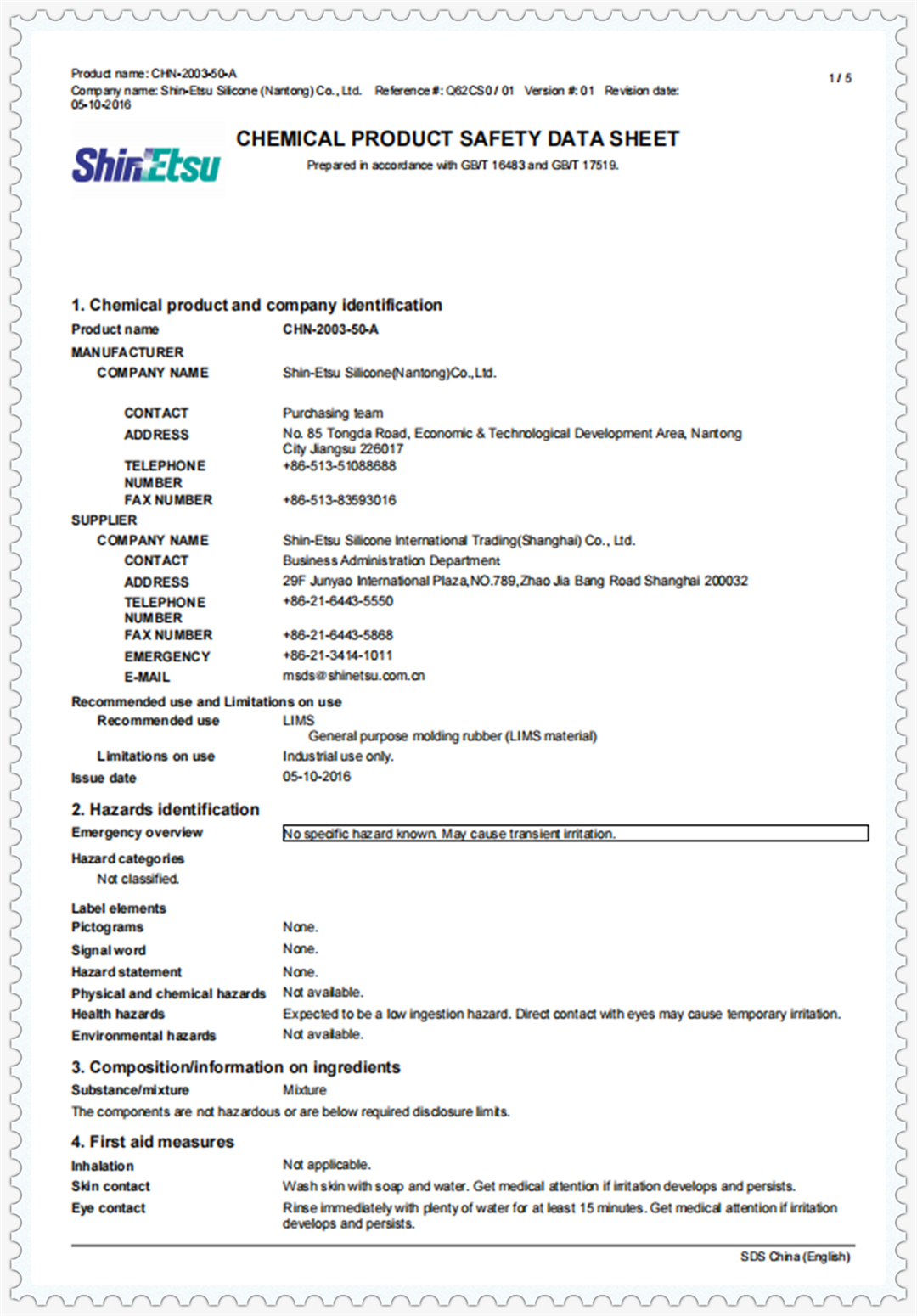
Platinum-cured crosslinking chemistry eliminates chemical plasticizers, heavy metal catalysts, and extractable peroxide residues, meeting ISO 10993 cytotoxicity and hypoallergenic biocompatibility benchmarks for all-day wearable hardware.
Engineered for high-frequency actuation keypads and micro-speaker acoustic diaphragms, our LSR compounds guarantee billions of deflection cycles with near-zero acoustic distortion and instantaneous tactile rebound response.
Evaluating mechanical stability, processing dynamics, and long-term operating parameters across competitive elastomer categories.
| Performance Dimension | Liquid Silicone Rubber (LSR / LIM) | High Consistency Rubber (HCR / Compression) | Thermoplastic Elastomers (TPE / TPU) |
|---|---|---|---|
| Curing Chemistry | Platinum-catalyzed addition cure (Zero by-products) | Peroxide or platinum thermal vulcanization | Physical cross-linking (Reversible thermal melt) |
| Compression Set (22h @ 100°C) | ≤ 10% - 15% (Superior recovery) | 20% - 35% (Moderate degradation) | 45% - 65% (Significant permanent creep) |
| Operating Temperature Envelope | -50°C to +200°C (Sustained structural integrity) | -40°C to +180°C | -30°C to +85°C (Softens at high temps) |
| Minimum Moldable Wall Section | 0.10 mm – 0.20 mm (Micro-cavity filling) | 0.80 mm – 1.20 mm (High viscosity limitations) | 0.40 mm – 0.60 mm |
| Biocompatibility & Cytotoxicity | ISO 10993, FDA 21 CFR 177.2600, Class VI compliant | Varies, requires secondary post-curing baking | Contains plasticizers and residual stabilizers |
| Multi-Material Overmolding (2K) | Self-bonding to PA, PC, PBT, and Aluminum alloys | Requires solvent primer; manual insert assembly | Thermal bonding limited to compatible plastics |
| Optical Clarity / Transmission | Optical LSR achieves 94% transmission, non-yellowing | Translucent to opaque milky appearance | Subject to UV degradation and hazing |
From micro-acoustic transducer seals to immersive mixed-reality interfaces, liquid molding silicone delivers unprecedented mechanical reliability and human comfort.
Modern smartwatches and biometric fitness trackers demand uninterrupted contact with human skin under varying conditions of perspiration, friction, UV radiation, and mechanical movement. Liquid silicone rubber is uniquely qualified for integrated watch straps, biometric PPG sensor light-guide seals, and internal vibration damping motor cradles.
By engineering platinum-cured silicone formulations with customized shore A hardness (from 20 Shore A for cloud-soft touch up to 70 Shore A for structural bezels), we help consumer electronics brands deliver silky, oleophobic surfaces that naturally repel dust and lint while preventing contact dermatitis during sleep tracking.
In high-fidelity audio engineering, acoustics can be degraded by microscopic chassis air leakage. Our ultra-thin liquid molded ear tips and acoustic damper membranes offer micro-cellular compliance that seals directly against irregular ear canal contours, optimizing passive noise cancellation (PNC) and low-frequency bass response.
Furthermore, internal acoustic micro-gaskets protect miniature balanced armature drivers and microphone arrays against water splashes and earwax ingress, maintaining exact frequency response curves across years of daily usage.
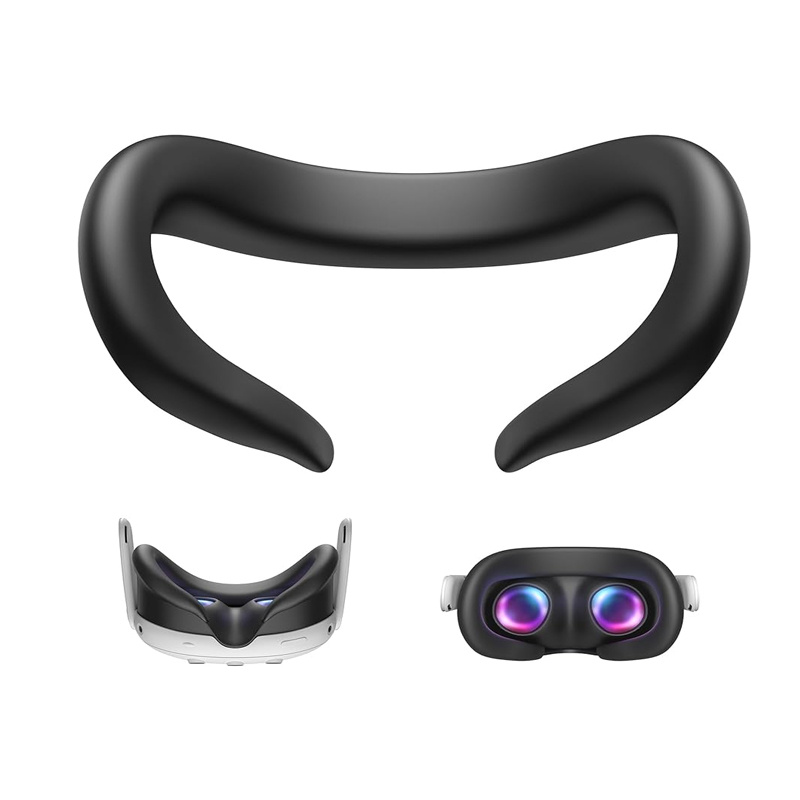
Next-generation virtual and augmented reality headsets present complex spatial ergonomics challenges. Prolonged device wear induces facial fatigue, heat build-up, and ambient light bleed around nasal bridges. Custom molded liquid silicone facial interfaces conform dynamically to diverse global facial anthropometrics.
Our cleanroom LSR production lines fabricate dual-durometer facial cushions featuring integrated light-blocking baffles, skin-cooling ventilation conduits, and featherweight snap-fit retention skeletons that can be detached, cleaned, and sanitized without losing dimensional tolerances.
Rather than manually assembling separate rubber O-rings into miniature milled housing grooves, leading smartphone brands utilize automated two-shot (2K) liquid injection overmolding. We mold self-bonding liquid silicone directly onto structural substrates such as Polycarbonate (PC), glass-filled Polyamides (PA+GF), Polybutylene Terephthalate (PBT), and anodized aluminum frames.
This molecular-level bonding prevents water migration paths across charging ports, speaker grilles, and physical volume switch mechanisms, slashing final assembly labor costs and elevating production yields to Six Sigma standards.
At Shenzhen Kingod Silicone Products Co., Ltd., we believe that great products begin with great partnerships. As a custom silicone products manufacturer, we combine advanced molding technology, rigorous quality systems, and genuine end-to-end support to bring your concepts to life.
By manufacturing in-house, we eliminate intermediaries and pass the savings directly to you. Factory-direct pricing means you receive cost-effective solutions without sacrificing quality.
Our vertically integrated operations allow us to control every stage of production, optimizing efficiency and reducing lead times. Whether you require prototype quantities or million-unit production runs, you receive the same transparent, competitive pricing structure.
To satisfy the uncompromising expectations of tier-1 consumer electronics brands, Shenzhen Kingod operates ultra-precision CNC high-speed machining centers, mirror-spark EDM equipment, and fully closed-loop cold-runner mold architectures. Our toolmaking tolerances routinely achieve ±0.005 mm precision, eliminating flash formation and scrap material waste during liquid silicone injection.
Our climate-controlled injection workshops deploy computer-controlled automated dosing and mixing systems that guarantee exact 1:1 volumetric blending of liquid silicone components A and B, preventing air entrapment, vacuum voids, or discoloration across millions of consecutive cycles.
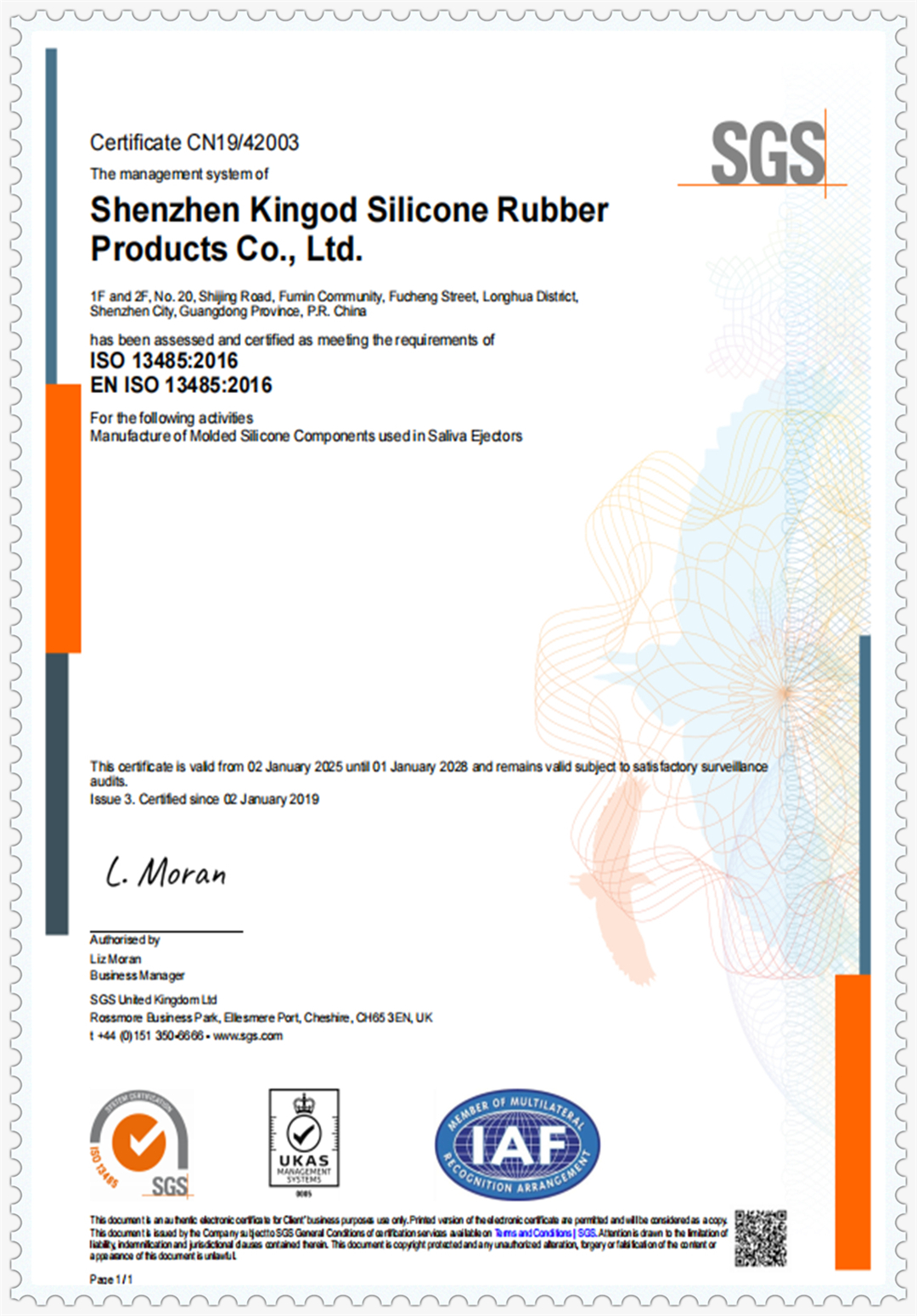
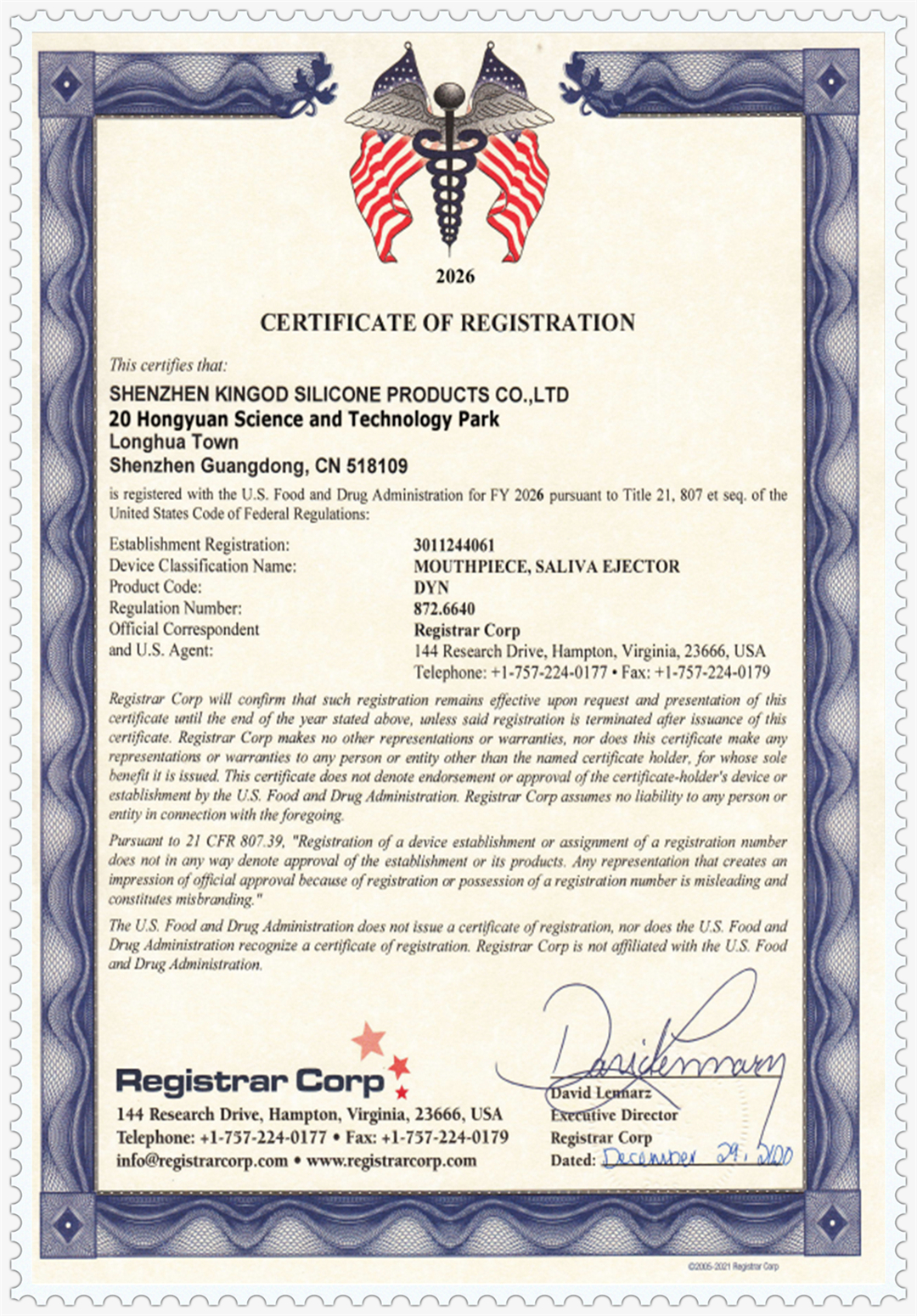
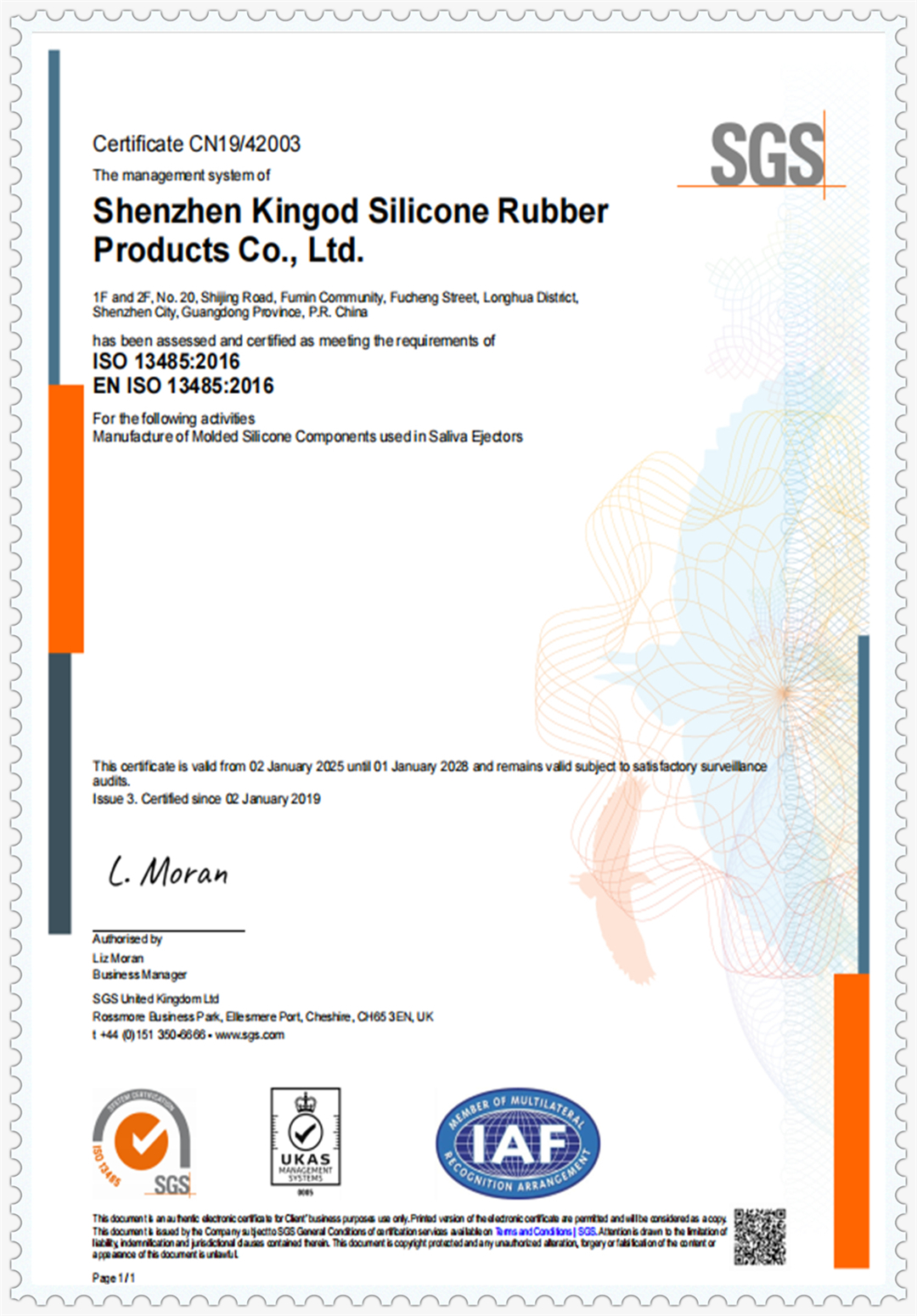
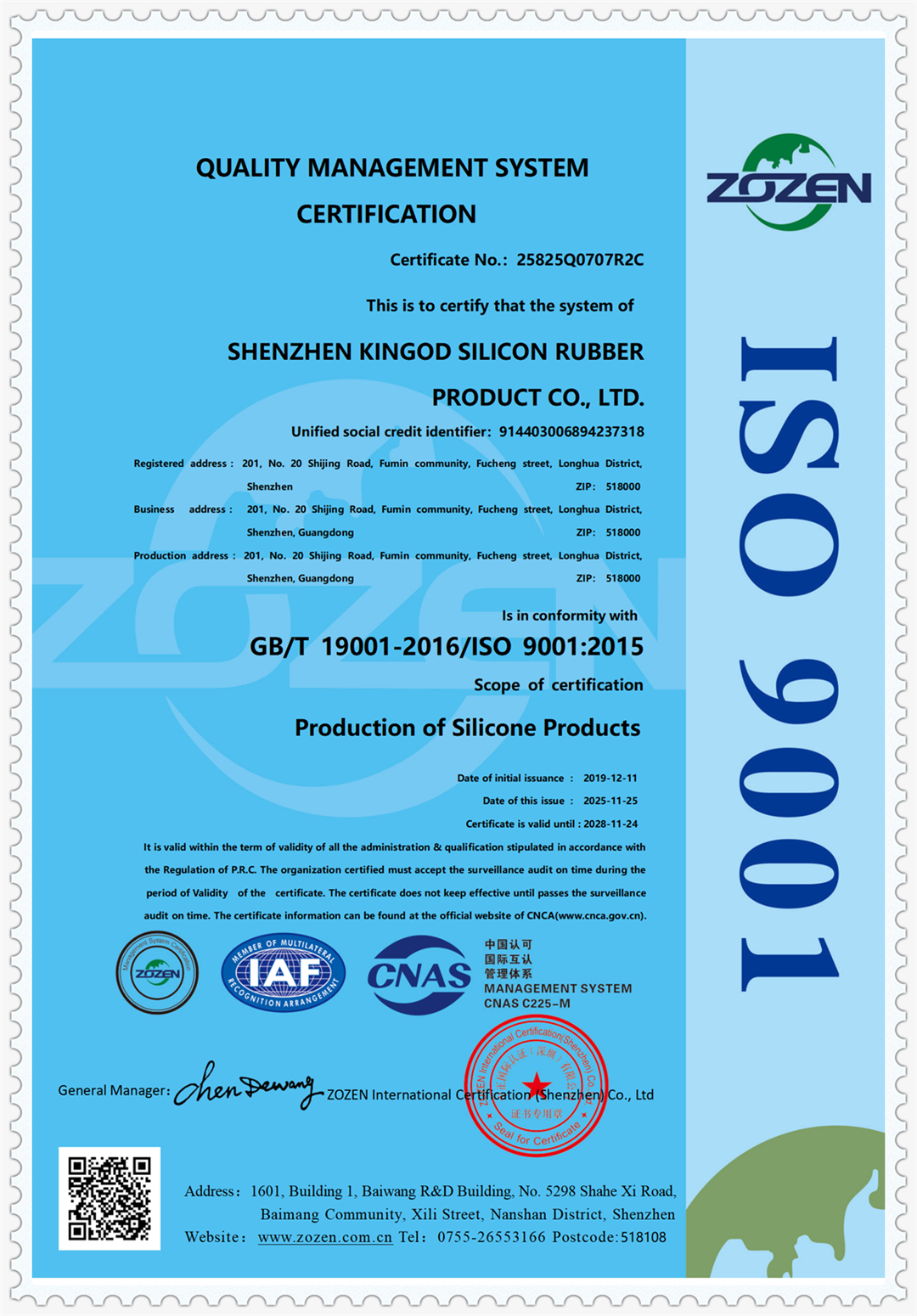
Quality is not just a promise—it is a process. Our facility operates under internationally recognized quality management systems:
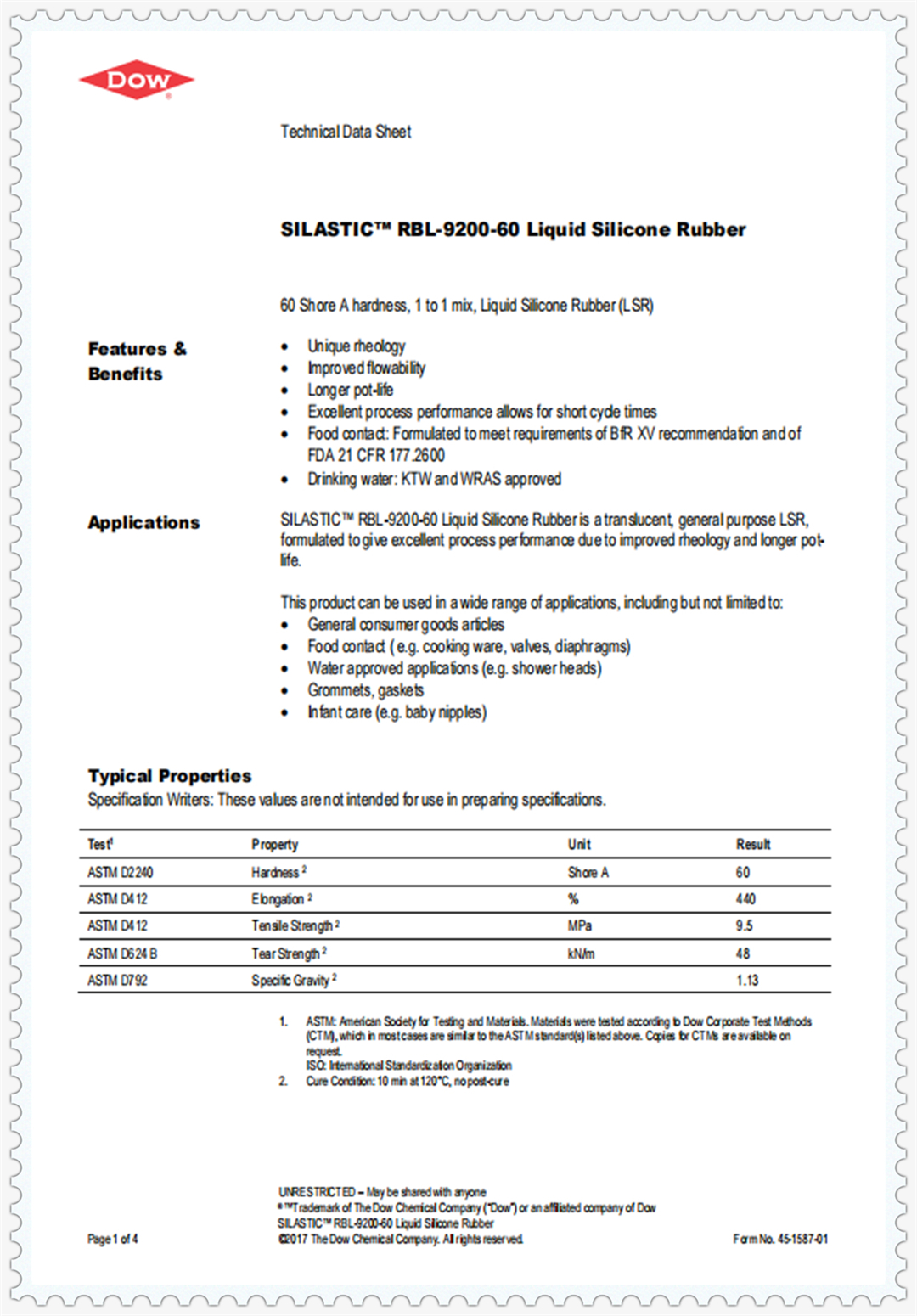
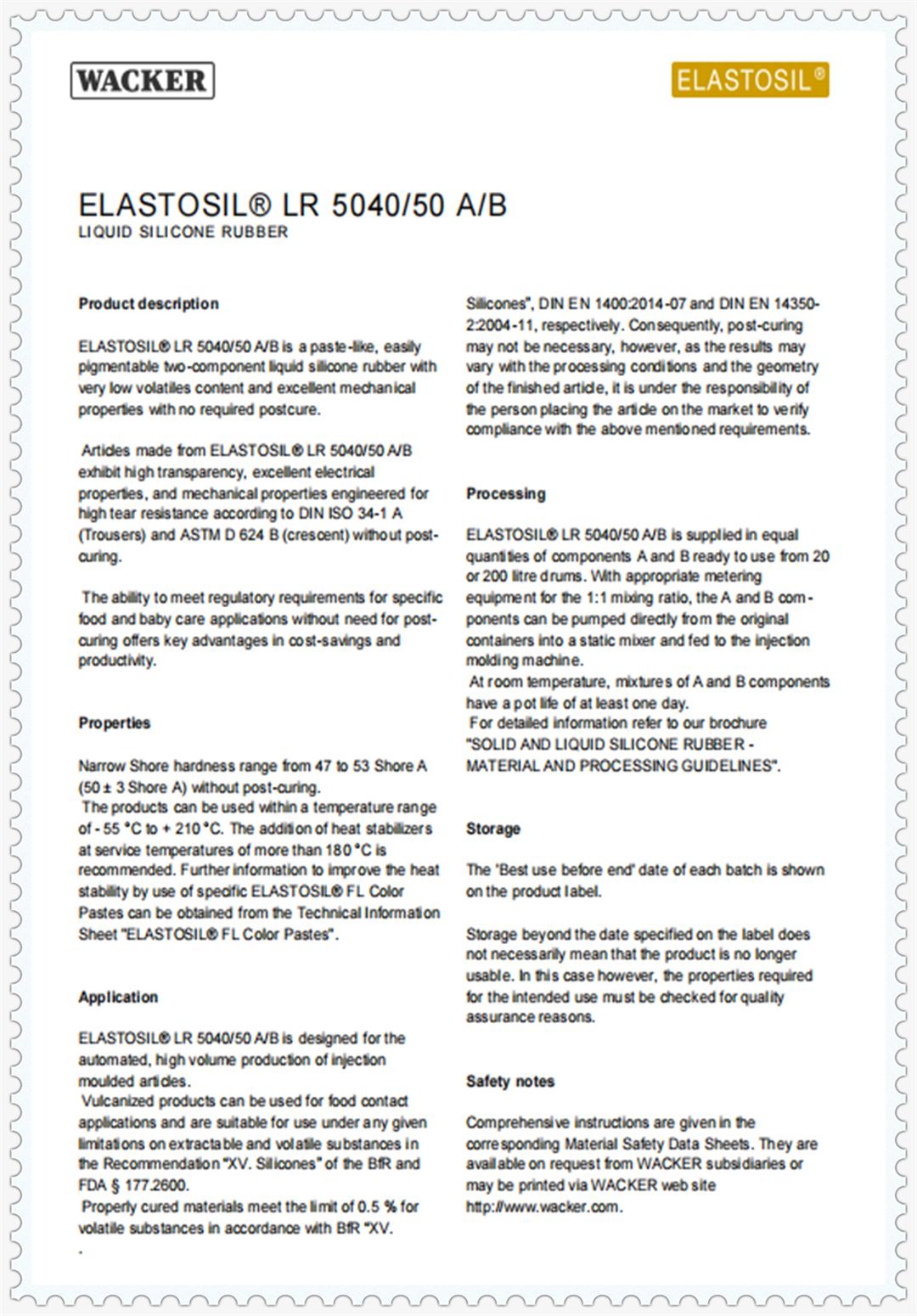
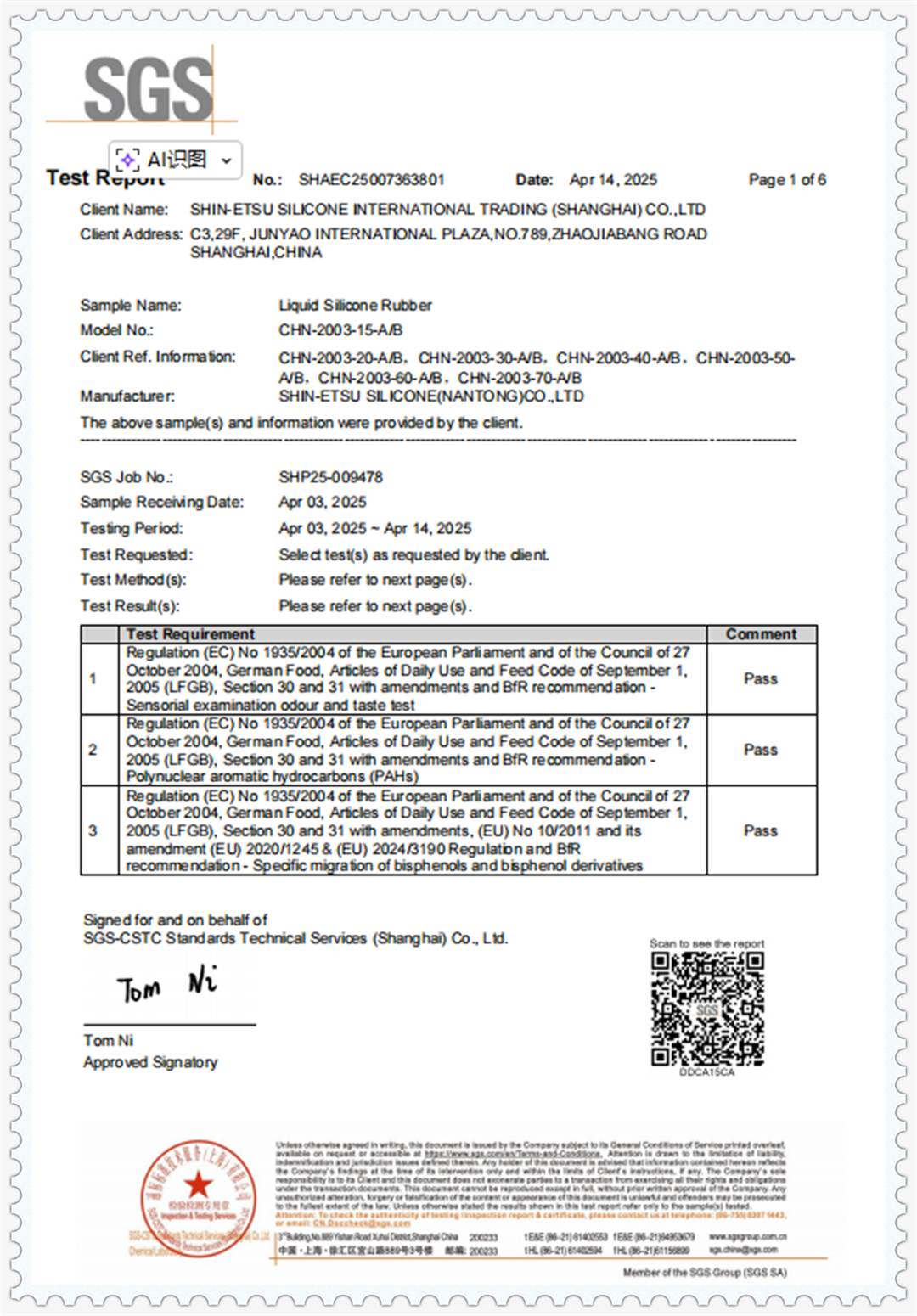
Every product undergoes stringent inspection protocols, including dimensional verification, material traceability, and performance testing. For medical and food-contact applications, we utilize platinum-cured silicone and comply with FDA, LFGB, and EU 10/2011 standards, ensuring safety for even the most sensitive uses.
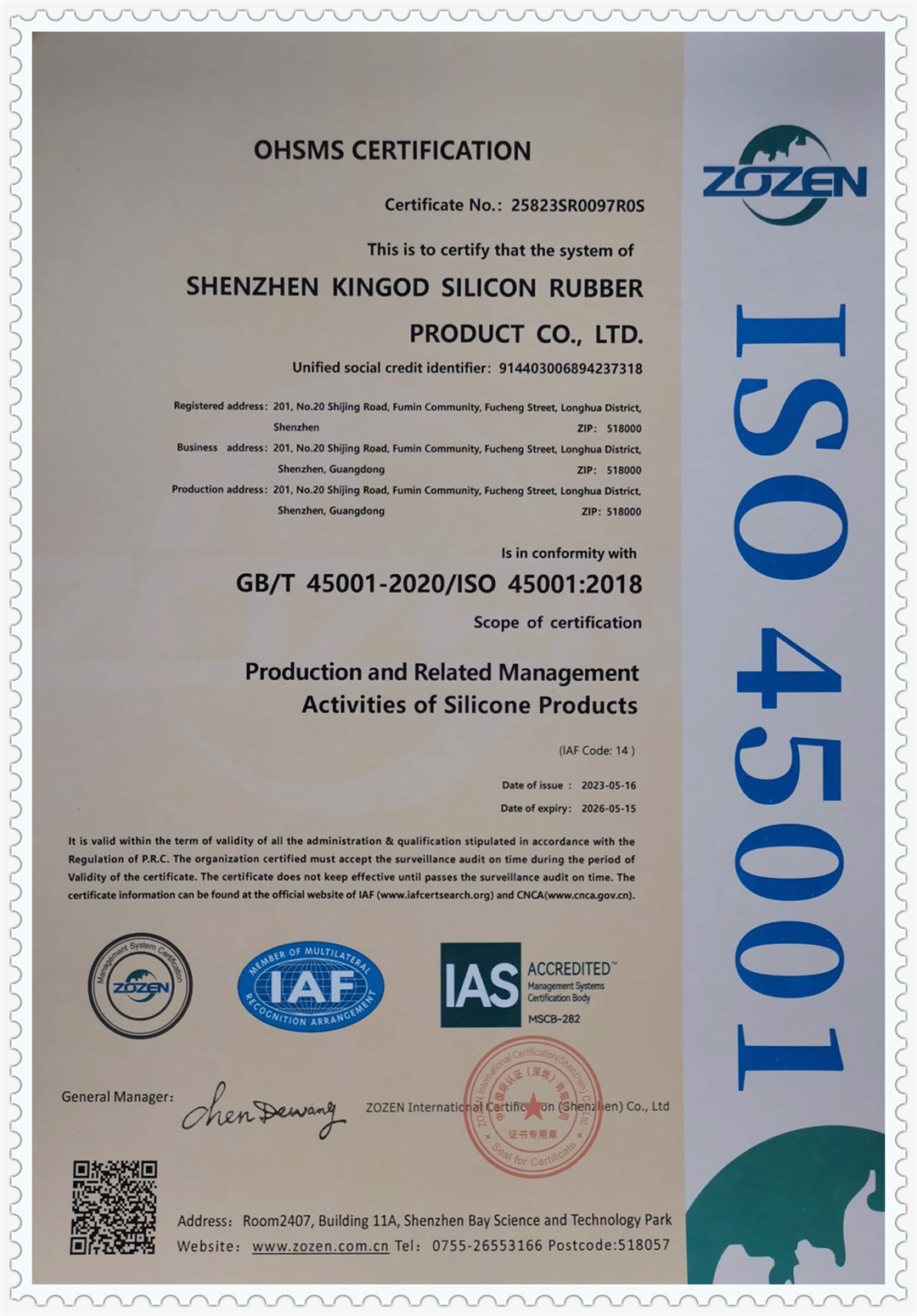
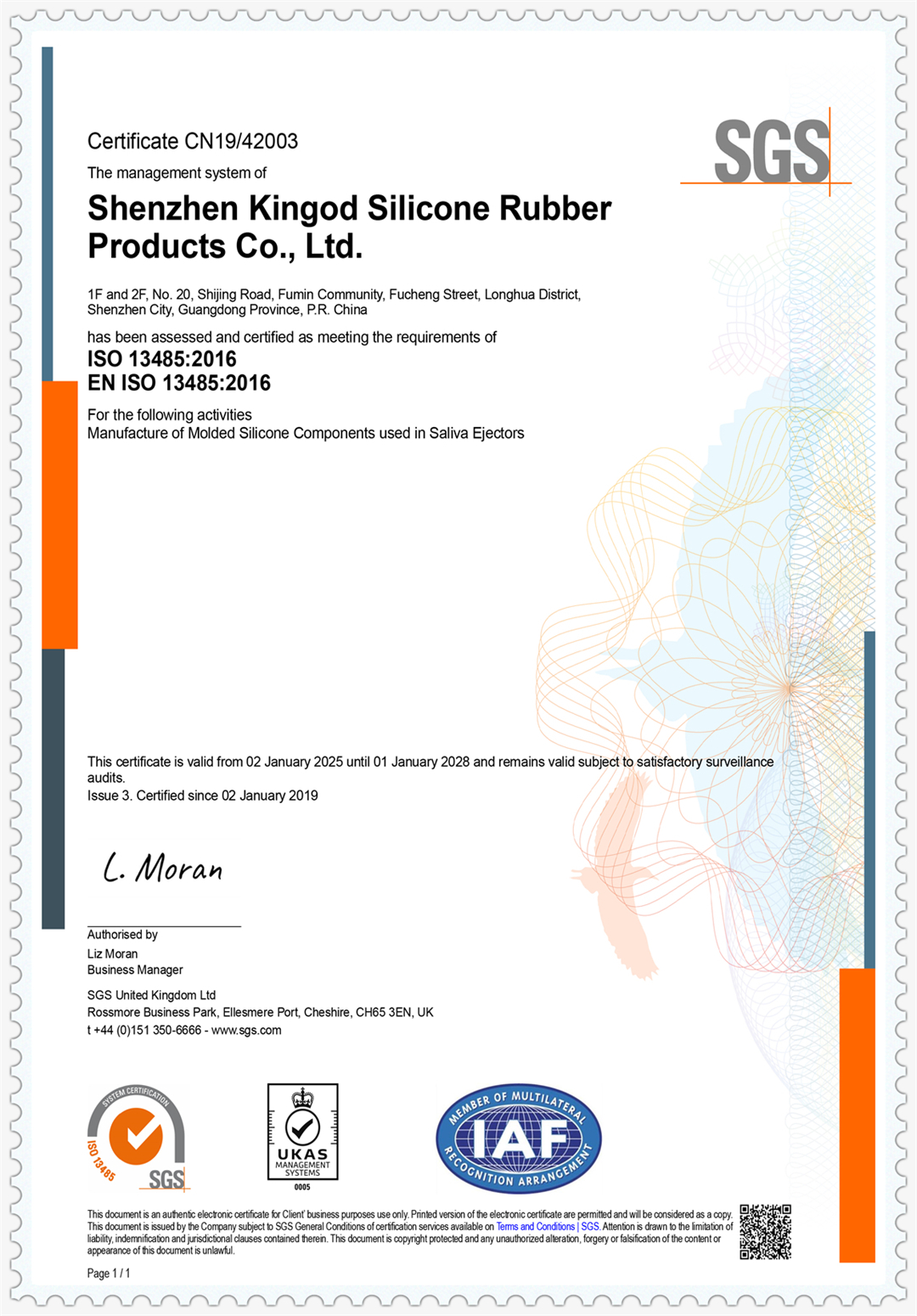
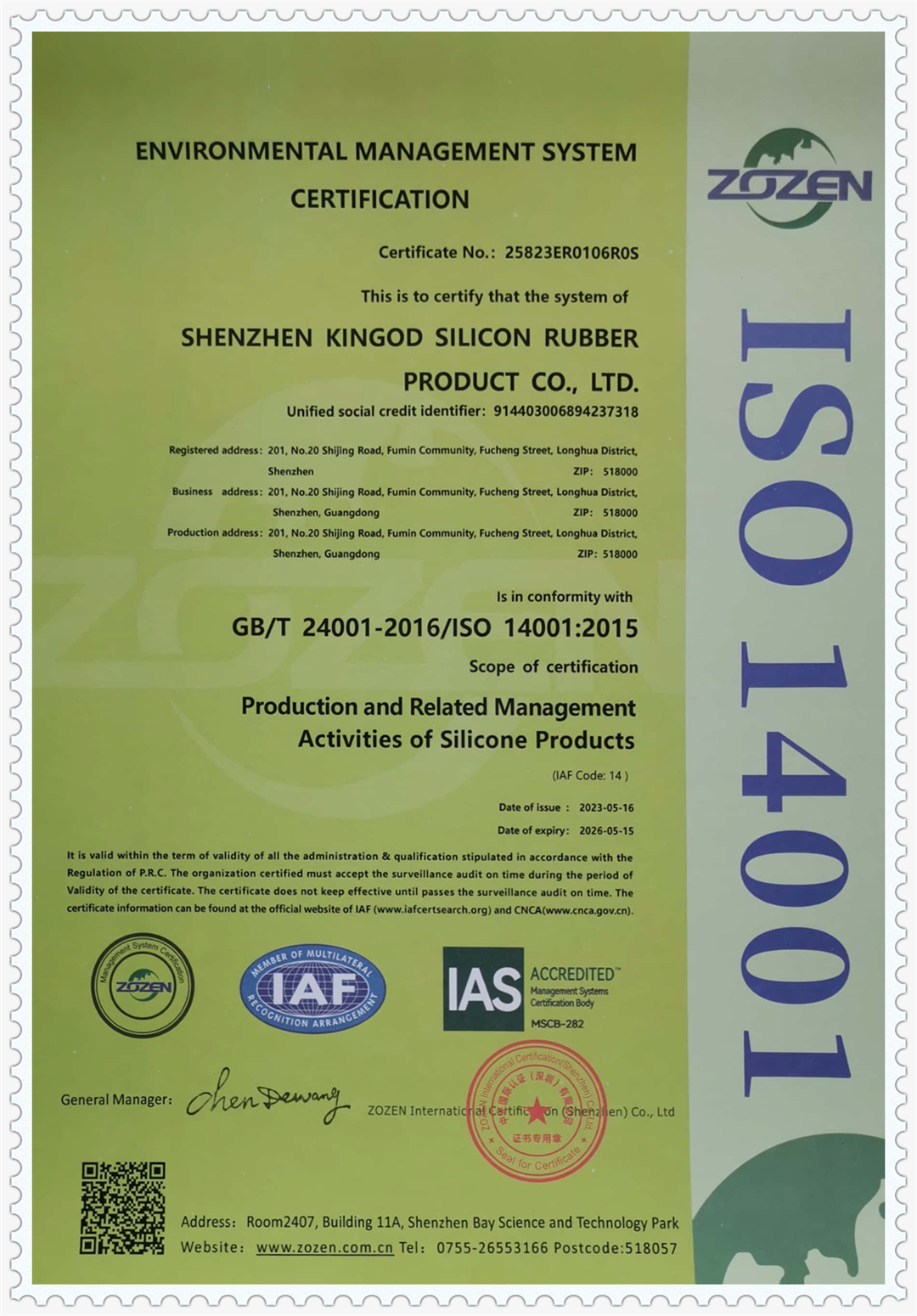
Optimizing mechanical geometry, gate locations, and demolding behaviors to accelerate NPI (New Product Introduction) cycles and scale seamlessly to mass production.
Unlike rigid plastics, LSR tolerates wall thickness variations without major sink marks. However, transitioning radii smoothly (R > 0.5 mm) prevents flow stagnation. LSR's high elongation (up to 700%) allows dramatic undercut ejection without mechanical lifters.
Liquid silicone replicates microscopic mold textures with sub-nanometer fidelity. We apply optical SPI A-1 diamond polishes for transparent light-guides, or EDM electrical discharge textures (VDI 24-33) to impart silky, anti-glare, fingerprint-resistant finishes on touch devices.
Aligning with consumer brand ESG roadmaps, our R&D engineers pioneer bio-circular feedstock silicones, post-consumer recyclable elastomer compounding, and solventless cleanroom vulcanization with near-zero greenhouse gas emissions.
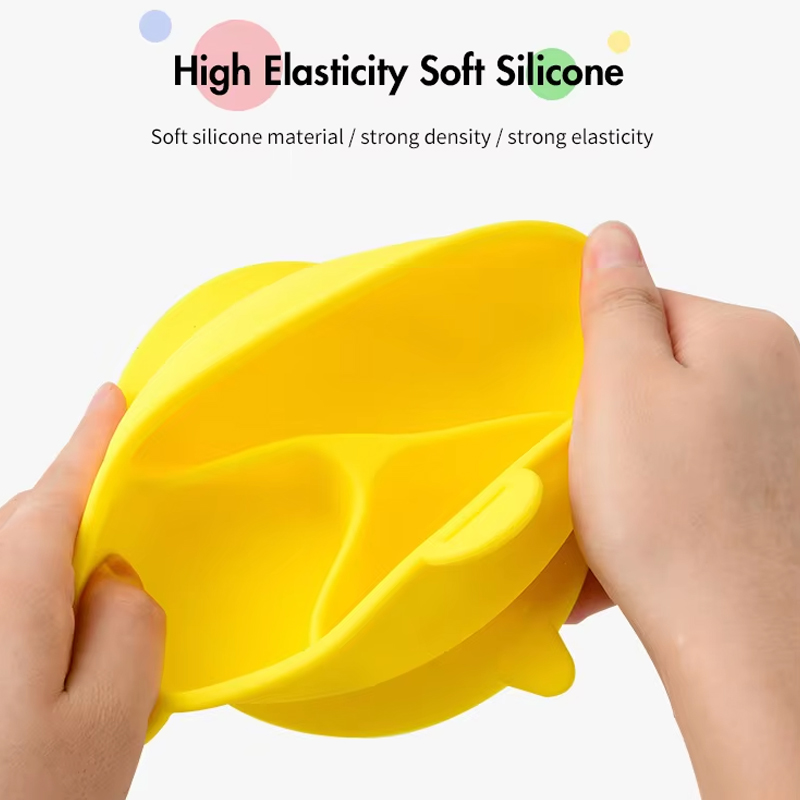
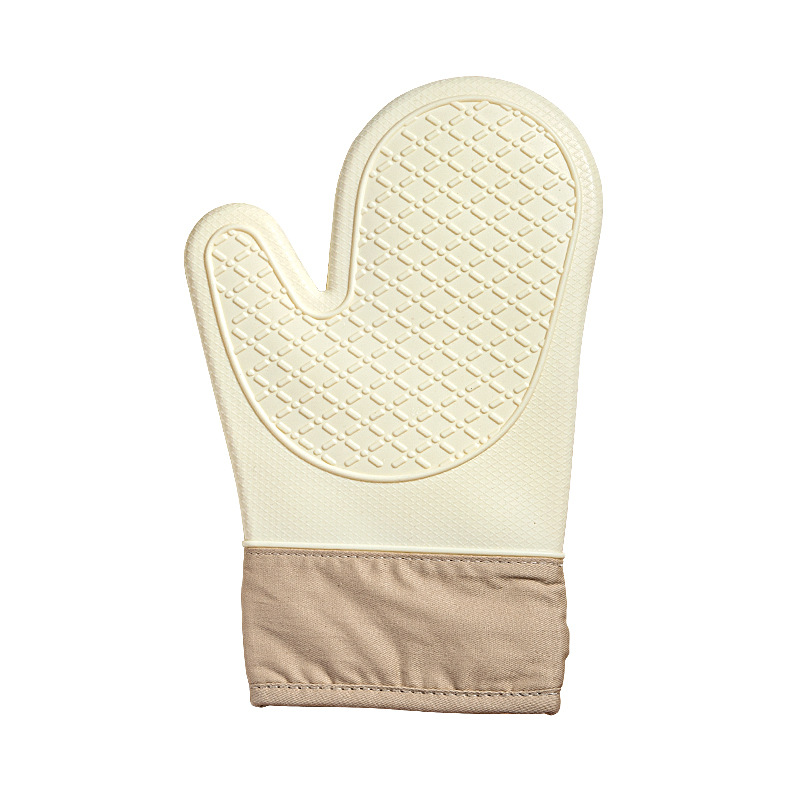
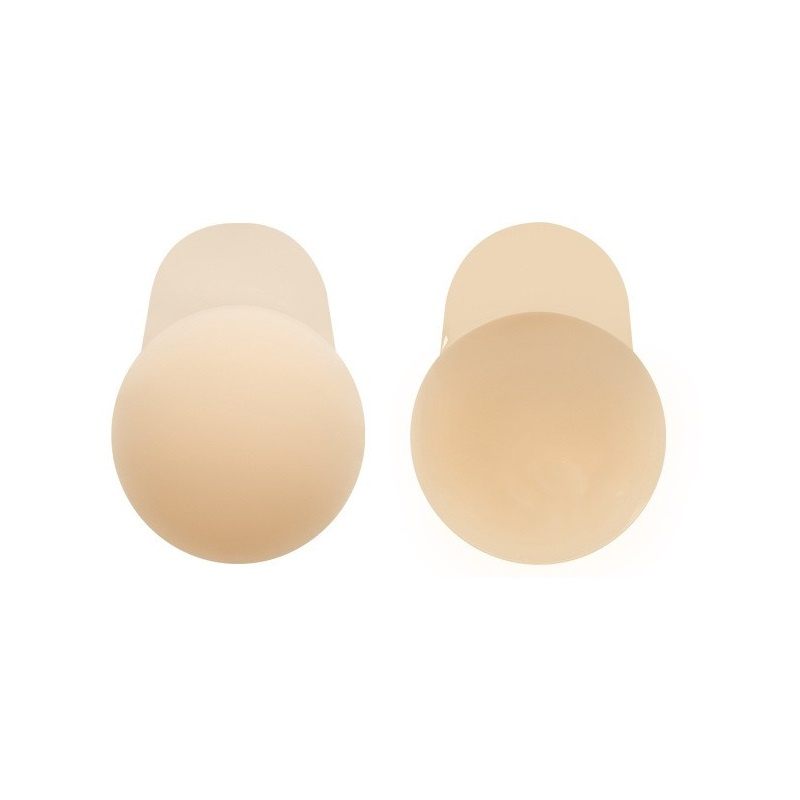
Showcasing our complete range of certified silicone manufacturing capabilities across consumer electronics, culinary lifestyle products, medical accessories, and ergonomic consumer hardware.