- Home
- Products
- Company
- Case Study
- News
- Contact Us
Leave Your Message
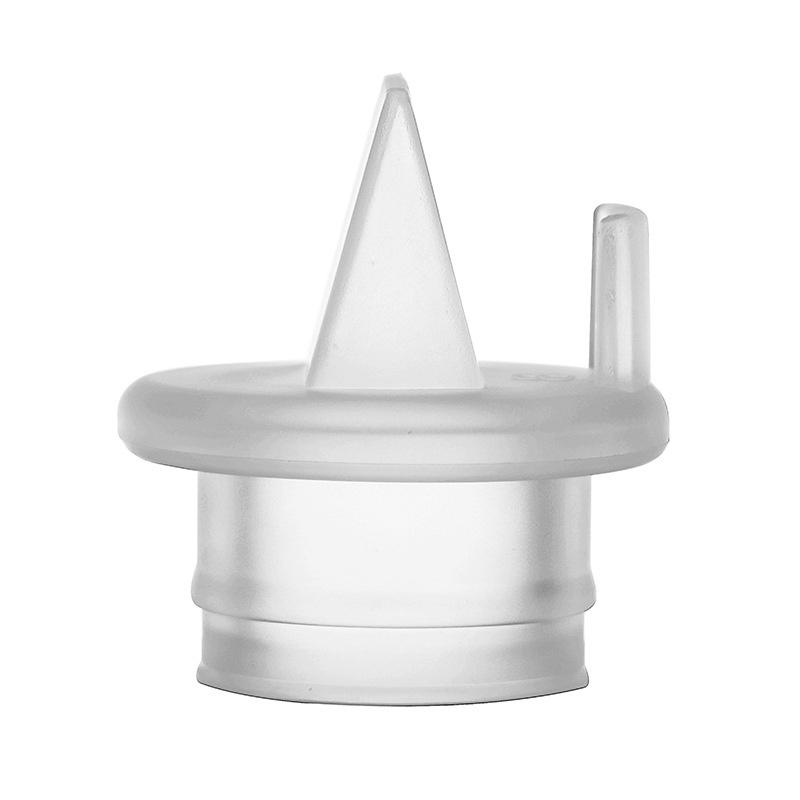
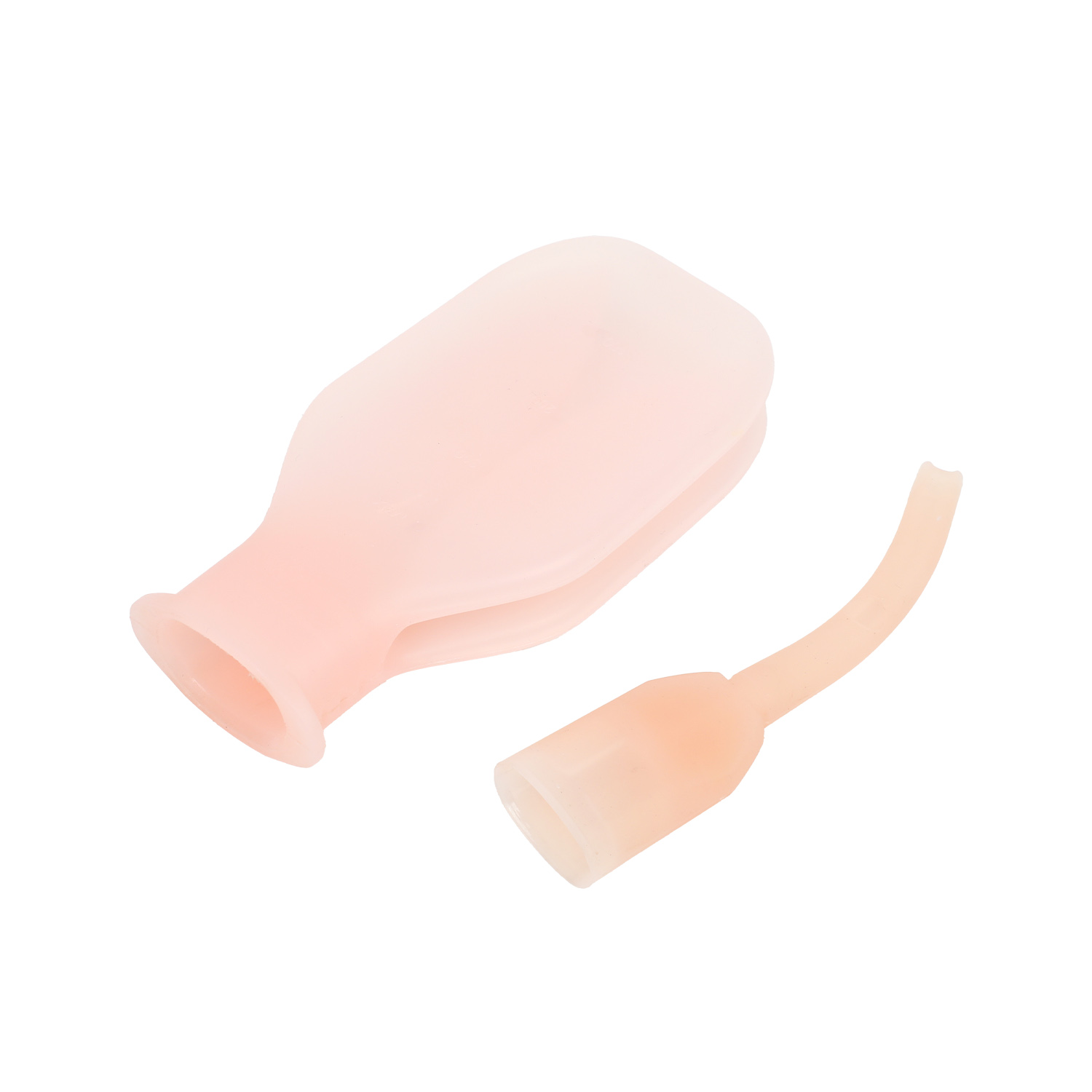
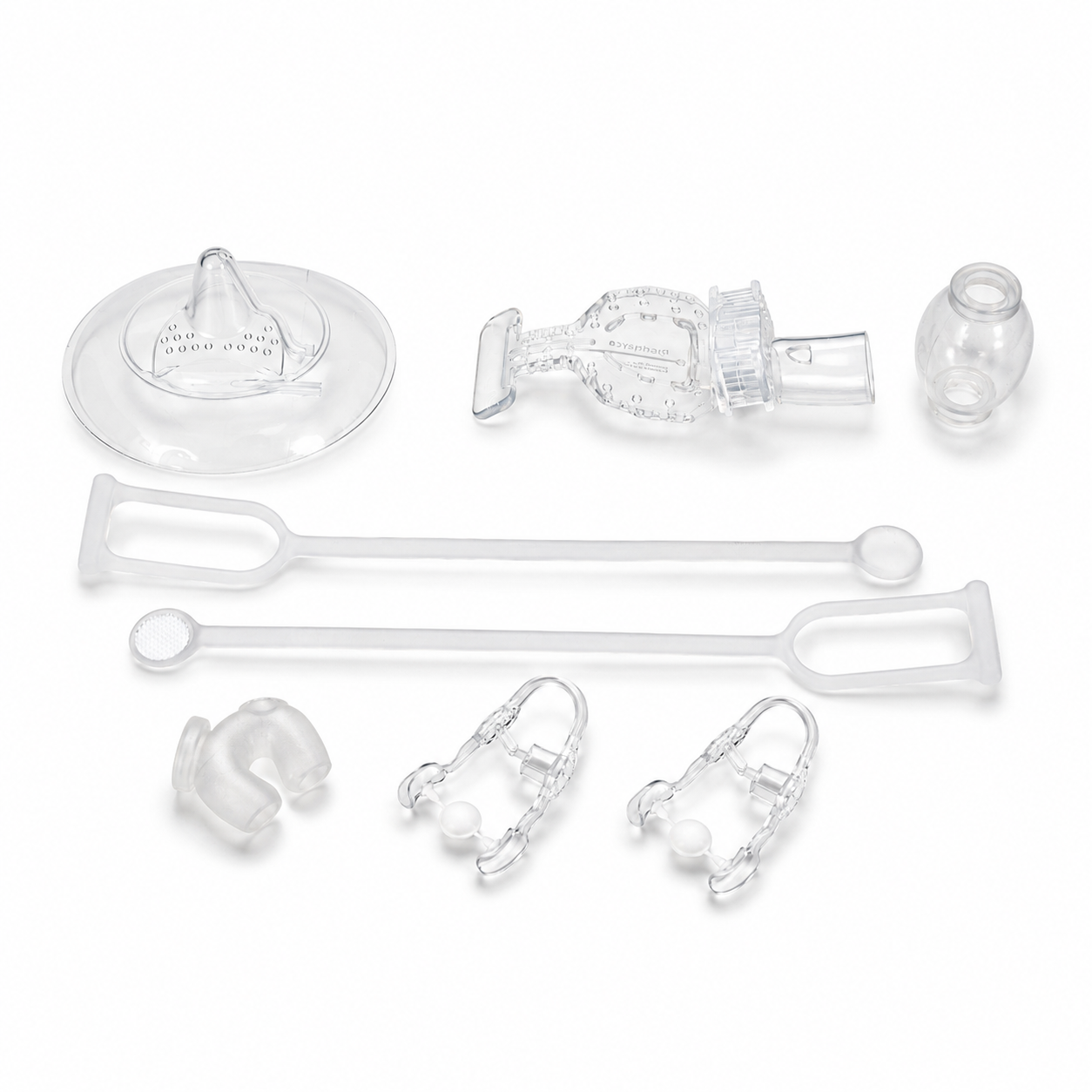
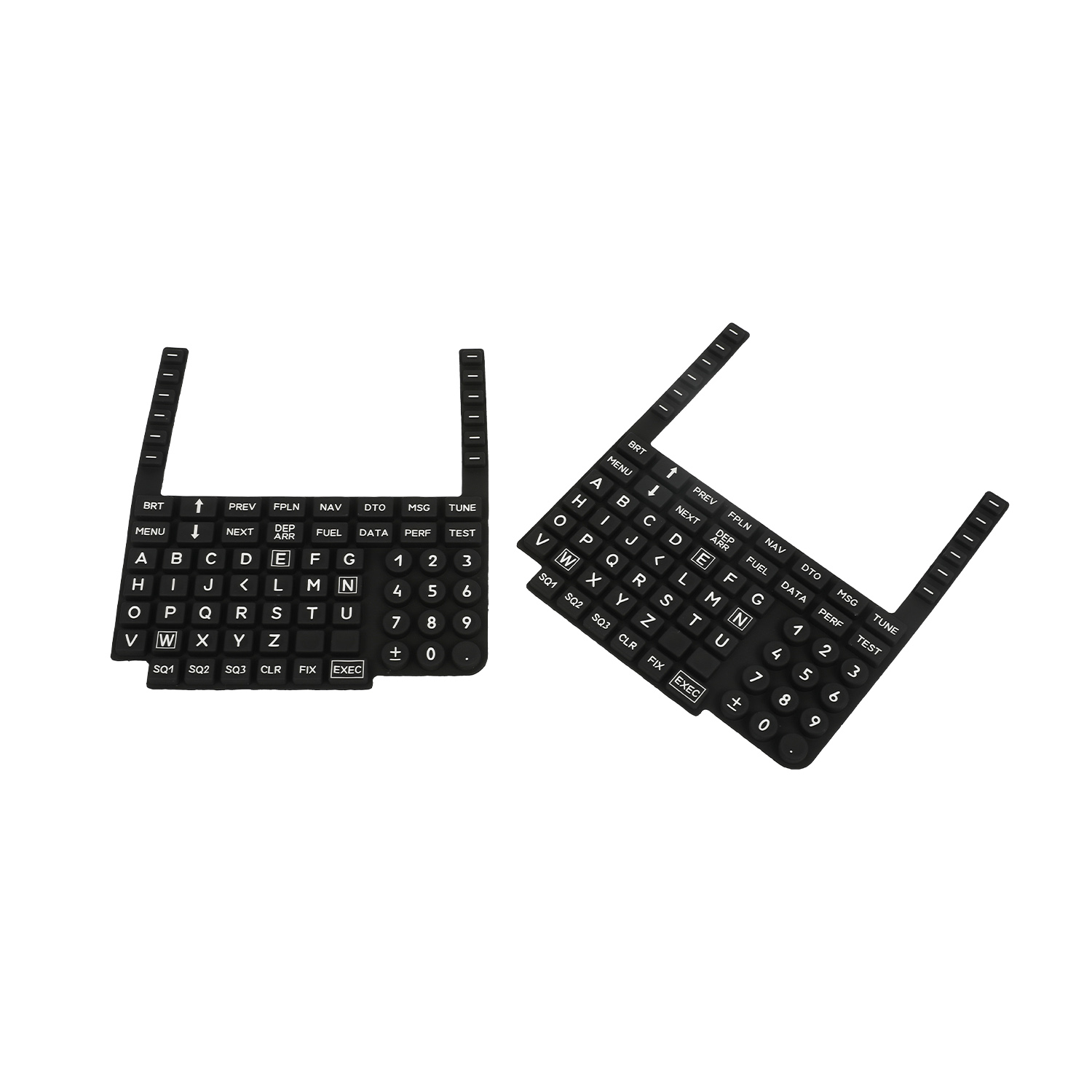
In the highly regulated medical device manufacturing sector, material selection and manufacturing precision are not just metrics of quality—they are parameters that directly affect patient outcomes. Liquid Silicone Rubber (LSR) has emerged as the premier material of choice for medical device manufacturers worldwide. Its unique chemical structure, characterized by an alternating silicon-oxygen backbone, imparts exceptional thermal stability, chemical inertness, and biological compatibility.
Medical-grade LSR components are designed to withstand extreme environments, including repeated sterilization cycles via autoclaving, ethylene oxide (EtO), and gamma-ray irradiation, without degrading their physical and mechanical properties. This resilience, combined with the material's innate flexibility and resistance to compression set, makes it indispensable for critical healthcare applications ranging from fluid management systems to respiratory interfaces and implantable components.
The global medical LSR market is experiencing exponential growth, driven by an aging global population, the rise of minimally invasive surgical procedures, and the soaring demand for wearable health monitors. Industry reports suggest that the demand for medical-grade liquid silicone rubber injection molding will maintain a CAGR of over 8.5% through the next decade, with micro-molding and multi-shot (2K) molding techniques leading the innovation curve.
Liquid Silicone Rubber is utilized across a vast spectrum of medical devices. Its adaptability allows engineers to design complex geometries with tight tolerances that are impossible to achieve with standard elastomers or thermoplastics.
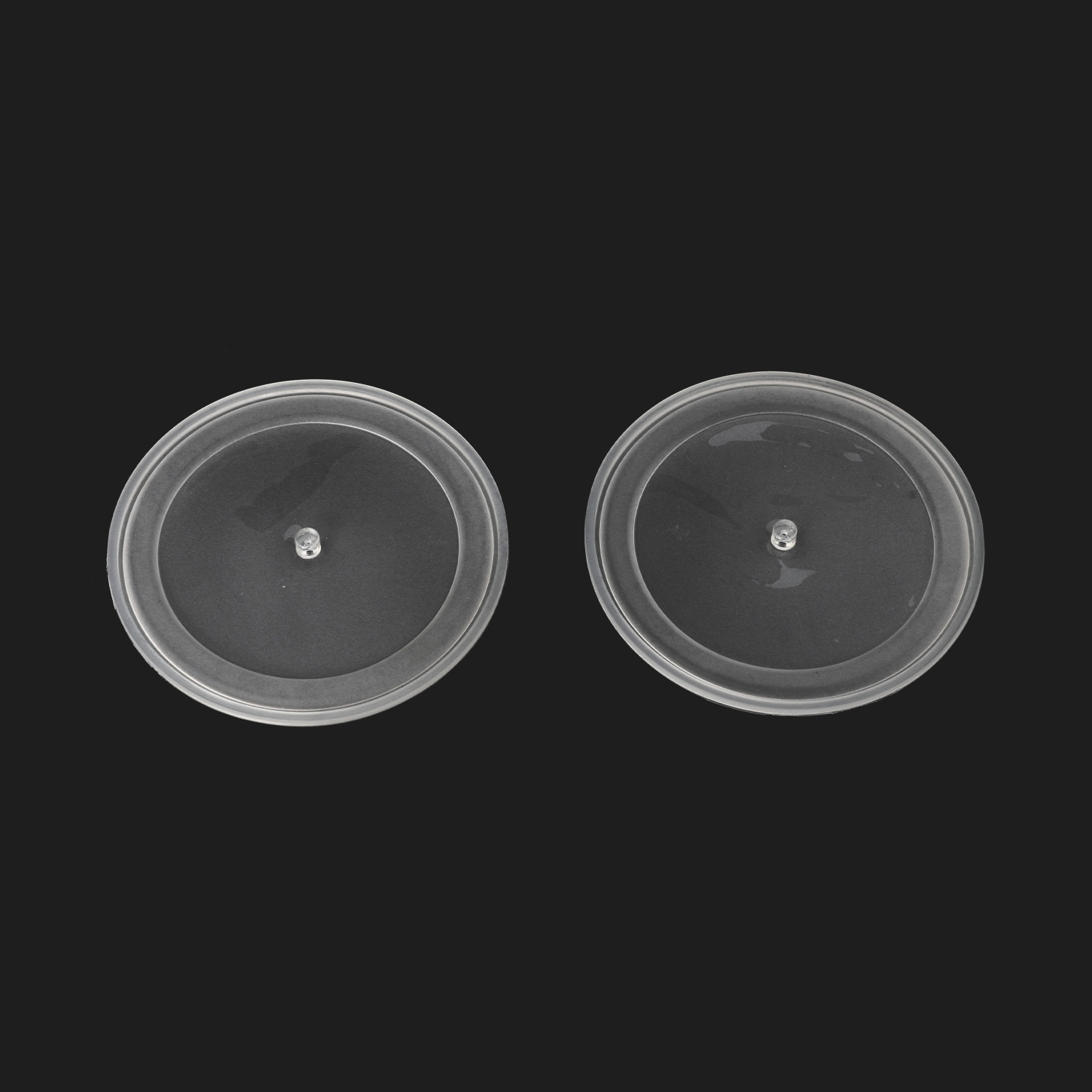
At the heart of drug delivery systems, IV therapies, and enteral feeding devices are micro-valves, diaphragms, and septums that regulate flow rates with micro-liter precision. LSR's low compression set ensures that these components maintain their sealing integrity over millions of cycles. The self-healing properties of certain medical-grade LSRs make them ideal for injection ports and multi-dose vial stoppers, where resealability after needle penetration is mandatory.
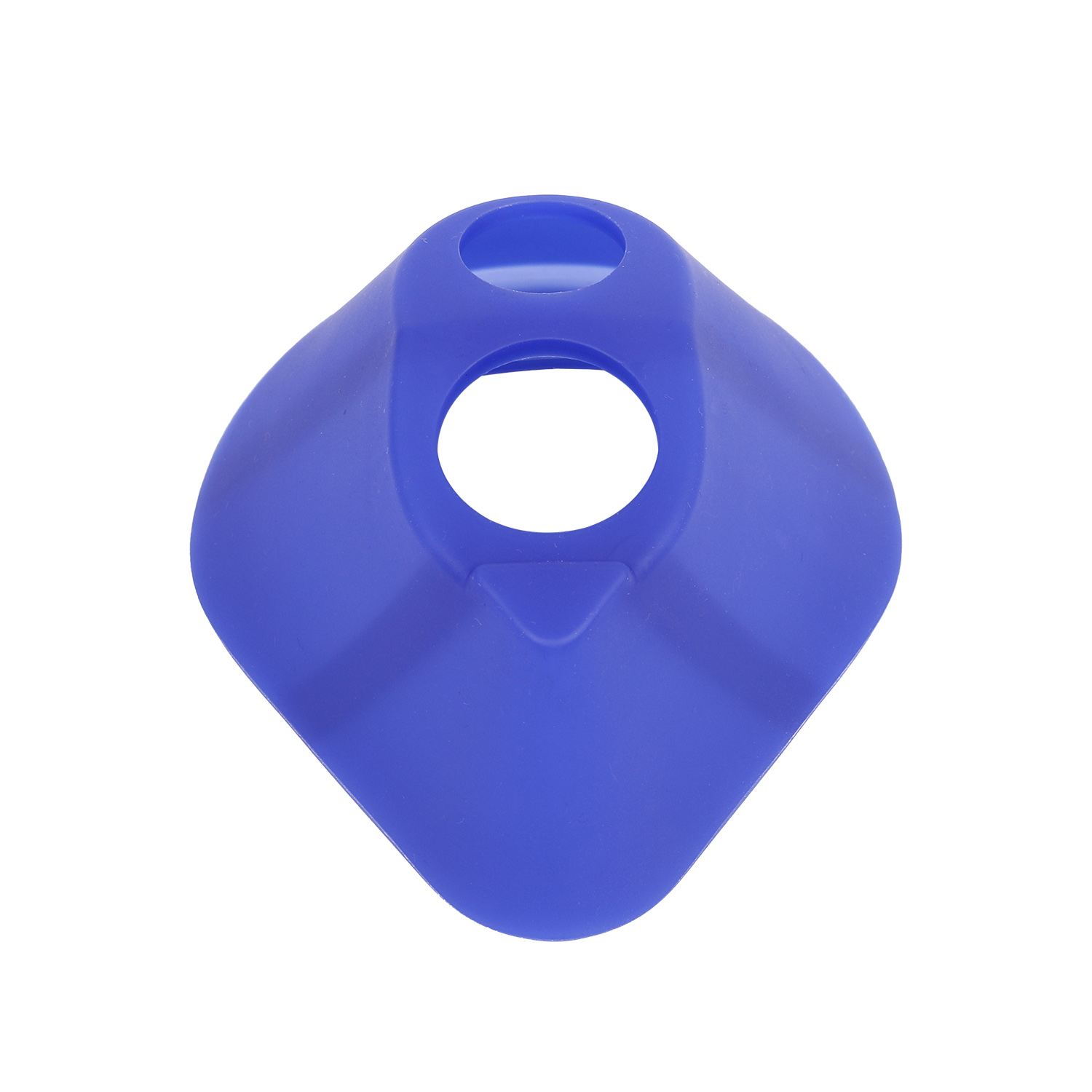
Patient comfort and airtight seals are paramount in respiratory therapy. LSR masks, nasal cushions, and bellows offer a soft, hypoallergenic interface with human skin. Because LSR does not contain plasticizers or latex, it minimizes the risk of dermatological reactions. Its high tear strength prevents damage during assembly and patient use, ensuring long-term reliability in critical care ventilation systems.
As surgical procedures transition toward robotic-assisted and minimally invasive techniques, the components used must become smaller and more complex. LSR micro-molded parts, such as distal tips, seals for endoscopic instruments, and insulating sleeves, protect delicate electronics while providing structural integrity. The material's low viscosity during molding allows it to flow into extremely thin walls (under 0.1mm) without flash or structural defects.
For applications involving direct contact with bodily fluids or tissues, platinum-cured LSR is the gold standard. Free of peroxide by-products, platinum-cured silicone exhibit superior biocompatibility, meeting ISO 10993 and USP Class VI requirements. These materials are used in long-term implants, catheters, pacemaker leads, and cosmetic implants where chemical stability is non-negotiable.
Producing ultra-small medical components weighing less than a fraction of a gram with micron-level tolerances.
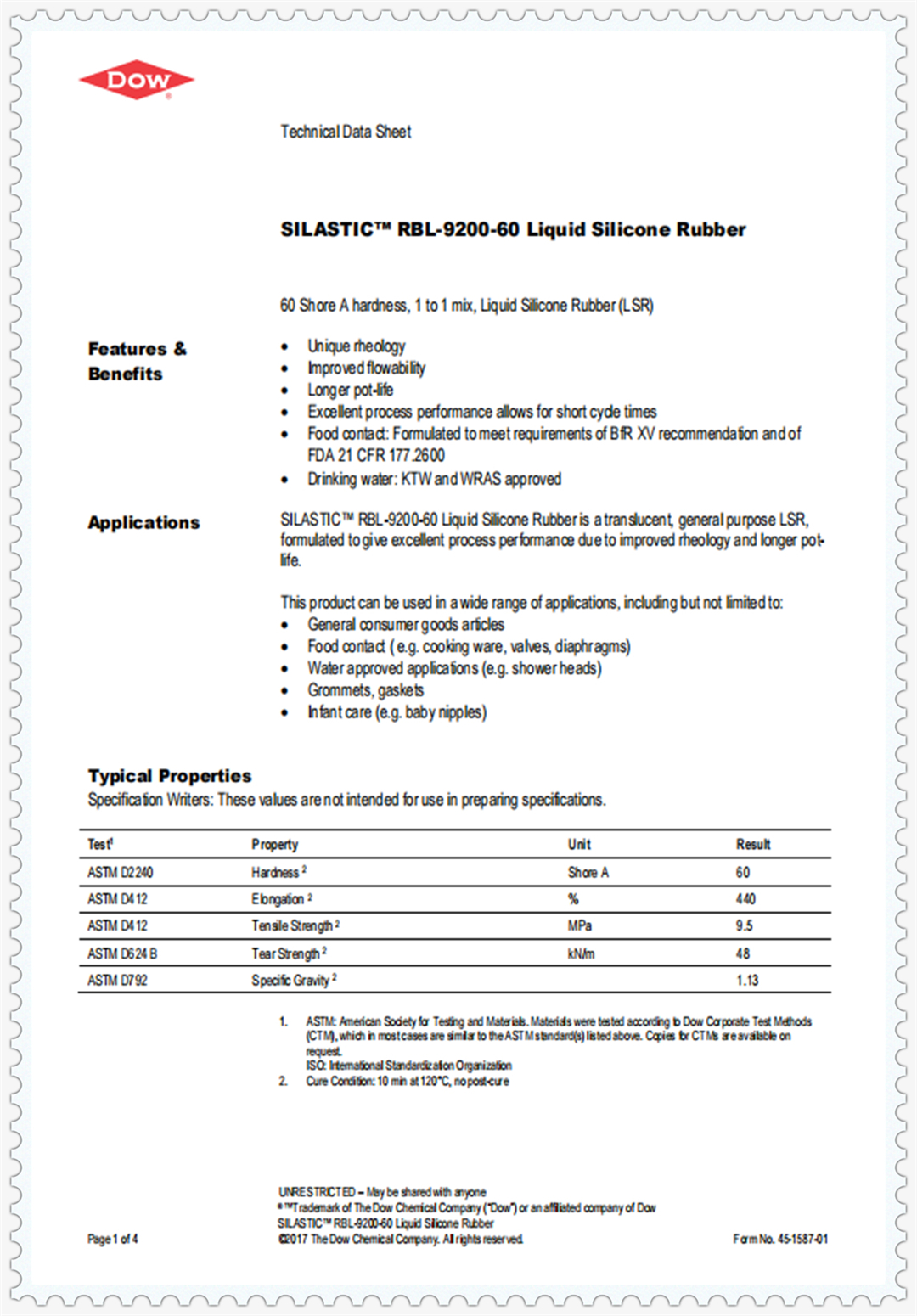
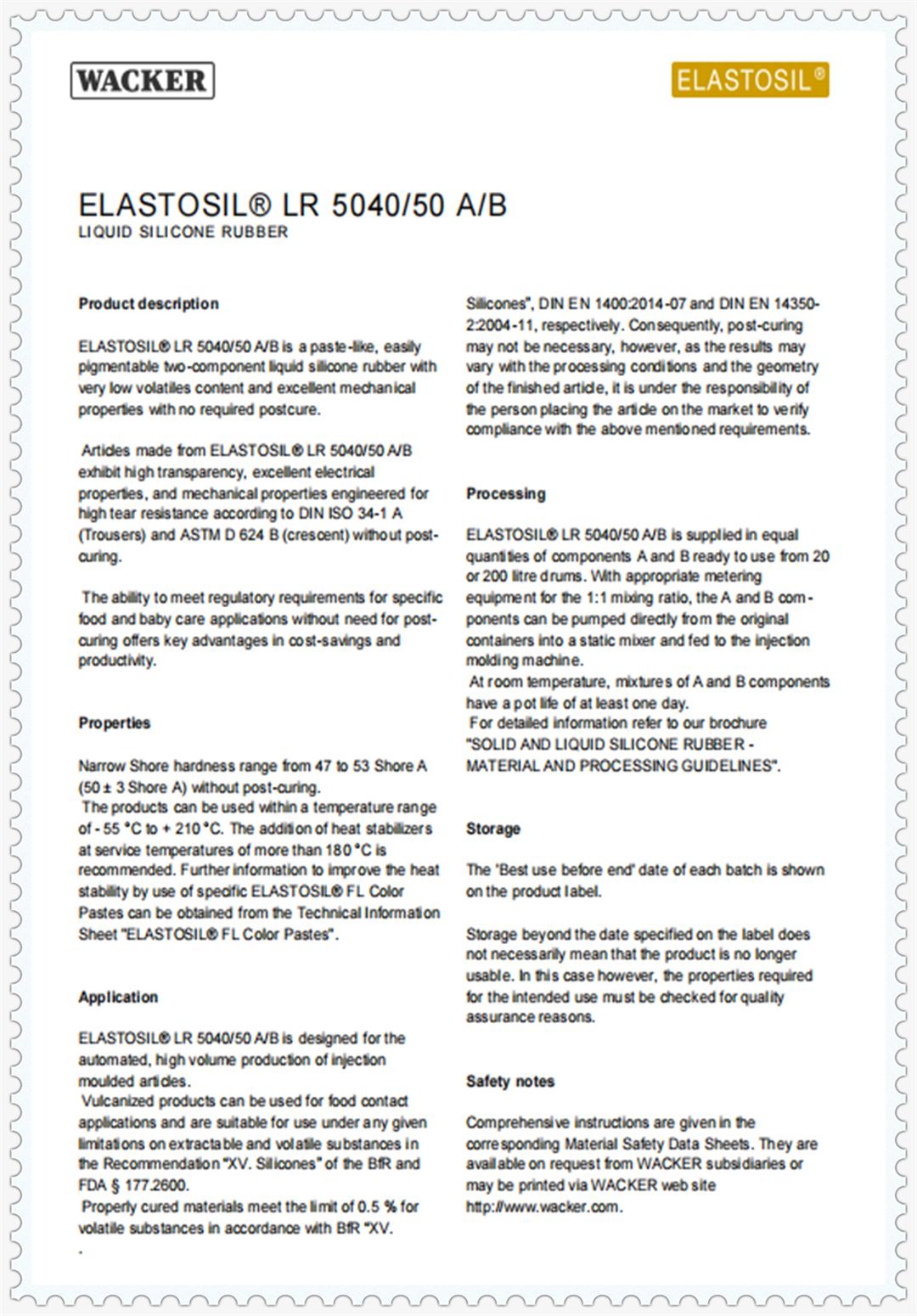
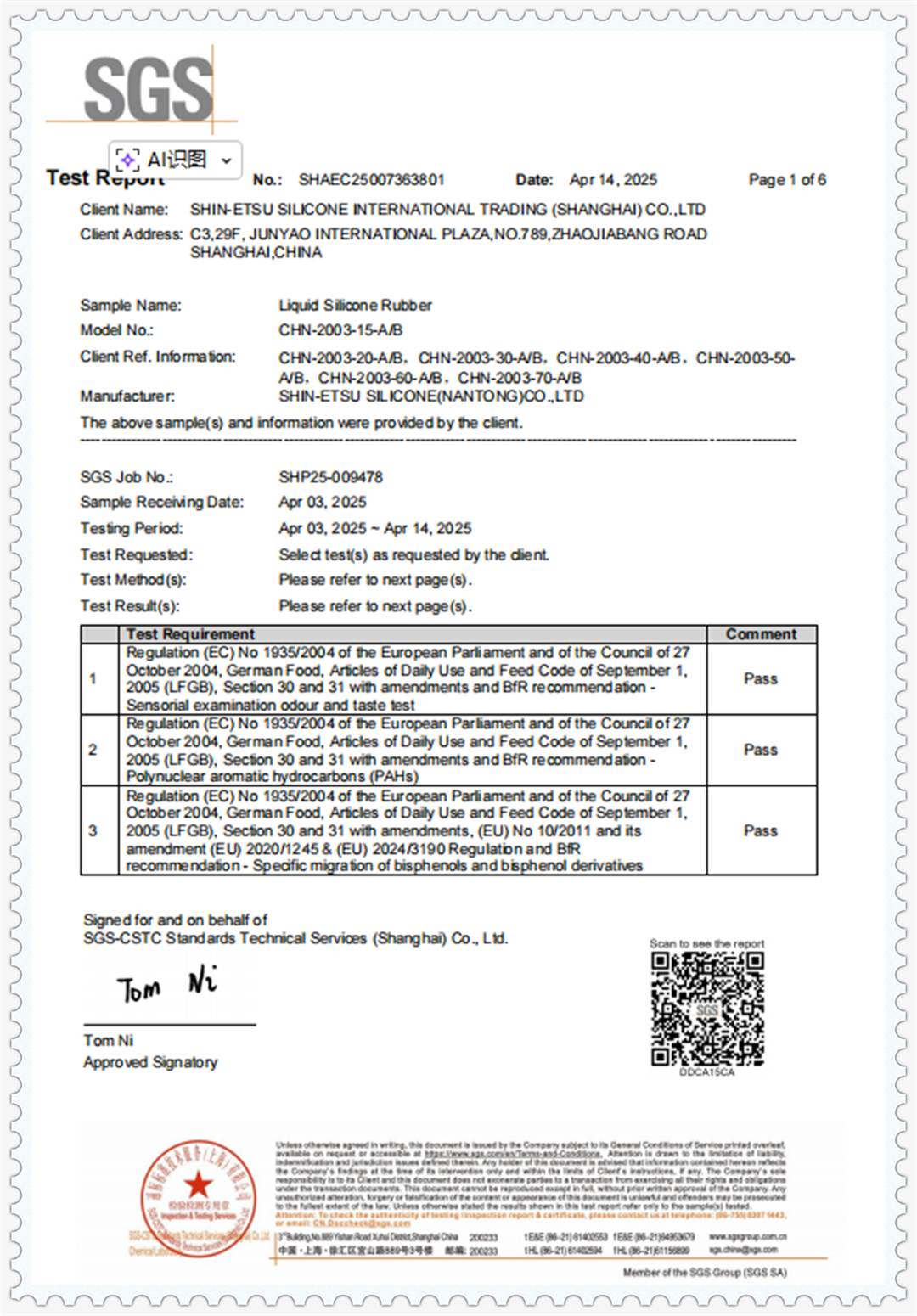
Fully compliant with USP Class VI, ISO 10993, FDA, and LFGB standards for maximum patient safety.
At Shenzhen Kingod Silicone Products Co., Ltd., we believe that great products begin with great partnerships. As a custom silicone products manufacturer, we combine advanced molding technology, rigorous quality systems, and genuine end-to-end support to bring your concepts to life.
By manufacturing in-house, we eliminate intermediaries and pass the savings directly to you. Factory-direct pricing means you receive cost-effective solutions without sacrificing quality.
Our vertically integrated operations allow us to control every stage of production, optimizing efficiency and reducing lead times. Whether you require prototype quantities or million-unit production runs, you receive the same transparent, competitive pricing structure.
To support the high-purity requirements of medical device manufacturers, our manufacturing processes are executed within controlled environments. From material preparation to injection molding, post-curing, and packaging, we mitigate contamination risks at every turn. Our advanced LSR injection molding machinery features closed-loop control systems, ensuring shot-to-shot consistency and precise dosing of the two-part liquid silicone component.
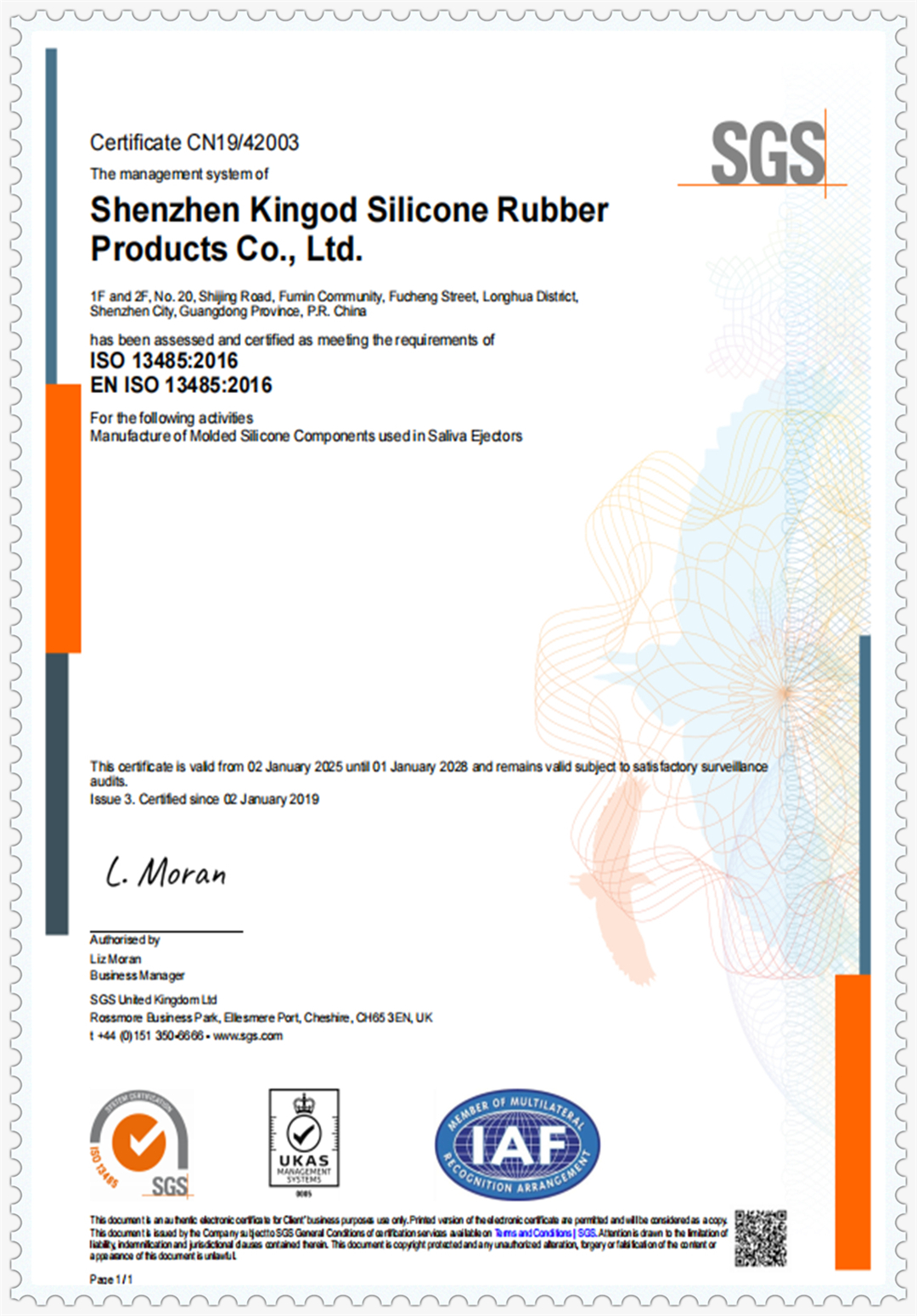
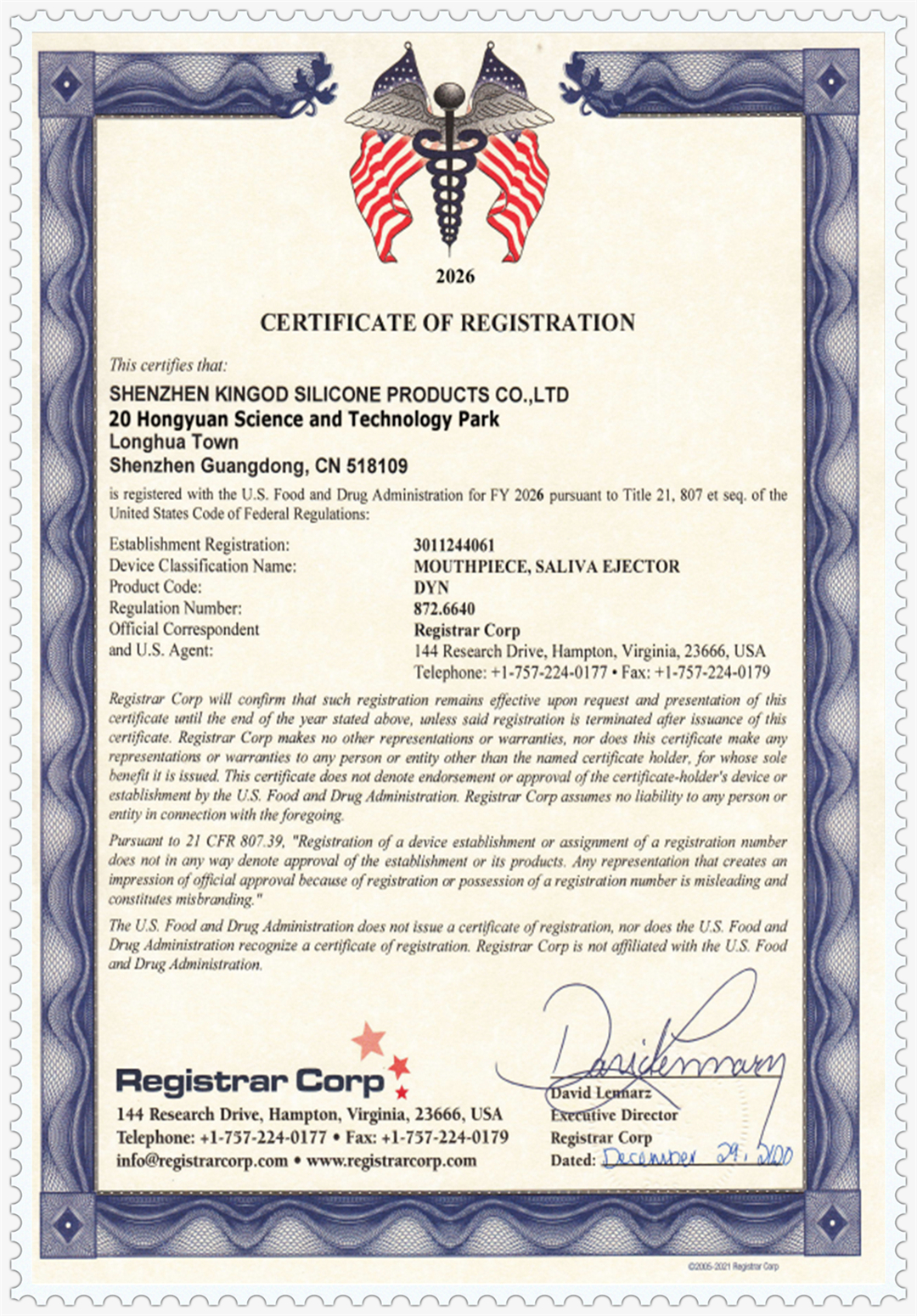
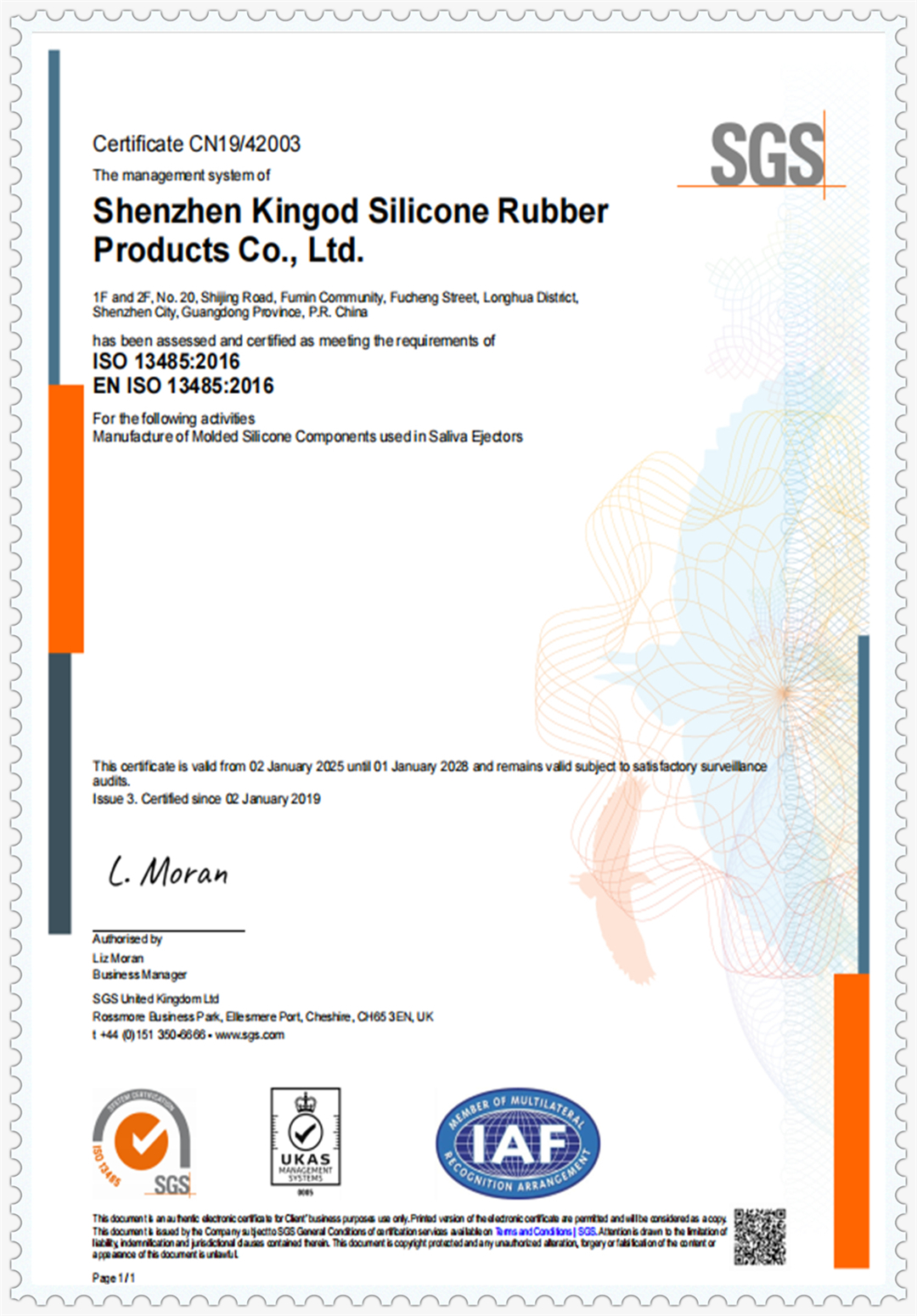
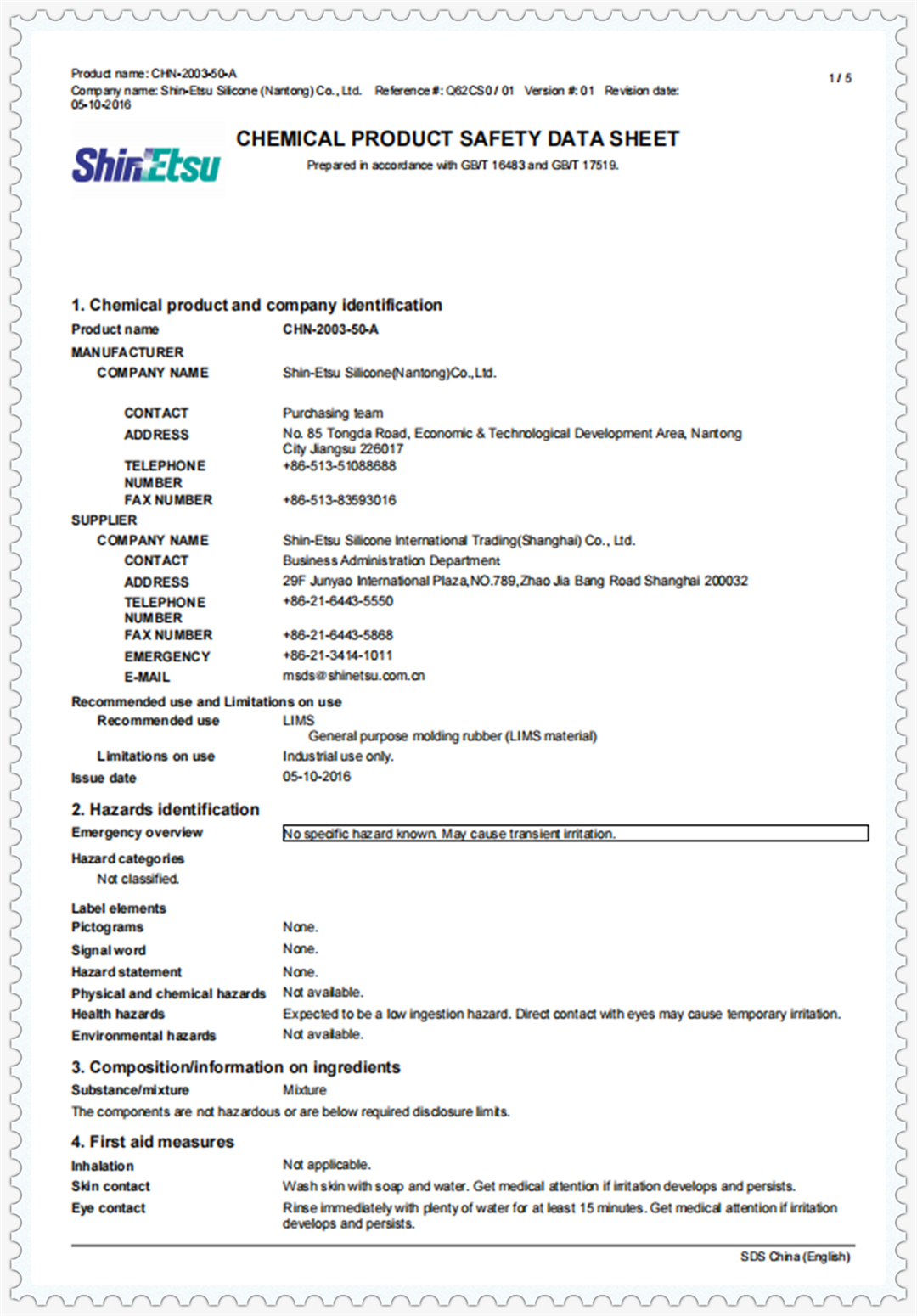
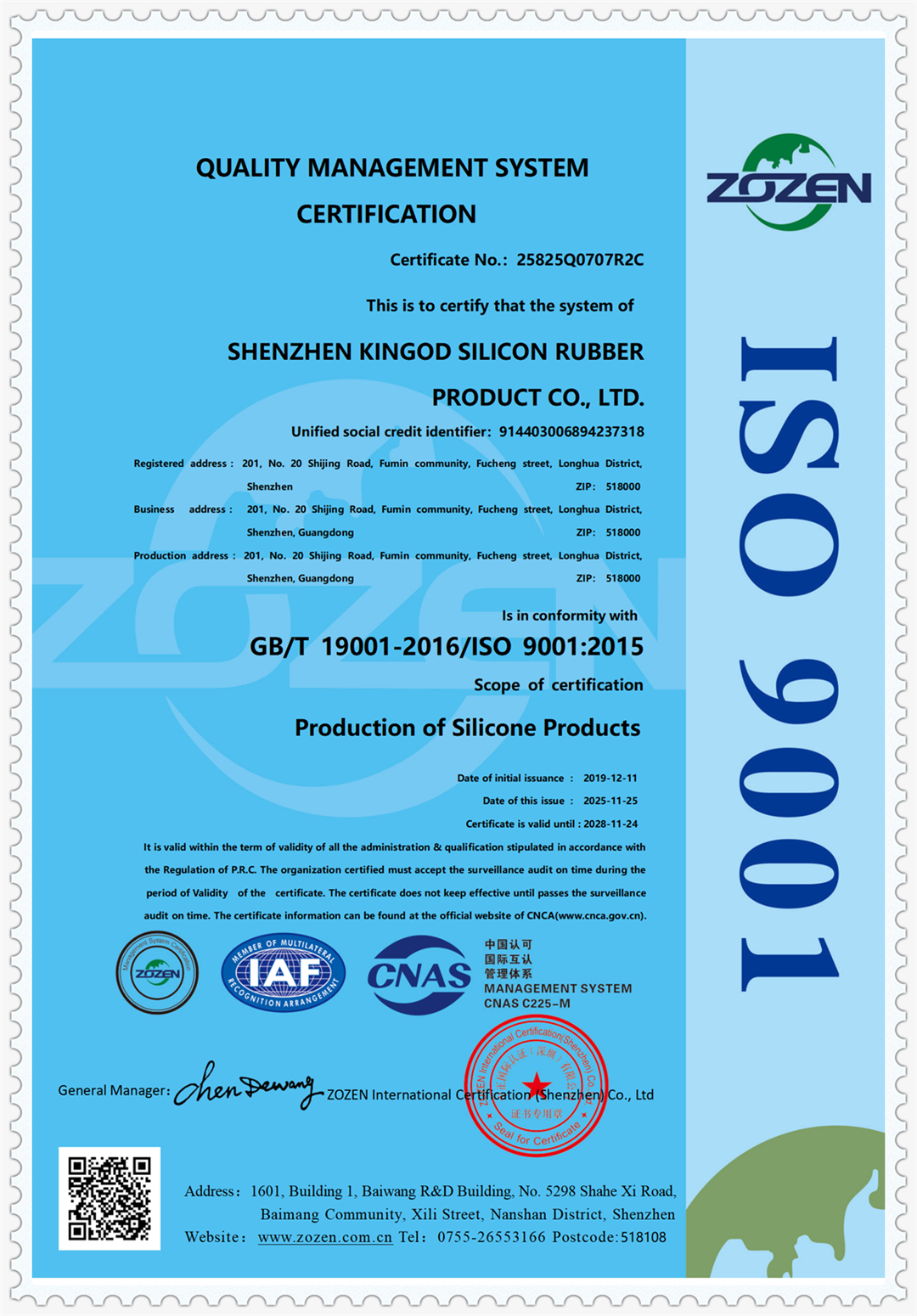
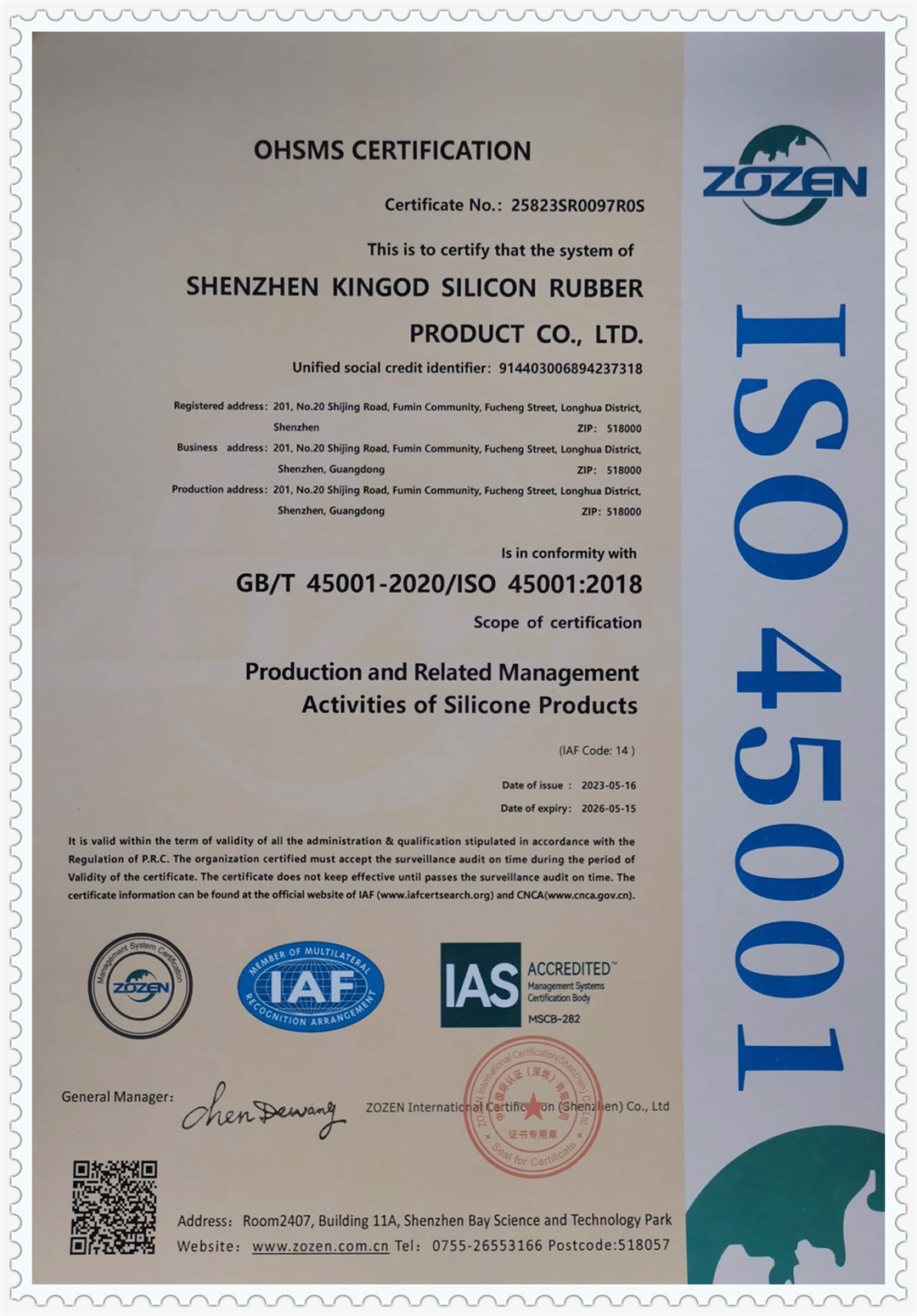
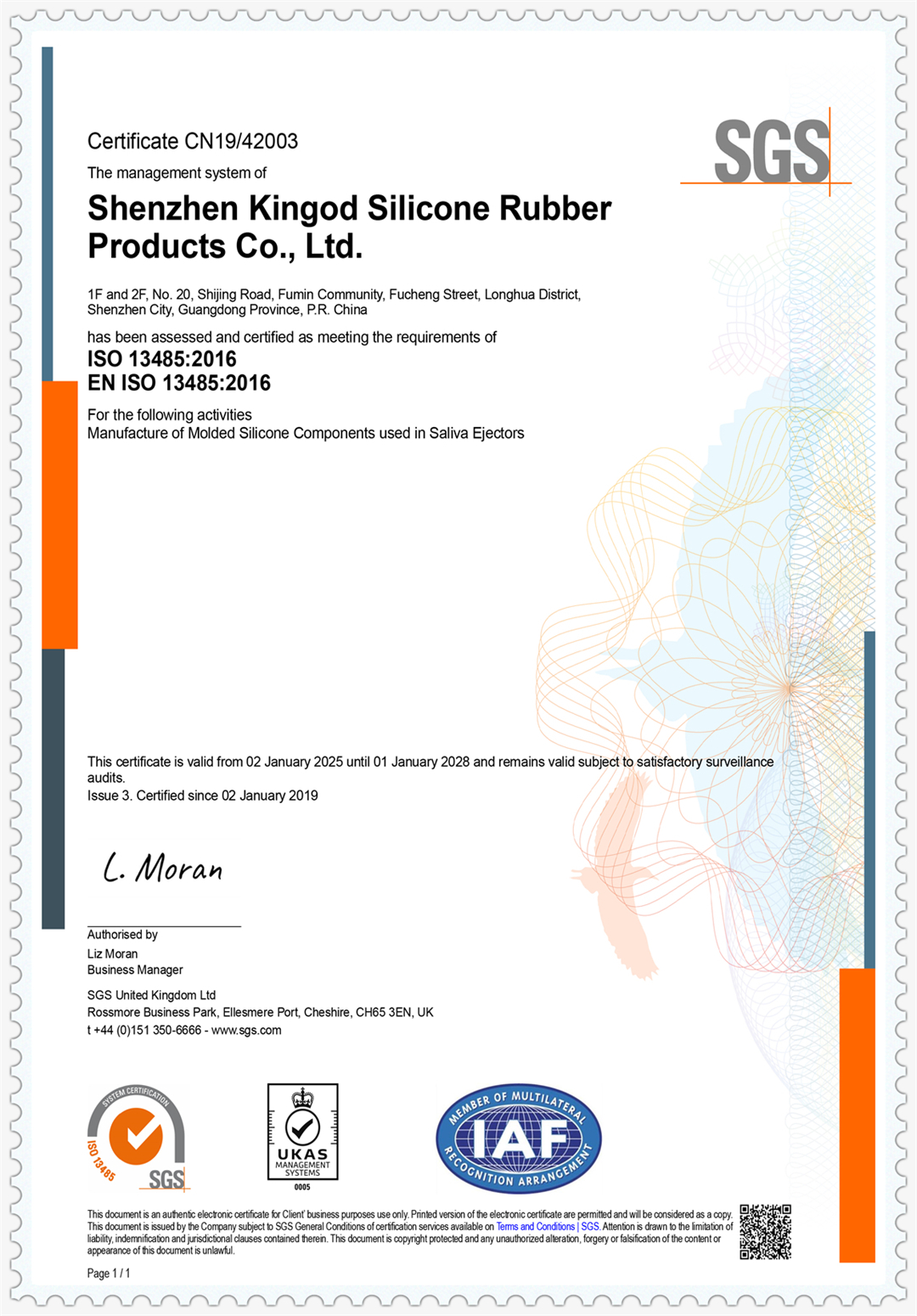
Quality is not just a promise—it is a process. Our facility operates under internationally recognized quality management systems:
Every product undergoes stringent inspection protocols, including dimensional verification, material traceability, and performance testing. For medical and food-contact applications, we utilize platinum-cured silicone and comply with FDA, LFGB, and EU 10/2011 standards, ensuring safety for even the most sensitive uses.
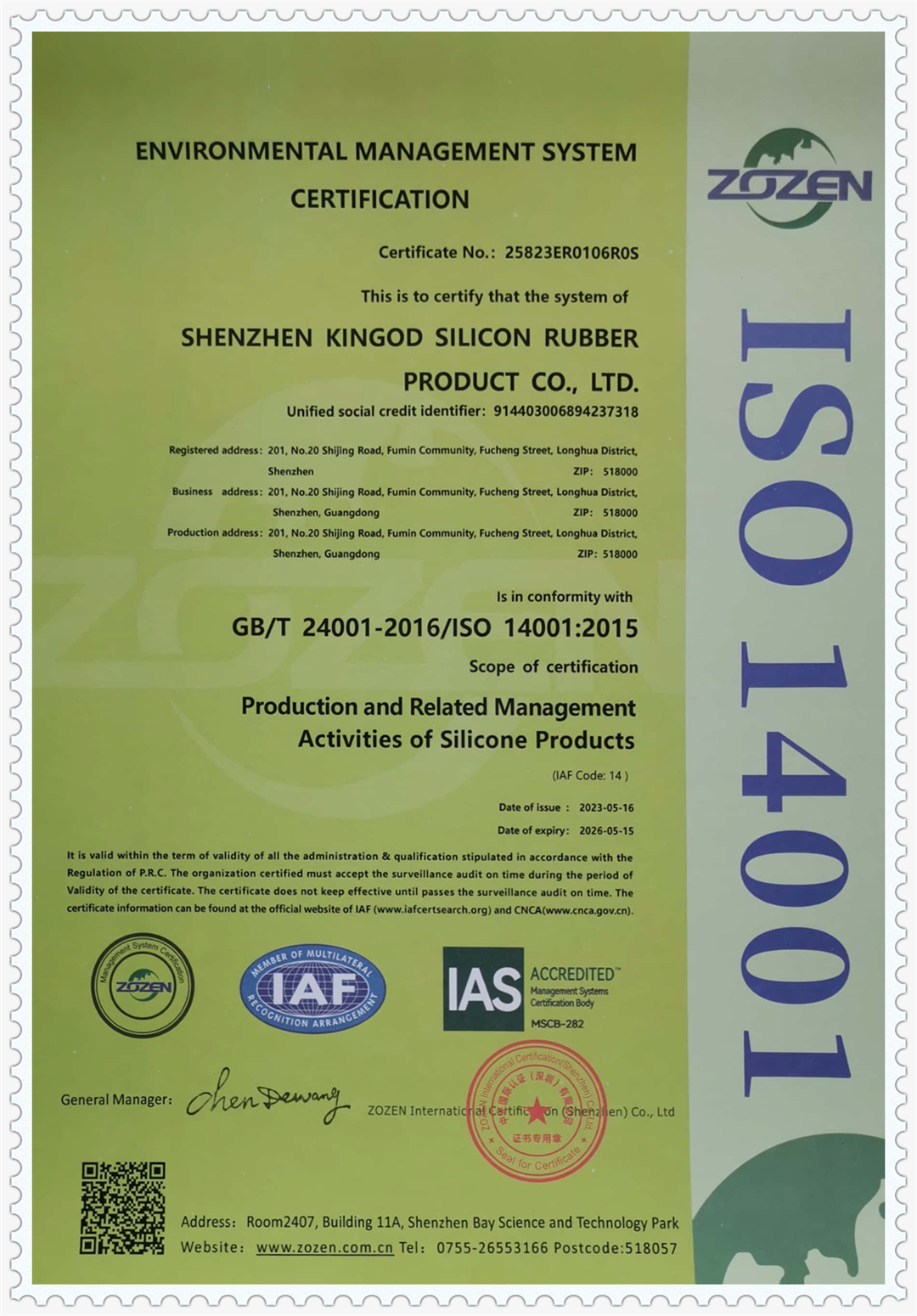
The convergence of advanced materials science and manufacturing automation is shaping the future of medical LSR molding. Two major technological advancements stand out:
Also known as overmolding or co-injection, this process allows LSR to be chemically bonded directly to thermoplastics (such as PEEK, polycarbonate, or nylon) in a single, automated cycle. This eliminates the need for manual assembly steps, reduces the risk of contamination, and creates watertight seals that prevent fluid ingress between the plastic housing and elastomeric components. It is widely used in diagnostic equipment housings and ergonomic surgical handles.
To meet zero-defect mandates, advanced LSR manufacturers are integrating robotic end-of-arm tooling for parts demolding alongside inline optical vision inspection systems. These cameras analyze dimensional parameters and detect micro-voids, flash, or particulate contamination in real-time, ensuring that only 100% compliant parts reach the packaging stage.
Designing components for LSR injection molding requires a distinct mindset compared to thermoplastic design. Due to its extremely low viscosity, LSR flows easily into thin cross-sections but is prone to flashing if tool tolerances are not strictly maintained. Critical design considerations include: