- Home
- Products
- Company
- Case Study
- News
- Contact Us
Leave Your Message
Engineered to bridge clinical respiratory performance and automotive Tier-1 interior specifications, offering non-outgassing biocompatibility and zero plasticizer migration.
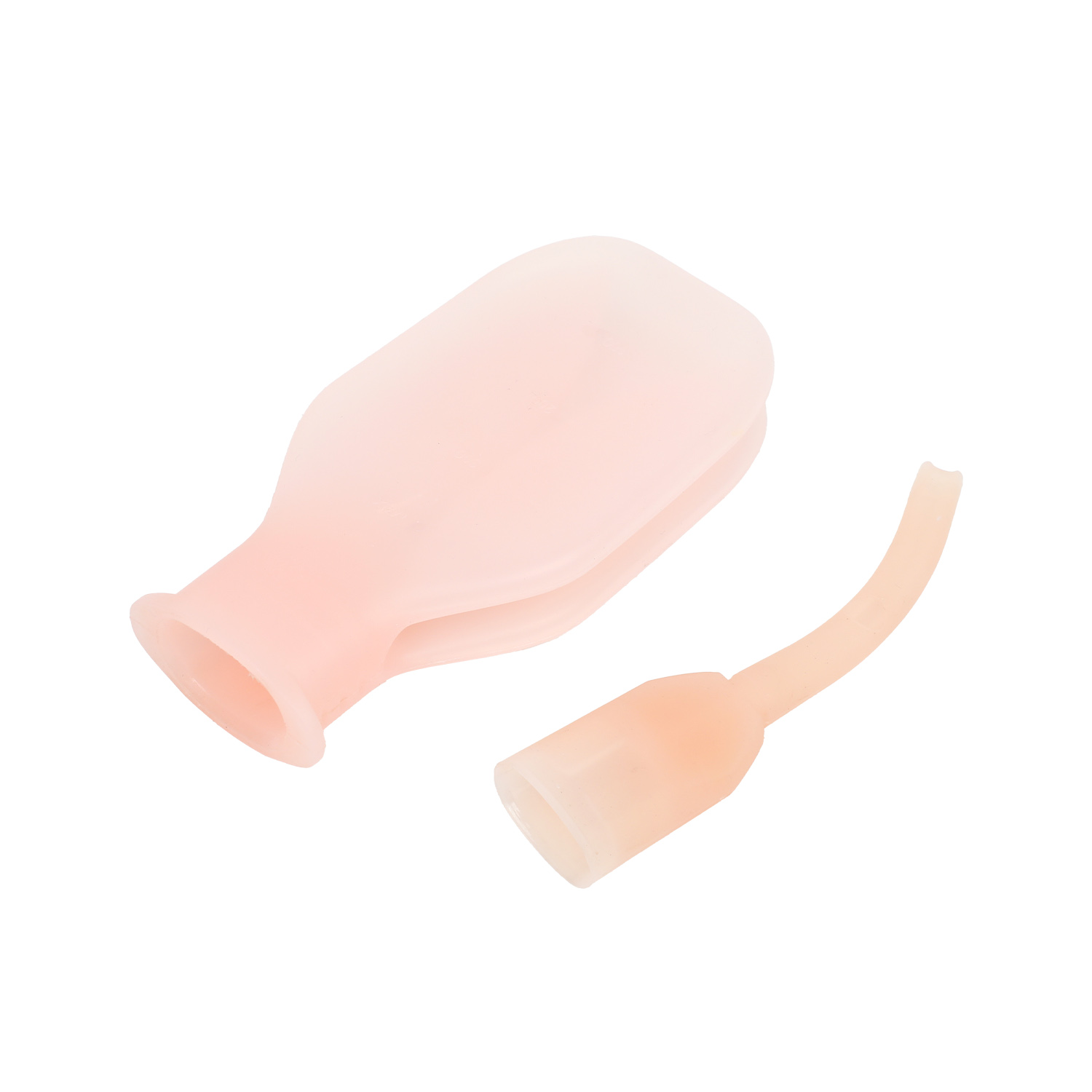
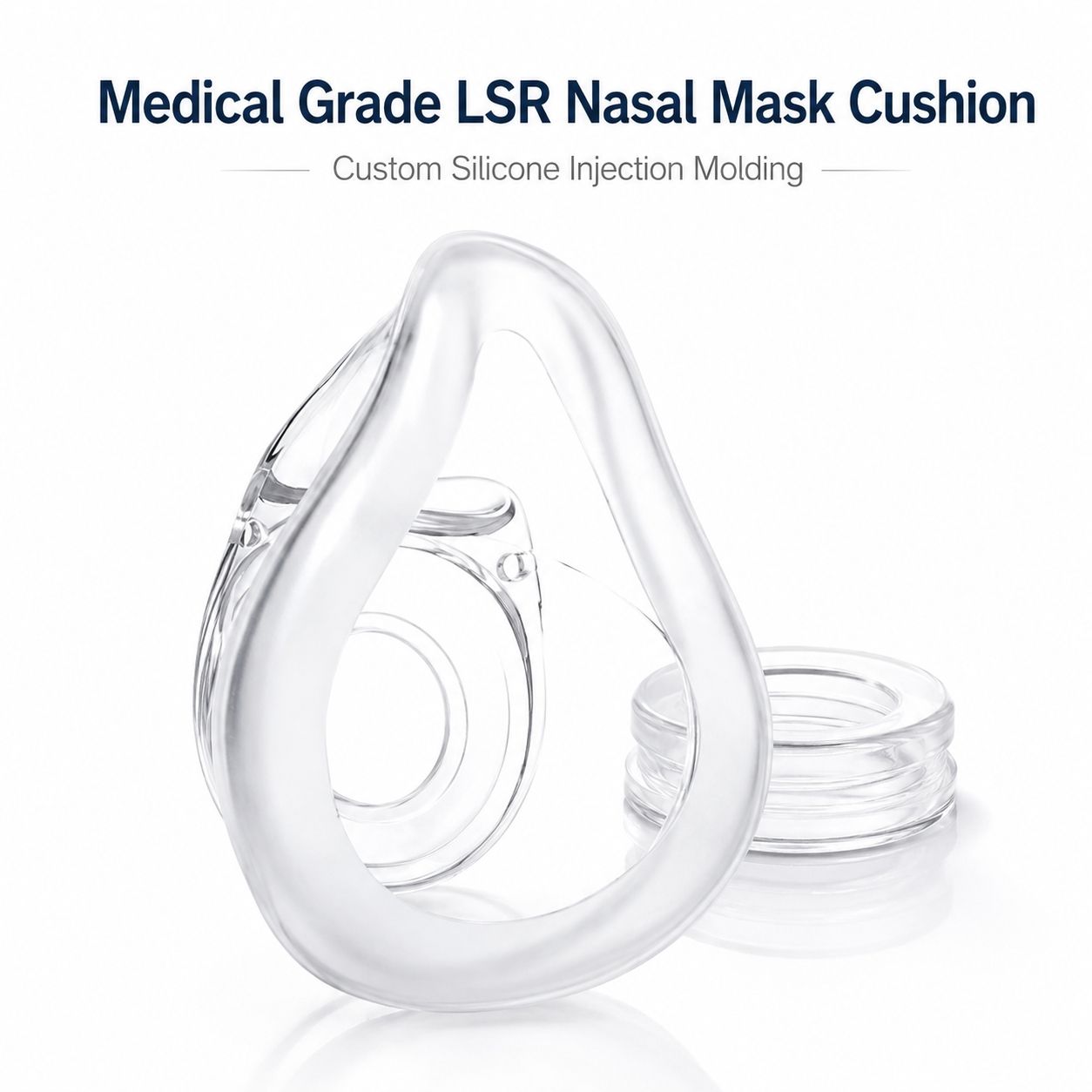
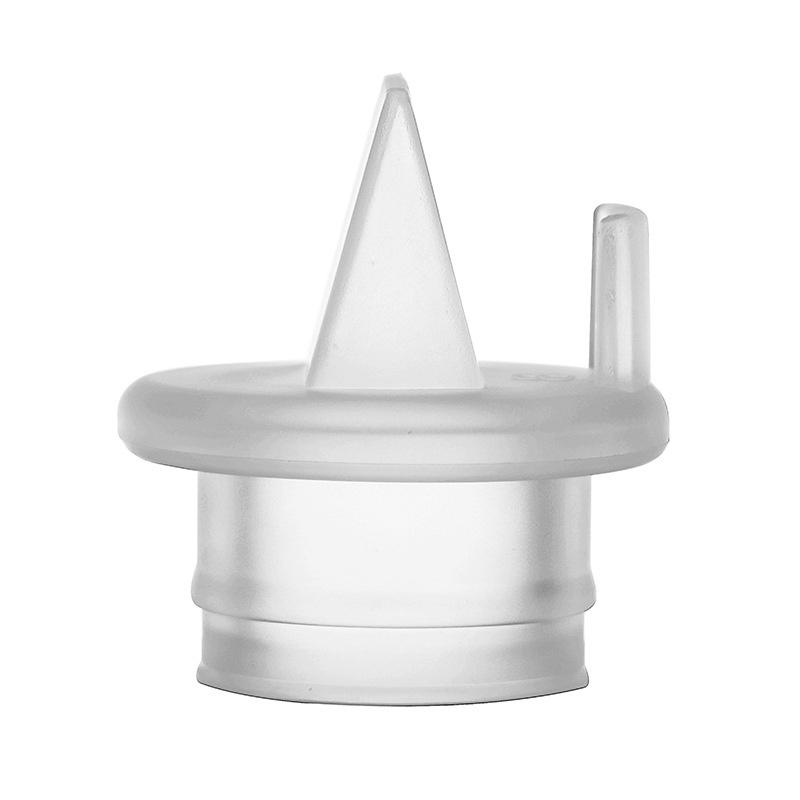
The contemporary automotive cockpit is experiencing an unprecedented structural metamorphosis. As vehicles evolve from utilitarian mobility mechanisms into autonomous "third living spaces," luxury executive suites, and specialized Non-Emergency Medical Transport (NEMT) capsules, the technical demands placed on automotive interior suppliers have expanded into medical-grade fluid dynamics. Traditional rubber and plasticized PVC piping no longer suffice in modern enclosed passenger cabins where Volatile Organic Compounds (VOCs), phthalate outgassing, and bacterial colonization represent critical compliance and consumer comfort bottlenecks.
Medical gas hoses—traditionally restricted to clinical intensive care units, anesthesia breathing circuits, and surgical gas booms—are increasingly being procured and integrated by Tier-1 and Tier-2 automotive interior suppliers. Whether routing purified oxygen to altitude-compensating luxury seating, actuating multi-chamber ergonomic massage air-cells, serving high-flow ventilation ducts, or supplying vital life-support lines in emergency response fleet conversions, medical-grade silicone tubing represents the gold standard in clean, silent, and chemically inert gas transfer.
Conforming to ISO 18562 and VDA 270 interior odor classifications. Platinum-cured LSR hoses eliminate plasticizers, preventing windshield fogging and passenger airway irritation.
Automotive cockpits endure thermal extremes from -40°C to +150°C. Silicone elastomers retain shore hardness and flexibility, damping acoustic vibration generated by micro-compressors.
Designed for tight volumetric spaces within dashboard bulkheads, A/B pillar linings, and ergonomic seat structures with ultra-low bend radius and zero continuous cross-sectional collapse.
To design interiors that stand at the intersection of luxury, safety, and health, automotive systems designers are targeting three distinct commercial engineering scenarios:
1. Executive Luxury & Autonomous Cabin Oxygen Enrichment: In high-end SUVs and ultra-luxury autonomous limousines intended for high-altitude geographies or hyper-urban environments with elevated particulate air pollution, suppliers are designing supplemental oxygen generation and clean-gas diffusion circuits. Medical silicone hoses transport purified oxygen and conditioned micro-aerosols directly into passenger micro-climates, requiring pristine food- and medical-grade biocompatibility certified under FDA 21 CFR 177.2600 and USP Class VI.
2. Ergonomic Dynamic Seating and Multi-Contour Bladder Actuation: Contemporary premium seating frameworks employ pneumatic actuation bladders instead of heavy mechanical linkages. Medical gas hoses serve as the critical conduit delivering dry pressurized air to segmented lumbar cushions, lateral supports, and active massage matrices. Because these lines are routed directly adjacent to seat heaters and ventilated foam layers, non-degrading resistance to ozone, thermal cycling, and flexural fatigue is mandatory to prevent costly warranty claims.
3. Specialized Emergency Medical Vehicles (Ambulance & NEMT Conversions): Interior retrofitting of Type I, II, and III emergency ambulances demands fully certified medical gas distribution assemblies hidden behind wipe-down antimicrobial composite wall panels. Oxygen, vacuum suction, and medical air hoses must comply with stringent medical standards like ISO 7396-1 and automotive crashworthiness standards (FMVSS 302 flammability rating), guaranteeing uncompromised gas flow during extreme deceleration or physical impact.
Achieving compliance for medical gas hoses installed within vehicle cabins requires a dual-track quality infrastructure. While conventional automotive suppliers rely primarily on IATF 16949 for process repeatability, medical gas handling introduces stringent toxicology, particulate cleanliness, and cytocompatibility protocols.
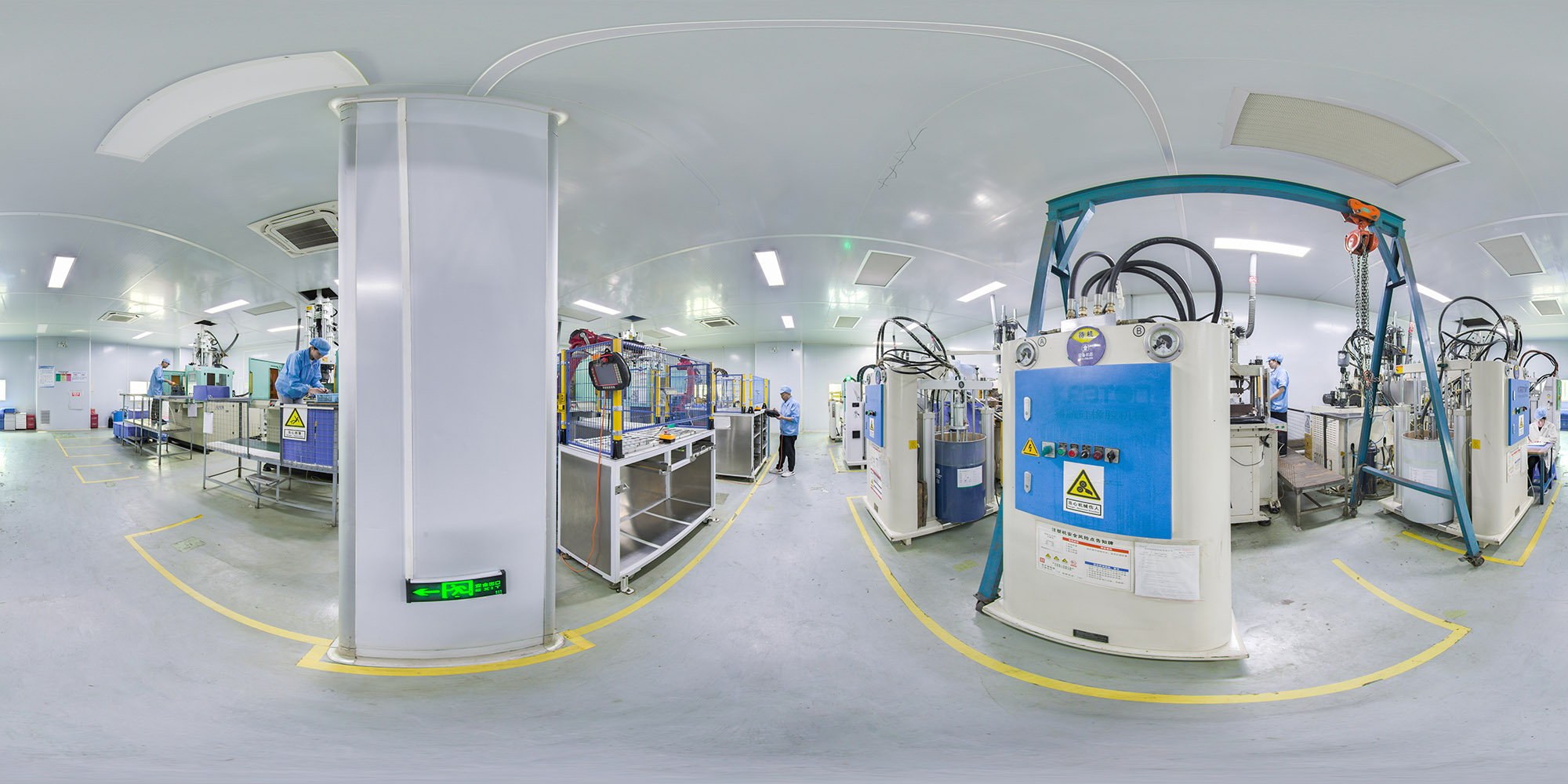
At Shenzhen Kingod Silicon Products Co., Ltd., we combine Class 100,000 cleanroom manufacturing with precision automated liquid silicone injection molding. This dual capability ensures that our thin-wall extrusion and micro-molded connectors exhibit microscopic flash limits, zero particulate shedding inside the gas lumen, and absolute structural uniformity.
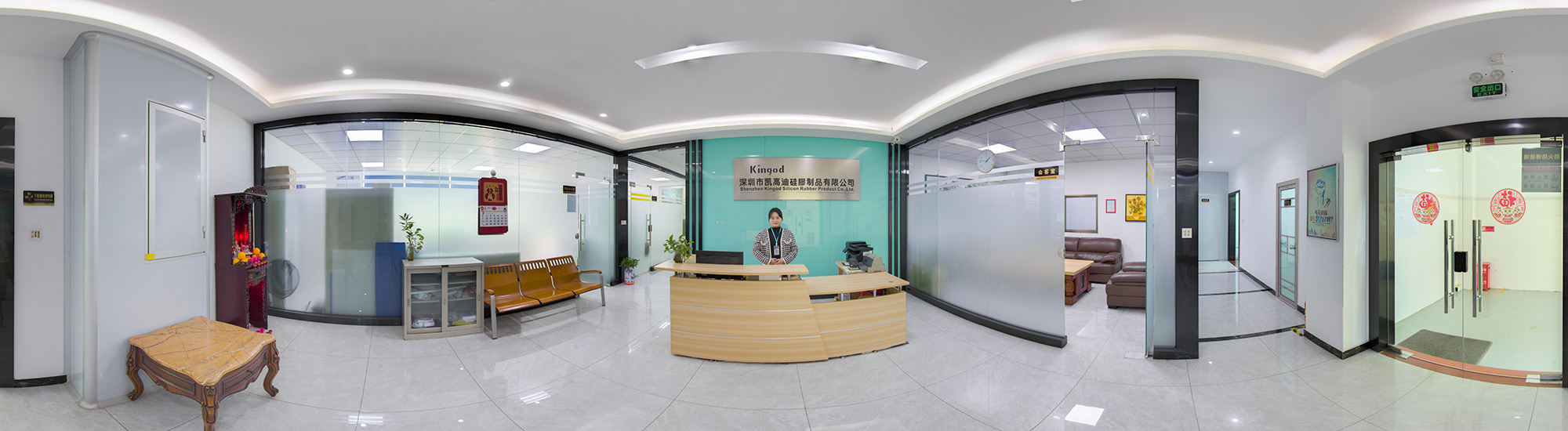
Kingod Silicone Products Co., Ltd. is a custom silicone manufacturer established in 2006. We specialize in precision silicone products and use automated production equipment to improve consistency, and product quality for global customers.
Since its establishment, Kingod has focused on advancing silicone processing technologies and expanding production capabilities. Headquartered in Shenzhen, Guangdong Province, the company operates from a modern factory spanning over 3,000 square meters, equipped with state-of-the-art machinery and a skilled workforce. Over the years, Kingod has built a reputation for excellence through continuous technological investment and strict quality management.
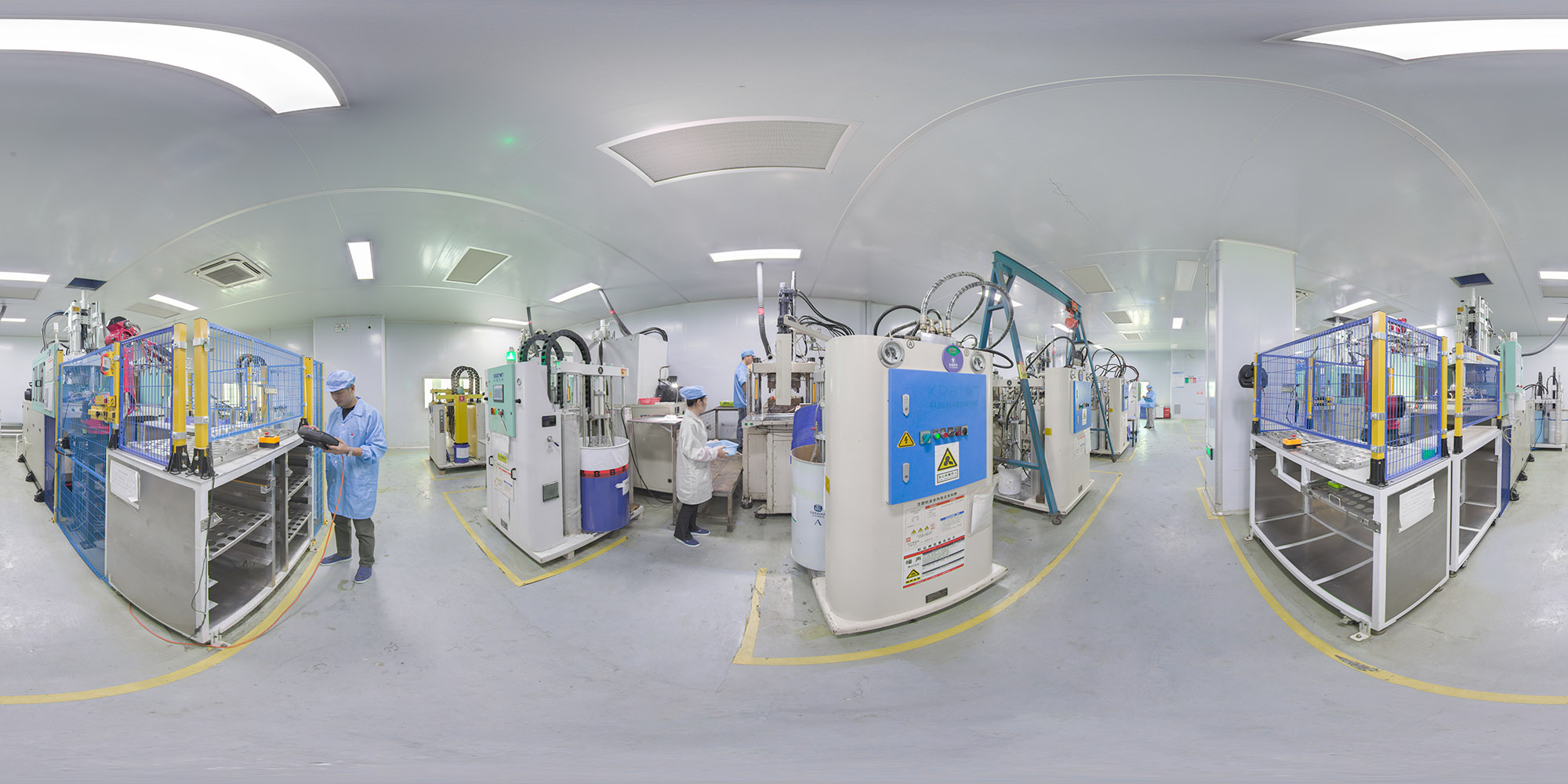
We specialize in Liquid Silicone Rubber (LSR) and High-Temperature Vulcanized (HTV) silicone compression and injection molding, offering full lifecycle engineering from 3D CAD modeling and tool tooling to automated serial production.
Food-grade silicone items such as nipples, pacifiers, and feeding utensils manufactured under strict hygienic standards ensuring safety and micro-smooth finishes.
Medical-grade silicone components for respiratory devices, invasive gas/fluid delivery lines, micro-valves, diaphragms, and certified biopharmaceutical seals.
Heat-resistant, non-toxic silicone kitchen tools, bakeware, and home accessories engineered for wide thermal operating spans and dishwasher durability.
Durable silicone seals, grommets, multi-lumen hoses, overmolded connectors, and protective components engineered for automotive, marine, and electronic housings.
We adhere to international quality standards and hold certifications including ISO 9001: 2015, ISO 13485, FDA, LFGB, and RoHS. Our manufacturing processes are regularly audited to ensure compliance with safety and environmental regulations. We place utmost importance on protecting clients' intellectual property and proprietary information, implementing strict confidentiality protocols throughout every project phase.
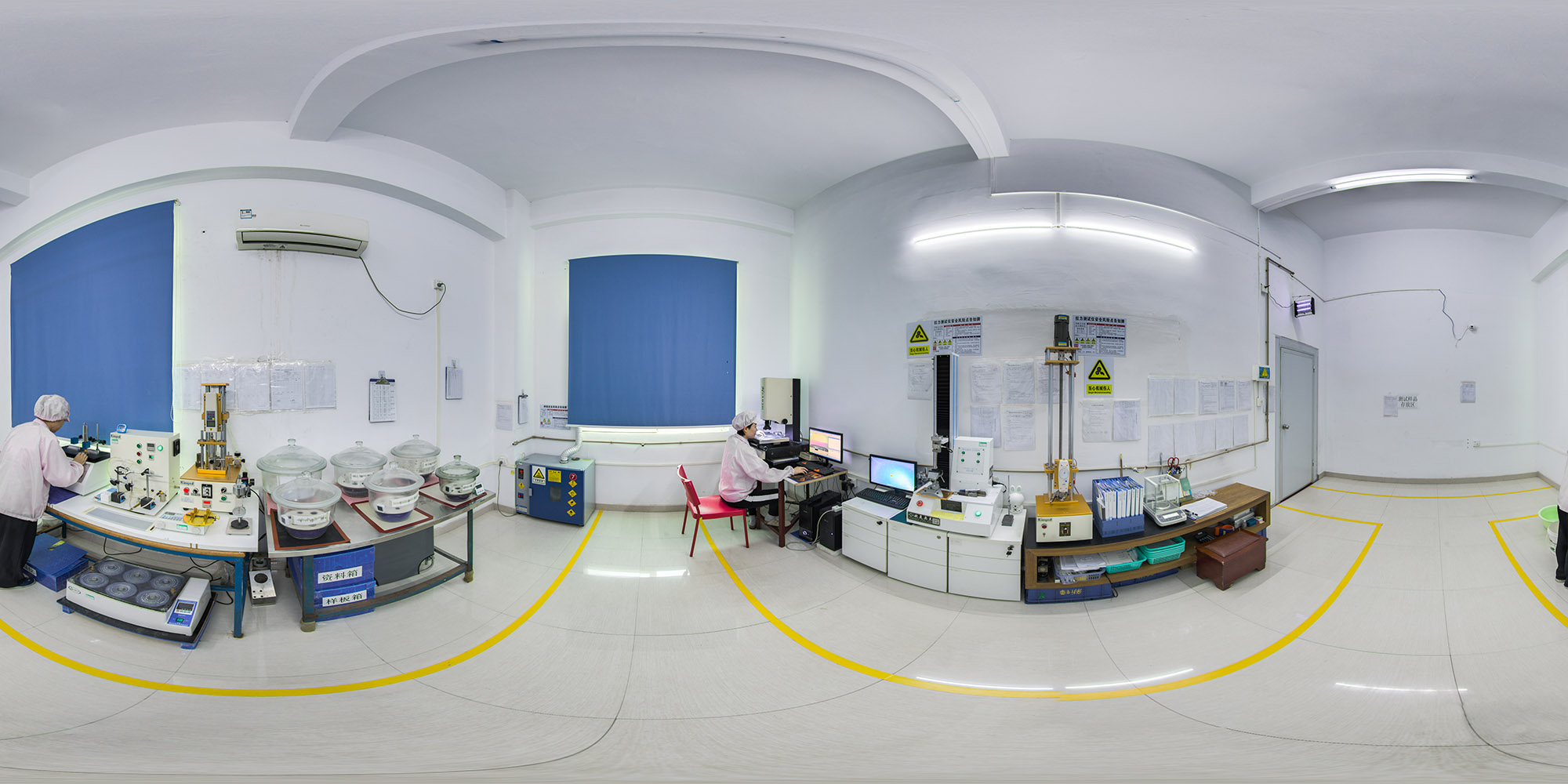
For automotive interior clients, our in-house test center executes extensive elongation at break tests, burst pressure assessments up to 35 bar, thermal aging ovens simulation, and trace residual catalyst assessments to guarantee zero gas contamination in pressurized vehicle cabin environments.
| Performance Metric | Kingod Medical-Grade Silicone (LSR) | Standard Automotive EPDM Rubber | Conventional Plasticized PVC |
|---|---|---|---|
| Operating Temperature | -60°C to +200°C (Continuous) | -40°C to +125°C | -10°C to +65°C (Degrades) |
| In-Cabin VOC / Odor Score (VDA 270) | Grade 1.0 – 2.0 (Barely Perceptible / Clean) | Grade 3.5 – 4.5 (Distinct Rubber Odor) | Grade 4.0 – 5.0 (Strong Chemical Odor) |
| Plasticizer Leaching / Fogging | Zero (Platinum-cured, no phthalates) | Low to Medium aromatic oil migration | High phthalate migration (Causes haze) |
| Biocompatibility (ISO 18562 / 10993) | Fully Certified (Breathing Gas Pathway Safe) | Non-Compliant (Industrial Grade Only) | Variable / High Cytotoxic Risk |
| Ozone & UV Radiation Resistance | Virtually Inert (10+ Years Cabin Lifetime) | Moderate to Good | Poor (Cracks & Yellows rapidly) |
Partnering with automotive Tier-1 systems integrators and medical device innovators worldwide to engineer failure-proof fluid and gas pathways.
20 years of focused experience in high-precision silicone product manufacturing, tooling design, and elastomer formulation.
Advanced LSR/HTV molding, cleanroom thin-wall micro-extrusion, and multi-material overmolding with PPSU, PEEK, and PA66.
Certified production compliant with ISO 9001 and ISO 13485 featuring optical coordinate measuring and digital burst testing.
Secure, IP-protected management of client tooling drawings, OEM cabin architectures, and proprietary blend specifications.
Dedicated engineering support from concept DFM through PPAP Level 3 documentation, rapid prototyping, and on-time global supply.
Looking ahead, Kingod aims to further innovate in eco-friendly and high-precision silicone applications, particularly in the medical, automotive, and consumer electronics sectors. We are expanding our R&D team and automation capabilities to enhance efficiency and product versatility. Our vision is to become a globally recognized silicone solutions provider, driven by technology, sustainability, and customer-centric values.
In the automotive interior domain, our focus centers on circular-economy bio-based silicones, integrated sensor conduits within medical gas hoses for real-time cabin flow telemetry, and automated clean-pack assembly cells that allow plug-and-play installation straight into modular dashboard and seating assembly lines.
Explore our complete lineup of medical-grade silicone tubing, custom diaphragms, multi-lumen gas conduits, and therapeutic overmolded sub-assemblies.
Key considerations regarding material certifications, tooling lead times, and gas hose routing integration.
Platinum cure systems generate zero volatile organic peroxide acid by-products, ensuring virtually odorless behavior (VDA 270 Grade 1), crystal optical clarity, consistent tensile elasticity, and no cytotoxic bloom inside breathing lines or climate control injectors.
Our custom compounding team can formulate platinum LSR with non-toxic, halogen-free flame retardant additives compliant with UL94 V-0 and FMVSS 302, maintaining self-extinguishing safety without compromising bio-purity or ISO 10993 cytotoxicity ratings.
Yes. For applications demanding burst pressures exceeding 25 to 40 bar (such as rapid lumbar fill or high-flow oxygen tanks), we offer multi-ply polyester, aramid, or stainless-steel wire braid reinforcements fully encapsulated within medical-grade silicone jackets.
We provide full PPAP Level 3 documentation packages, including Material Test Reports (MTR), Mold Flow Analysis, Dimensional CMM reports, Control Plans, Process FMEA, and certification copies for ISO 13485, ISO 9001, FDA, RoHS, and REACH compliance.