
- Home
- Products
- Company
- Case Study
- News
- Contact Us
Leave Your Message
Precision-crafted silicone components designed to meet Japan's stringent medical device and pharmaceutical standards.
Japan is one of Asia's most sophisticated and demanding markets for medical rubber and silicone tube products. With an aging population exceeding 29% over the age of 65, Japan's healthcare sector continues to expand rapidly, driving strong and consistent demand for high-performance medical tubing across hospitals, clinics, and home care settings.
The Japanese medical device market is the third largest in the world, valued at over USD 30 billion annually. Within this ecosystem, medical-grade rubber and silicone tubes serve as critical components in fluid management, respiratory care, minimally invasive surgery, and diagnostic equipment. Japanese OEM manufacturers and procurement specialists hold exceptionally high standards for dimensional accuracy, biocompatibility, and long-term chemical stability.
Key regulatory compliance requirements for the Japanese market include:
Japan's medical device market is the 3rd largest globally — and medical silicone tubing is at the heart of its continued innovation in minimally invasive care, robotics-assisted surgery, and home healthcare solutions.
Japan has over 8,000 hospitals and 100,000+ clinics requiring consistent supply of certified medical tubing for IV sets, drainage systems, and endoscopic tools.
Japan leads Asia in surgical robotics adoption. Ultra-thin, flexible silicone tubes are essential components in robotic-assisted laparoscopic and endoscopic procedures.
Medical rubber and silicone tubes serve critical roles across Japan's diverse healthcare and industrial sectors.
Transparent platinum-cured silicone tubes are widely used in Japan's hospital IV systems, peristaltic pumps, and infusion management devices, demanding zero-extractables and precise inner diameters.
Post-COVID acceleration in Japan's ICU infrastructure has driven demand for high-flex, autoclavable silicone respiratory tubes compatible with major Japanese ventilator brands.
Japan's super-aged society is driving growth in home medical devices — from portable oxygen concentrators to enteral feeding systems — all requiring soft, biocompatible silicone tubing.
Japanese diagnostics manufacturers (IVD sector) rely on precision silicone micro-tubes for fluid handling in PCR analyzers, blood gas monitors, and automated lab systems.
Japan's pharmaceutical industry — home to global giants like Takeda and Astellas — uses FDA/LFGB-compliant silicone tubes in sterile filling lines, bioreactors, and cleanroom transfer systems.
Japan's premium dental and cosmetic surgery sector demands ultra-soft, transparent silicone tubes for suction, irrigation, and implant-related fluid management applications.
Understanding where the market is heading helps our partners stay ahead of Japan's evolving medical device landscape.
Japanese OEMs are increasingly demanding tubes with wall thicknesses below 0.3mm for next-generation catheter systems and micro-invasive surgical tools. LSR precision molding enables tolerances of ±0.05mm, meeting Japan's exacting engineering standards.
Japan's 2050 Carbon Neutral commitment is pushing medical device manufacturers to evaluate recyclable silicone compounds and reduced-waste molding processes. Platinum-cure LSR offers superior durability, reducing replacement frequency and overall material consumption.
Emerging trends in Japan include silicone tubes integrated with embedded sensors for real-time flow monitoring in smart infusion and dialysis systems — a convergence of medical rubber manufacturing and IoT medical device technology.
Post-pandemic, Japanese medical device companies are actively diversifying supply chains. Partnering with ISO 13485-certified manufacturers offering both rapid prototyping and mass production ensures business continuity and regulatory traceability.
Japan's infection control standards are among the world's strictest. New antimicrobial silicone formulations incorporating silver-ion or copper-oxide additives are gaining traction in long-term indwelling catheter and drainage tube applications.
Japanese hospitals are adopting color-coded silicone tube systems for patient safety — enabling quick visual identification of tube types in multi-line clinical environments, reducing risk of misconnection errors.
At Shenzhen Kingod Silicone Products Co., Ltd., we believe that great products begin with great partnerships. We combine advanced molding technology, rigorous quality systems, and genuine end-to-end support to bring your concepts to life.
By manufacturing entirely in-house, we eliminate intermediaries and pass the savings directly to you. Whether you require prototype quantities or million-unit production runs, you receive the same transparent, competitive pricing structure.
Our vertically integrated operations allow us to control every stage of production — from raw material selection to final inspection — optimizing efficiency and significantly reducing lead times for Japan-bound orders.
Our engineering team works directly with Japanese OEM partners to develop bespoke tube geometries, multi-lumen configurations, and overmolded assemblies tailored to specific device requirements.
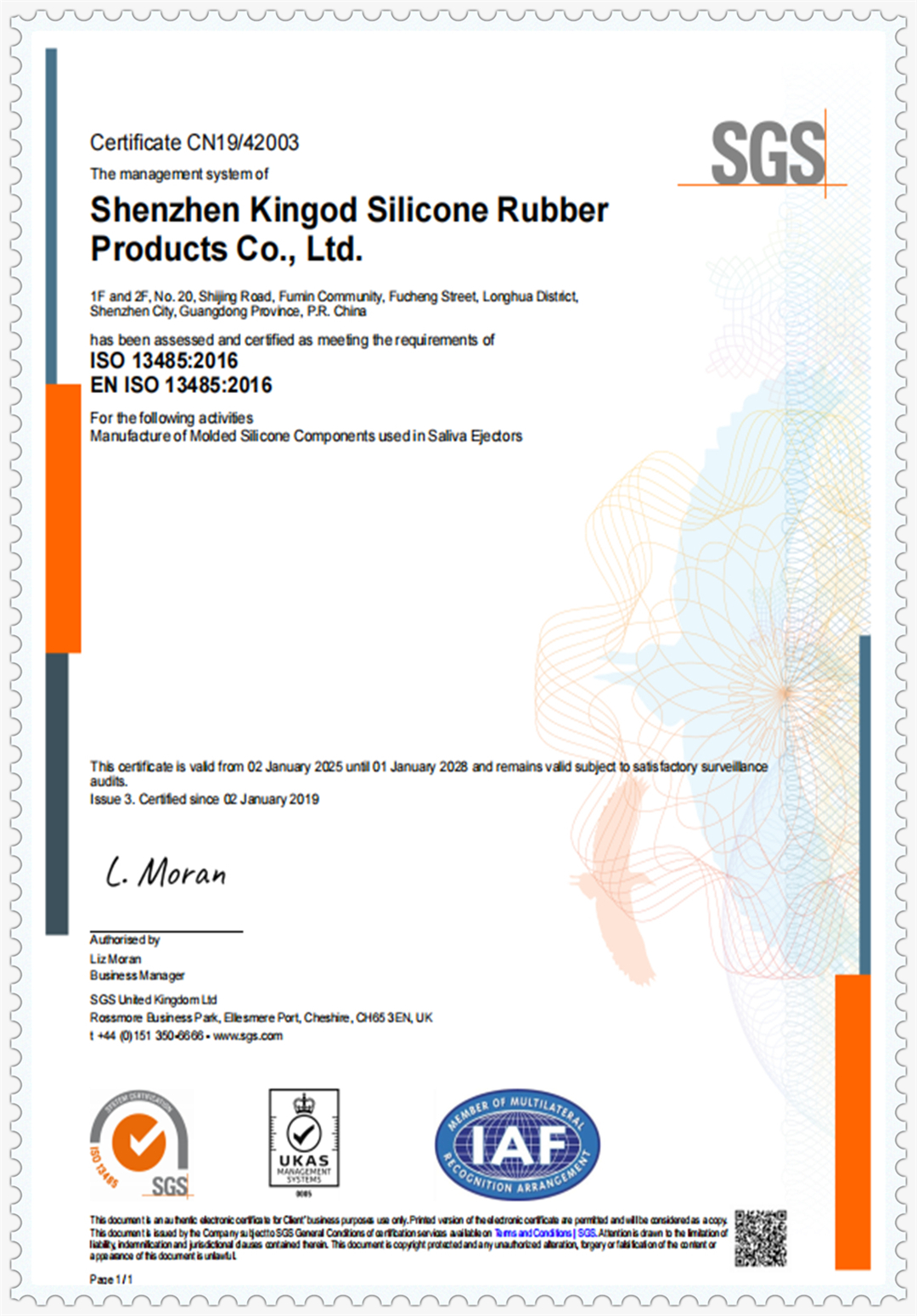
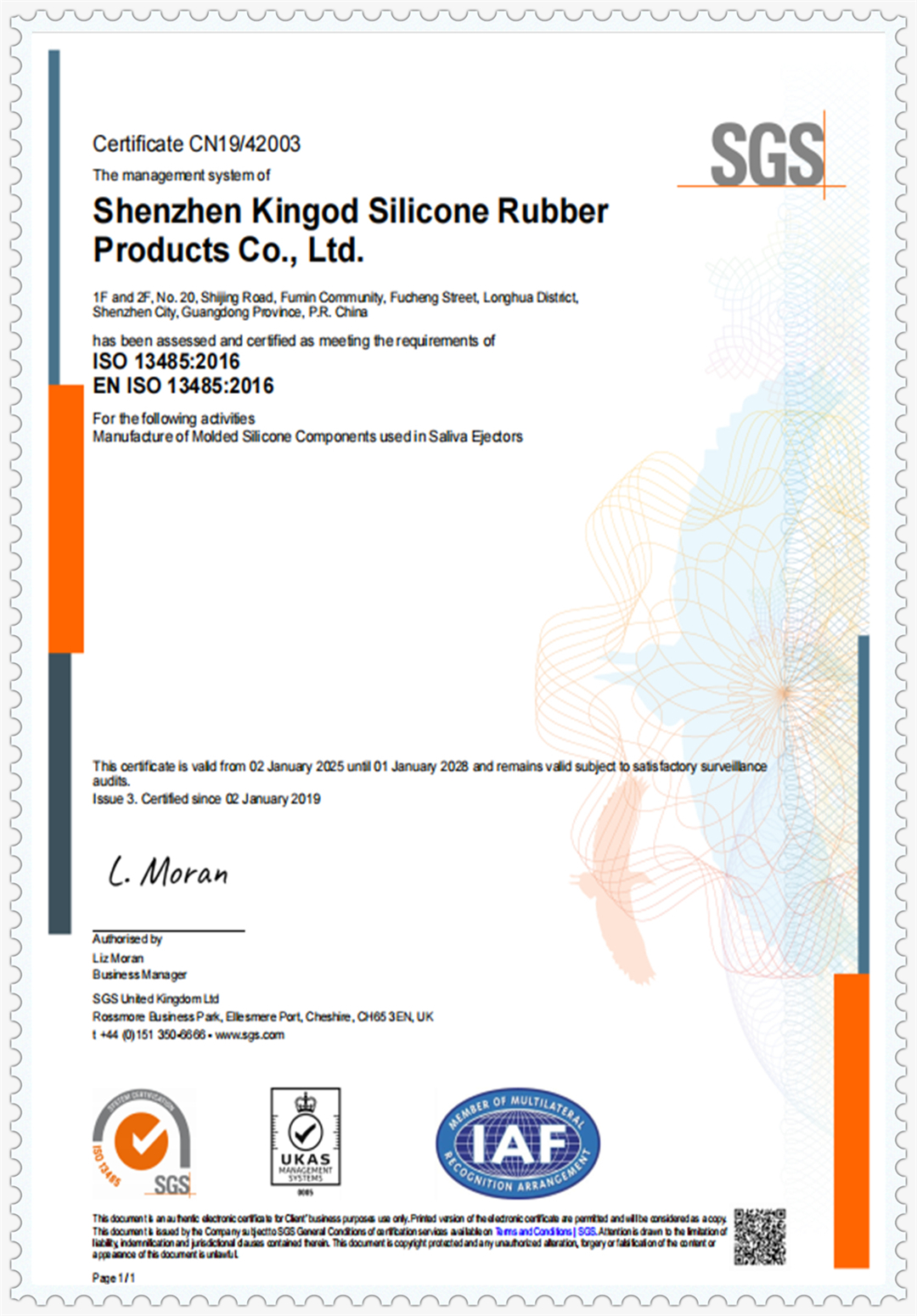
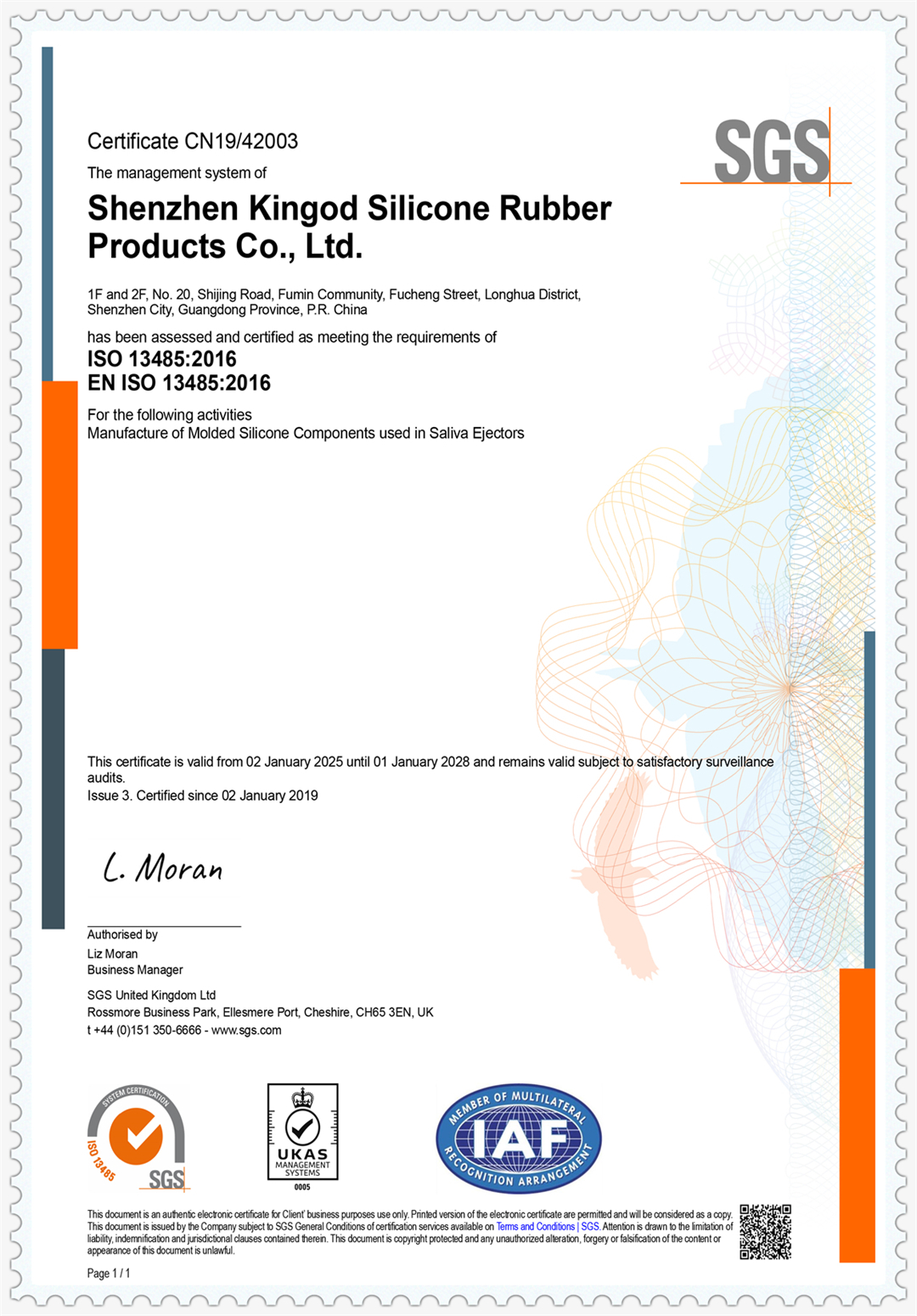
Our ISO 13485 certification guarantees that our manufacturing processes meet the rigorous requirements of the global healthcare industry, including the strict standards upheld by Japan's PMDA regulatory framework.
We have extensive experience supplying Japanese medical device OEMs, understanding local documentation requirements, packaging standards, and the high precision expectations of Japanese procurement teams.
From initial concept prototypes to full-scale production, our flexible manufacturing capacity ensures fast turnaround for Japanese clients requiring both speed-to-market and scalable supply reliability.
Quality is not just a promise — it is a process. Our facility operates under internationally recognized quality management systems aligned with Japan's demanding healthcare procurement standards.
Every product undergoes stringent inspection protocols including dimensional verification, material traceability, and performance testing — ensuring zero-defect delivery to Japan's medical device supply chain.
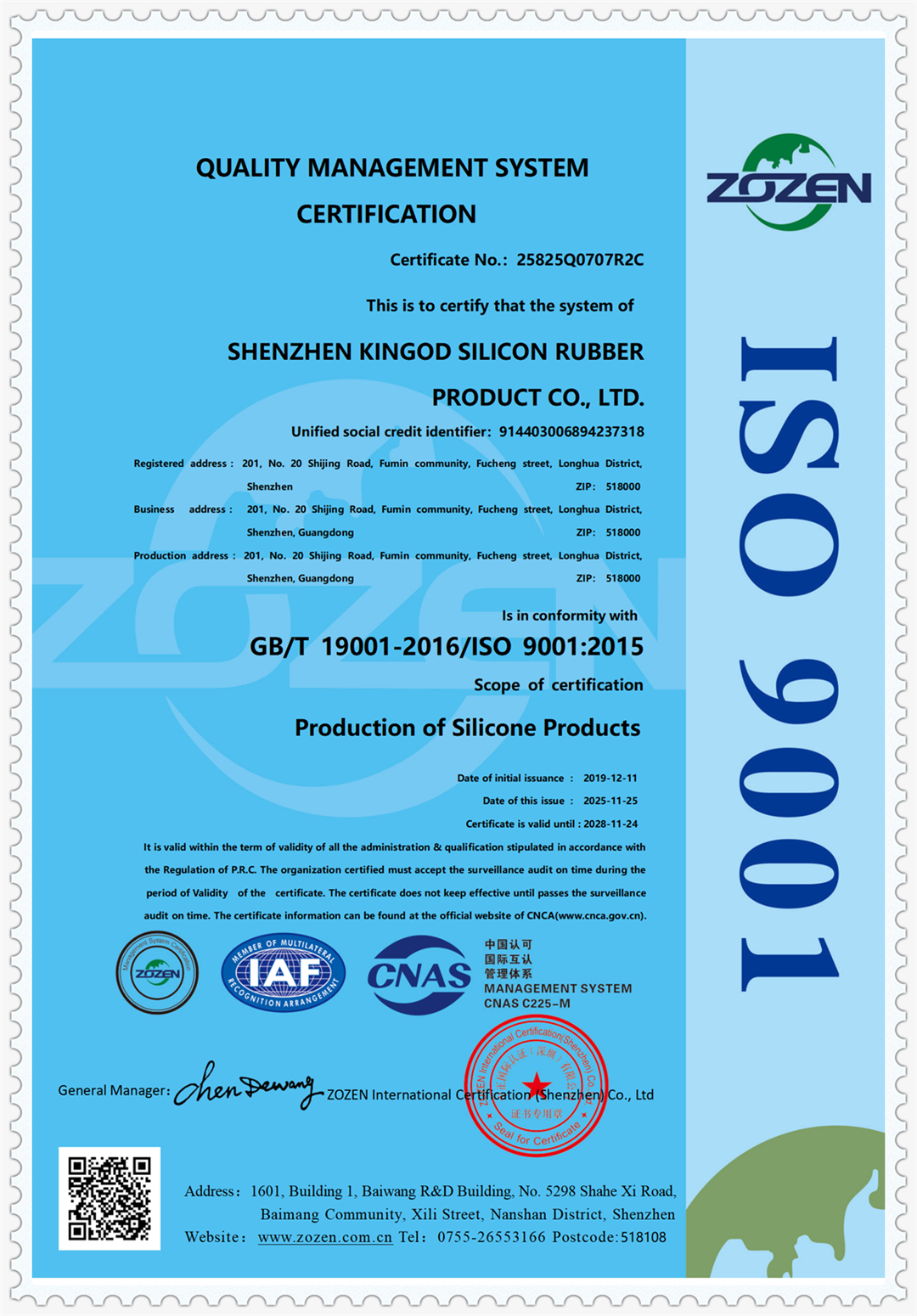
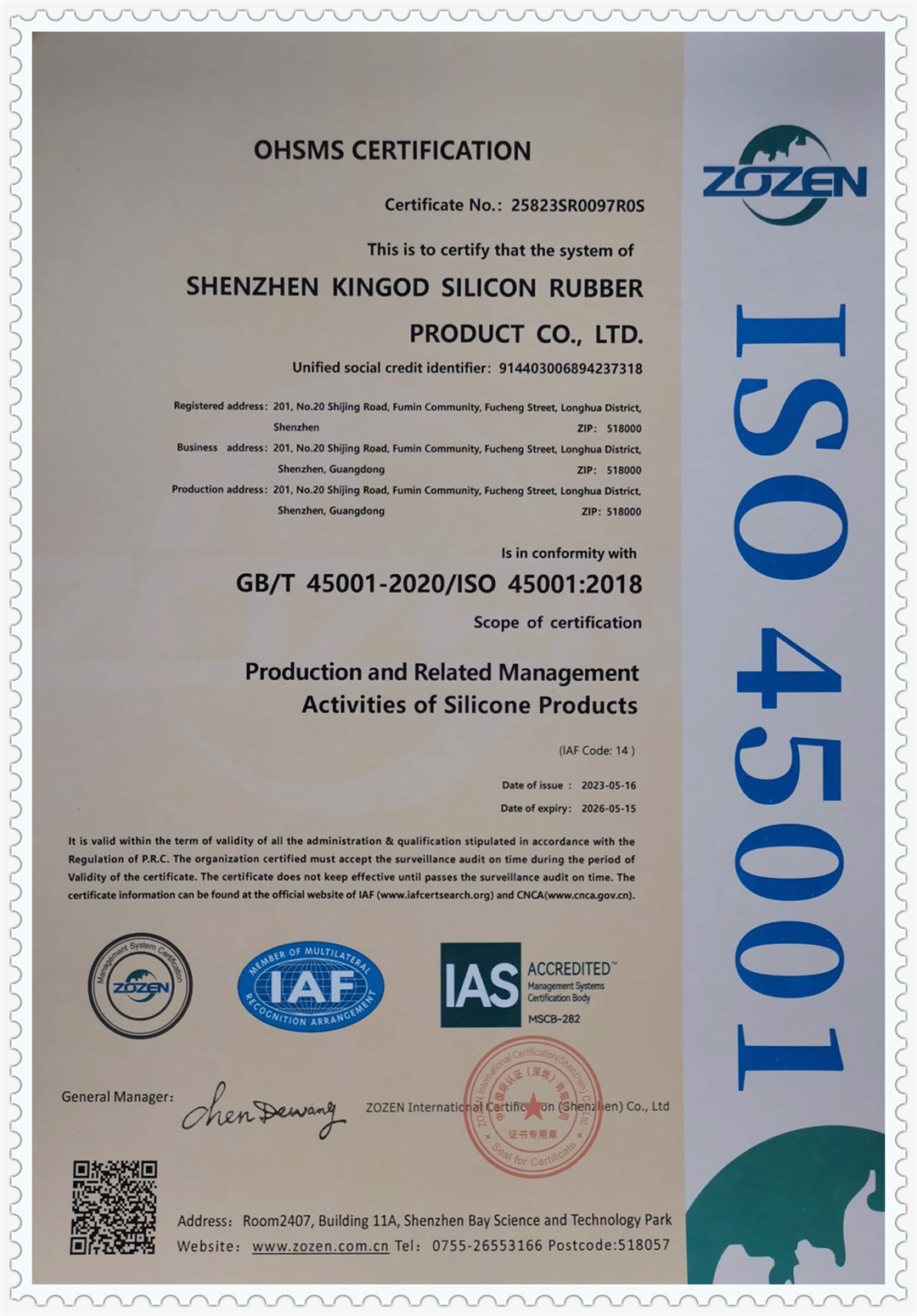
Our ISO 9001 certification ensures consistent quality management across all operations — from incoming material inspection to outgoing shipment verification. Every production batch is documented and traceable, meeting Japan's rigorous supplier audit requirements.
Our ISO 13485 certification for medical device manufacturing guarantees that our processes meet the rigorous requirements of the healthcare industry. This is the benchmark certification recognized by Japanese medical device OEMs and required for PMDA-compliant supply chains.
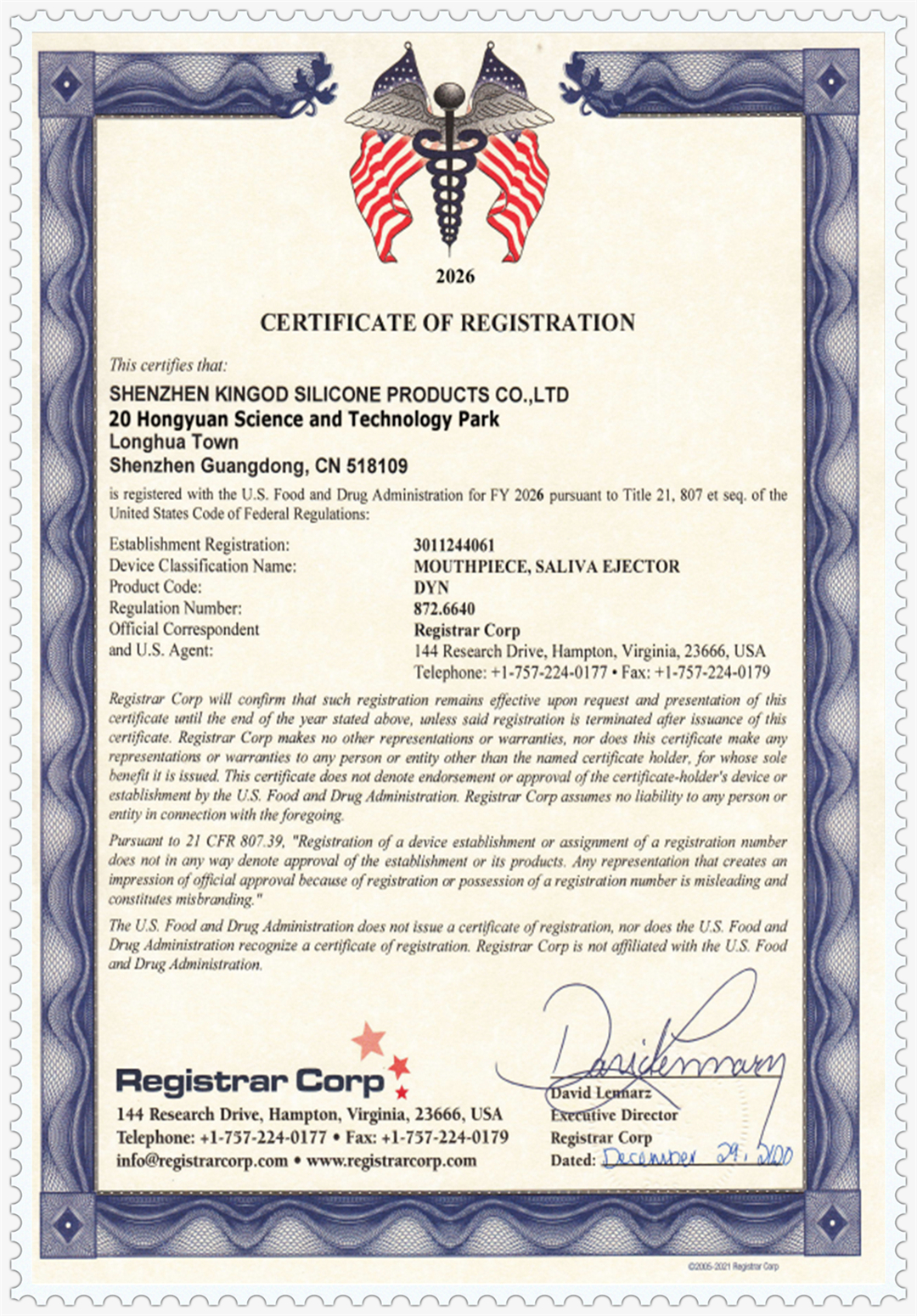
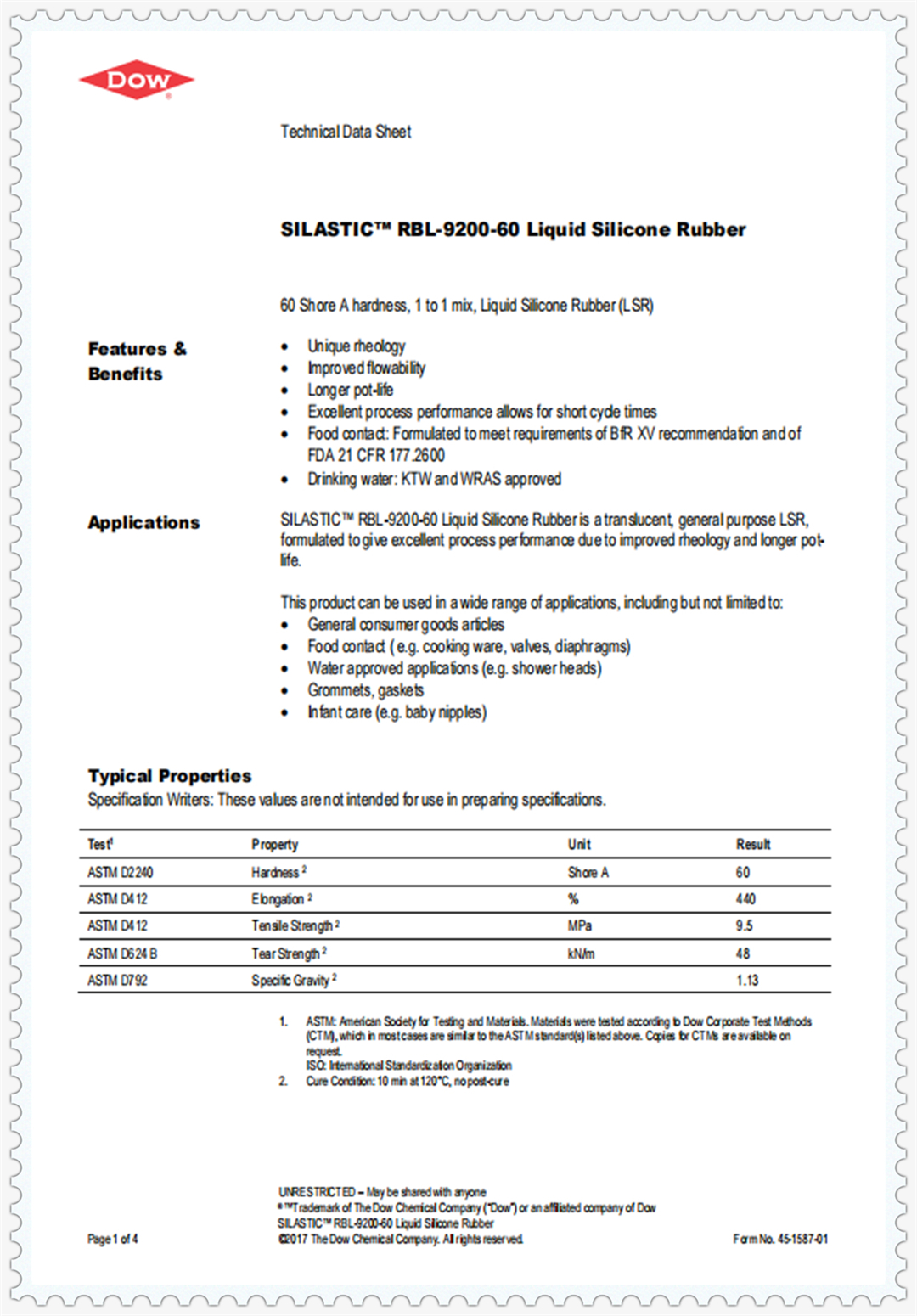
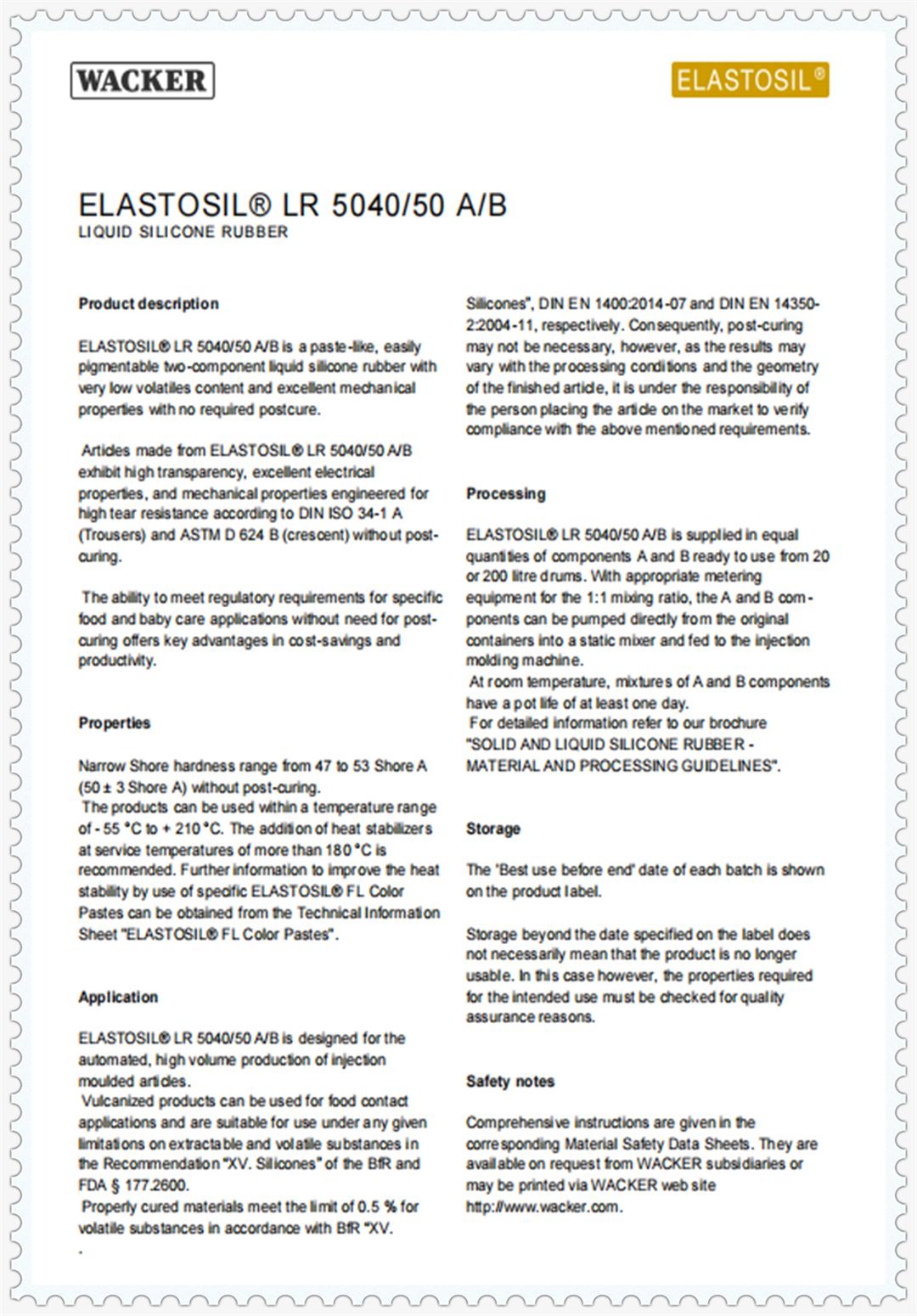
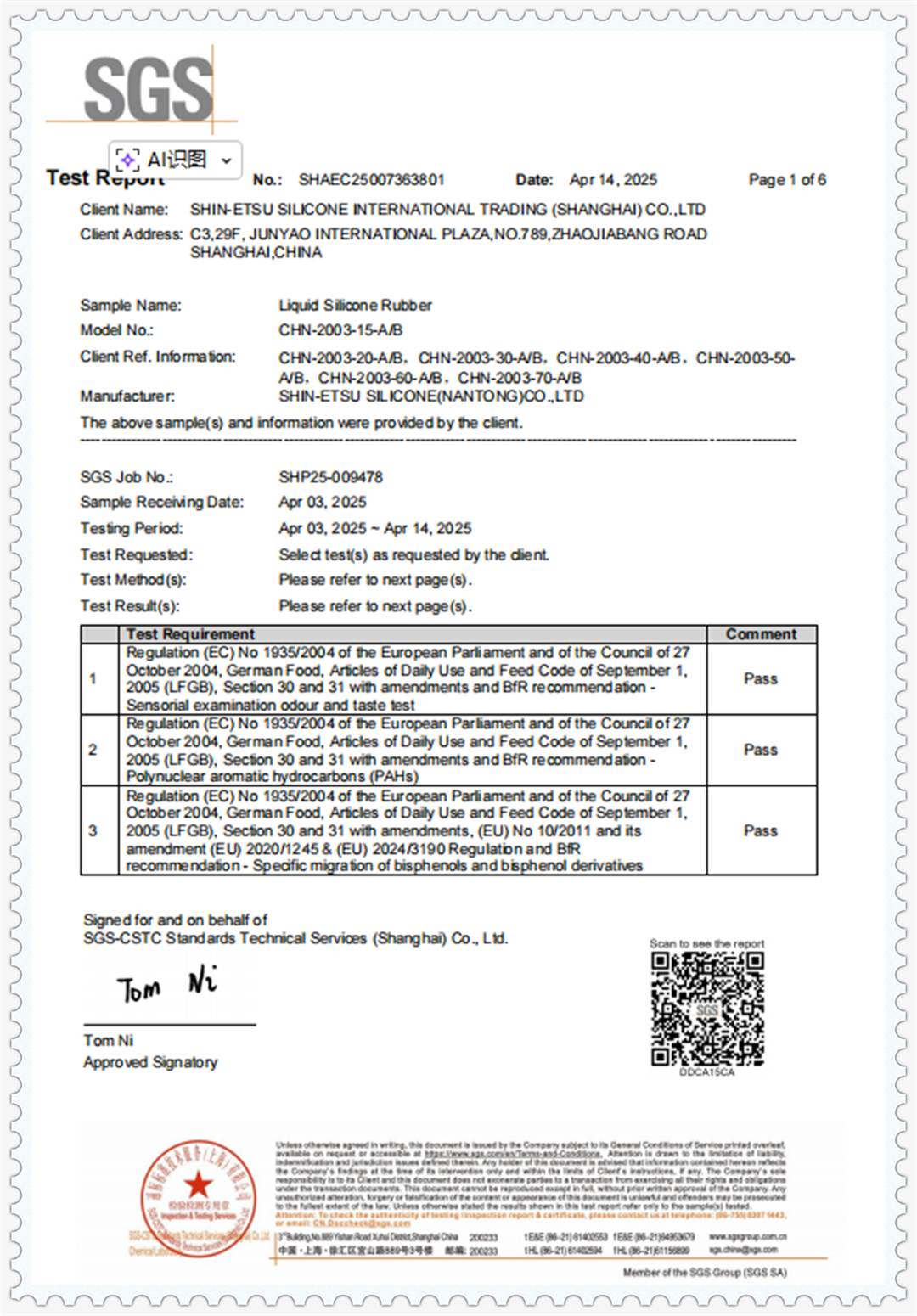
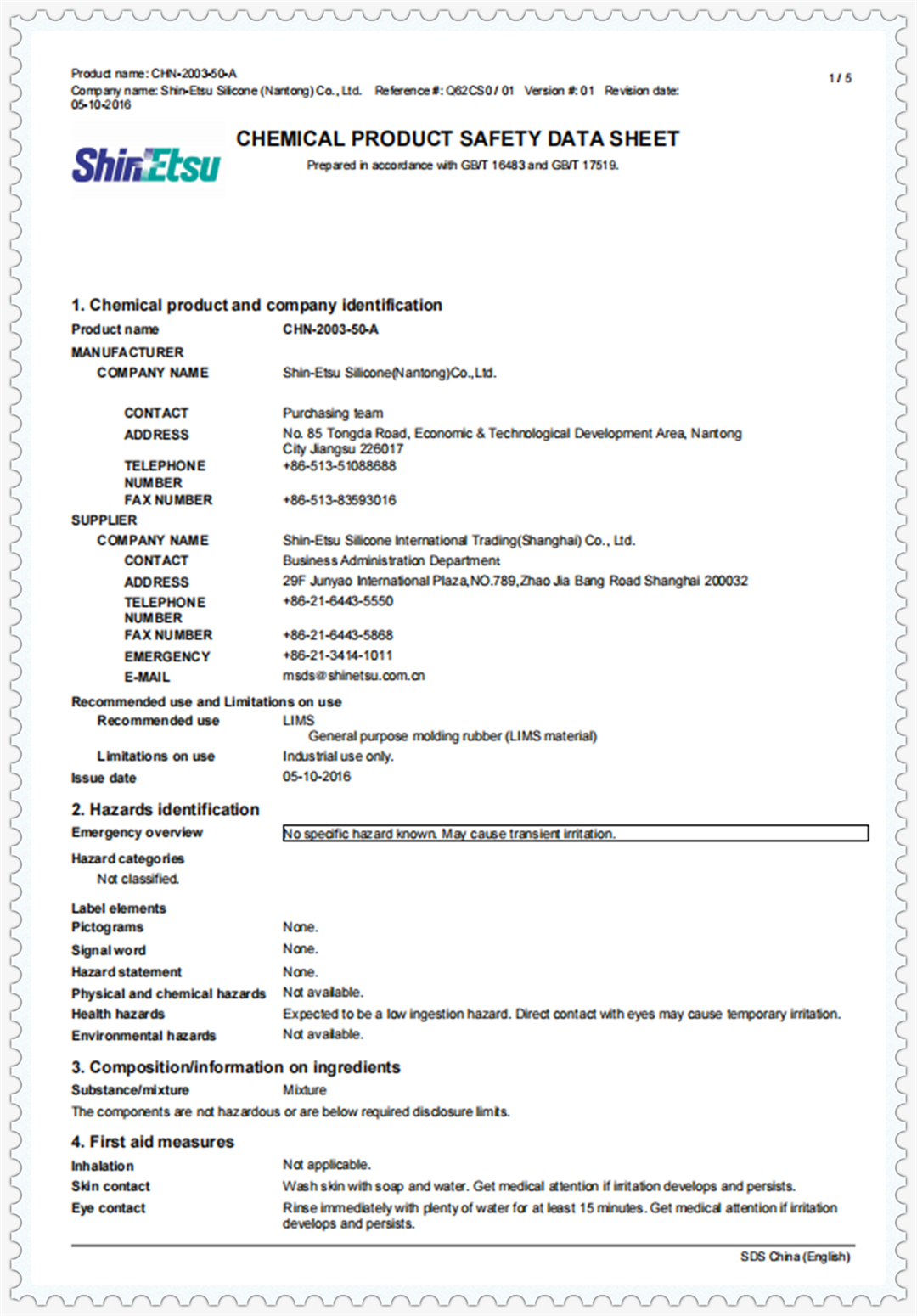
For medical and food-contact applications, we utilize platinum-cured silicone and comply with FDA, LFGB, and EU 10/2011 standards, ensuring safety for even the most sensitive uses — including implantable-grade and long-term body-contact applications prevalent in Japan's advanced medical device sector.
All medical-grade silicone tubes are evaluated against ISO 10993 biocompatibility protocols, including cytotoxicity, sensitization, and irritation testing — providing the documentation package required by Japanese regulatory submissions and hospital procurement offices.
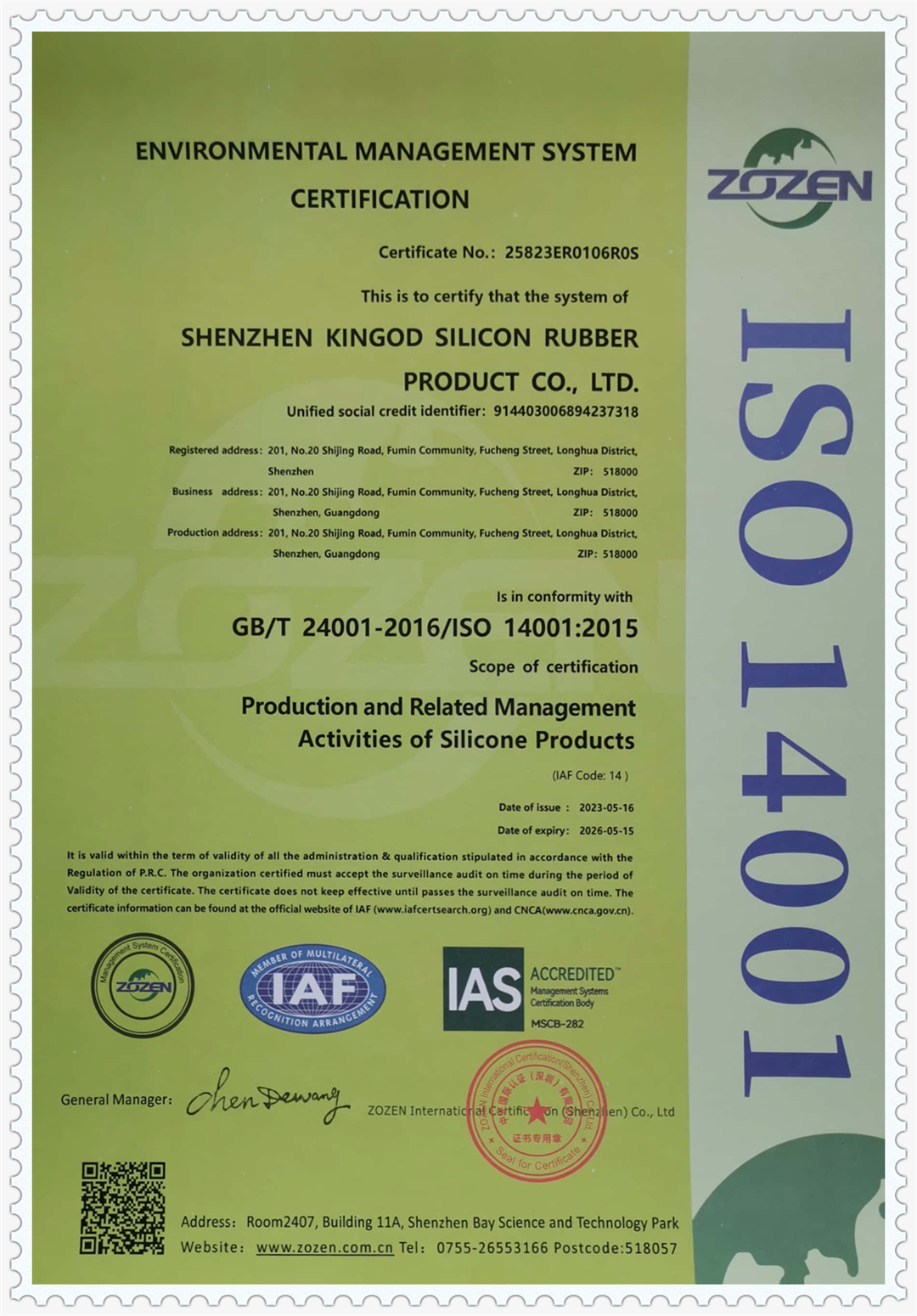
Our comprehensive certification portfolio demonstrates our commitment to quality, safety, and innovation in medical silicone manufacturing.
Explore our full portfolio of precision medical silicone products designed and manufactured to meet Japan's healthcare and industrial requirements.
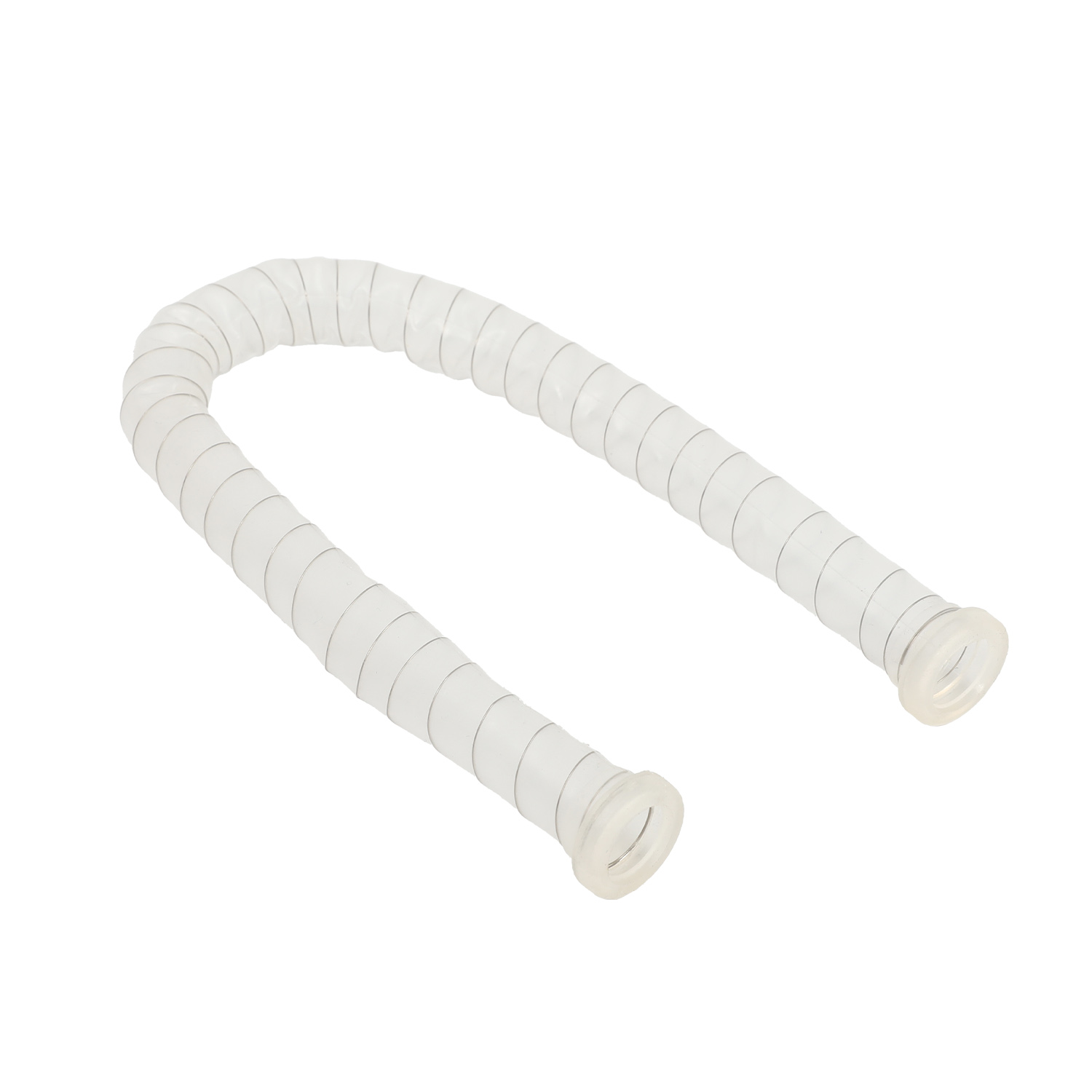
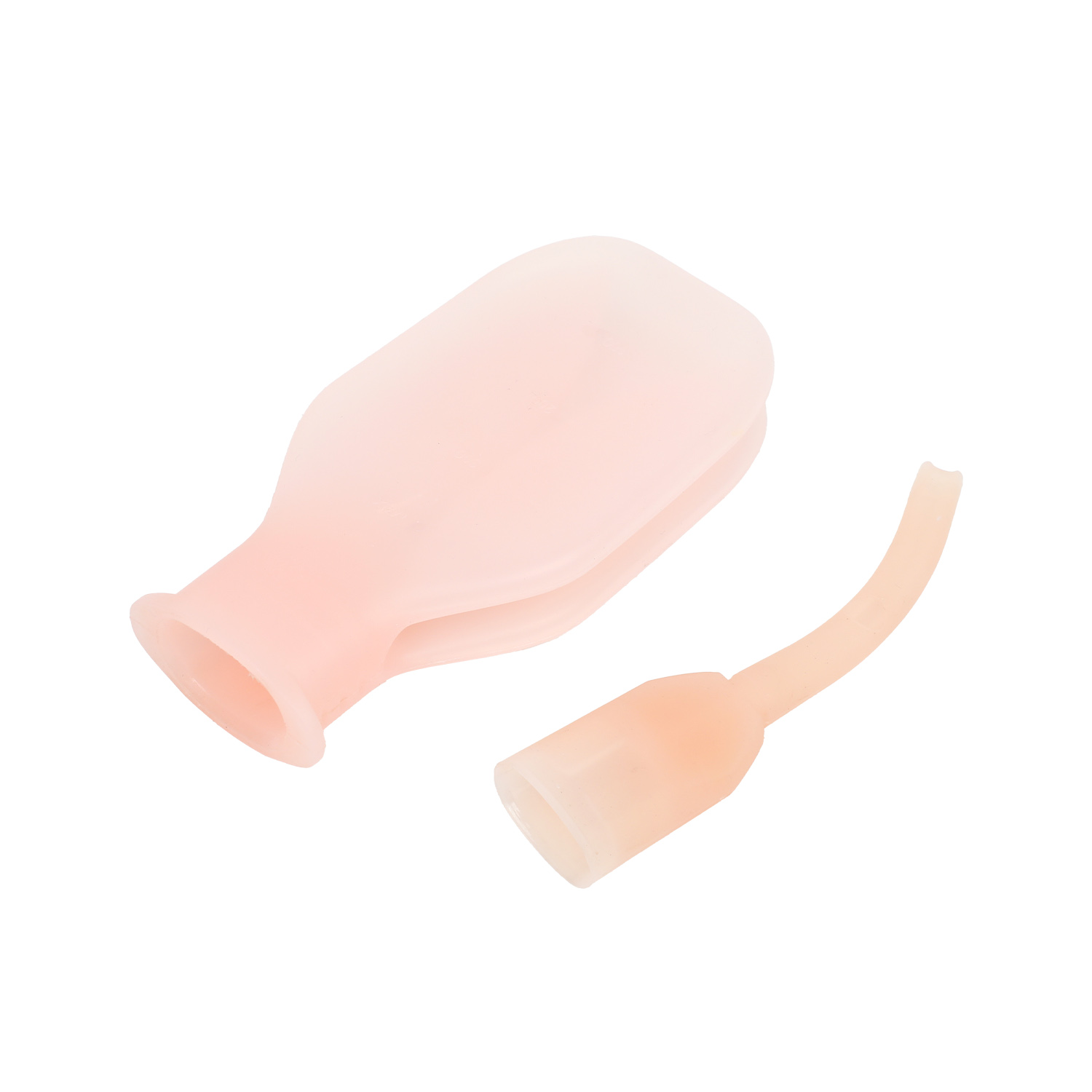
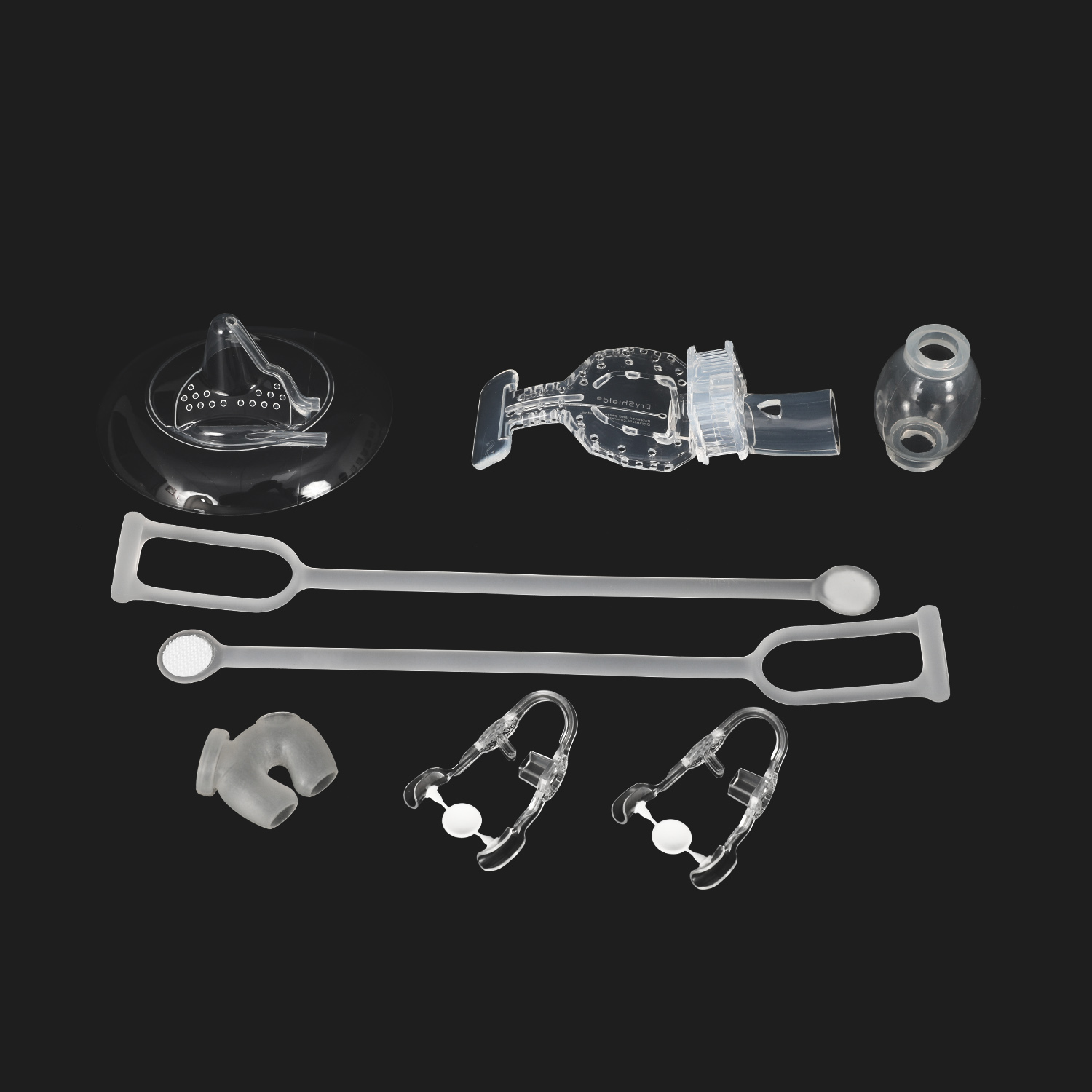
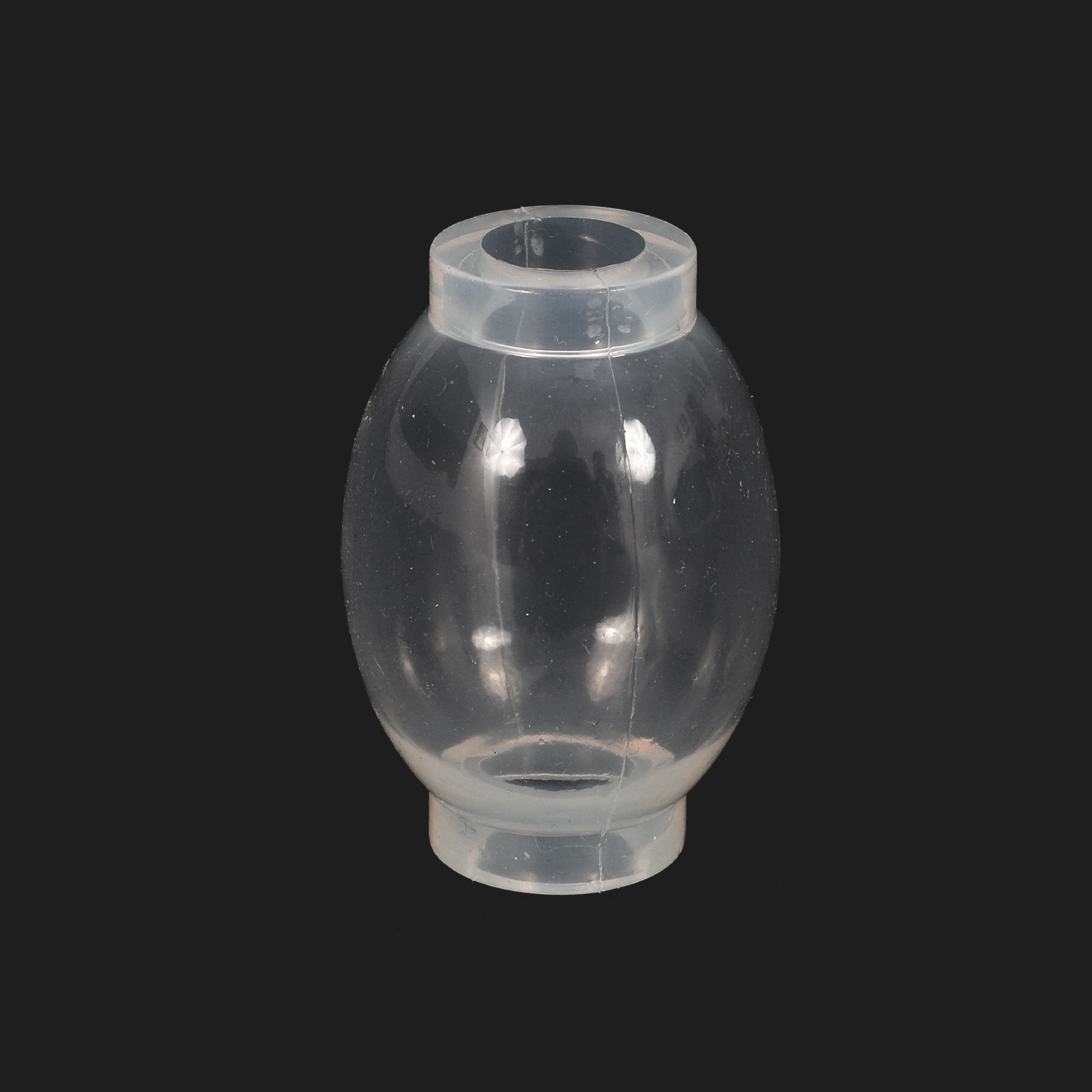
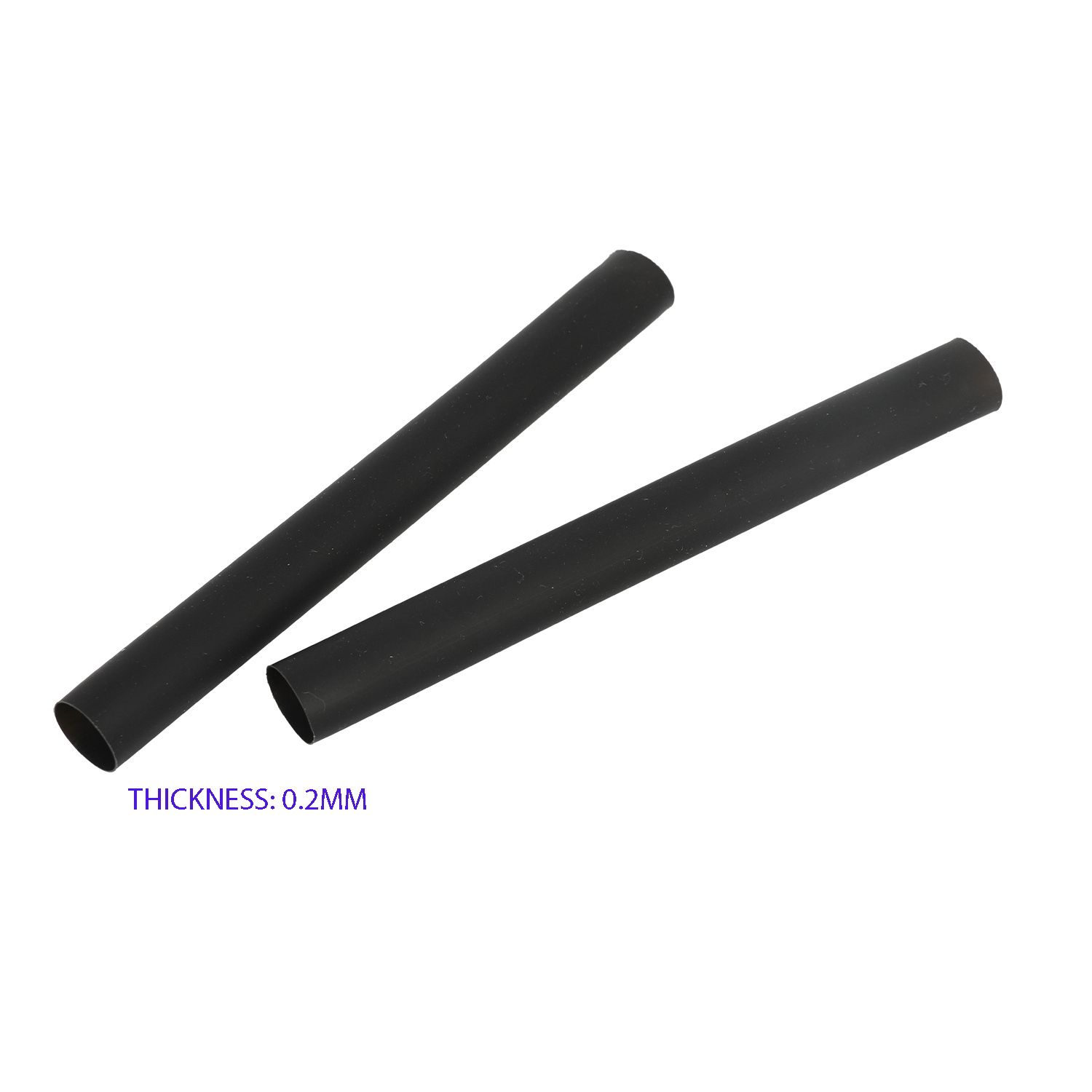
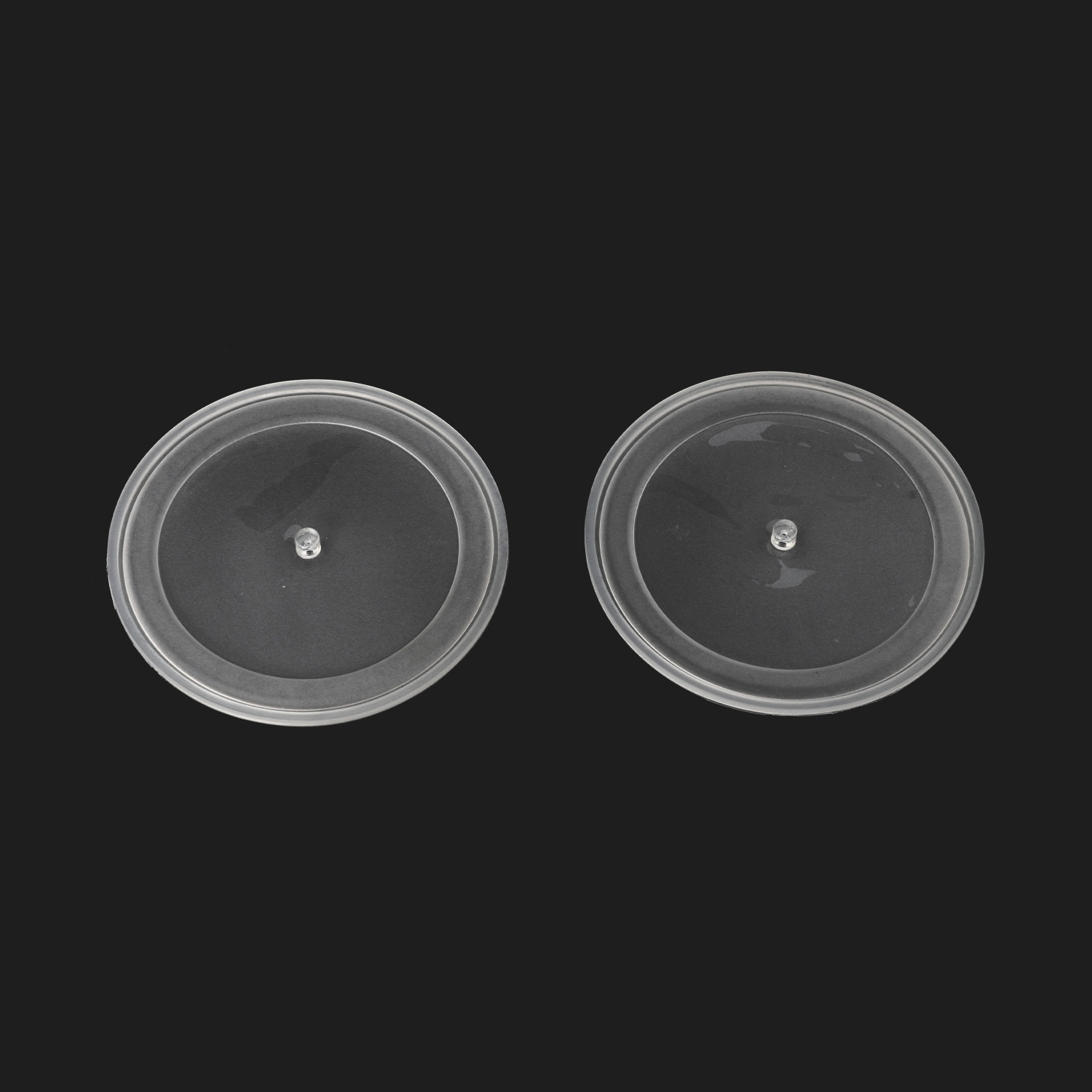
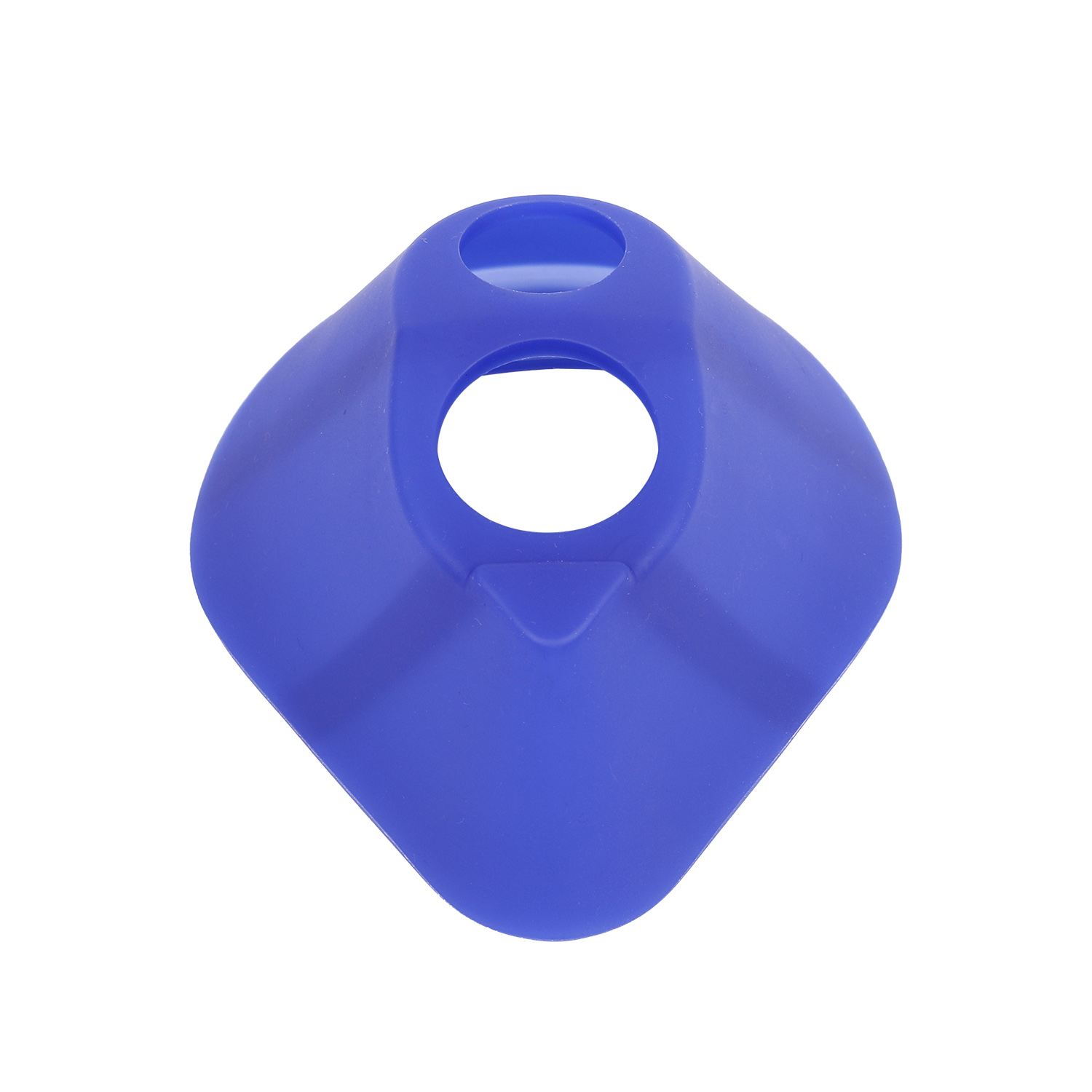
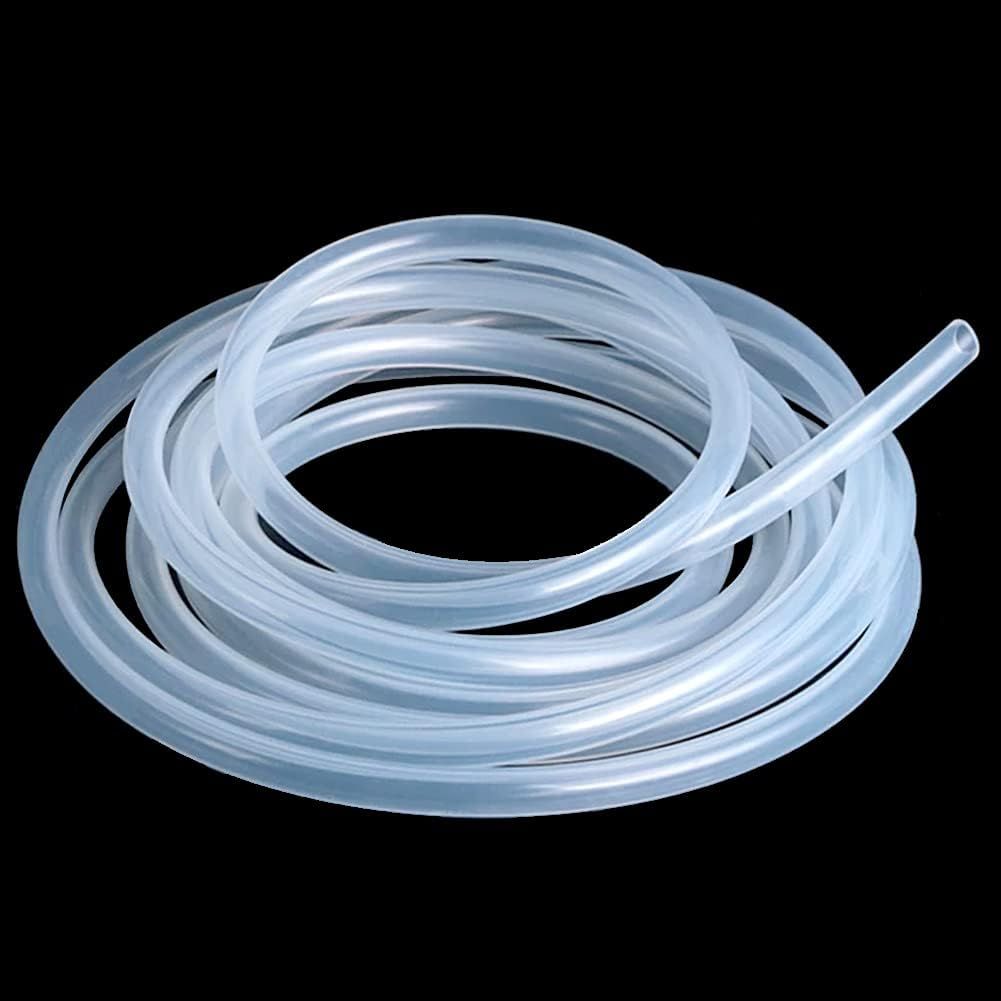
Partner with Shenzhen Kingod Silicone Products Co., Ltd. — your ISO 13485 certified manufacturer for precision medical rubber tubes and silicone components trusted across Japan's healthcare industry.
Get a Free Quote Today