- Home
- Products
- Company
- Case Study
- News
- Contact Us
Leave Your Message
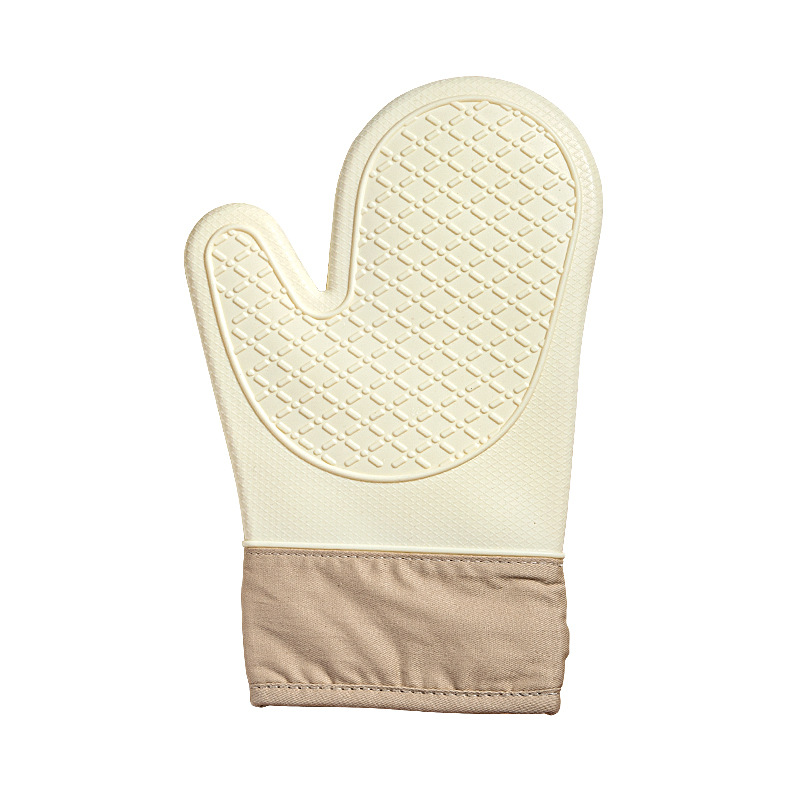
In the modern retail landscape, kitchenware specialty stores are undergoing a major evolution. Today's consumers are no longer satisfied with generic, low-cost plastic utensils that warp, stain, or potentially leach chemicals into their food. Instead, there is a rapidly growing demand for high-performance, health-safe, and highly durable kitchen tools. This shift has placed medical silicone molding at the center of innovation for premium culinary brands.
By utilizing medical-grade Liquid Silicone Rubber (LSR) and advanced molding techniques, manufacturers can produce kitchenware that meets the absolute highest standards of purity and safety. Medical-grade silicone is formulated to be completely biocompatible, hypoallergenic, and inert. It does not react with acidic foods, release toxic byproducts, or contain harmful plasticizers like BPA, phthalates, or heavy metals. When specialty stores showcase products built using medical silicone molding technology, they are offering their customers the ultimate peace of mind.
Medical silicone molding utilizes platinum-cured systems rather than peroxide-cured systems. This ensures zero chemical off-gassing, complete odorlessness, and exceptional thermal stability ranging from -40°C to 230°C. It represents the pinnacle of material safety, making it highly attractive to health-conscious consumers.
The global market for premium kitchenware has experienced a steady upward trajectory, driven by the rise of home baking, gourmet cooking, and a collective focus on long-term wellness. Specialty kitchenware stores face fierce competition from generic e-commerce marketplaces. To succeed, they must curate a unique product selection that justifies premium pricing through superior design, safety certifications, and material science.
Medical silicone molding offers exactly this competitive edge. Products manufactured via medical-grade molding techniques command higher price points because they are virtually indestructible and completely food-safe. Standard plastic kitchen tools degrade and release microplastics over time. In contrast, medical-grade silicone remains stable after thousands of cycles in commercial dishwashers and high-heat ovens. This durability reduces long-term consumer costs and aligns with the modern sustainability movement by replacing single-use or low-quality plastics.

For kitchenware specialty stores to effectively market these premium goods, it is essential to understand the science behind the manufacturing process. The production of medical-grade silicone kitchenware relies on two primary technologies: Liquid Silicone Rubber (LSR) Injection Molding and High-Temperature Vulcanized (HTV) Compression Molding.
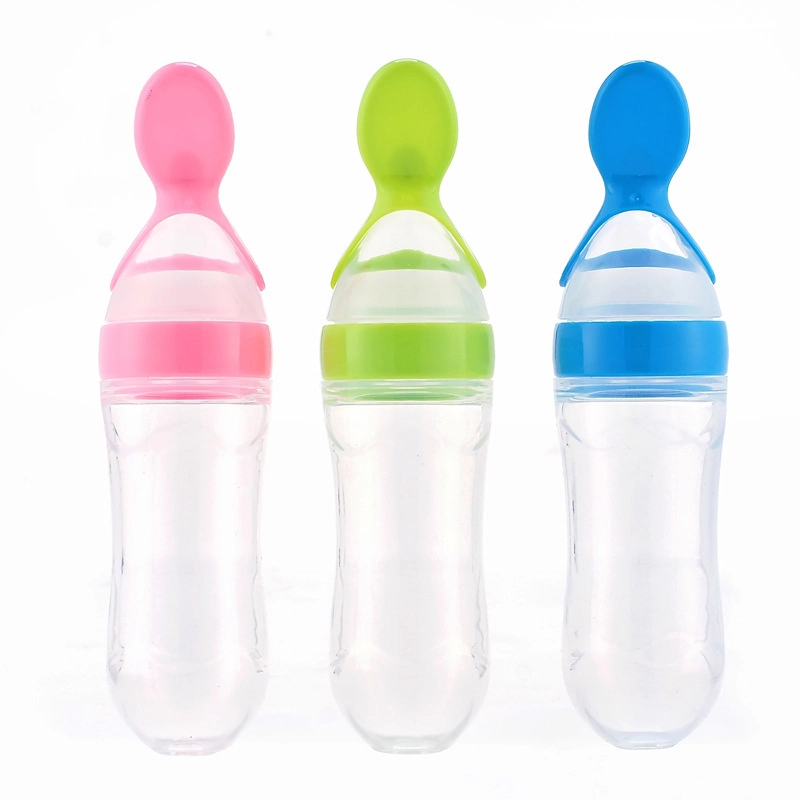
LSR injection molding is the gold standard for intricate, high-precision culinary tools. The process involves mixing a two-part liquid compound (Part A and Part B) which is then injected into a heated mold cavity. Because the raw material is processed in a completely closed system, there is zero risk of environmental contamination. This method allows for complex geometries, thin-wall designs, and overmolding (bonding silicone directly onto stainless steel or high-temperature plastic handles). This is how premium, ergonomic spatulas and infant squeeze spoons are crafted.
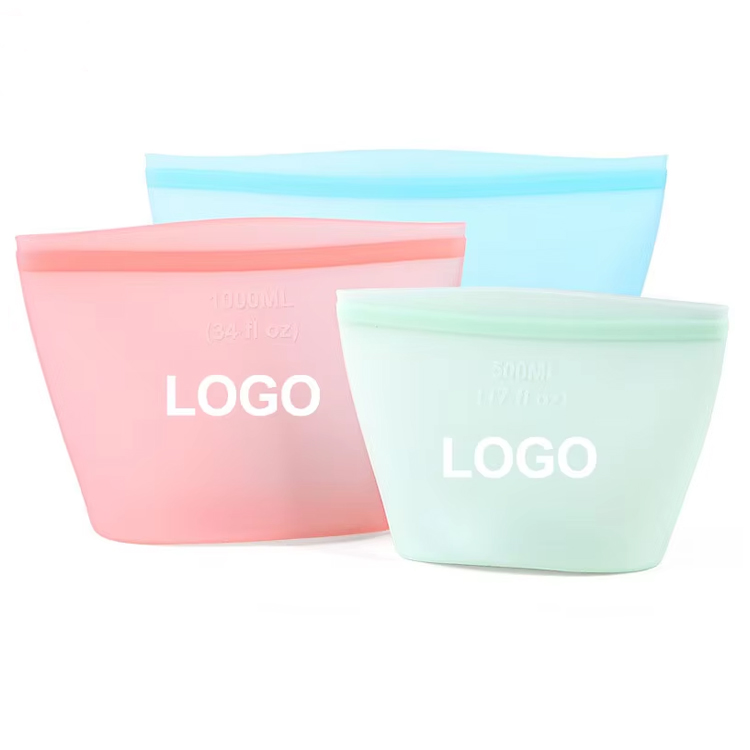
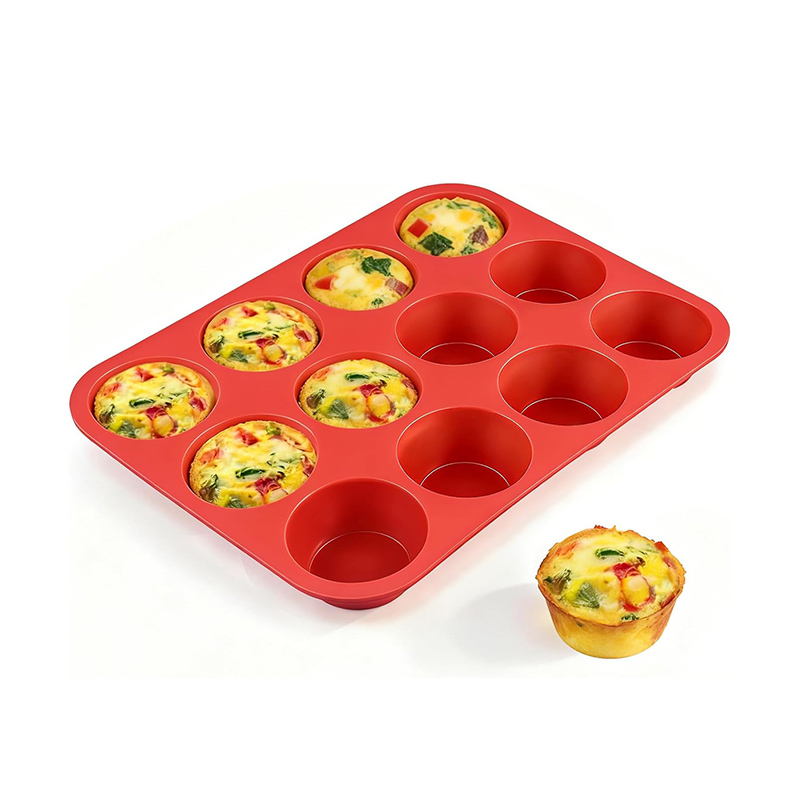
For larger, uniform shapes such as baking mats, muffin molds, and large storage bags, HTV compression molding is often utilized. The silicone is prepared as a solid gum-like sheet, placed manually or semi-automatically into a mold, and cured under high pressure and heat.
Crucially, the curing agent defines the final safety profile. Standard consumer silicone often uses peroxide curing, which can leave behind volatile organic acids that require extensive post-curing baking to remove. Medical silicone molding strictly utilizes platinum curing. The platinum catalyst initiates a cross-linking reaction without generating any chemical byproducts, ensuring the finished kitchenware is completely pure, highly transparent, and free of unpleasant odors or tastes.
Kingod Silicone Products Co., Ltd. is a custom silicone manufacturer established in 2006. We specialize in precision silicone products and use automated production equipment to improve consistency, and product quality for global customers.
Since its establishment, Kingod has focused on advancing silicone processing technologies and expanding production capabilities. Headquartered in Shenzhen, Guangdong Province, the company operates from a modern factory spanning over 3,000 square meters, equipped with state-of-the-art machinery and a skilled workforce. Over the years, Kingod has built a reputation for excellence through continuous technological investment and strict quality management.
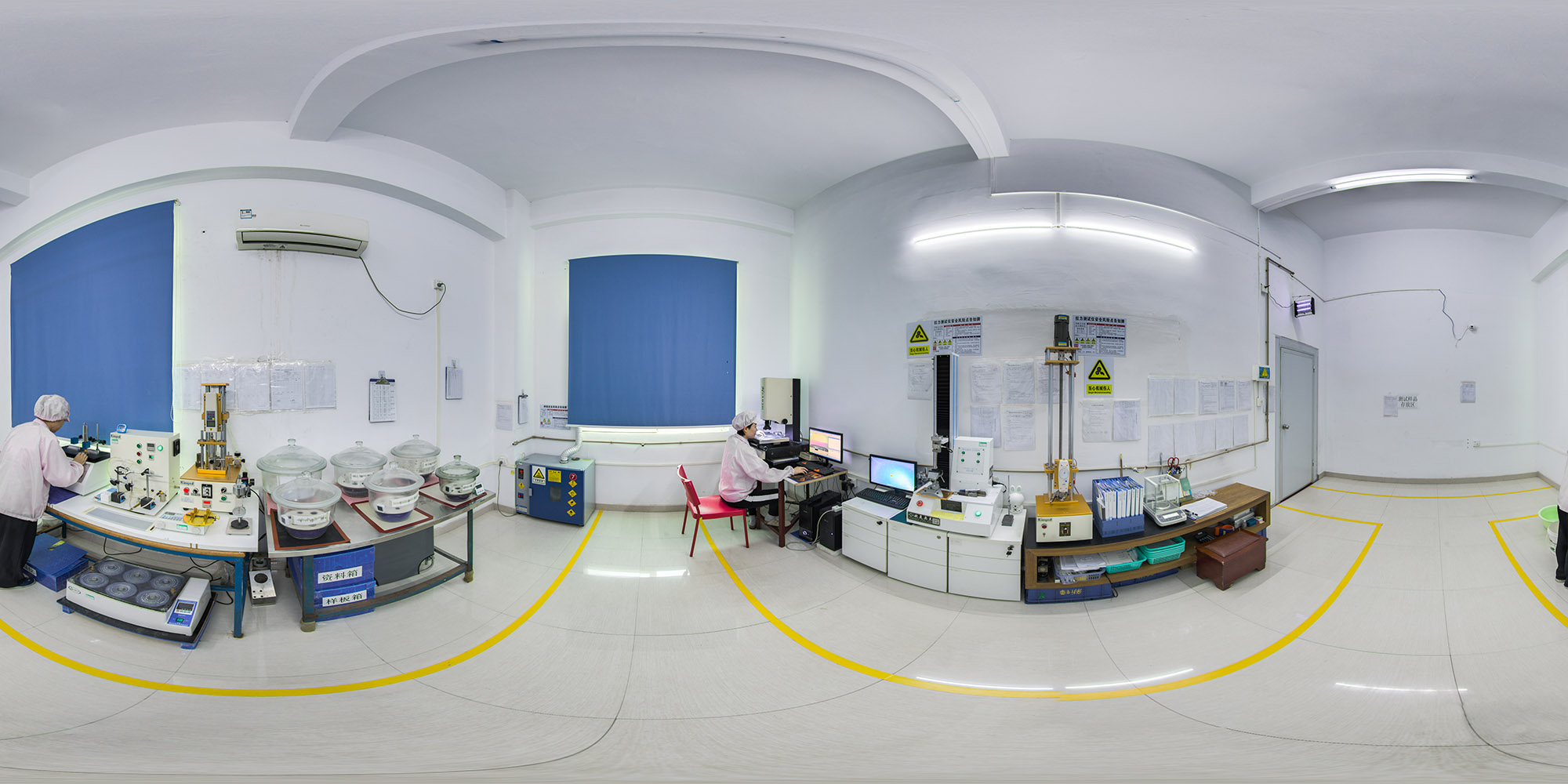
By bridging the gap between medical-grade manufacturing precision and consumer product design, Kingod has become a trusted partner for premium kitchenware brands and specialty stores worldwide. Our state-of-the-art facility features clean production environments and advanced testing equipment to ensure that every batch of silicone molds, baby feeders, and oven mitts meets the highest international safety standards.
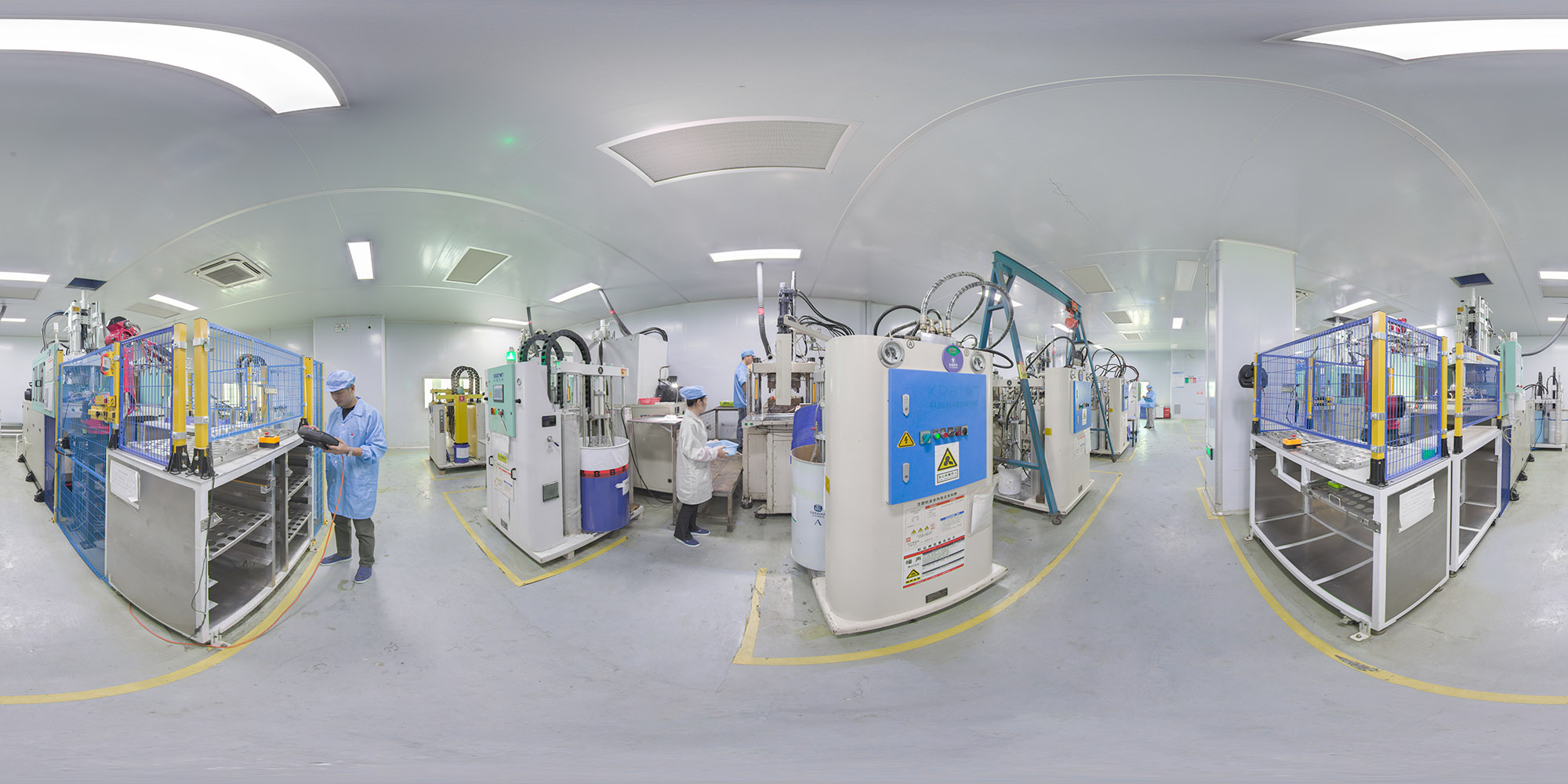
We specialize in Liquid Silicone Rubber (LSR) and High-Temperature Vulcanized (HTV) silicone Compression molding, offering end-to-end custom manufacturing services. Our product portfolio covers a wide spectrum of industries, including:
Food-grade and medical-grade silicone items such as nipples, pacifiers, and feeding utensils designed for maximum safety.
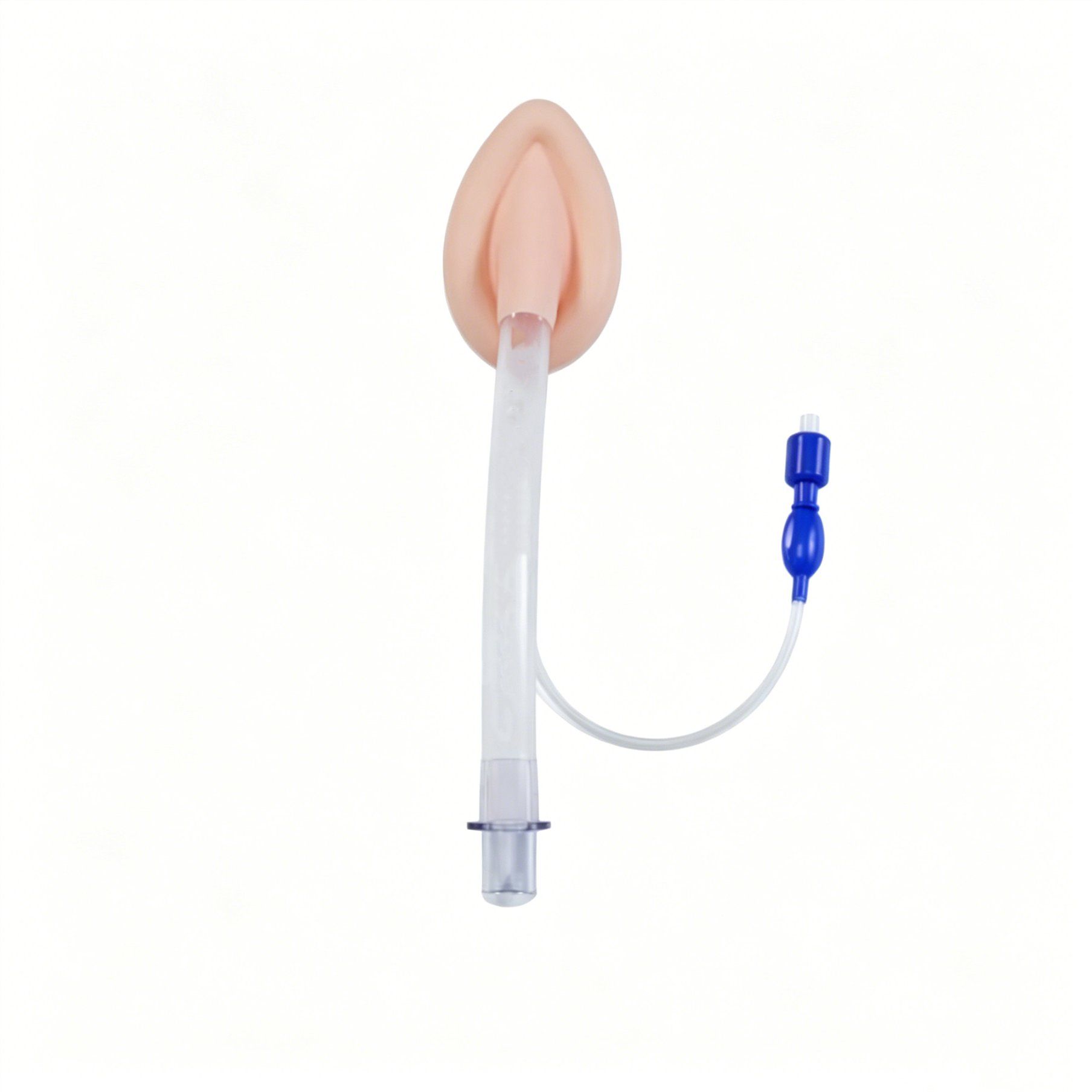
Medical-grade silicone components for devices, seals, and health-critical applications requiring ISO 13485 compliance.
Heat-resistant, non-toxic silicone kitchen tools, bakeware, and home accessories optimized for high-end specialty retail.
Durable silicone seals, gaskets, connectors, and protective components engineered for extreme environments.
We adhere to international quality standards and hold certifications including ISO 9001: 2015, ISO 13485, FDA, LFGB, and RoHS. Our manufacturing processes are regularly audited to ensure compliance with safety and environmental regulations.
For kitchenware specialty brands, product safety recalls can be devastating. That is why Kingod implements a rigorous quality control framework at every stage of production. From testing incoming raw silicone polymer to performing dimensional inspections on finished parts, we ensure zero-defect manufacturing.
Furthermore, we place utmost importance on protecting clients' intellectual property and proprietary information, implementing strict confidentiality protocols throughout every project phase. Whether you are developing a patented new kitchen tool or a proprietary baby feeding system, your designs and molds are fully protected under our secure data management protocols.
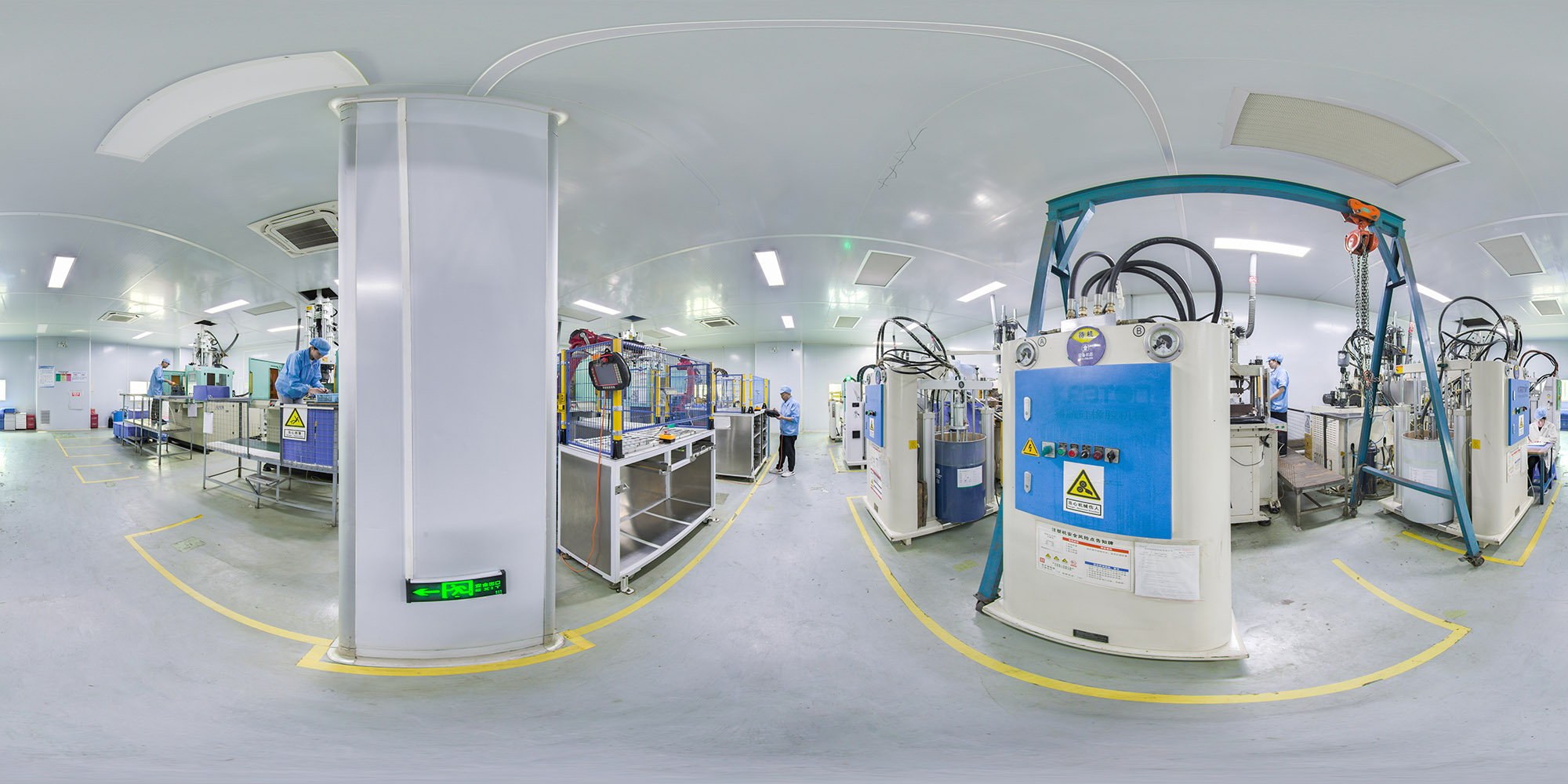
Partnering with Kingod means choosing a manufacturer dedicated to engineering excellence, safety compliance, and reliable supply chain execution.
20 years of focused experience in silicone product manufacturing.
Advanced LSR/HTV molding and multi-material overmolding capabilities.
Certified production with rigorous quality control systems.
Secure handling of client designs and business information.
Dedicated to delivering tailored solutions and exceptional after-sales support.
Looking ahead, Kingod aims to further innovate in eco-friendly and high-precision silicone applications, particularly in the medical, automotive, and consumer electronics sectors. We are expanding our R&D team and automation capabilities to enhance efficiency and product versatility. Our vision is to become a globally recognized silicone solutions provider, driven by technology, sustainability, and customer-centric values.
As the kitchenware industry transitions toward circular economy principles and plastic-free lifestyles, silicone stands out as a highly sustainable alternative. Unlike plastics, which break down into microplastics and contaminate ecosystems, silicone is highly stable and does not degrade into toxic particles. Kingod is actively researching bio-based silicone materials and energy-efficient molding processes to minimize environmental impact, helping our retail partners meet their corporate social responsibility goals.