- Home
- Products
- Company
- Case Study
- News
- Contact Us
Leave Your Message
Engineered to meet the stringent demands of medical device manufacturers worldwide.
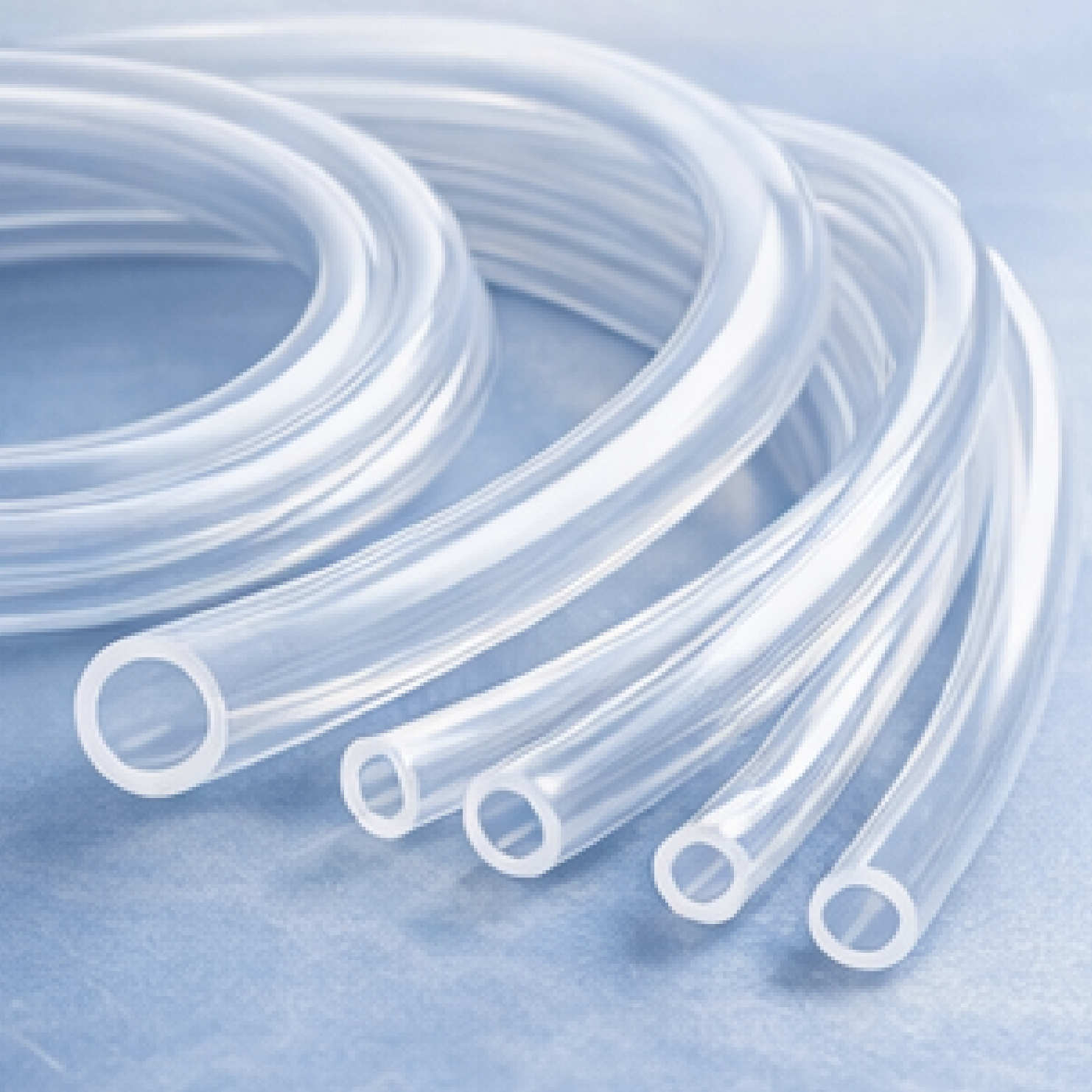
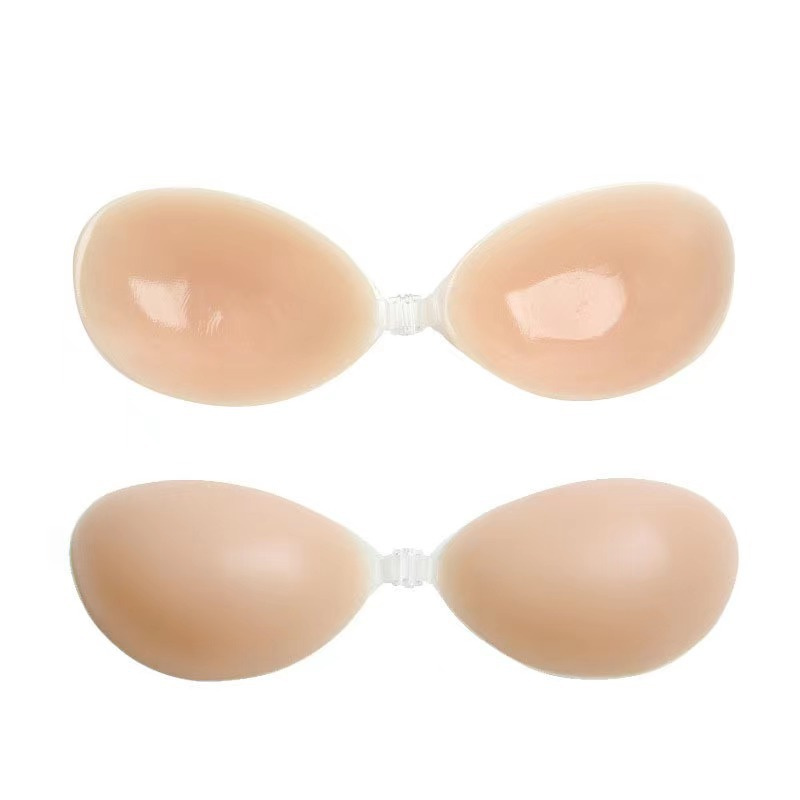
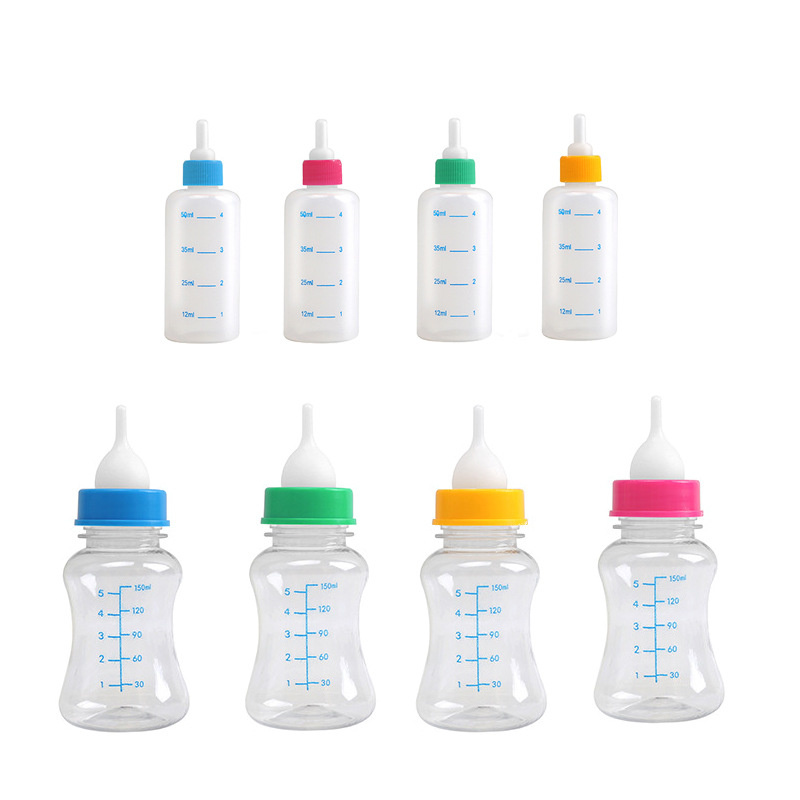
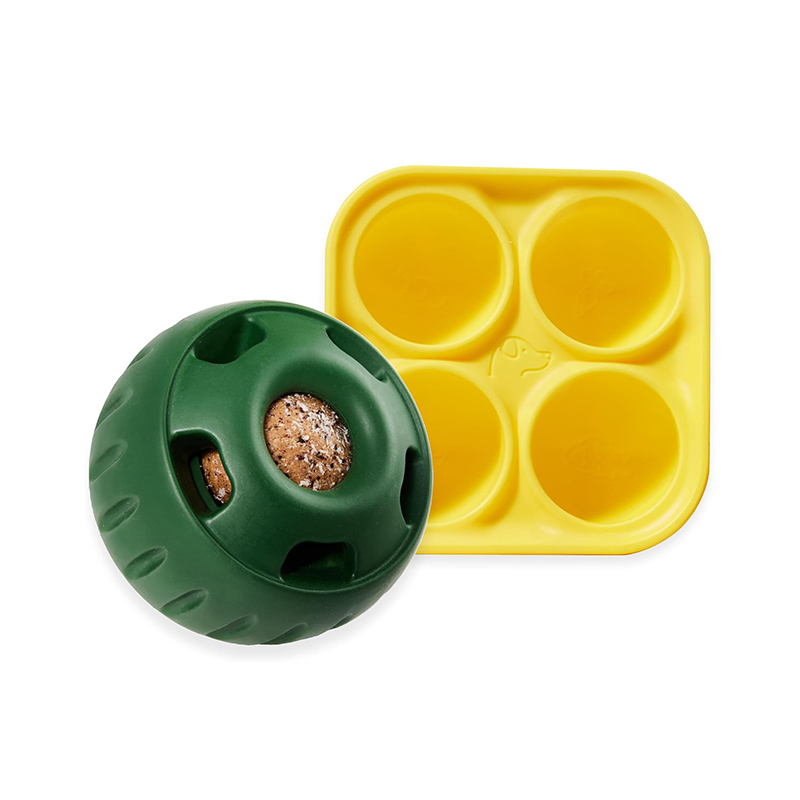
The medical device industry is undergoing a rapid evolution. Driven by advancements in minimally invasive surgeries, wearable health monitoring systems, and highly personalized therapeutics, medical device manufacturers require materials that offer uncompromising safety, chemical inertness, and physical resilience. Medical silicone molding has emerged as the definitive standard for producing critical components that directly interact with the human body or sensitive biological fluids.
Unlike standard industrial elastomers, medical-grade silicone is formulated to exhibit superior biocompatibility, resistance to extreme sterilization methods (such as autoclaving, ethylene oxide, and gamma radiation), and exceptional thermal stability. For device designers, this translates into components that maintain their mechanical properties and integrity over extended periods, whether deployed as short-term skin-contact interfaces or long-term implantable systems.
At Kingod Silicone Products Co., Ltd., we understand that manufacturing for the medical sector leaves zero margin for error. Since 2006, we have integrated state-of-the-art automation and precision engineering to deliver silicone components that satisfy the rigorous demands of global healthcare regulations, helping OEMs bring life-saving technologies to market efficiently.
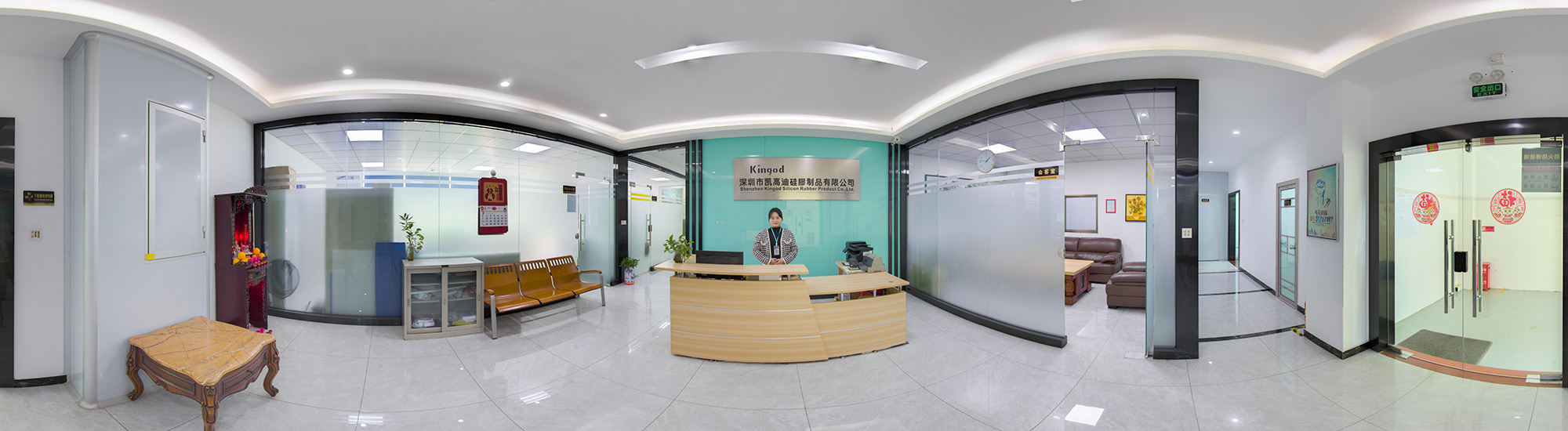
Understanding the market dynamics and technological shifts shaping the future of medical device manufacturing.
The global medical silicone market is experiencing robust growth, projected to reach billions in valuation by the end of the decade. This growth is heavily fueled by several macroeconomic and clinical trends:
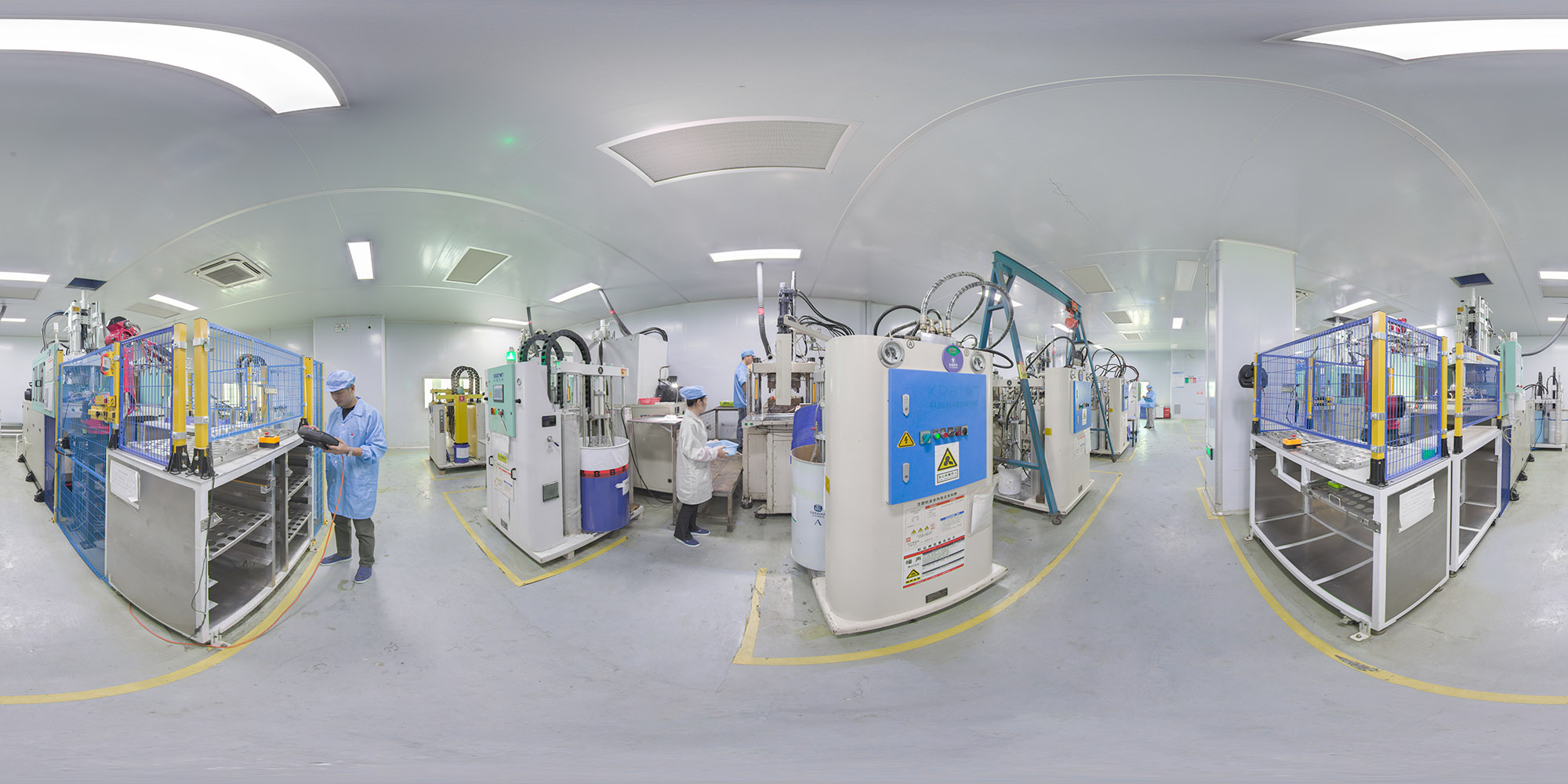
Choosing the correct molding process is vital for balancing mechanical performance, production scale, and cost. Kingod specializes in both Liquid Silicone Rubber (LSR) and High-Temperature Vulcanized (HTV) compression molding, offering tailored paths for every product design.
LSR is the preferred technology for complex, high-volume medical components. Delivered as a two-part liquid system (Part A and Part B), it is mixed and injected directly into a heated mold cavity. Because of its low viscosity, LSR flows easily into intricate geometries and thin-walled structures, achieving exceptional dimensional stability and tight tolerances. LSR processing is highly automated, minimizing human contact and contamination risks, making it ideal for cleanroom manufacturing.
HTV, also known as High Consistency Rubber (HCR), is a high-viscosity silicone that resembles clay. It is pre-formed and placed into a mold cavity before heat and pressure are applied. While cycle times are generally longer than LSR, HTV compression molding is cost-effective for medium-volume production run, larger structures, and components requiring superior physical properties such as high tear strength and tensile resistance.
From critical respiratory pathways to advanced surgical tools, discover how medical-grade silicone powers life-saving devices.
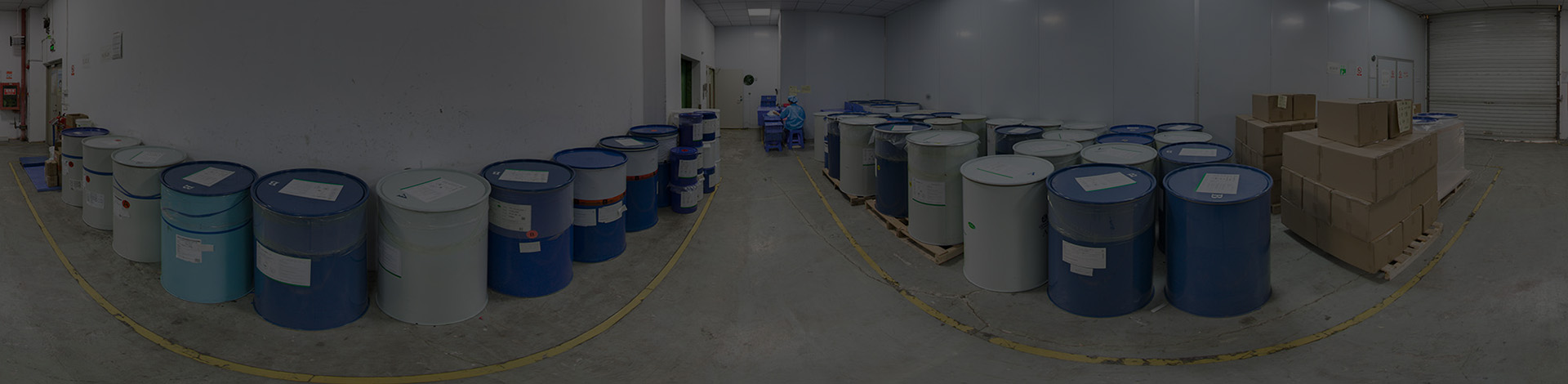
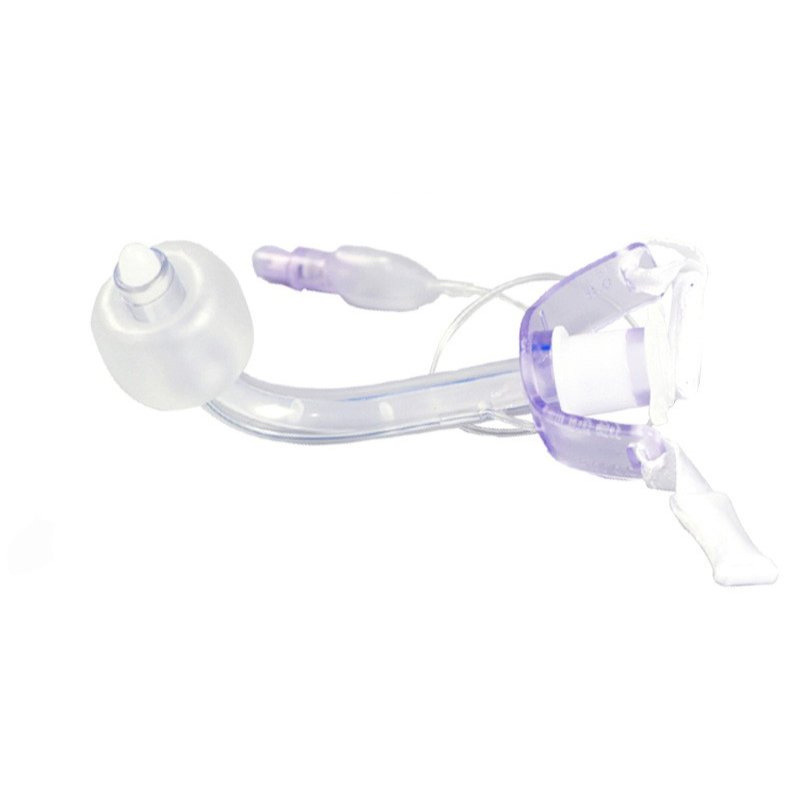
Silicone is widely used in tracheostomy tubes, oxygen masks, diaphragms, and check valves. Its resistance to sterilization and flexibility ensures comfortable patient interfaces and reliable seal integrity in critical air-delivery pathways.
Peristaltic pump tubing, connectors, and catheter components depend on silicone's excellent kink resistance, smooth internal surfaces to prevent fluid stagnation, and biocompatibility with bodily fluids and medications.
Ergonomic handles, protective sleeves, and sterilization trays utilize silicone's thermal stability. It provides non-slip, comfortable grips for surgeons while surviving hundreds of autoclave sterilization cycles.
For long-term implants, medical-grade silicone offers extreme biostability, low tissue reaction, and high purity. Examples include pacemaker leads, implantable ports, and cosmetic or reconstructive prosthetics.
In the medical device supply chain, quality assurance is not just a checkbox—it is a legal and ethical mandate. Kingod operates under a strict Quality Management System (QMS) aligned with international standards to guarantee that every silicone part meets the required purity and mechanical specifications.
We hold certifications including ISO 9001:2015 and ISO 13485, and our materials comply with FDA, LFGB, and RoHS directives. From raw material receipt to final packaging, our processes are documented to ensure complete batch traceability. Our production environment is designed to control airborne particulates and bioburden, mitigating contamination risks for critical medical components.
Furthermore, we understand the value of proprietary designs. We implement rigorous intellectual property (IP) protection protocols, ensuring that your custom designs, molds, and trade secrets remain fully confidential throughout the design, prototyping, and manufacturing phases.
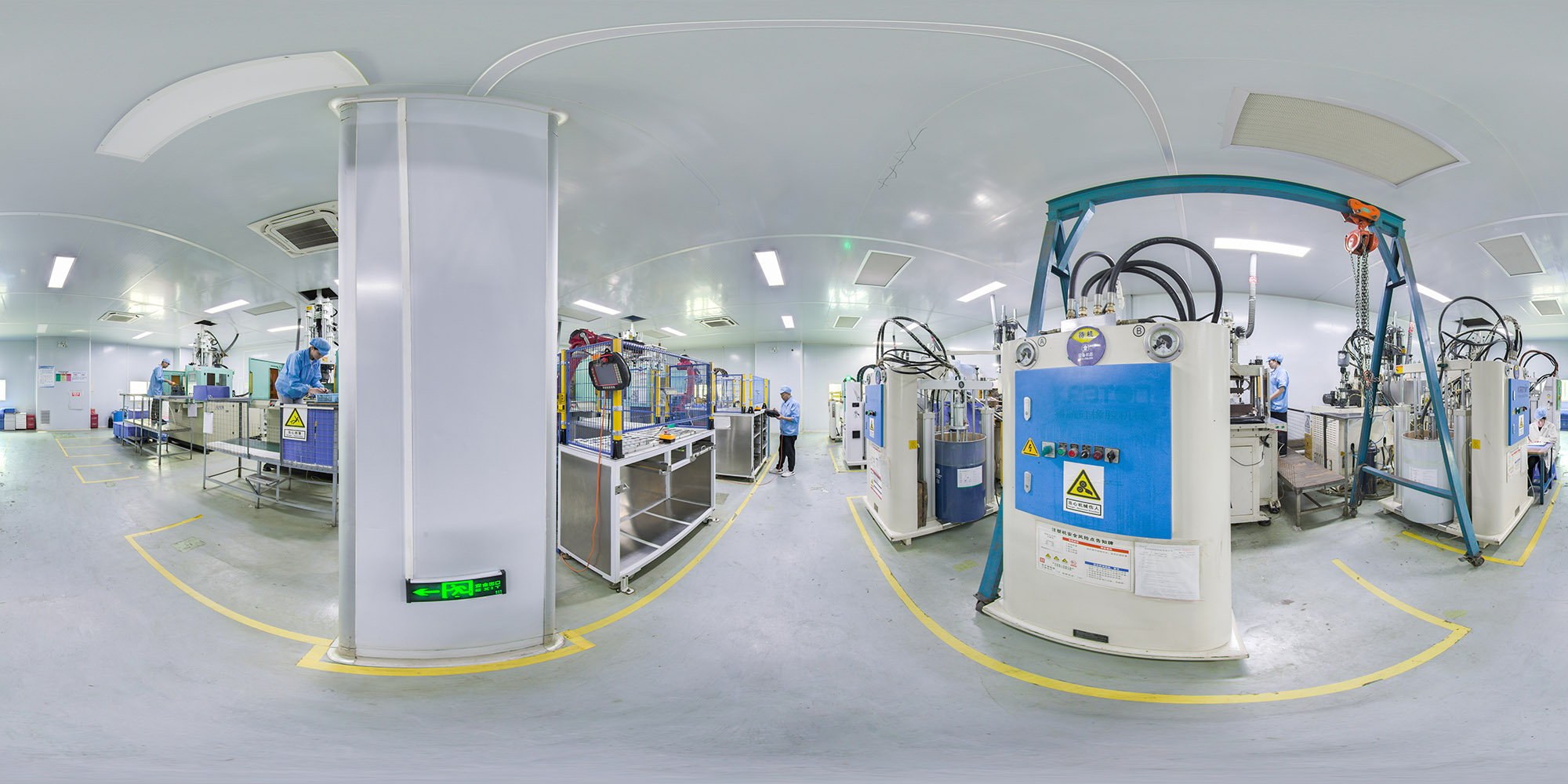
Combining decades of industry expertise with advanced manufacturing capabilities to power your next healthcare innovation.
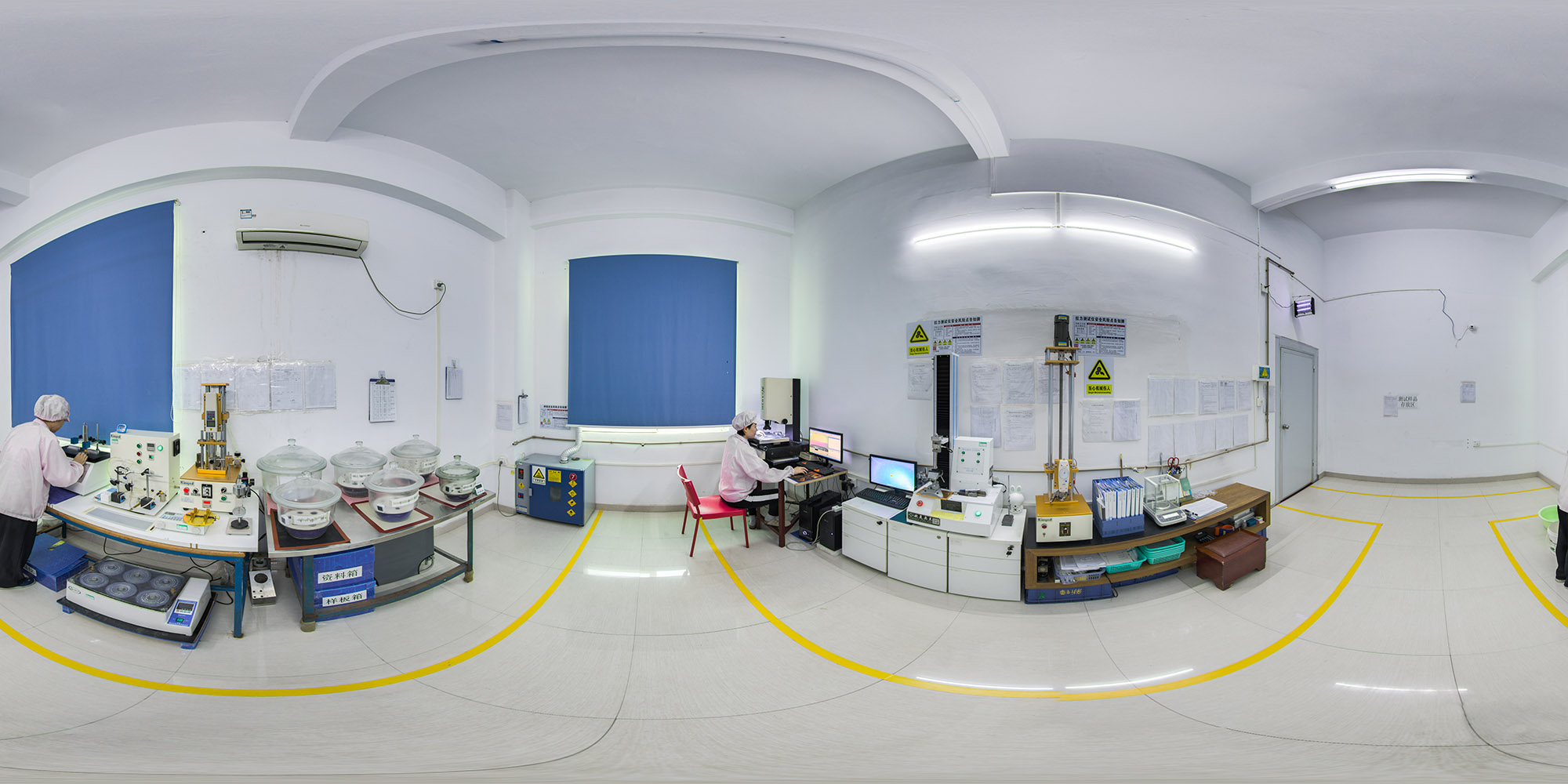
The future of healthcare lies in smart, eco-friendly, and highly integrated devices. Kingod is committed to staying at the forefront of these technological advancements. We are actively expanding our R&D capabilities and investing in next-generation automation to support micro-molding and smart silicone applications.
We are also exploring sustainable manufacturing practices, focusing on reducing material waste and energy consumption during the vulcanization process. By combining technological innovation, rigorous quality controls, and a customer-centric philosophy, Kingod aims to remain a trusted global partner for medical device manufacturers, helping shape the future of medical technology.
Explore our diverse capabilities in medical-grade, food-grade, and custom industrial silicone solutions.