



Baby Silicone Products Market - Global Forecast 2025-2030
The baby silicone products market is experiencing rapid transformation, fueled by evolving parental priorities, robust regulatory landscapes, and the integration of advanced material technologies. As the sector shifts from commodities to premium essentials, industry attention increasingly centers on sustainability, digital commerce, and design innovation that respond to dynamic consumer demands.
Market Snapshot
The baby silicone products market demonstrates strong growth, with stakeholders responding to rising consumer interest in health, sustainability, and digital access channels. With increasing investment in research and development, manufacturers are refining formulations to meet or exceed stringent safety standards. Online and offline retail channels both contribute to a diverse competitive landscape, driven by changing preferences, regulatory updates, and supply chain adaptations. The market’s performance is underpinned by accessibility, product evolution, and the ongoing shift toward eco-conscious solutions that align with modern consumer values and expectations.
Scope & Segmentation of the Baby Silicone Products Market
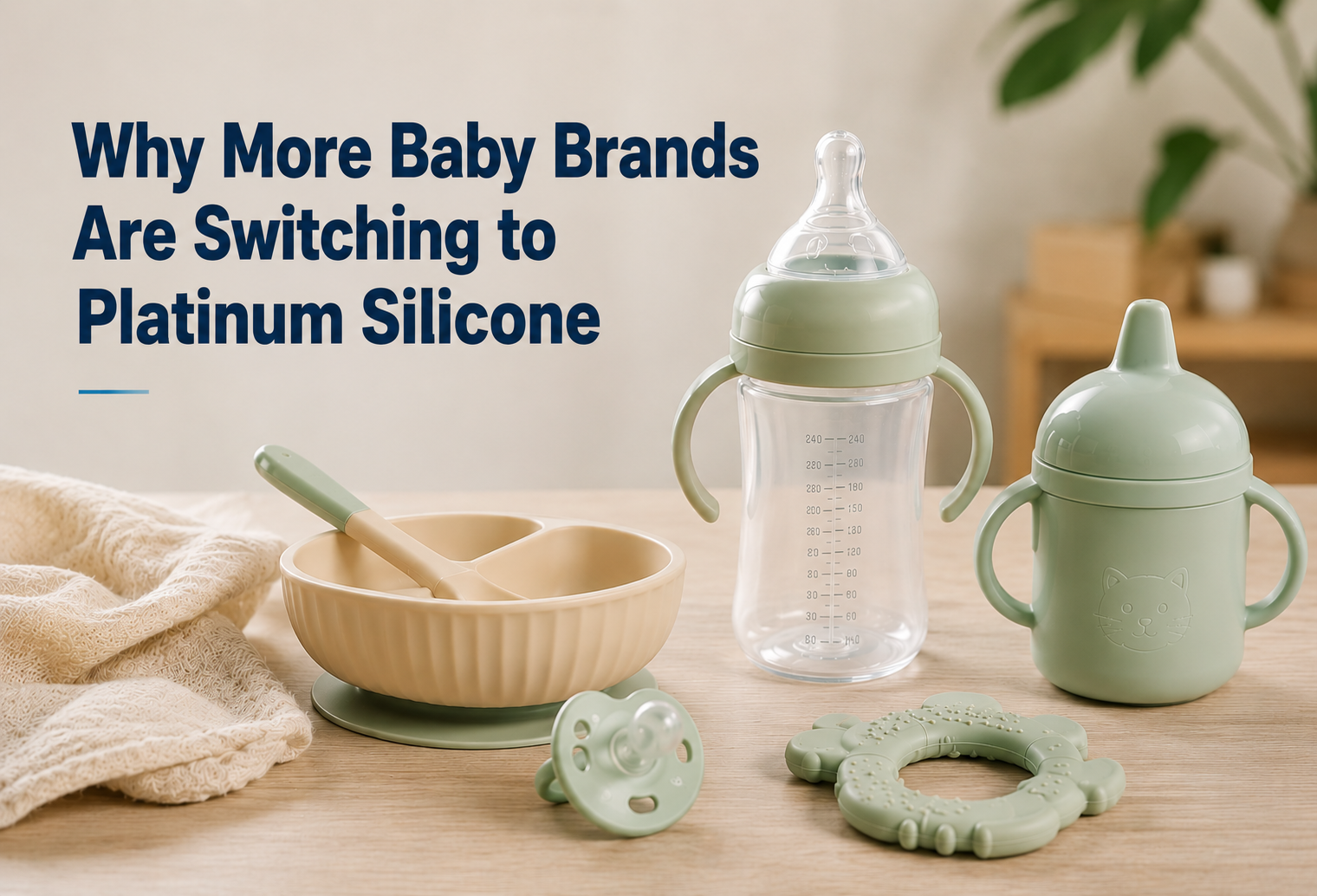
- Product Types: Bath toys, bibs, bowls, cups, feeding bottles, pacifiers, plates, teethers.
- Distribution Channels: Hypermarkets/supermarkets, pharmacies and drug stores, specialty stores, brand websites, e-commerce platforms.
- Application Areas: Bathing accessories and toys, feeding bottles and utensils, soothing pacifiers and teethers.
- Age Groups: 0-6 months, 7-12 months, 13-24 months, above 24 months.
- Price Ranges: Economy, mass market, premium.
- Geographic Regions: Americas, Europe, Middle East & Africa, Asia-Pacific (China, India, Japan, Australia, South Korea, Indonesia, Thailand, Philippines, Malaysia, Singapore, Vietnam, Taiwan).
- Key Companies: Pigeon Corporation, Royal Philips N.V., Artsana S.p.A., MAM Baby Articles AG, Munchkin, Inc., The Mayborn Group Ltd., Newell Brands Inc., Dr. Brown’s, LLC, MAPA GmbH & Co. KG, Fairmate USA Inc.
Key Takeaways
- Heightened sustainability expectations are driving adoption of closed-loop and circular manufacturing models, directly influencing material selection and product lifecycle management.
- Digital commerce growth enables brands to engage parents via personalized, data-driven recommendations and faster fulfillment, enhancing brand loyalty through superior convenience.
- Collaborative product development between biomedical research and advanced materials laboratories is raising safety benchmarks, especially by eliminating hazardous additives and introducing antimicrobial features.
- Segmentation by distribution channel and price range allows targeted market strategies, with premium positioning gaining traction in urban and digitally-savvy regions, while value-based lines cater to cost-sensitive markets.
- Regional regulatory diversity, especially across Europe and Asia-Pacific, compels manufacturers to localize formulations, certifications, and supply chain arrangements to maintain compliance and market relevance.
Tariff Impact on Cost Structure and Supply Chain
New United States tariffs set for 2025 have introduced significant challenges for the baby silicone product industry. Overseas raw material suppliers now face elevated duties, incentivizing a shift to alternative sourcing and an increase in domestic partnerships to cushion against tariff exposure. Manufacturers are adapting by diversifying suppliers and replenishing inventories through longer lead times or just-in-time deliveries. Retail and online pricing strategies are evolving in parallel, with companies differentiating between premium and mass-market offerings to absorb duty increases where possible, balancing competitiveness with profitability.
Primary Keyword Focus: Baby Silicone Products Market
Methodology & Data Sources
This study employs a hybrid approach, integrating primary interviews with industry leaders and secondary research from trade publications, regulatory reports, and association datasets. All findings undergo rigorous triangulation and scenario modeling to validate reliability and ensure each insight is grounded in robust analysis.
Why This Report Matters
- Enables strategic planning by revealing actionable insights on product innovation, regulatory navigation, and evolving supply chain models.
- Empowers procurement and operational leaders to adapt quickly to tariff changes and market shifts through evidence-based, region-specific recommendations.
- Facilitates competitive benchmarking by profiling leading companies’ approaches to research collaborations, vertical integration, and digital commerce.
Conclusion
Senior decision-makers seeking to navigate the shifting landscape of baby silicone products will find this report an essential resource for aligning strategy with market trends, operational realities, and consumer expectations for innovation and sustainability.
This product will be delivered within 1-3 business days.