- Home
- Products
- Company
- Case Study
- News
- Contact Us
Leave Your Message
From precision cleaning to assembly-line component handling, our silicone brush solutions are trusted by top-tier audio and earphone OEM/ODM factories worldwide.
The global audio and earphone market is experiencing unprecedented growth, driven by rising demand for true wireless stereo (TWS) earbuds, noise-cancelling headphones, and premium in-ear monitors. As manufacturing volumes scale and product tolerances tighten, silicone brushes have become indispensable precision tools across the entire production chain.
Unlike conventional nylon or bristle brushes, silicone brushes offer a unique combination of physical and chemical properties that make them perfectly suited for the stringent demands of audio component manufacturing. Here is why engineers and production managers consistently choose silicone.
Audio drivers, PCBs, and MEMS microphones are highly sensitive to electrostatic discharge. Silicone brushes with anti-static formulations protect delicate electronic components during cleaning, assembly, and inspection, preventing costly ESD damage at the production line.
Silicone maintains its mechanical properties across a wide temperature range (-60°C to +230°C), making it ideal for use in reflow soldering environments, heat-curing stations, and ultrasonic welding processes common in earphone assembly.
Silicone brushes resist flux residues, isopropyl alcohol, acetone, and other solvents used in PCB cleaning and adhesive application processes, ensuring consistent performance without degradation or contamination of the workpiece.
Modern TWS earbuds feature acoustic meshes and grilles with openings as small as 0.1mm. Purpose-designed silicone brush tips can be molded to exact geometries, enabling targeted cleaning without damaging fragile acoustic membranes or speaker grilles.
Silicone does not shed fibers or particles, a critical requirement for cleanroom-grade audio manufacturing where even microscopic contamination can affect acoustic performance, seal integrity, or IPX waterproofing ratings.
High-quality silicone brushes withstand thousands of cleaning cycles without deformation, delivering a far superior cost-per-use ratio compared to disposable foam swabs or natural bristle brushes, while maintaining consistent performance throughout their service life.
From incoming component inspection to final quality assurance, silicone brushes play a critical role at multiple stages of audio and earphone manufacturing. Below we examine the most commercially significant application scenarios in detail.
Dust, flux, and adhesive residues accumulate on earphone speaker grilles during soldering and assembly. Silicone brushes with precisely tapered tips dislodge contaminants without deforming the mesh, maintaining acoustic transparency and preventing muffled sound output in the finished product.
After surface mount technology (SMT) soldering of audio amplifier ICs and Bluetooth chipsets, flux residues must be removed without damaging solder joints. Silicone brushes dipped in IPA provide gentle yet effective scrubbing action, safe for both ceramic capacitors and fragile RF antenna traces.
Precision silicone brushes serve as application tools for acoustic sealants, UV-cure adhesives, and damping compounds applied to speaker enclosures, driver housings, and cable strain reliefs. The controlled flexibility of silicone bristles ensures even coverage without air bubbles or excess material.
In silicone earphone tip and earbud shell molding operations, silicone brushes are used to apply mold release agents evenly across complex cavity geometries, reducing cycle time, improving part release, and extending mold life — directly impacting production throughput and tooling costs.
Premium wireless earbuds increasingly incorporate optical heart-rate sensors and proximity sensors. Silicone brushes with ultra-soft, non-scratching tips are used to clean these optical surfaces during assembly and QC inspection, preventing false readings caused by contamination.
For IPX4 to IPX8-rated earphones, silicone brushes are used to apply hydrophobic nano-coatings and conformal coatings to PCBs and acoustic ports. The brush's chemical compatibility with fluoropolymer and acrylic coating materials ensures uniform film thickness and complete coverage of critical sealing areas.
As the audio industry evolves toward miniaturization, smart integration, and sustainable manufacturing, the design and application of silicone brushes are advancing in parallel. These are the key trends reshaping the market.
As earphone components shrink — with driver diameters now reaching 6mm or below — silicone brushes are being engineered with tip diameters under 0.5mm using advanced LSR micro-molding. This enables precise cleaning and coating of features invisible to the naked eye, a capability critical for next-generation open-ear and bone-conduction audio devices.
With the rapid adoption of robotic assembly lines and automated optical inspection (AOI) systems in earphone manufacturing, silicone brushes are being redesigned with standardized mounting interfaces for robotic end-effectors. This enables automated, repeatable cleaning and coating operations with cycle times measured in milliseconds.
The proliferation of sensitive MEMS microphones, Hall-effect sensors, and custom ASICs in premium earphones is driving demand for carbon-loaded and inherently conductive silicone brush materials. These specialized formulations provide controlled ESD dissipation, protecting components with damage thresholds as low as 100V HBM.
Major audio brands are publishing stringent supply chain sustainability requirements. Platinum-cured, peroxide-free silicone brush materials with full RoHS, REACH, and SVHC compliance are becoming the procurement standard, with manufacturers requiring full material traceability documentation from Tier 1 suppliers like Kingod Silicone.
Forward-thinking manufacturers are moving beyond single-purpose brushes toward integrated silicone tool systems that combine cleaning, adhesive application, and component positioning functions in a single ergonomic instrument. Custom two-shot molding and overmolding enable rigid-handle / soft-tip combinations optimized for specific assembly workstations.
Silicone brush tooling is increasingly being embedded with RFID tags and QR codes for tool life tracking, maintenance scheduling, and process traceability within Industry 4.0 manufacturing execution systems (MES). This digital integration ensures brushes are replaced before performance degradation affects product quality.
At Shenzhen Kingod Silicone Products Co., Ltd., we believe that great products begin with great partnerships. As a custom silicone products manufacturer, we combine advanced molding technology, rigorous quality systems, and genuine end-to-end support to bring your concepts to life.
By manufacturing entirely in-house, we eliminate intermediaries and pass the savings directly to you. Factory-direct pricing means you receive cost-effective solutions without sacrificing quality. Our vertically integrated operations allow us to control every stage of production, optimizing efficiency and reducing lead times. Whether you require prototype quantities or million-unit production runs, you receive the same transparent, competitive pricing structure.
Our state-of-the-art liquid silicone rubber (LSR) injection molding equipment enables production of silicone brush components with tolerances as tight as ±0.05mm — a critical requirement for audio manufacturing applications where brush tip geometry directly impacts cleaning efficacy and component yield rates.
Our in-house R&D team works directly with your engineers to develop silicone brush geometries, hardness profiles (Shore A 10–80), and material formulations optimized for your specific audio manufacturing processes. From initial concept sketches to validated production tooling, we provide complete design-for-manufacturability (DFM) support.
With established logistics partnerships and bonded warehouse capabilities, Kingod Silicone delivers to audio manufacturing hubs in Shenzhen, Dongguan, Vietnam, Malaysia, and globally. Standard lead times of 15–25 days for tooled production parts, with express sampling services available within 7 days for urgent qualification programs.
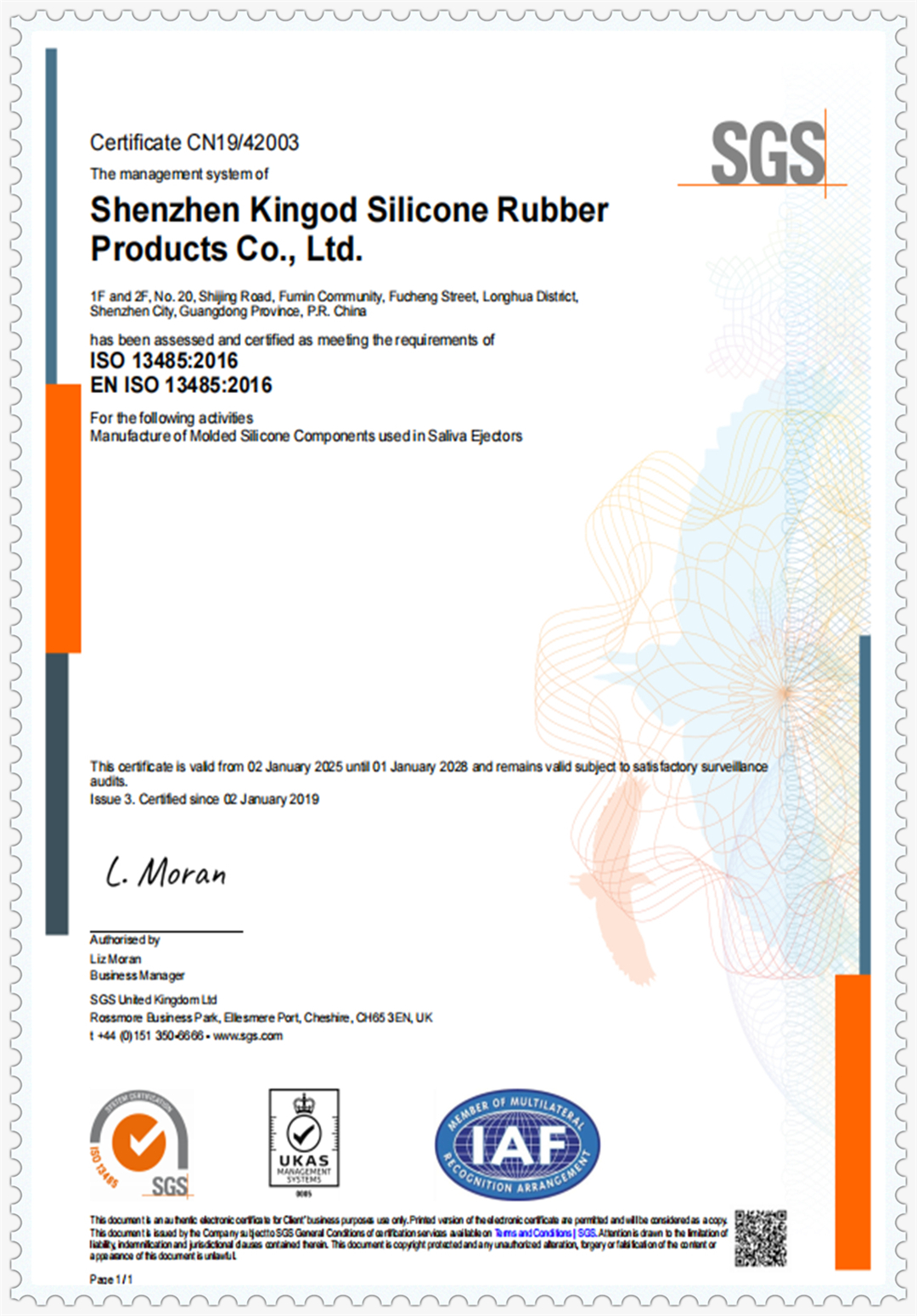
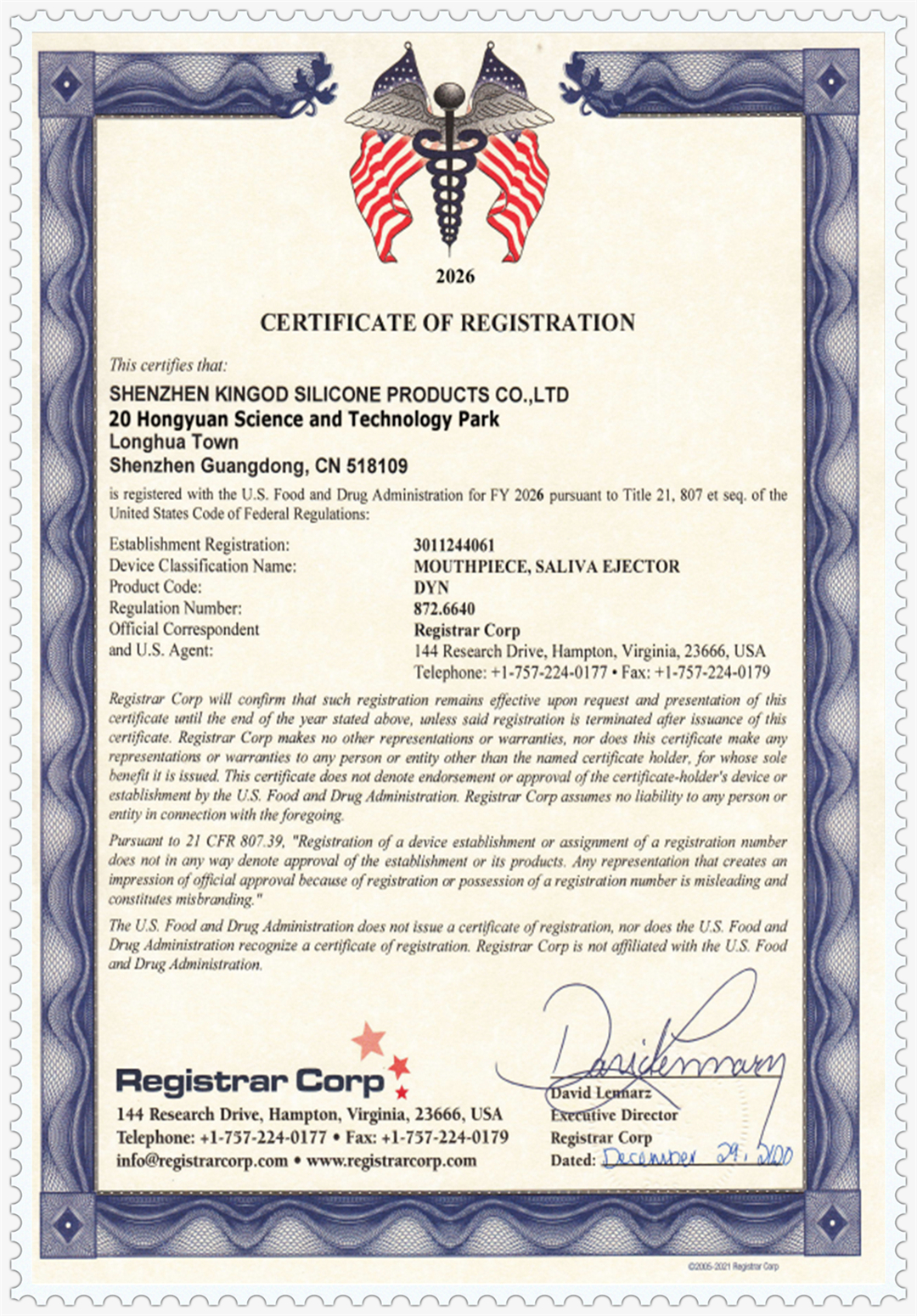
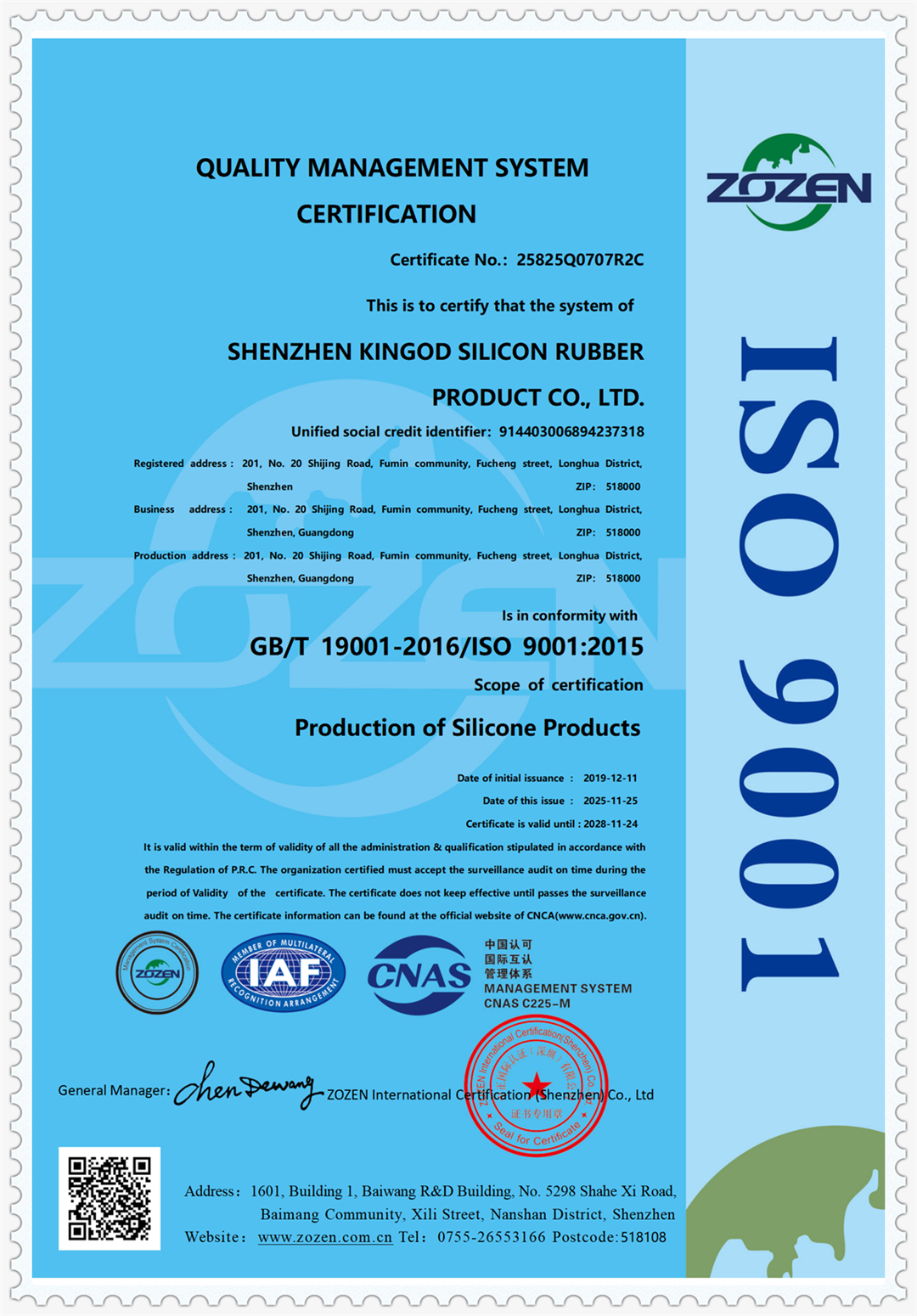
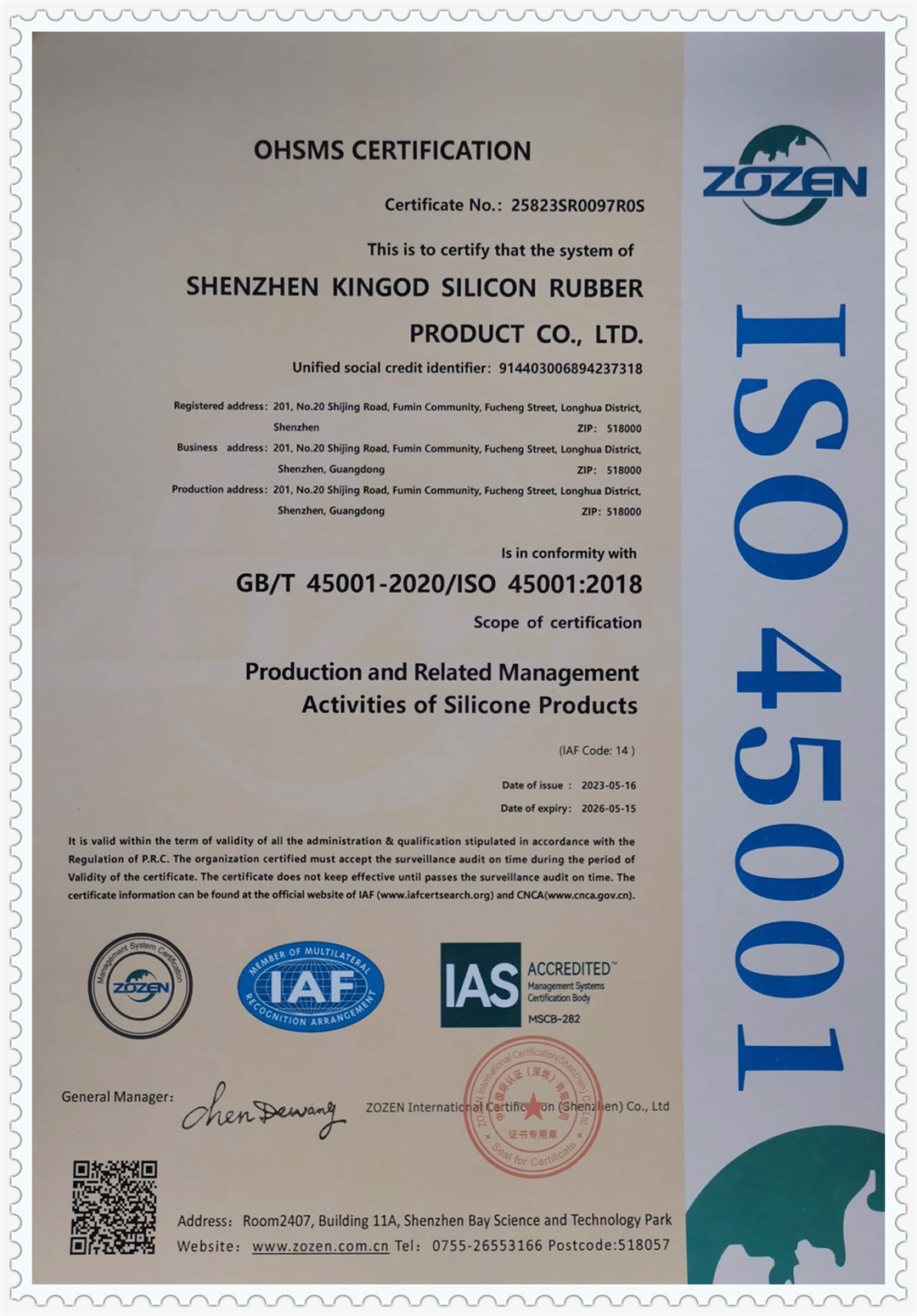
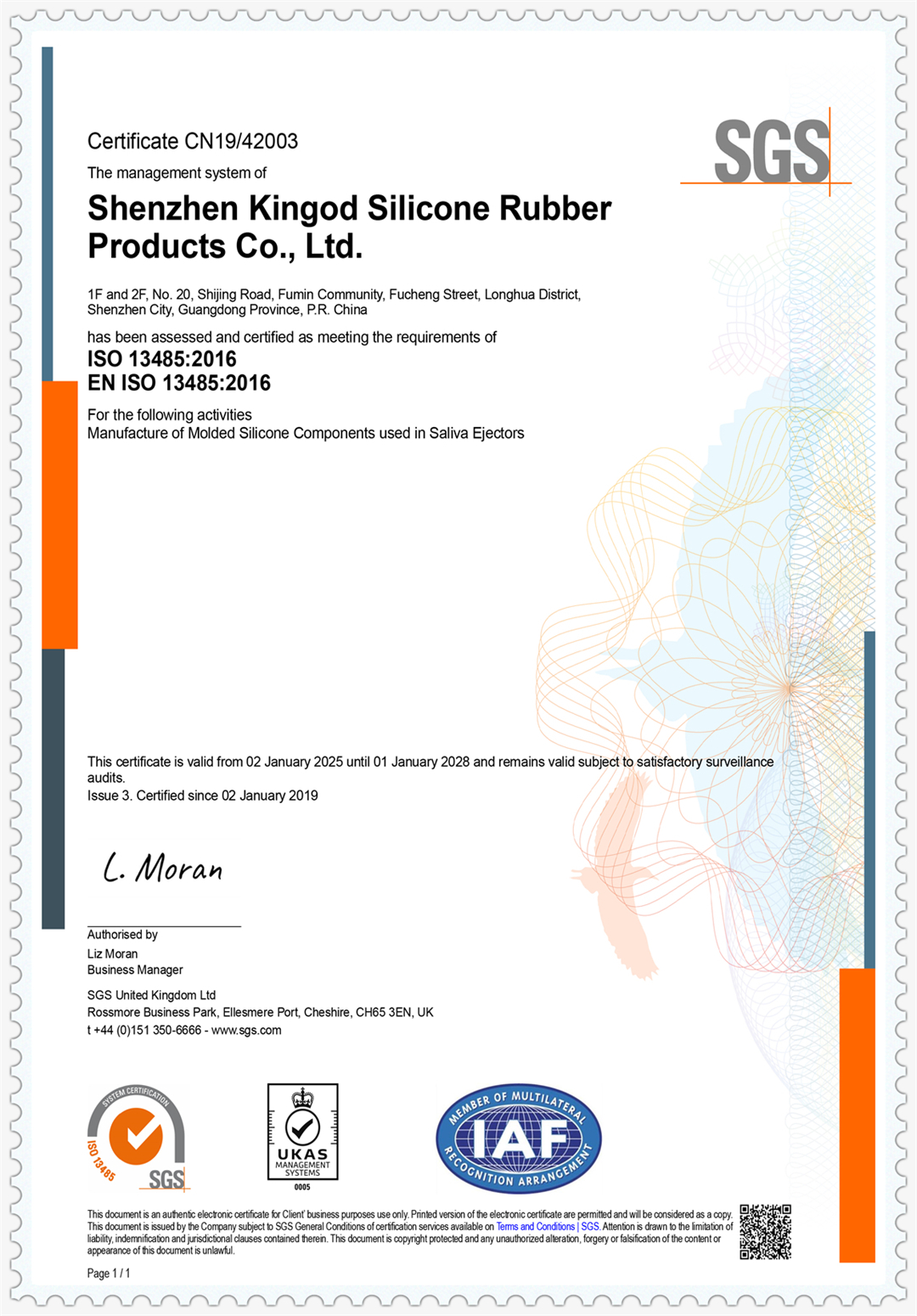
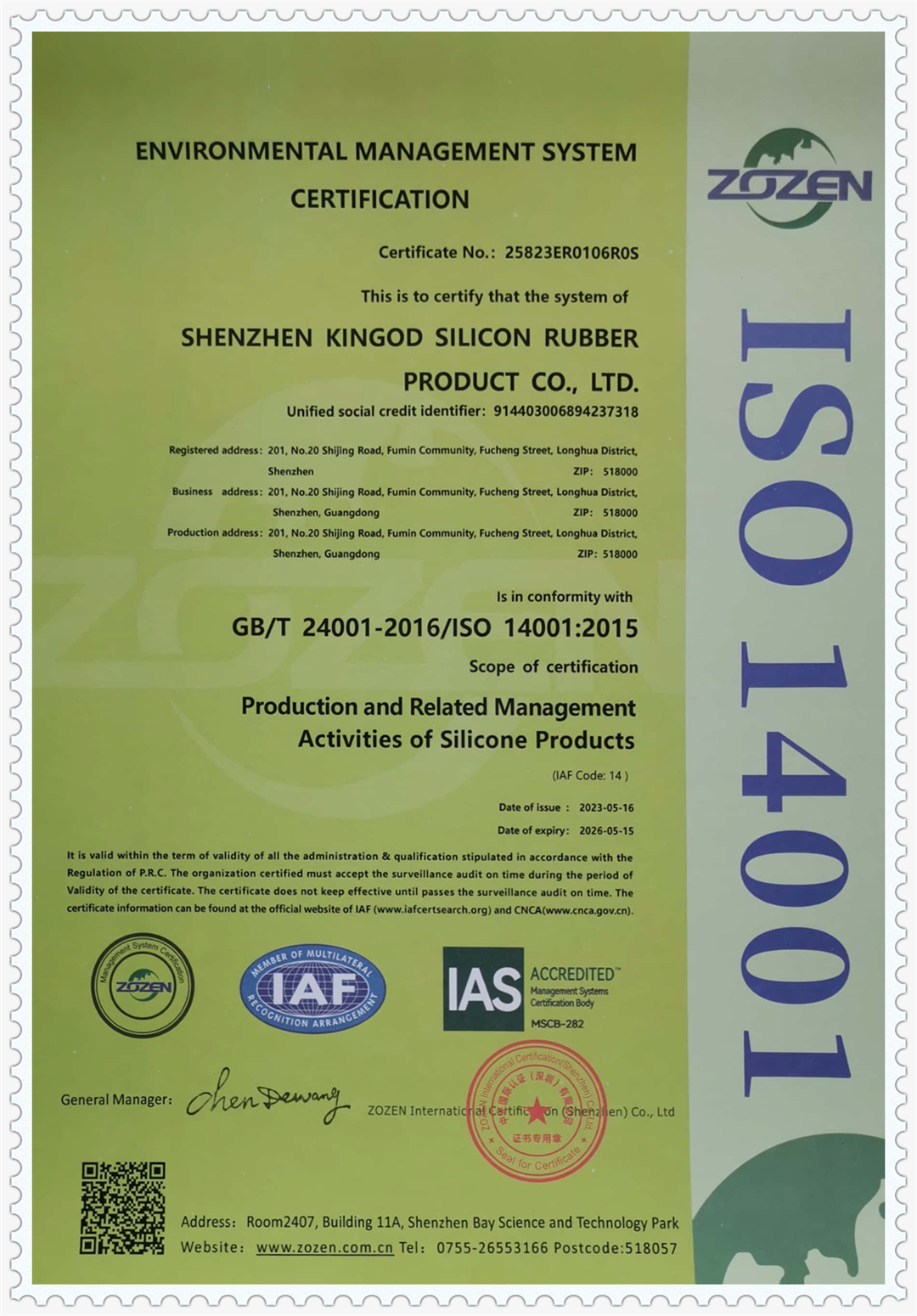
Quality is not just a promise — it is a process. Our facility operates under internationally recognized quality management systems, ensuring every silicone brush delivered to audio and earphone manufacturers meets the most demanding specifications.
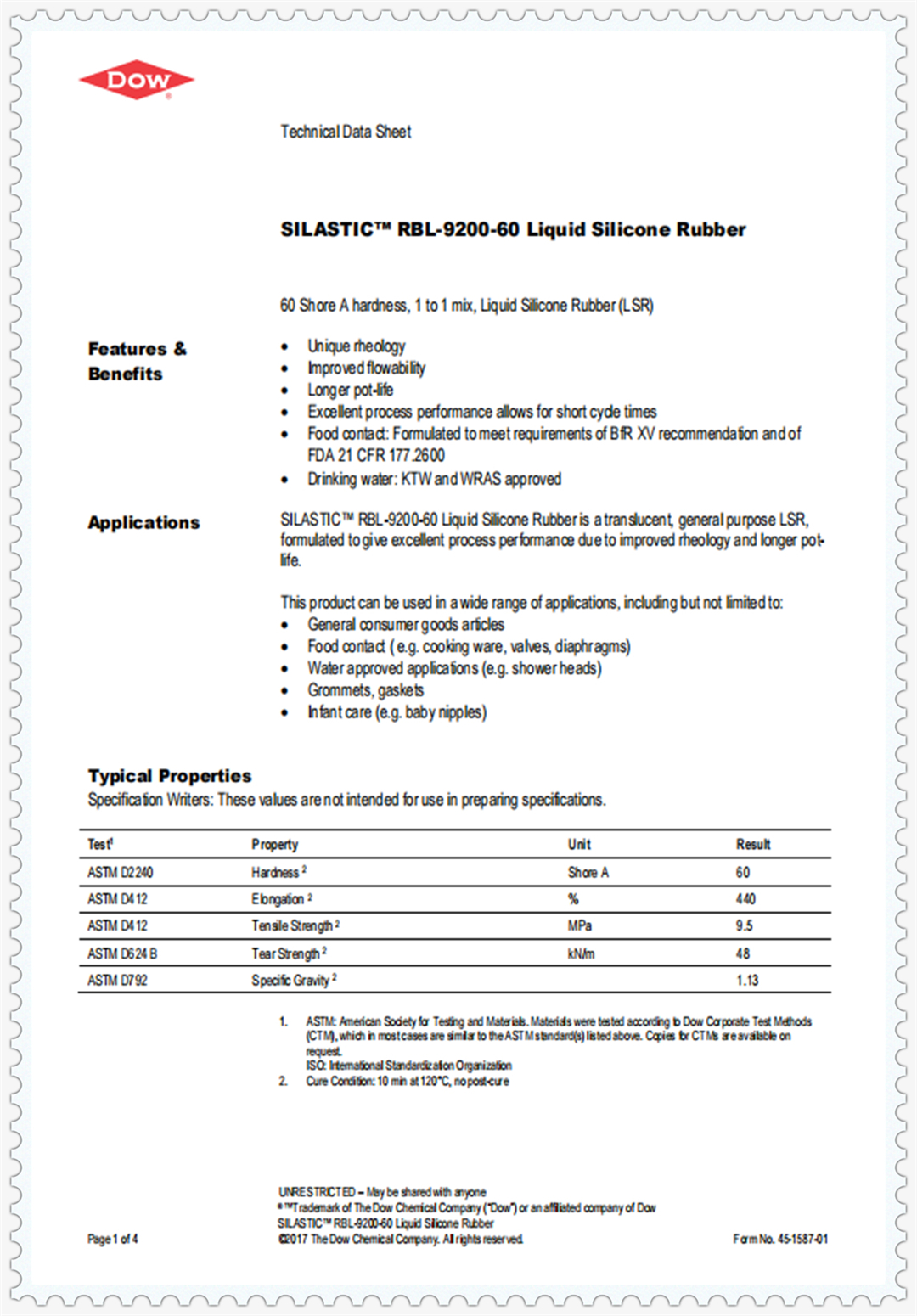
Our comprehensive portfolio of certifications and patents reflects our commitment to technical excellence and compliance across every product category we manufacture for the audio and earphone industry.
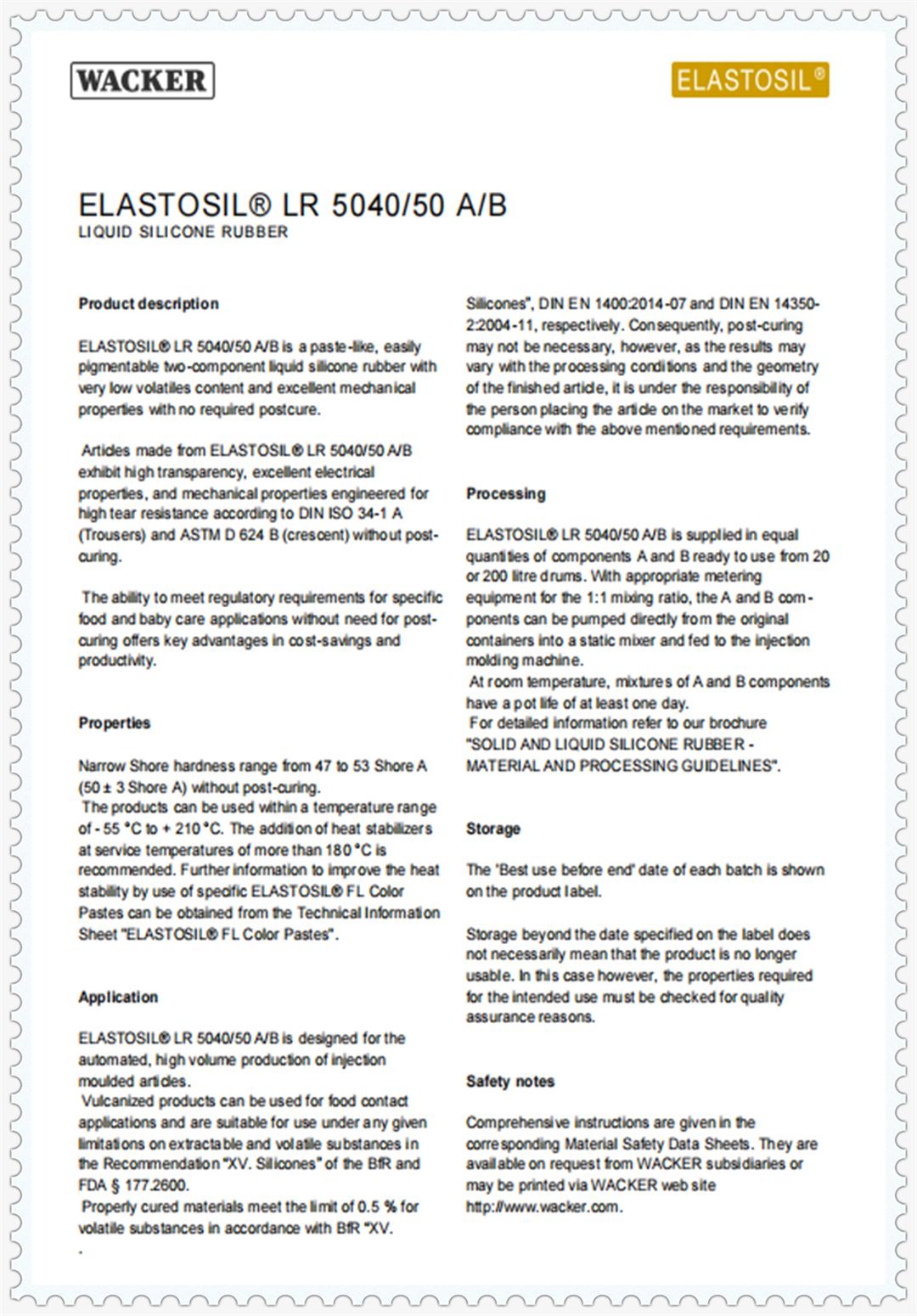
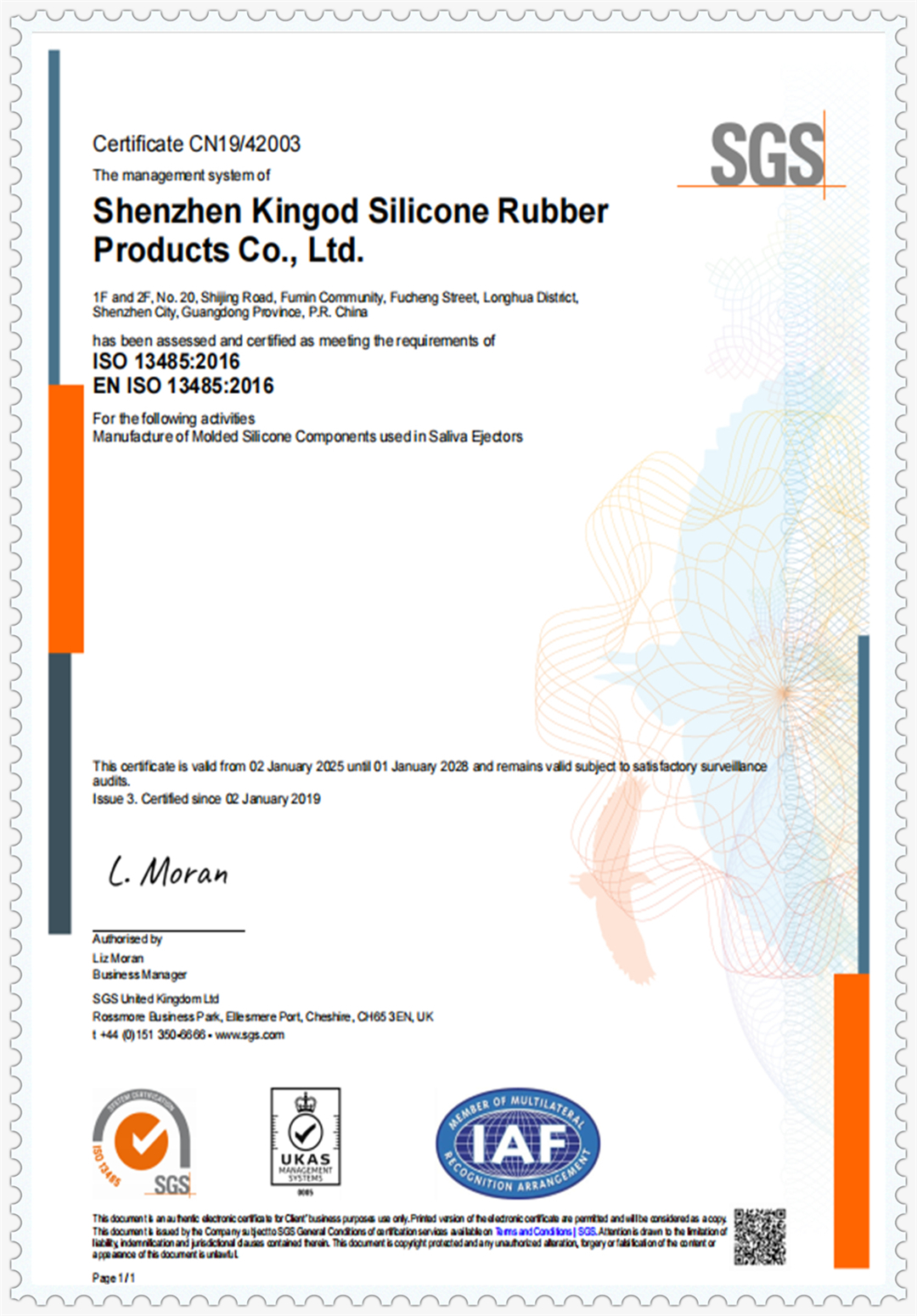
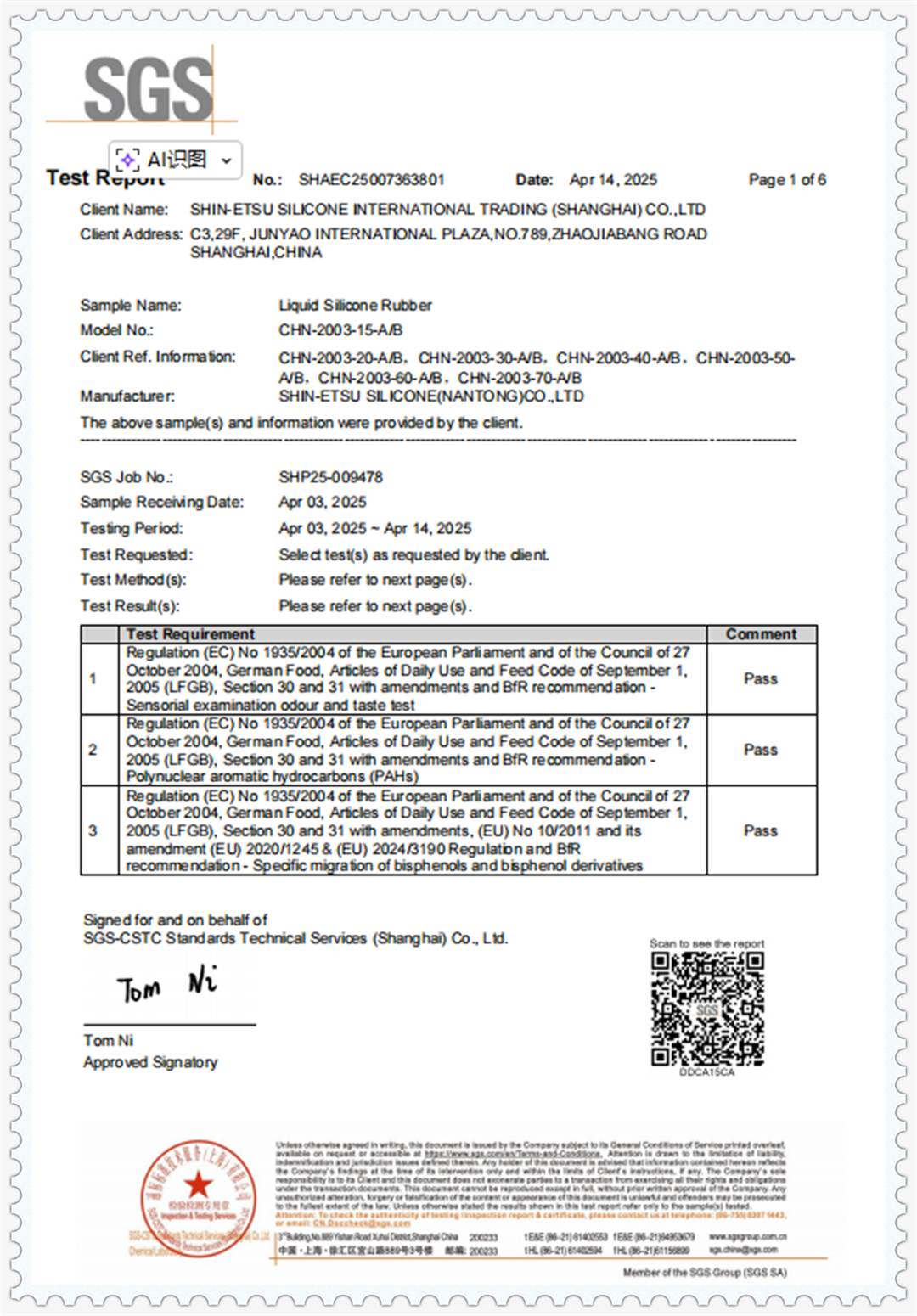
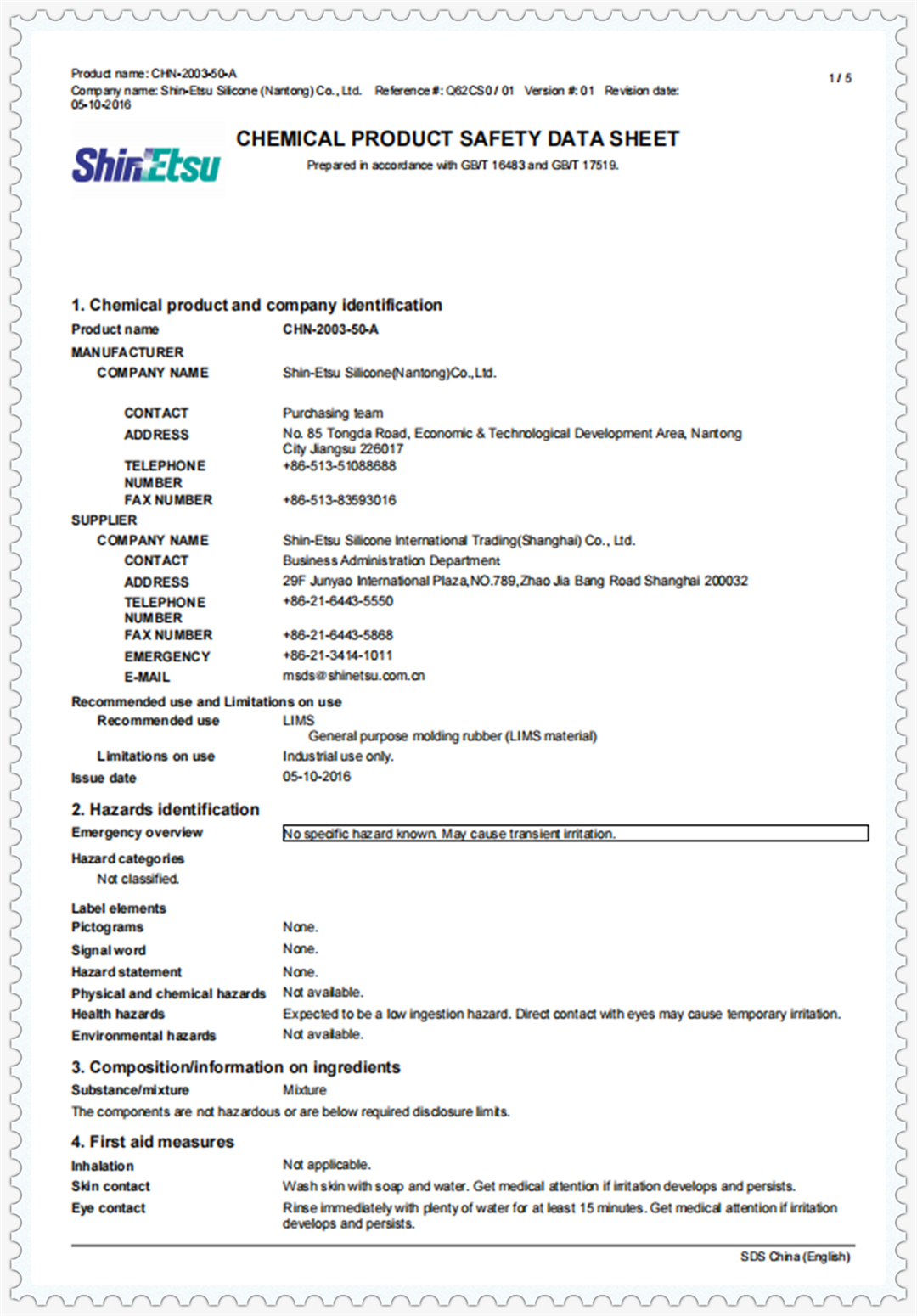
Beyond silicone brushes, Kingod Silicone delivers a comprehensive portfolio of precision silicone components trusted by manufacturers across audio, medical, consumer electronics, and industrial sectors worldwide.

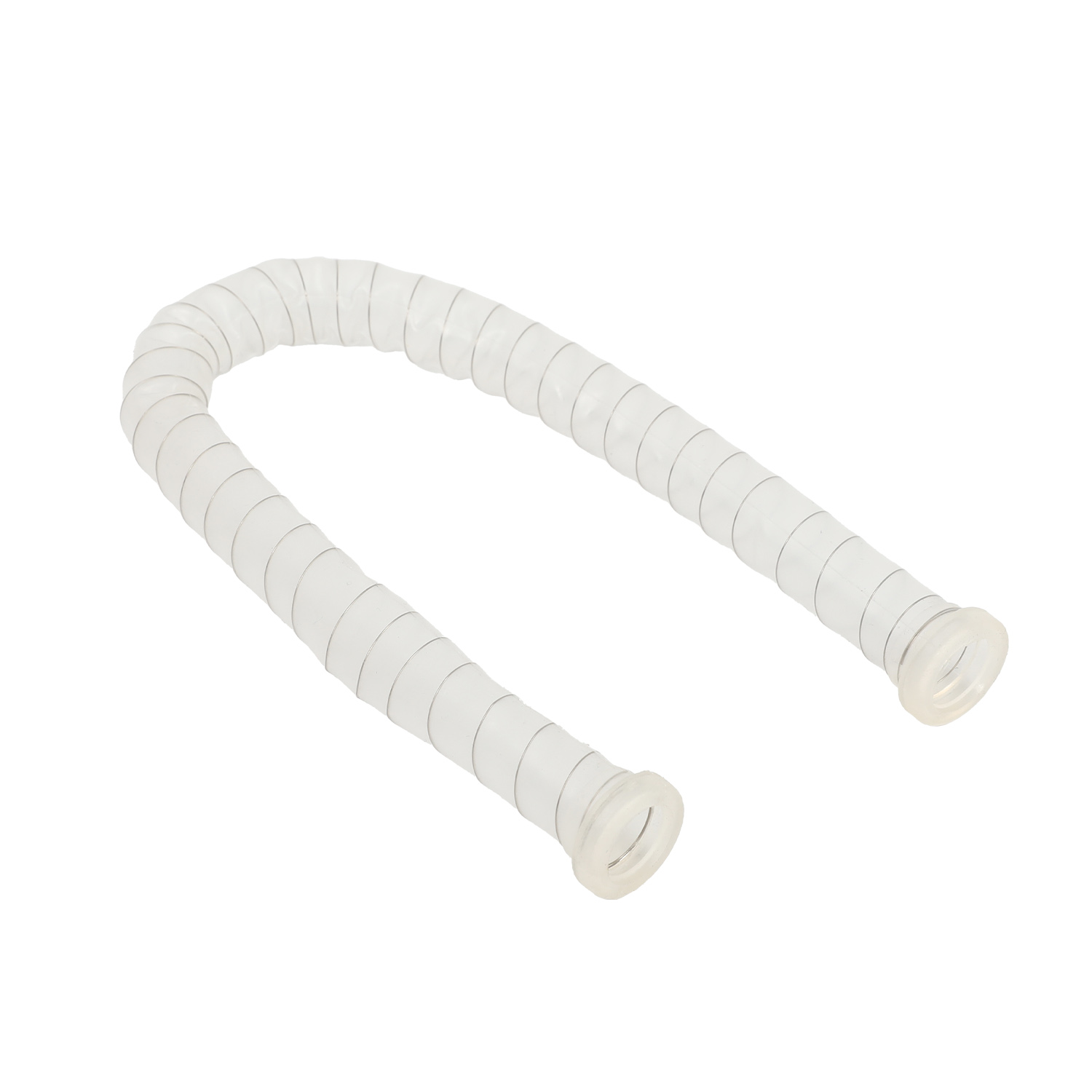
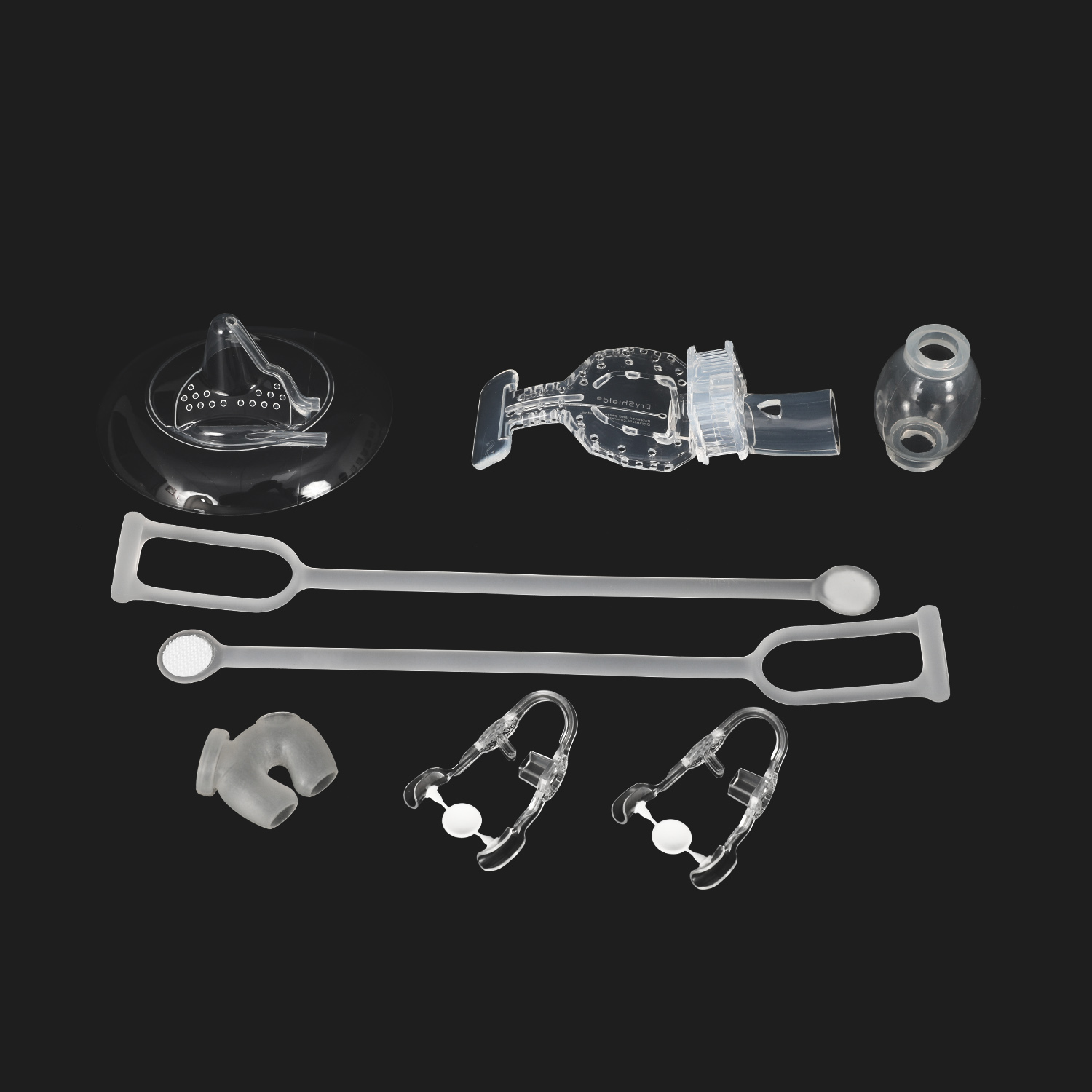
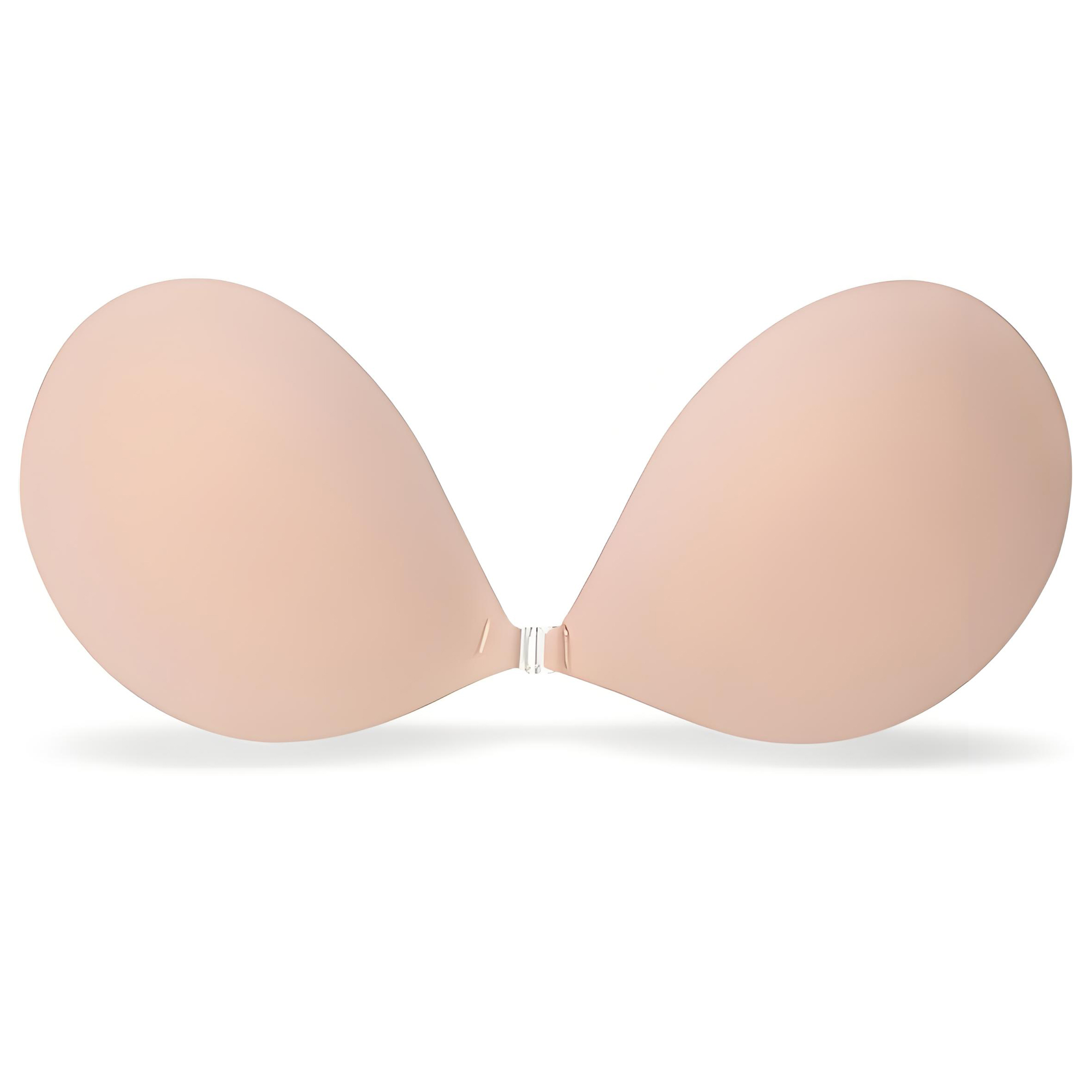

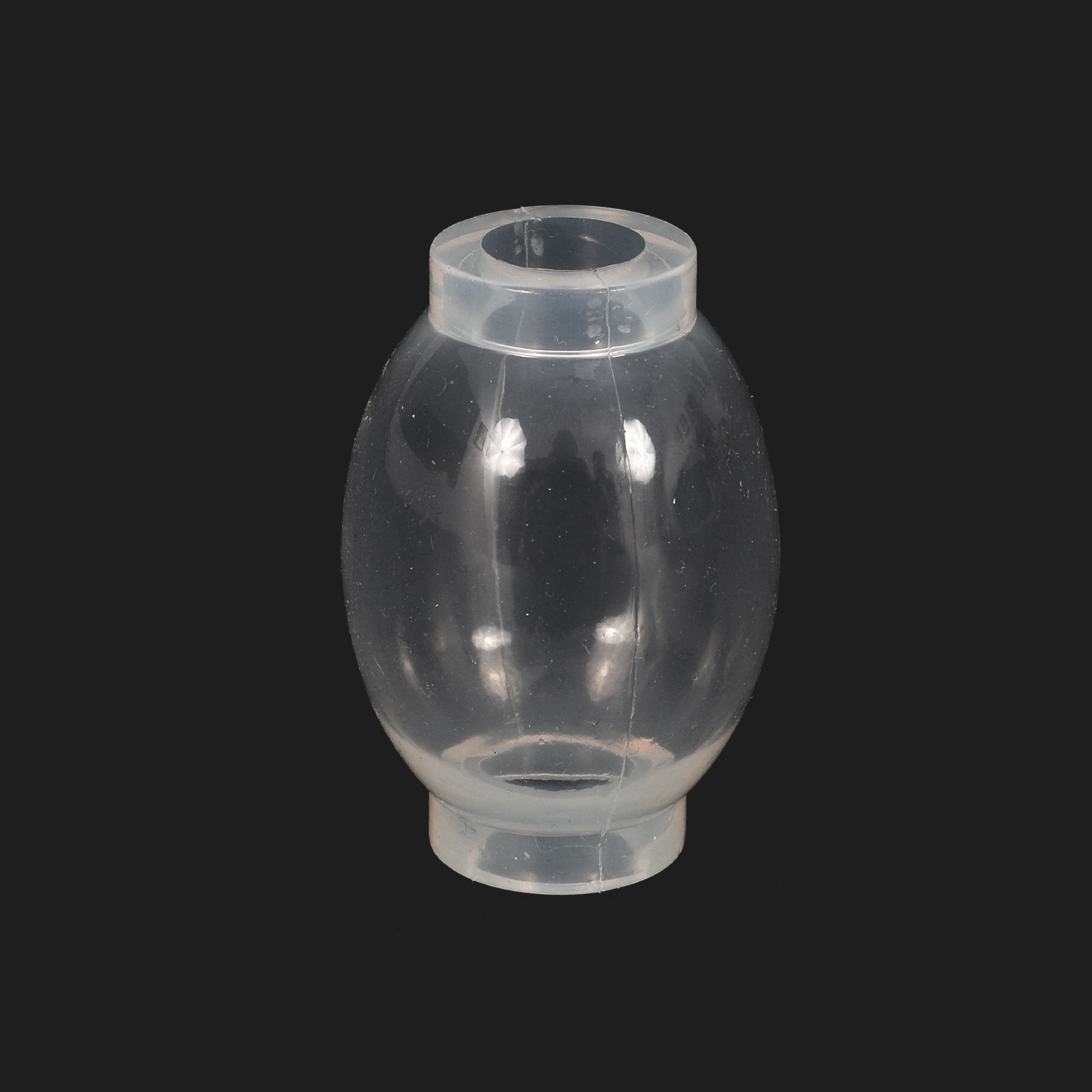

Partner with Kingod Silicone — your trusted custom silicone brush manufacturer for the global audio and earphone industry. Request a free sample or custom quotation today.
Get a Free Custom Quote →