- Home
- Products
- Company
- Case Study
- News
- Contact Us
Leave Your Message
Precision-molded platinum-cured silicone medical components and specialized healthcare tooling developed under strict cleanroom conditions.
In pediatric clinics, children's hospitals, and neonatal intensive care units (NICUs), catheterization represents one of the most critical yet delicate clinical interventions. Anatomical factors distinct to infants and pediatric patients—such as smaller lumen calibers, highly vulnerable mucosal linings, fragile venous walls, and developing immune responses—demand medical devices manufactured with superior biocompatibility, exceptional mechanical compliance, and zero toxic leachables.
Standard medical plastics like PVC (polyvinyl chloride) and latex frequently fail to meet pediatric clinical requirements. Plasticized PVC may leach harmful ortho-phthalates (such as DEHP), while latex carriers pose severe hypersensitivity risks and can induce inflammatory tissue responses. Consequently, 100% platinum-cured medical-grade liquid silicone rubber (LSR) has emerged as the global benchmark material for pediatric catheters (Silicone Cath), urinary Foley tubes, central venous lines, and enteral access devices.
Formulated with platinum cross-linking to eliminate peroxide residue, latex proteins, and plasticizers, preventing mucosal irritation in premature neonates and infants.
Exceptional tensile strength and elasticity prevent luminal kinking in French sizes as small as 4 Fr and 6 Fr, ensuring uninterrupted drainage and fluid infusion.
Hydrophobic, ultra-smooth inner and outer surfaces resist bacterial adhesion, encrustation, and biofilm formation, significantly lowering infection rates during prolonged indwelling.
The global pediatric catheter market is undergoing transformative expansion driven by advancements in pediatric minimally invasive surgery (MIS), enhanced neonatal survival rates, and stringent regulatory updates by the US FDA, European Union MDR (Medical Device Regulation 2017/745), and NMPA. Major commercial and technical vectors shaping this sector include:
Silicone catheter products specifically tailored for pediatric and neonatal demographics fulfill vital roles across diverse hospital departments:
Children undergoing reconstructive urological surgery, managing neurogenic bladder secondary to spina bifida, or requiring critical urinary output monitoring in the PICU rely on silicone Foley catheters ranging from 6 Fr to 10 Fr. The symmetrical, low-profile silicone retention balloons inflate uniformly to eliminate asymmetrical pressure points on the sensitive bladder neck.
In low-birth-weight infants, vascular access is fraught with challenges. Silicone Peripherally Inserted Central Catheters (PICC) and umbilical catheters provide a gentle, bio-stable pathway for hyperalimentation, inotrope delivery, and blood sampling while minimizing the occurrence of extravasation and phlebitis.
Pediatric patients requiring prolonged nutritional support benefit from low-profile silicone gastrostomy feeding tubes (G-tubes) and transgastric-jejunal catheters. Medical-grade silicone resists degradation by gastric acids and enzymatic digestive juices, maintaining flexibility without hardening over months of usage.
Silicone suction catheters and atraumatic tracheostomy drainage tubes ensure clear airways for ventilator-dependent pediatric patients. The rounded, fire-polished distal eyelets prevent suction trauma to delicate respiratory mucosa.
| Evaluation Parameter | Medical-Grade Platinum Silicone (LSR) | Thermoplastic Polyurethane (TPU) | Standard Latex / Plasticized PVC |
|---|---|---|---|
| Biocompatibility (ISO 10993) | Class VI Platinum-Cured; zero cytotoxicity, non-reactive | Good; moderate tissue reactivity | Poor; potential phthalate leaching & protein allergenicity |
| Tissue Trauma & Mucosal Safety | Extremely low; soft modulus matching human tissue | Medium; stiffer at insertion, softens slightly with warmth | High friction coefficient; causes tissue irritation |
| Indwelling Durability | Up to 29–90 days without encrustation or hardening | Medium-term (14–30 days) | Short-term (<7 days); prone to rapid mineral buildup |
| Thermal & Chemical Stability | -50°C to +200°C; fully steam, EtO, and gamma sterilizable | Limited thermal resistance; temperature sensitive | Low resistance; degrades under repeated sterilization |
| Kink Recovery & Elastic Memory | 100% elastic memory; instant lumen recovery | Moderate; prone to permanent deformation | Low; creases easily under acute angle flexion |
At Shenzhen Kingod Silicone Products Co., Ltd., we believe that great products begin with great partnerships. As a custom silicone products manufacturer, we combine advanced molding technology, rigorous quality systems, and genuine end-to-end support to bring your concepts to life.
By manufacturing in-house, we eliminate intermediaries and pass the savings directly to you. Factory-direct pricing means you receive cost-effective solutions without sacrificing quality.
Our vertically integrated operations allow us to control every stage of production, optimizing efficiency and reducing lead times. Whether you require prototype quantities or million-unit production runs, you receive the same transparent, competitive pricing structure.
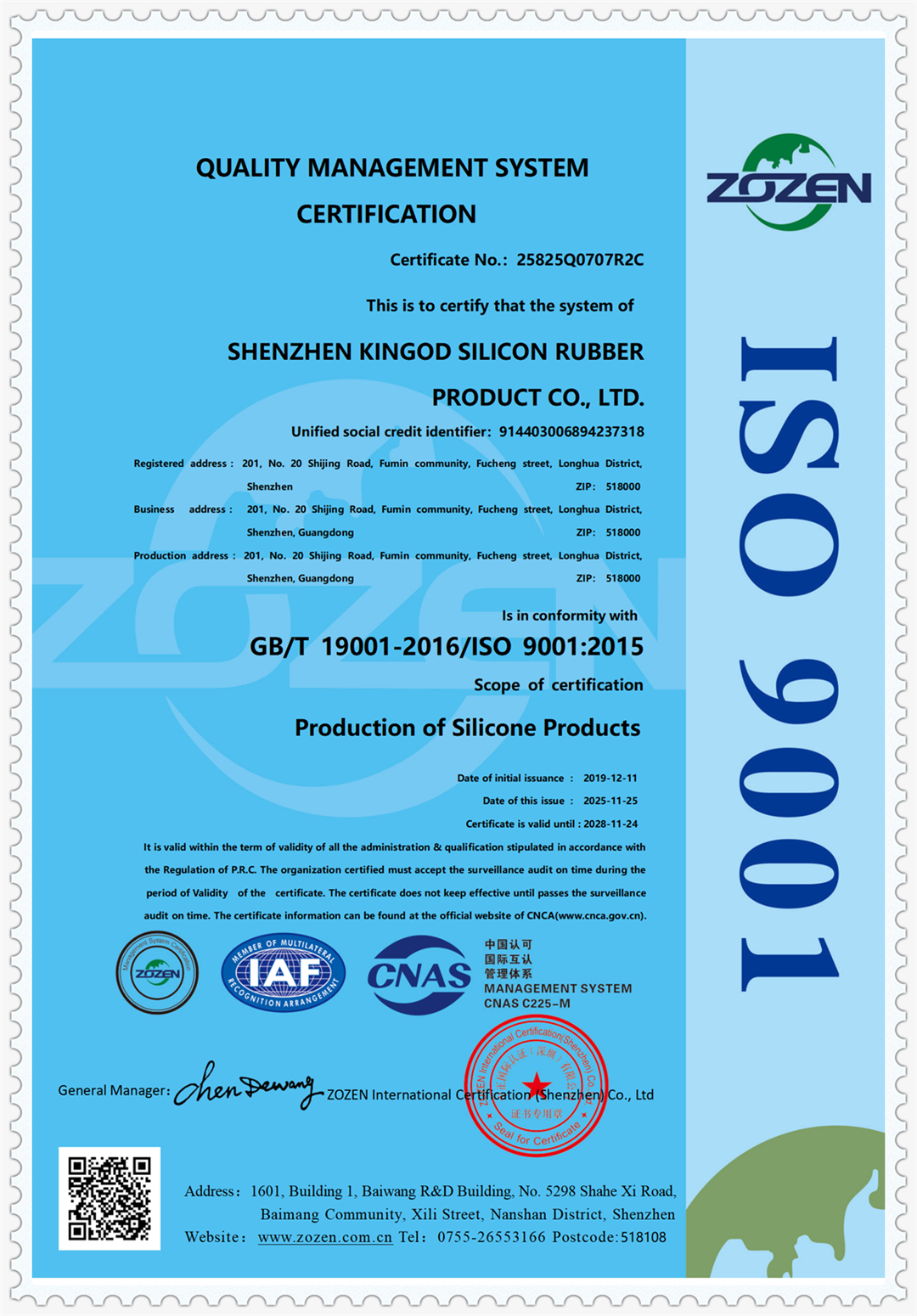
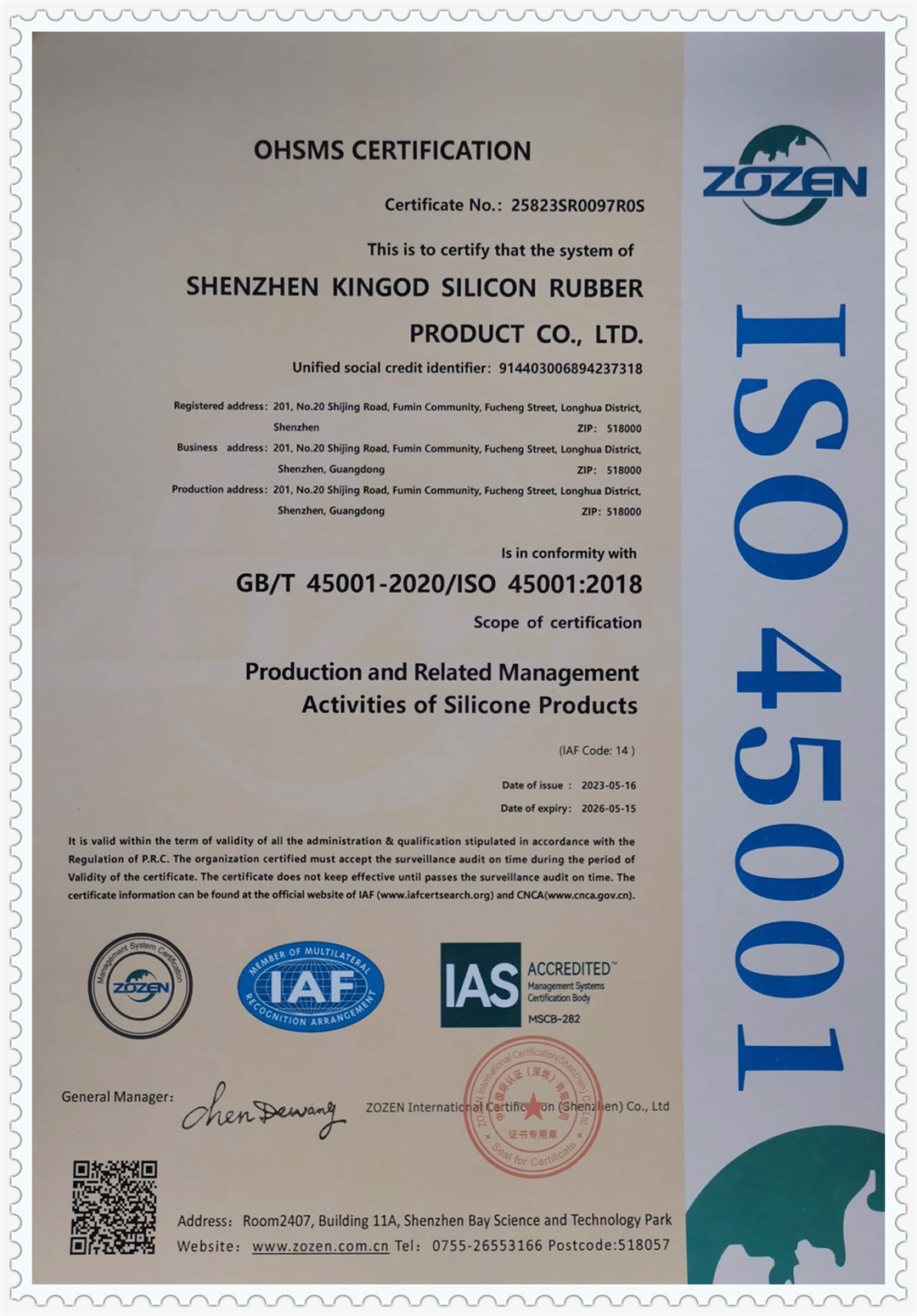
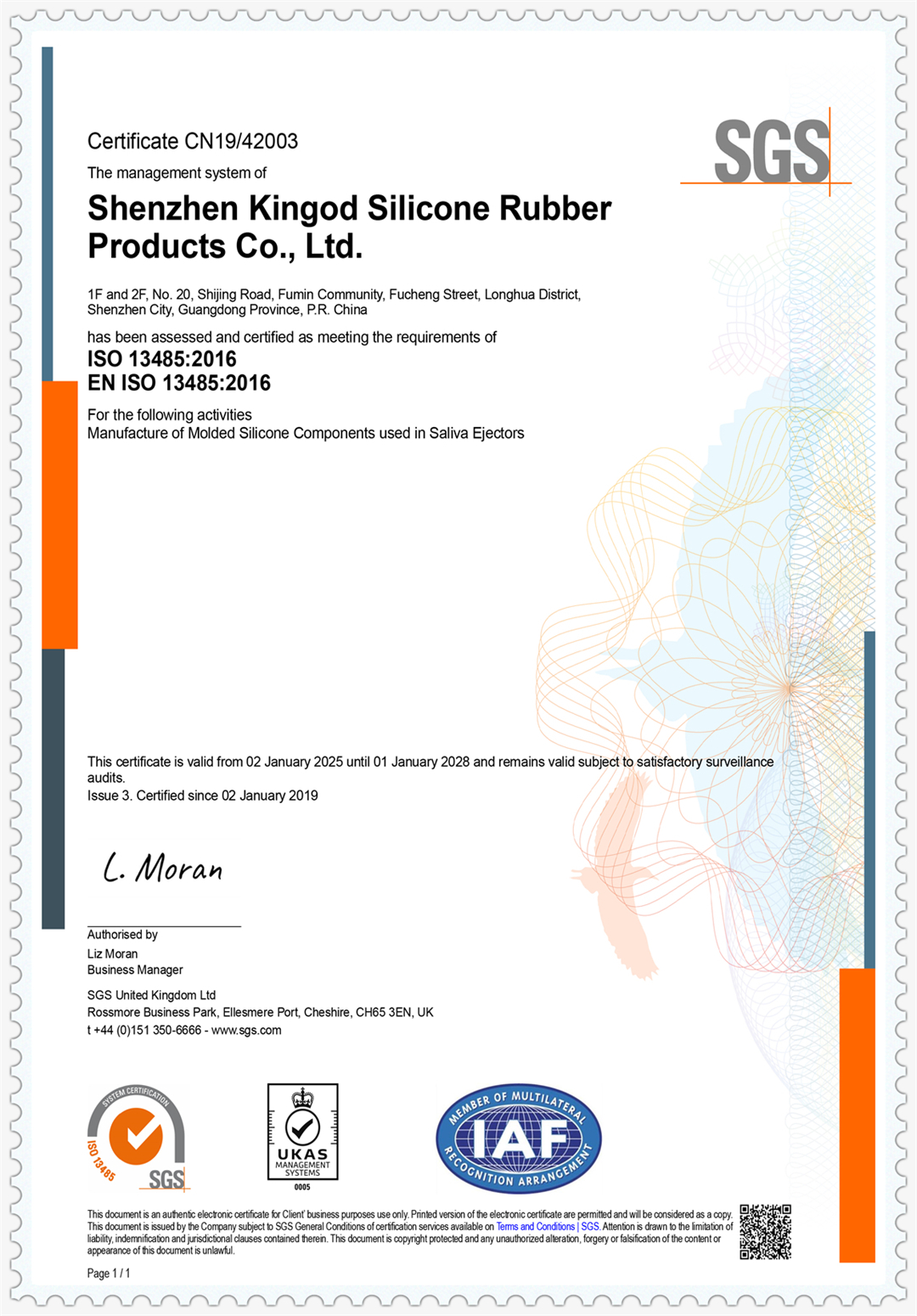
Quality is not just a promise—it is a process. Our facility operates under internationally recognized quality management systems:
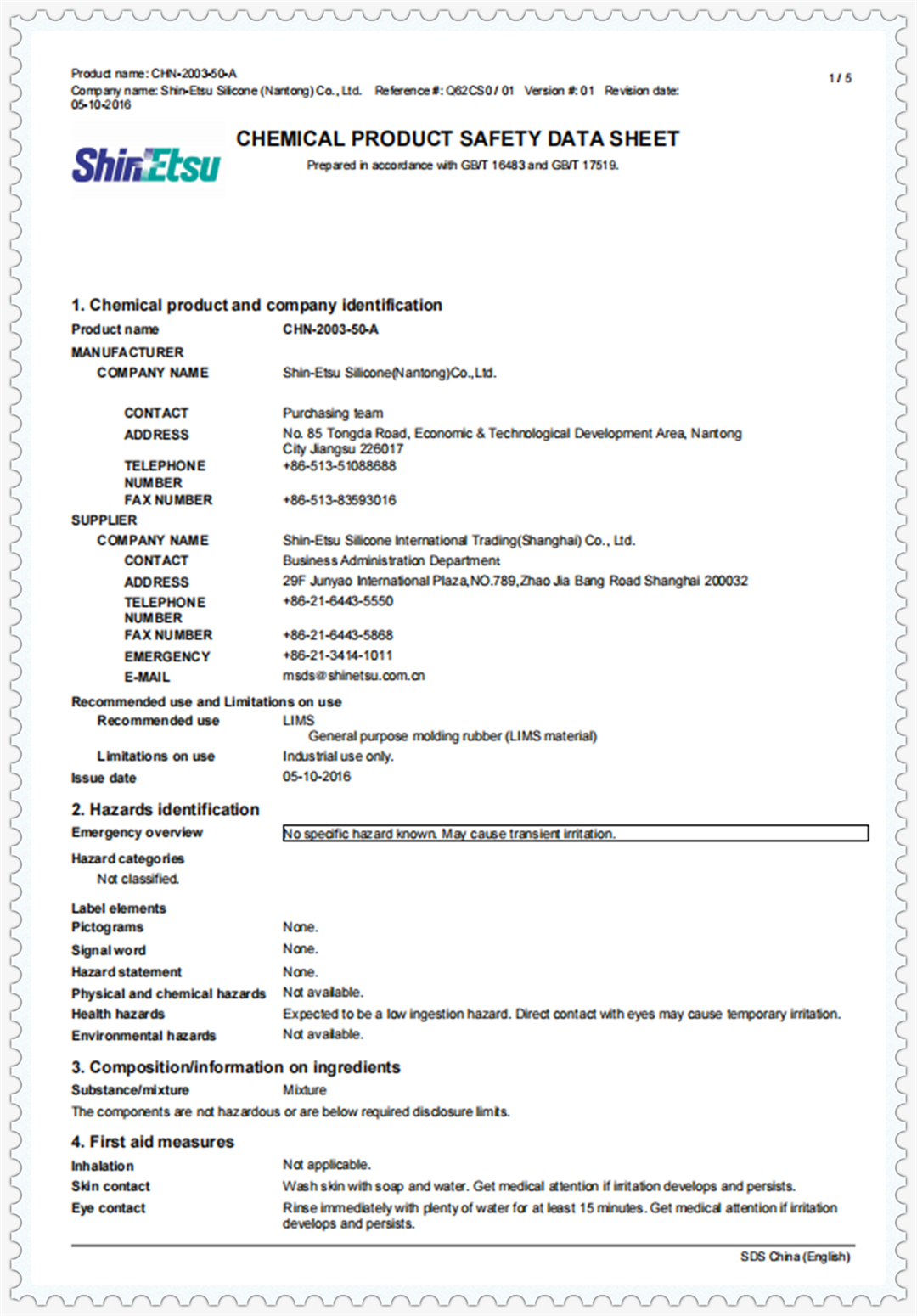
Every product undergoes stringent inspection protocols, including dimensional verification, material traceability, and performance testing. For medical and food-contact applications, we utilize platinum-cured silicone and comply with FDA, LFGB, and EU 10/2011 standards, ensuring safety for even the most sensitive uses.
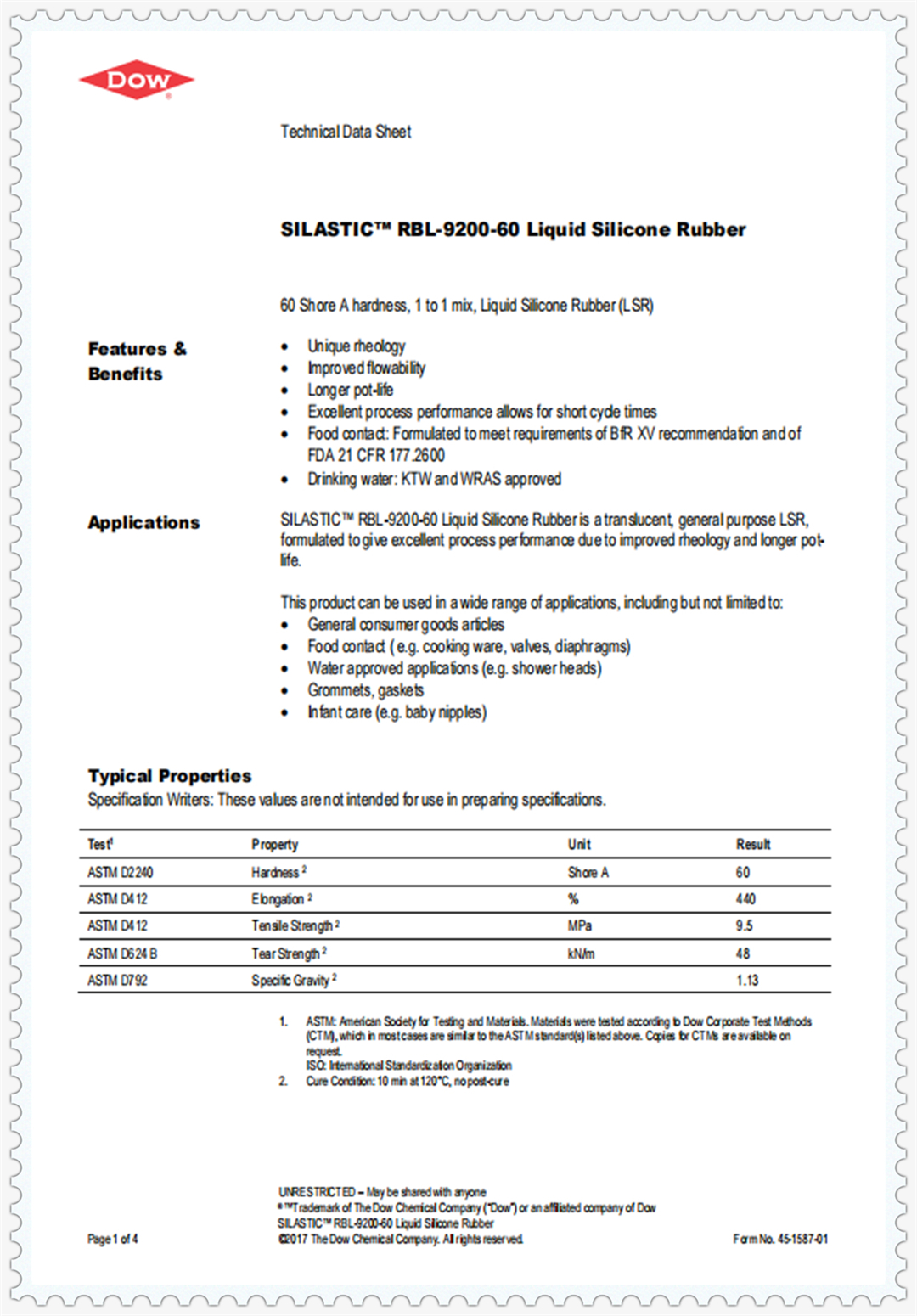
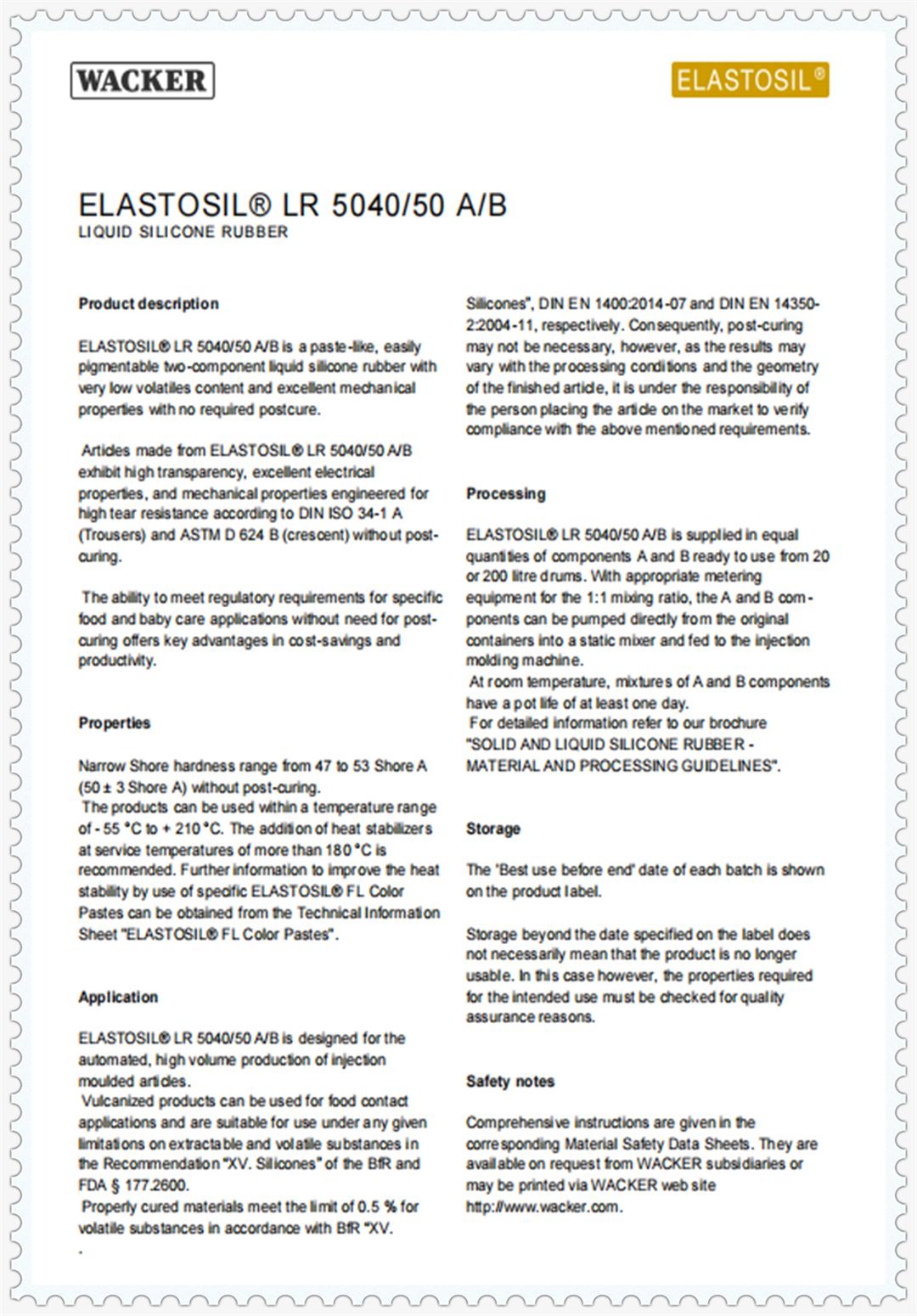
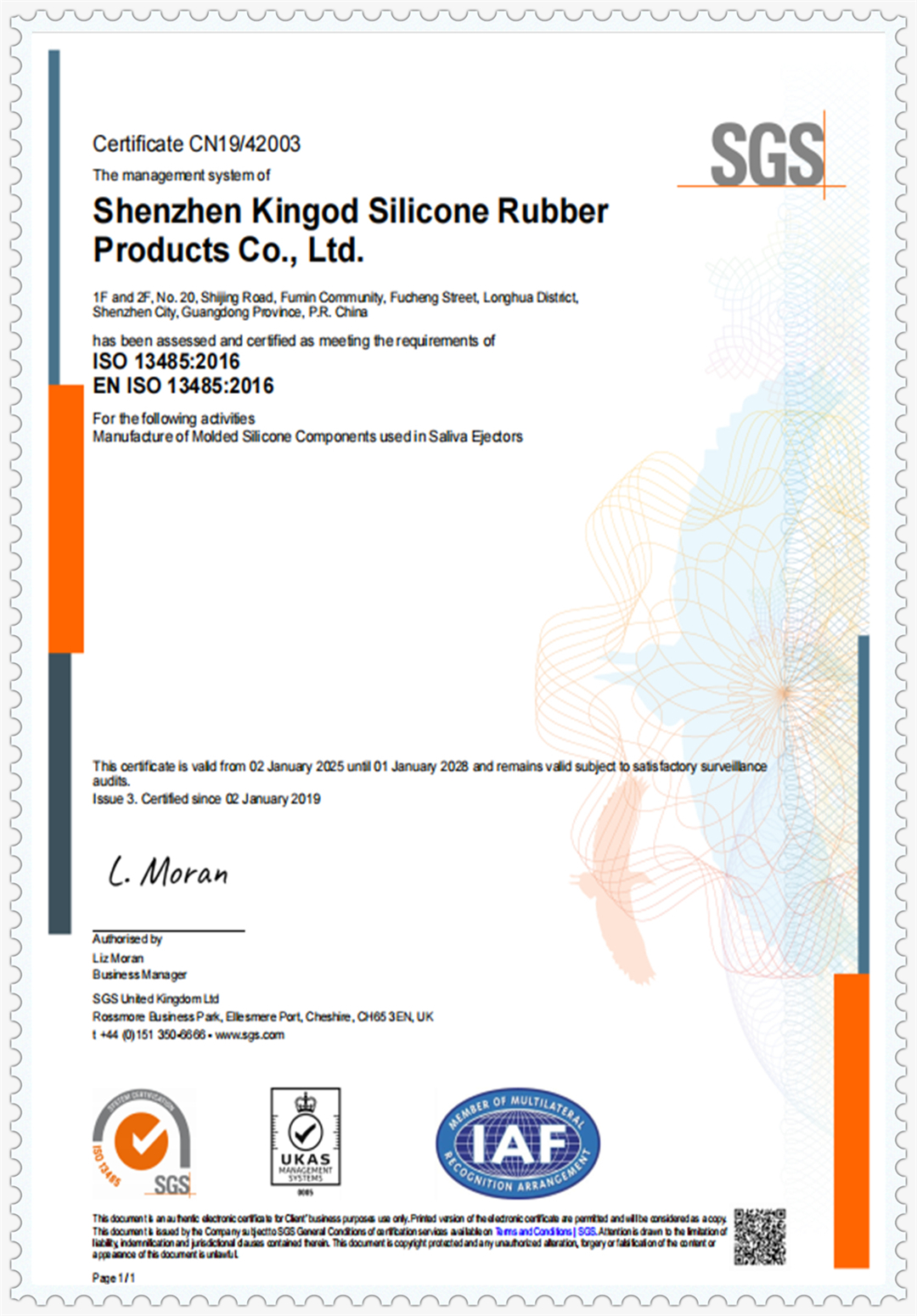
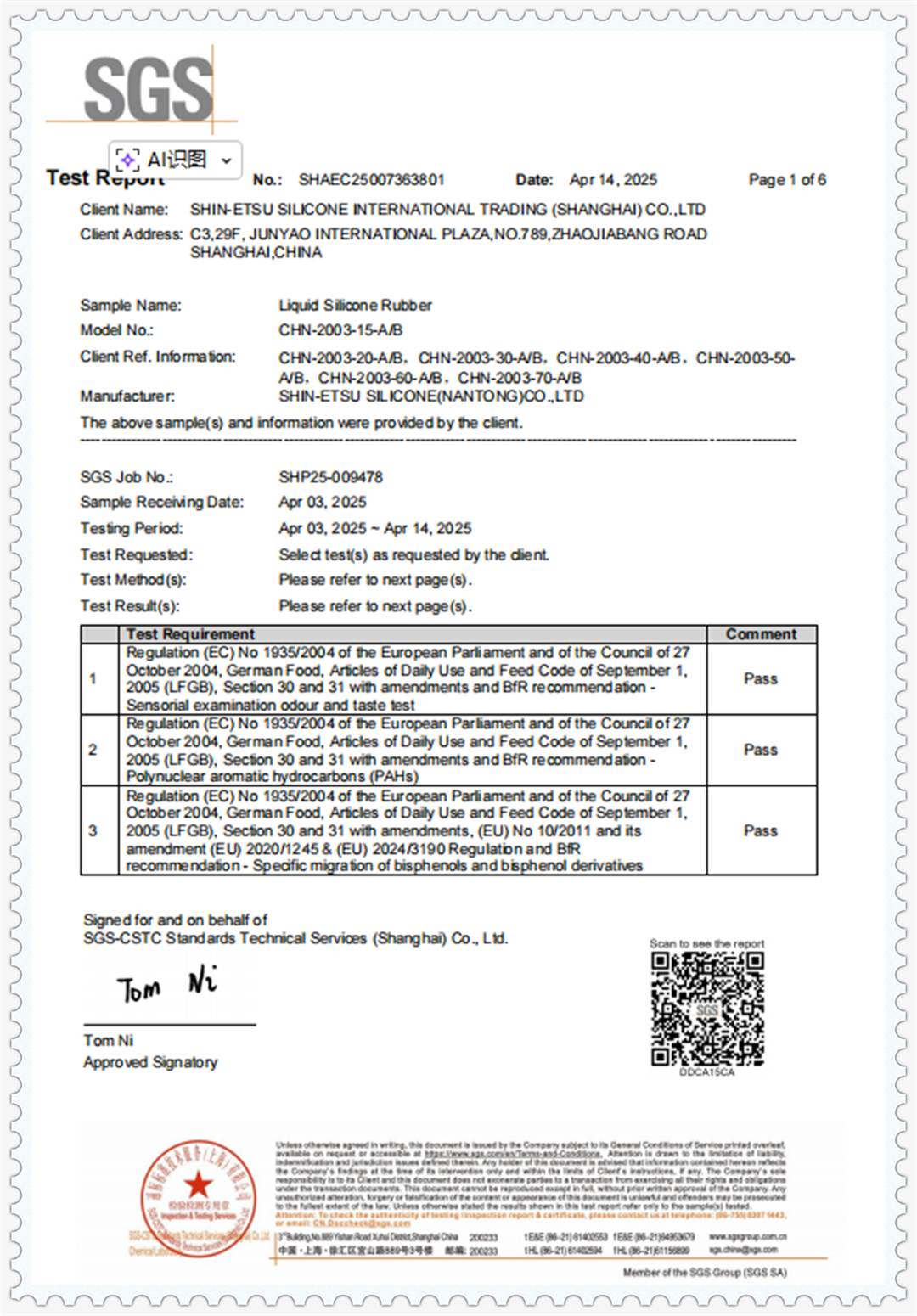
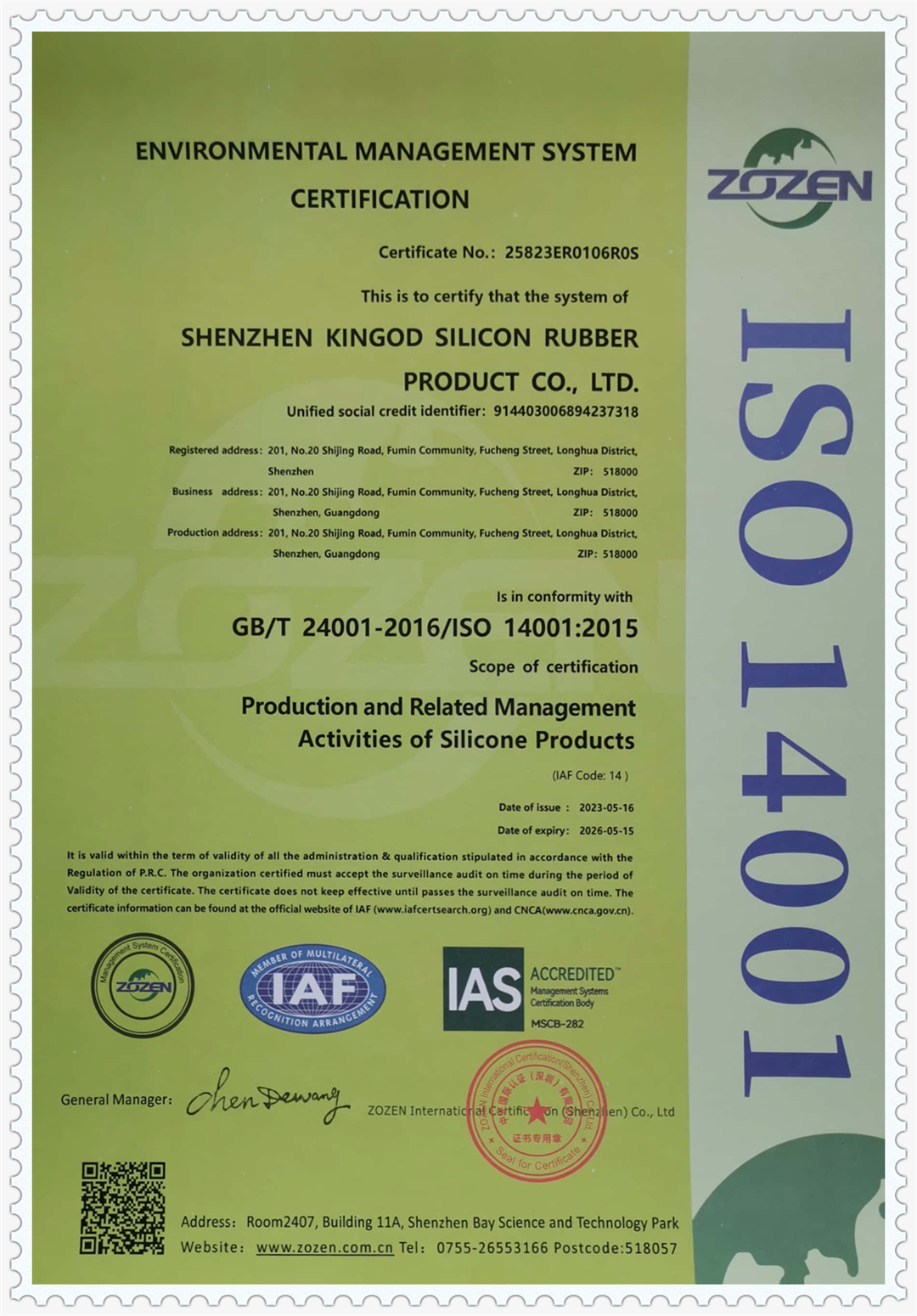
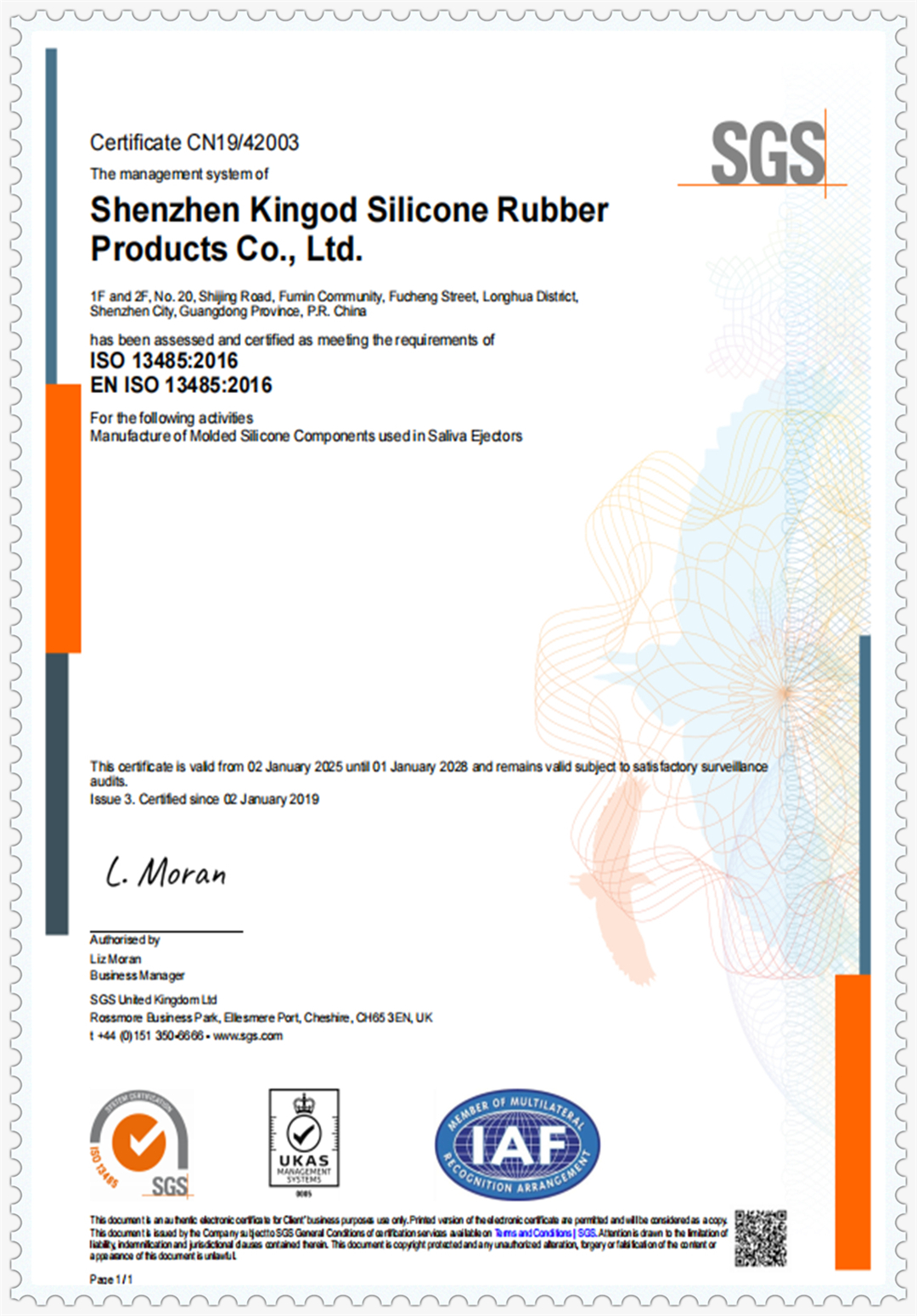
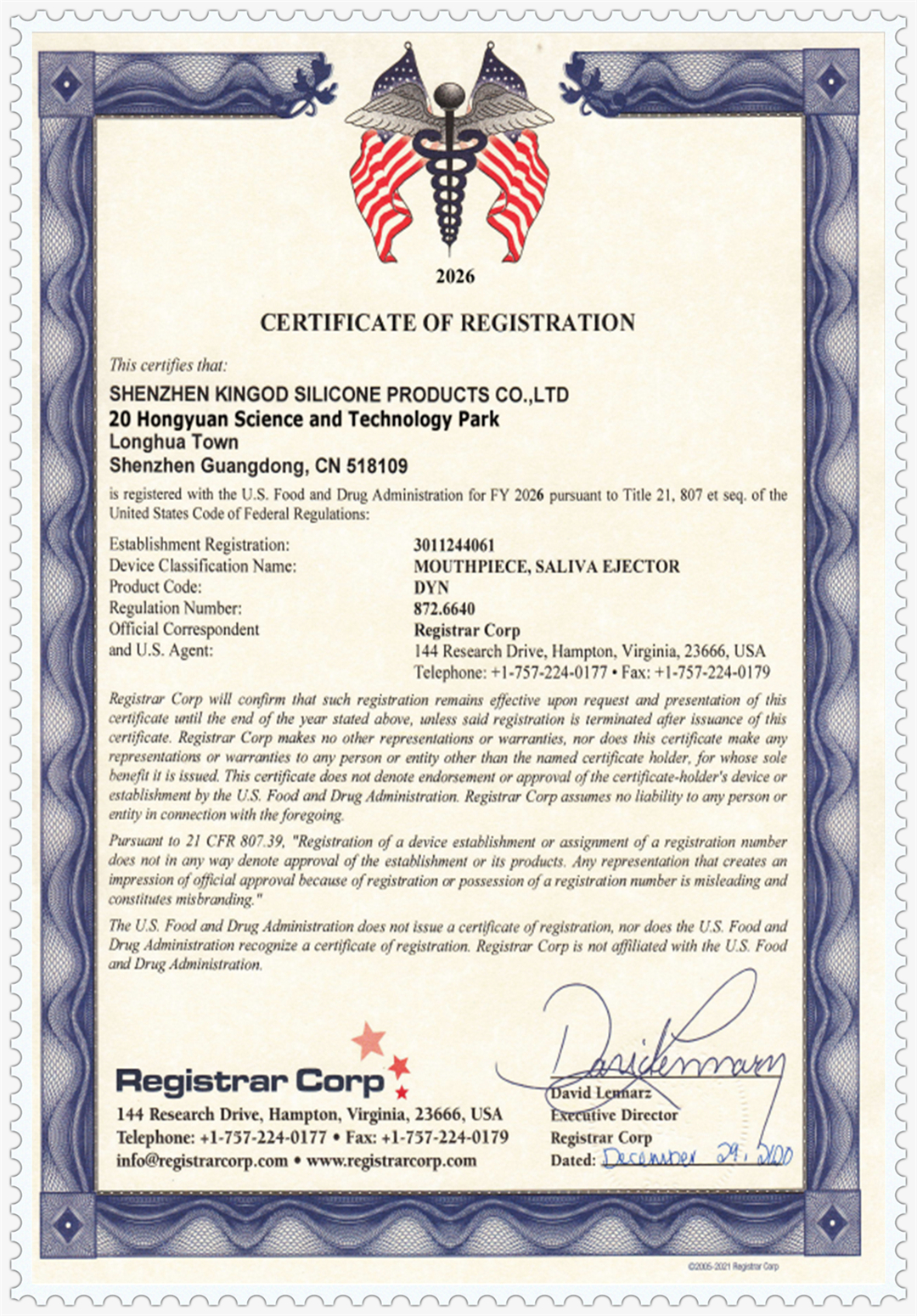
Explore our full line of medical-grade silicone components, liquid silicone rubber (LSR) parts, baby feeding products, and custom OEM/ODM solutions.