- Home
- Products
- Company
- Case Study
- News
- Contact Us
Leave Your Message

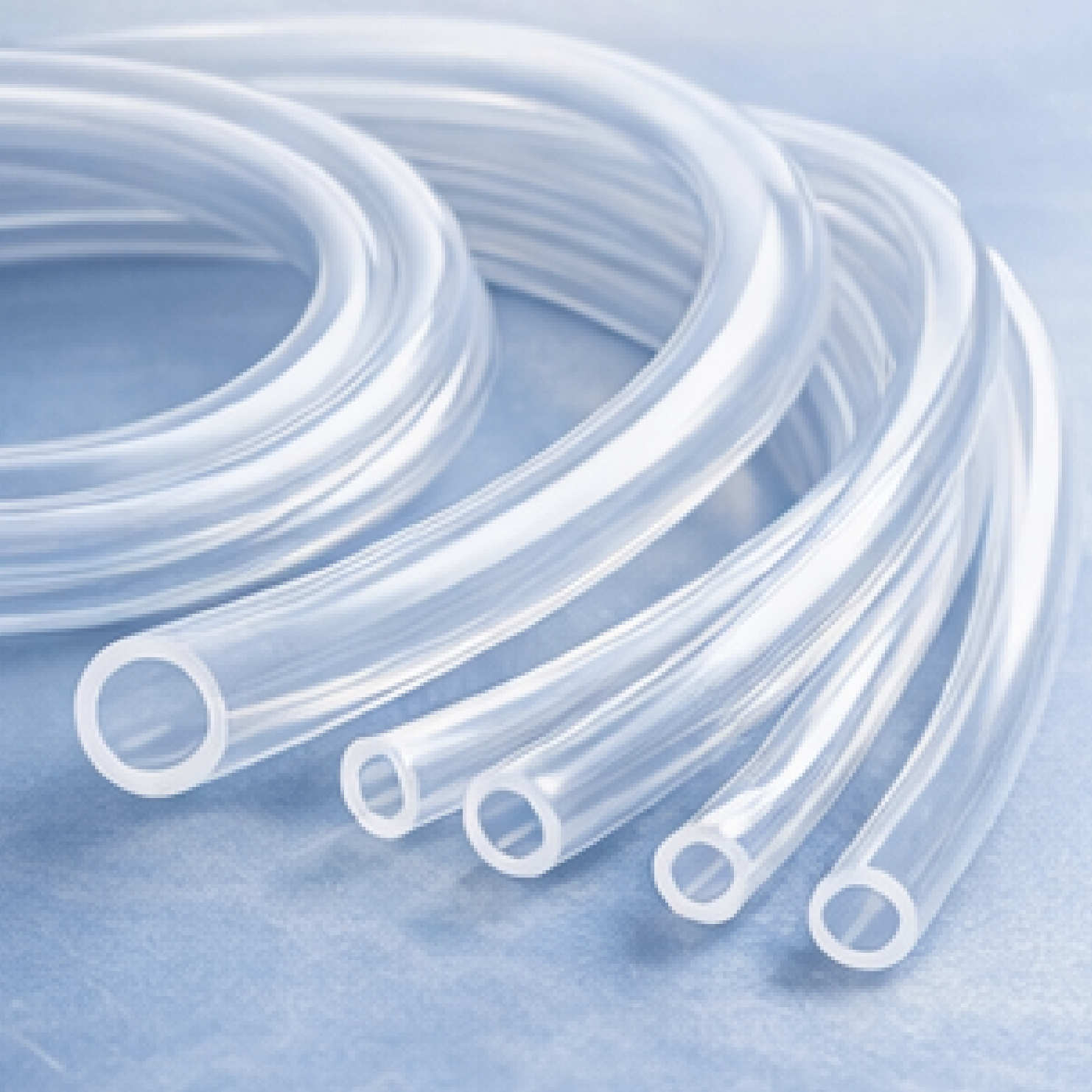
The consumer electronics industry is undergoing a massive transformation driven by miniaturization, high-speed 5G connectivity, artificial intelligence processing, and the relentless demand for durable, waterproof hardware. In this high-tech environment, components that were once considered simple insulation or fluid transport pathways—such as silicone pipes and hoses—have evolved into highly engineered, multi-functional components.
Today's hardware designers face extreme challenges. Devices like VR/AR headsets, foldable smartphones, smart home assistants, and wearable health monitors house dense electronics that generate substantial thermal energy while being subjected to constant mechanical stress, environmental moisture, and human skin contact. Traditional PVC, TPU, or standard rubber tubes fail to meet the performance criteria required by modern electronics brands. Silicone rubber, with its unique chemistry, has emerged as the premier material class to bridge these gaps.
From a commercial perspective, the market for silicone pipes within the consumer electronics sector is experiencing robust double-digit growth. Brands are actively transitioning from rigid internal components to flexible silicone conduits that allow for dynamic, space-saving architectural design inside devices. As global quality standards tighten and consumers expect IP68-rated water and dust resistance, custom silicone tubing serves as the ultimate barrier and conduit for internal wiring, liquid cooling circuits, and acoustic channels.
Withstands operating temperatures from -60°C to over 200°C. Ideal for isolating high-heat processors and routing liquid cooling fluids.
Provides superior sealing capabilities to protect internal circuit boards from humidity, sweat, and water immersion.
Skin-friendly, hypoallergenic, and certified to FDA/LFGB standards, making it safe for smart wearables and medical-grade devices.
As mobile processors and graphics chips push the boundaries of performance, traditional passive cooling methods are no longer sufficient. High-end gaming smartphones, portable consoles, and compact workstations are increasingly integrating active liquid cooling loops. Custom silicone pipes are the preferred transport medium for these coolants. Their high chemical inertness prevents degradation or leaching of particles into the micro-pumps, ensuring long-term system reliability. Furthermore, their extreme flexibility allows engineers to route cooling loops around tight components without risking kinks or flow restriction.
Foldable smartphones, laptops, and smart home robotics require wiring to pass through hinges and joints that undergo hundreds of thousands of flex cycles. Silicone pipes act as protective conduits for these delicate micro-coaxial cables. The low-friction inner surface of the silicone tube prevents wire wear, while the high elasticity of the outer silicone shell absorbs mechanical stress, preventing fatigue failure of the internal wires.
Smart coffee makers, automated water dispensers, and robotic pet feeders rely on precise, food-safe fluid delivery systems. Platinum-cured silicone tubing is critical here, ensuring that no plasticizers or volatile organic compounds (VOCs) leach into the water or food. These pipes maintain structural integrity under high temperatures and pressures, preventing internal leaks that could short-circuit the electronic control boards below.
For devices that sit on or inside the human ear, such as premium wireless earbuds and VR headsets, silicone pipes and tubes serve dual purposes. They act as acoustic waveguides, directing sound waves with minimal distortion, and provide physical cushioning. The skin-safe, sweat-resistant properties of silicone prevent skin irritation during prolonged use, a key selling point for fitness-oriented consumer electronics brands.
Looking ahead, the consumer electronics industry is demanding smarter and more sustainable materials. We are seeing a rise in the development of conductive silicone pipes, which incorporate carbon nanotubes or metal particles to provide both fluid transport and electromagnetic interference (EMI) shielding. This dual-purpose capability allows designers to save even more space inside crowded chassis.
Additionally, sustainability has become a core pillar for global consumer brands. Manufacturers are shifting toward bio-based silicone polymers and recycling programs for post-industrial silicone waste. By choosing partners who prioritize sustainable manufacturing practices, electronics brands can lower their carbon footprint while maintaining the high performance and safety standards that consumers expect.
At Shenzhen Kingod Silicone Products Co., Ltd., we believe that great products begin with great partnerships. As a custom silicone products manufacturer, we combine advanced molding technology, rigorous quality systems, and genuine end-to-end support to bring your concepts to life.
By manufacturing in-house, we eliminate intermediaries and pass the savings directly to you. Factory-direct pricing means you receive cost-effective solutions without sacrificing quality.
Our vertically integrated operations allow us to control every stage of production, optimizing efficiency and reducing lead times. Whether you require prototype quantities or million-unit production runs, you receive the same transparent, competitive pricing structure.
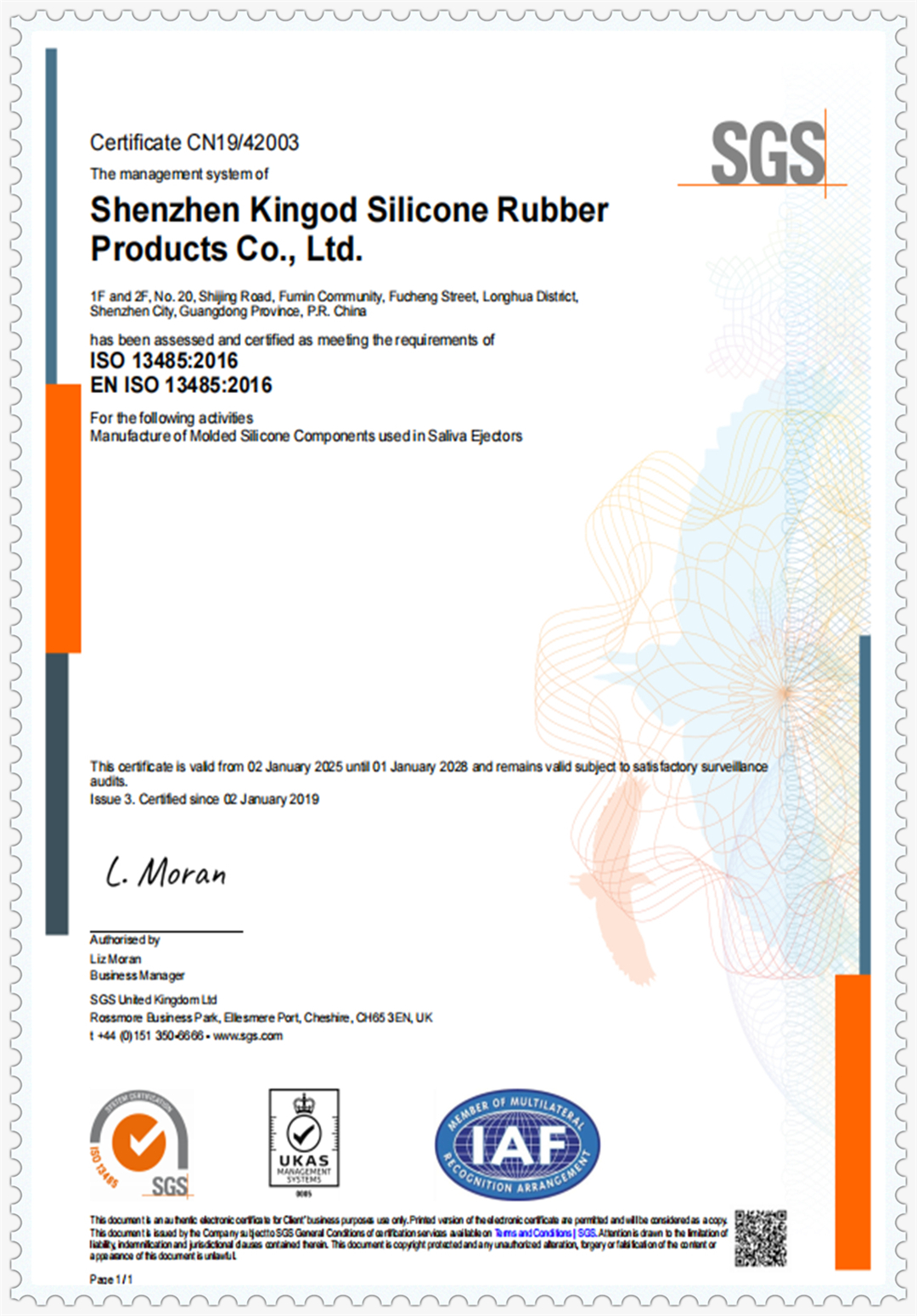
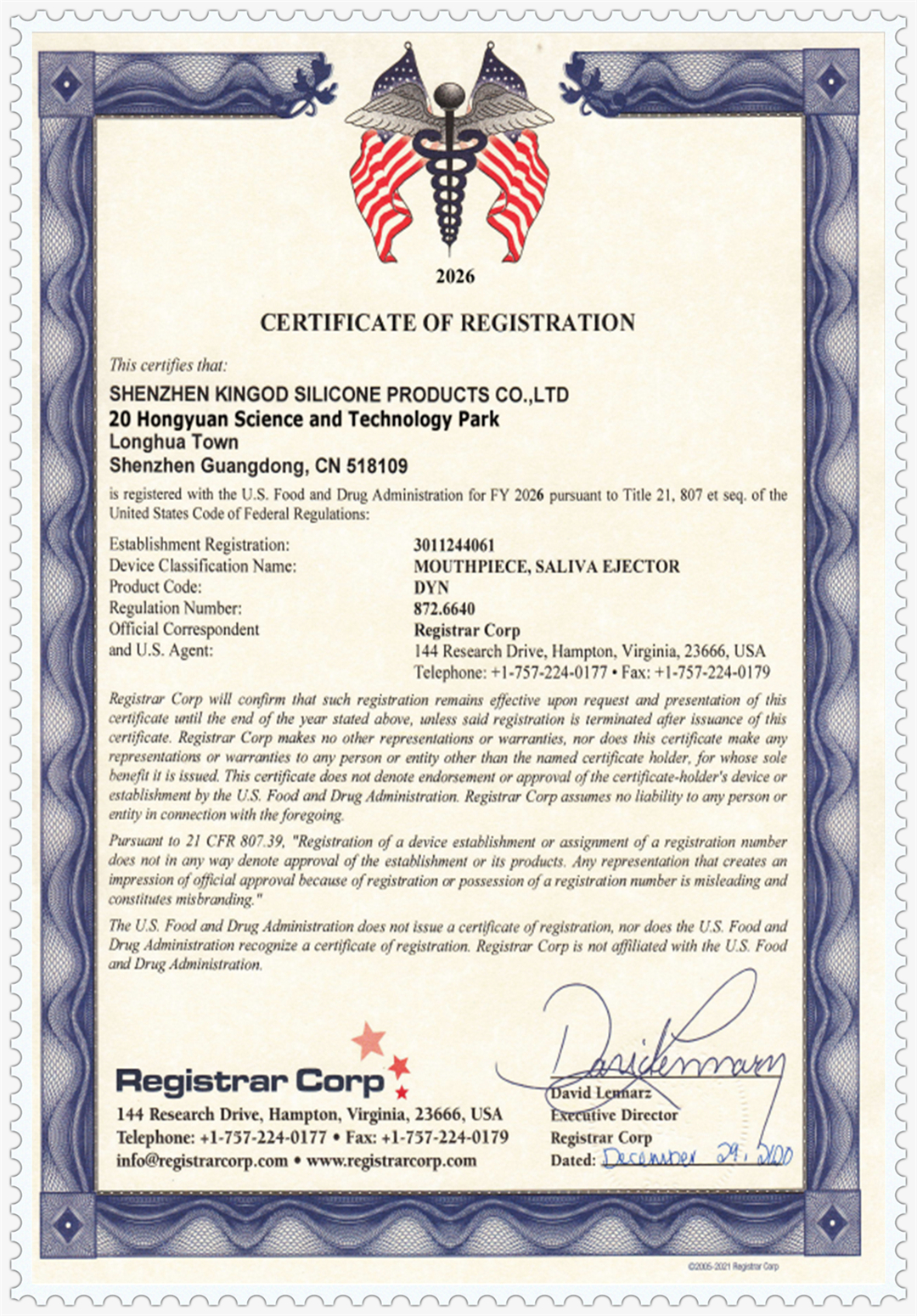
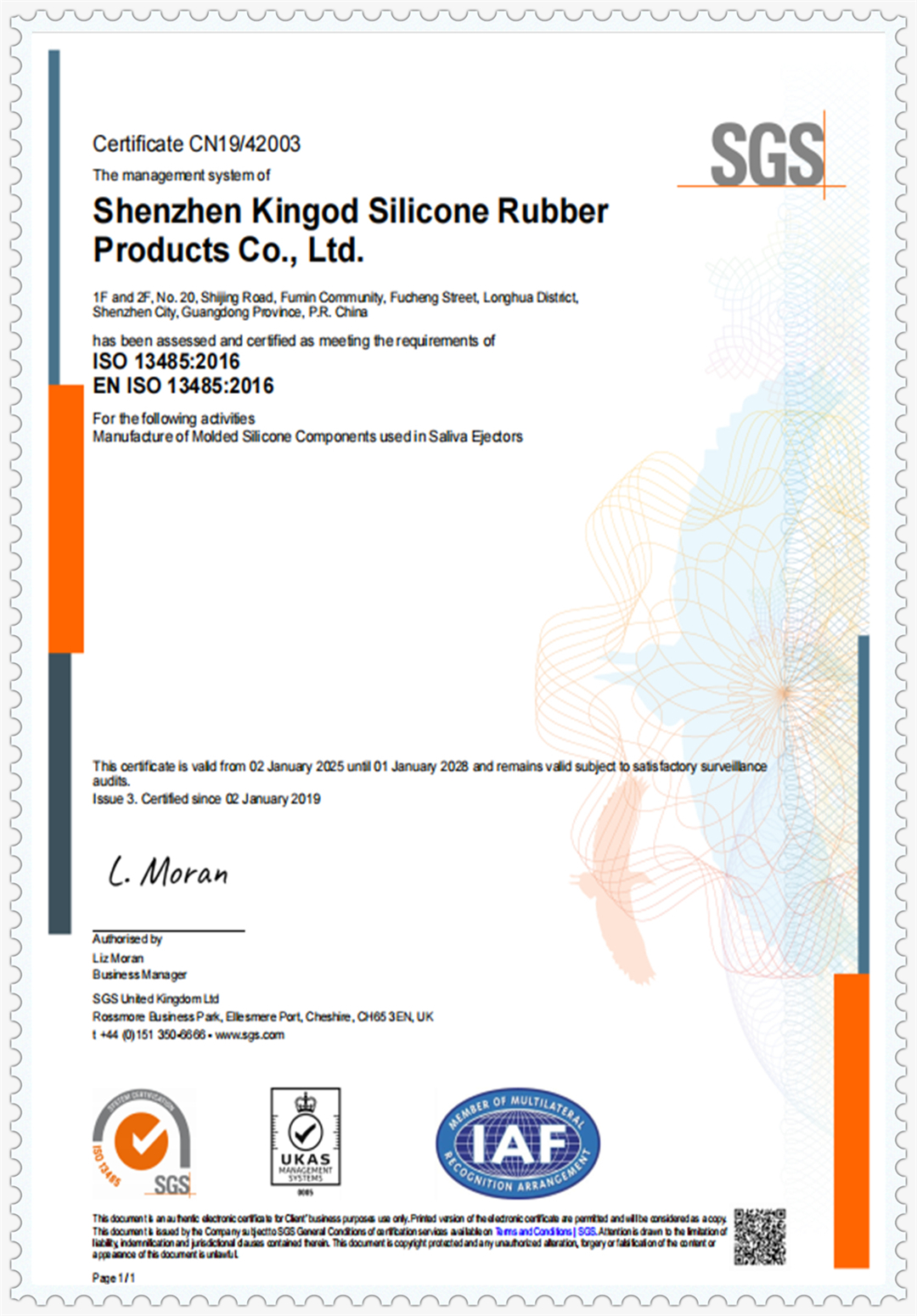
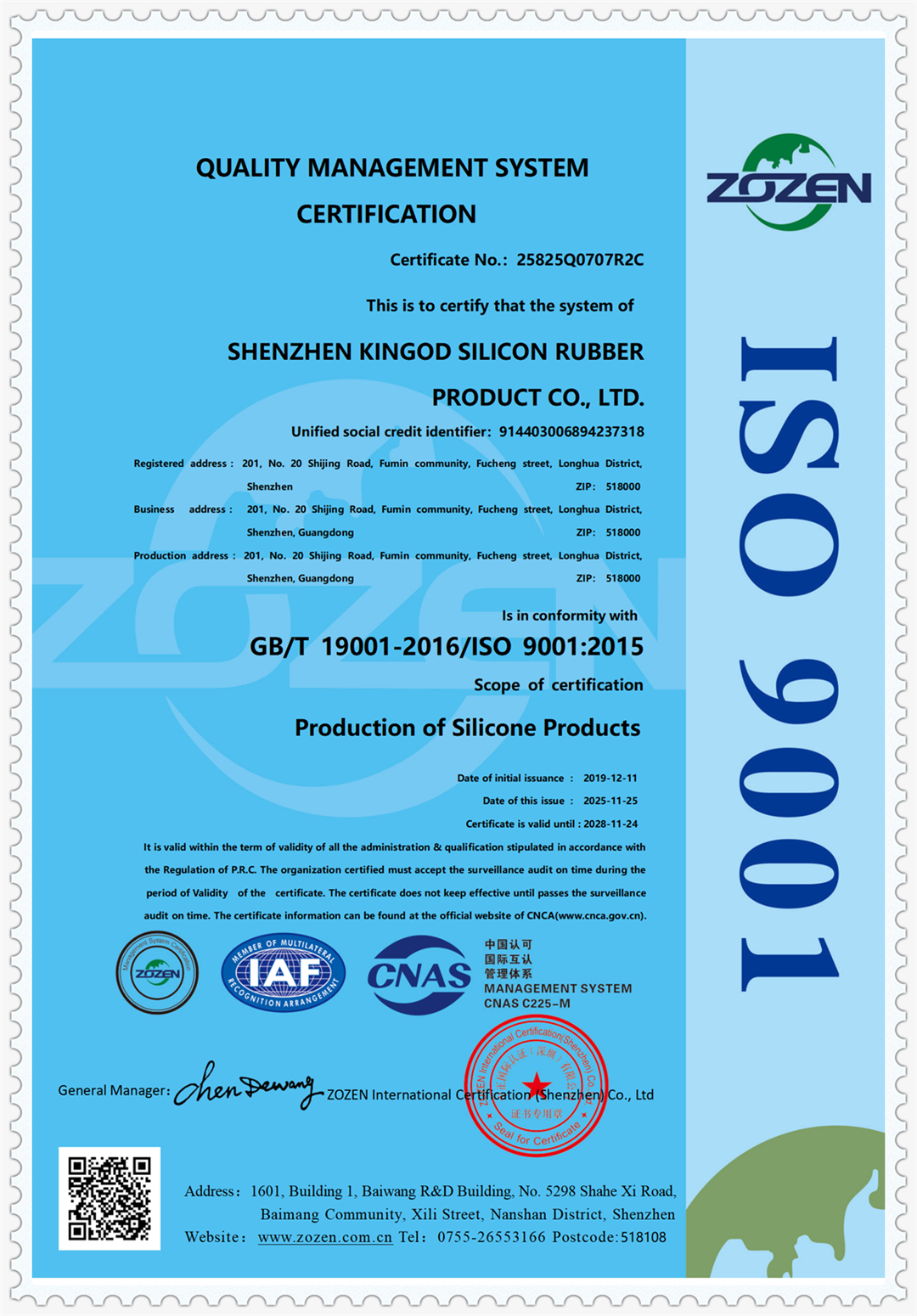
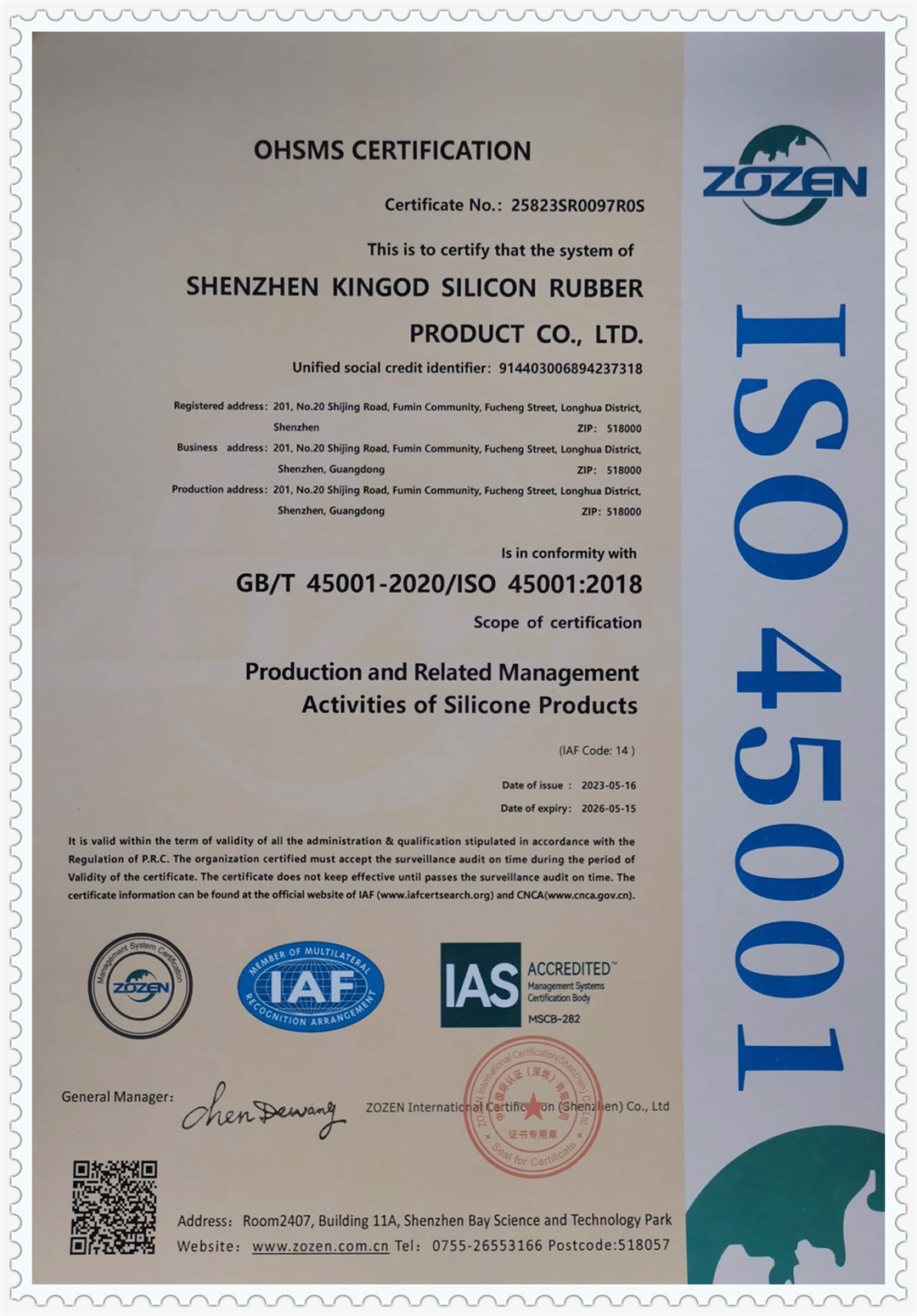
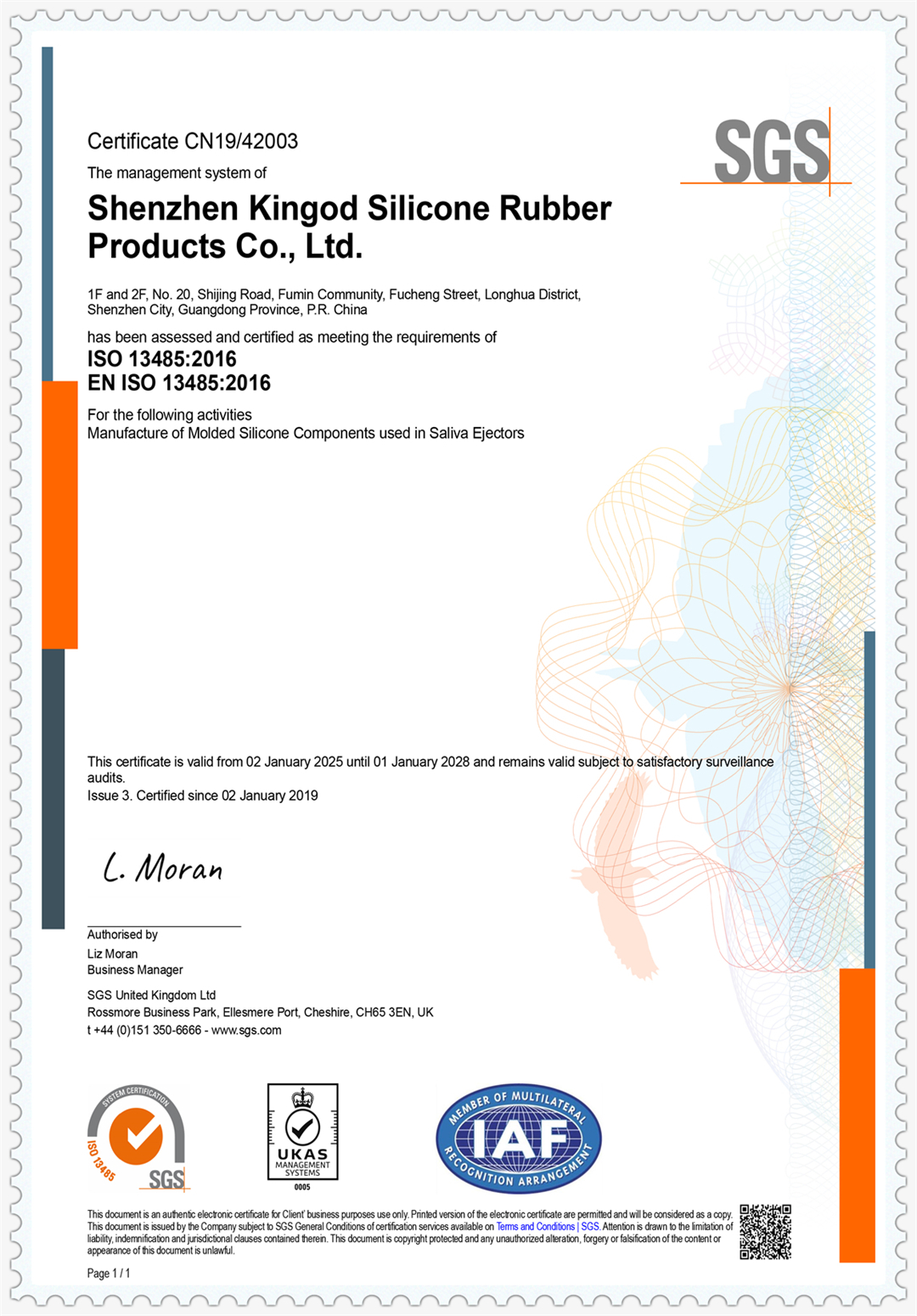
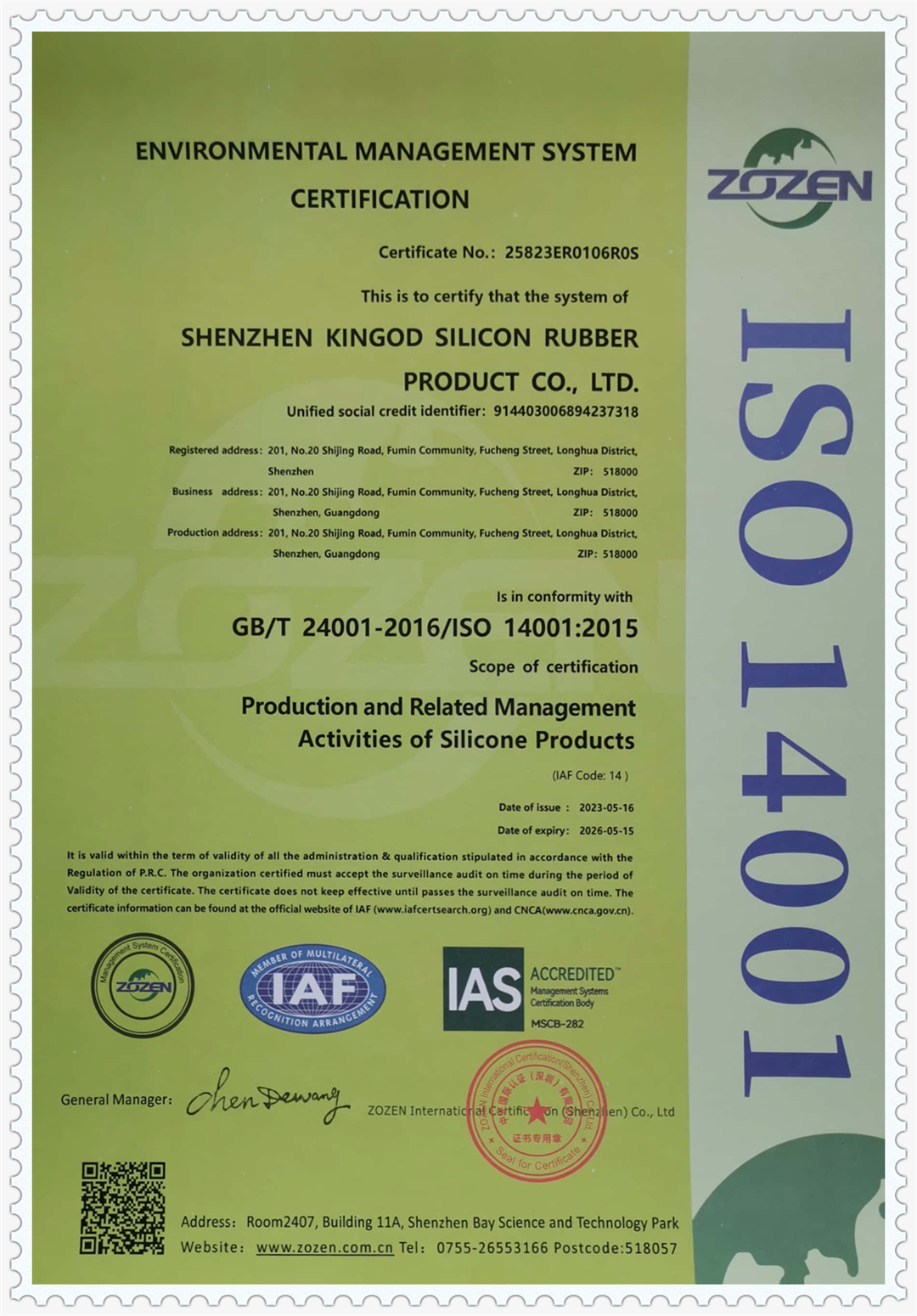
Quality is not just a promise—it is a process. Our facility operates under internationally recognized quality management systems:
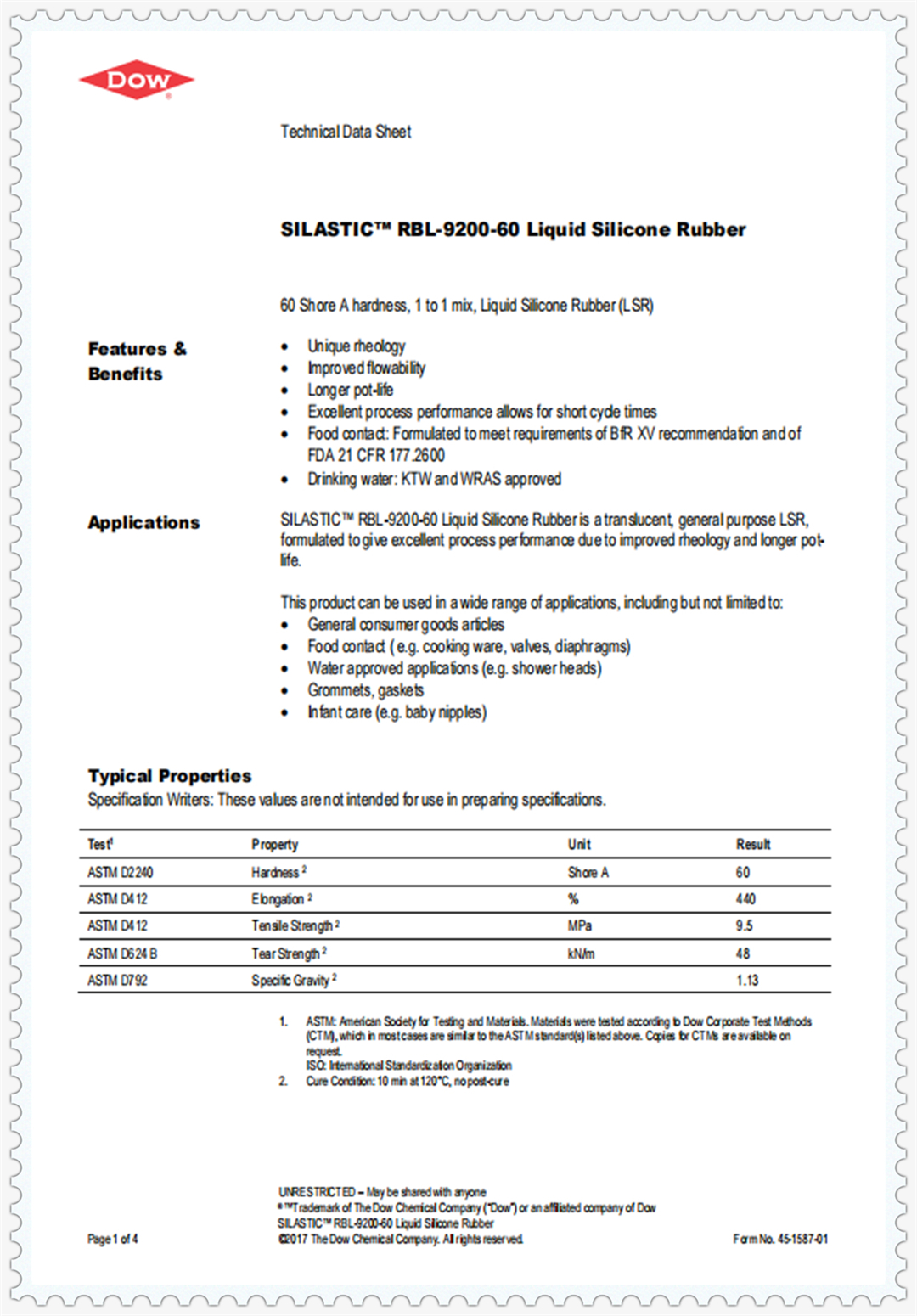
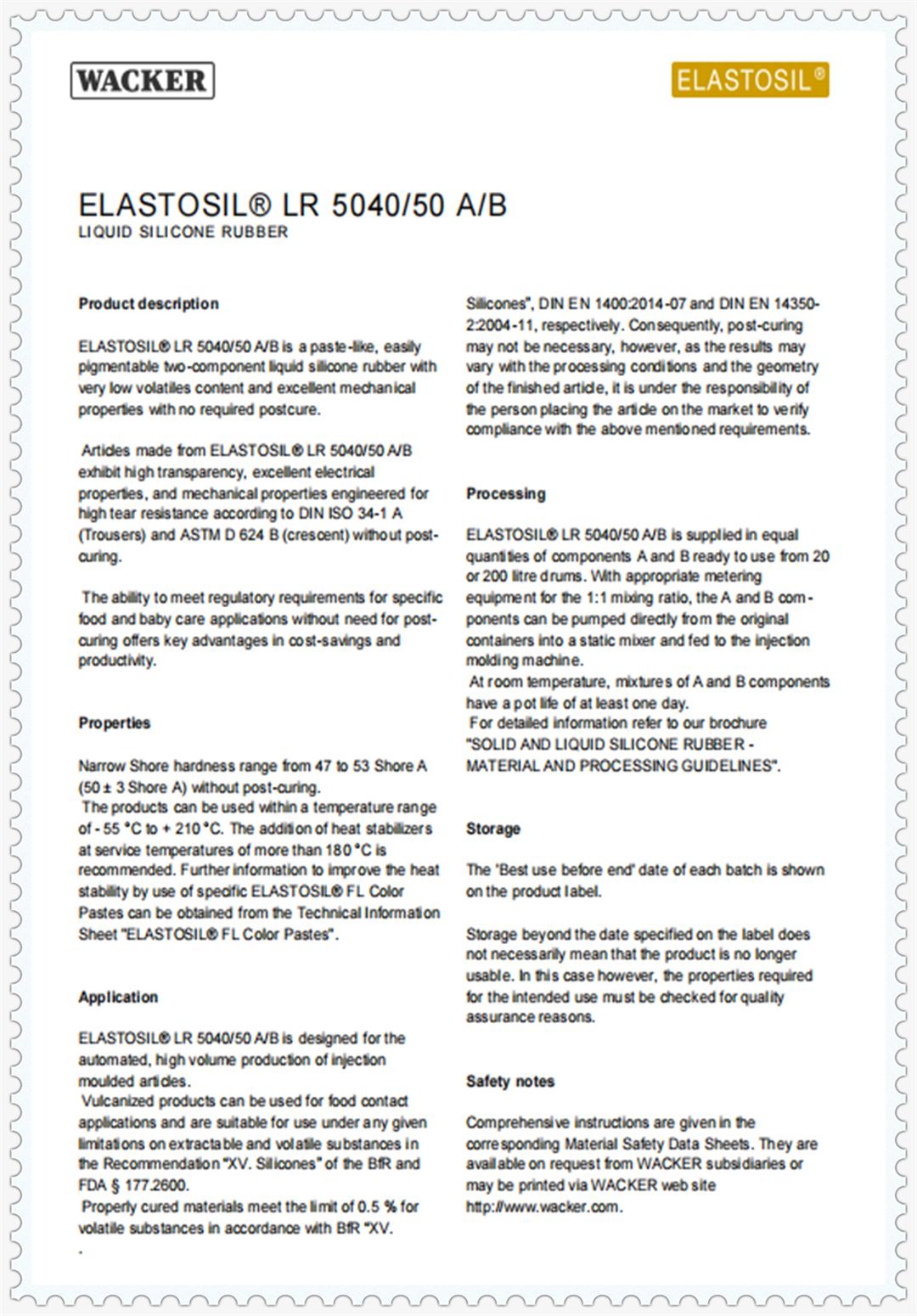
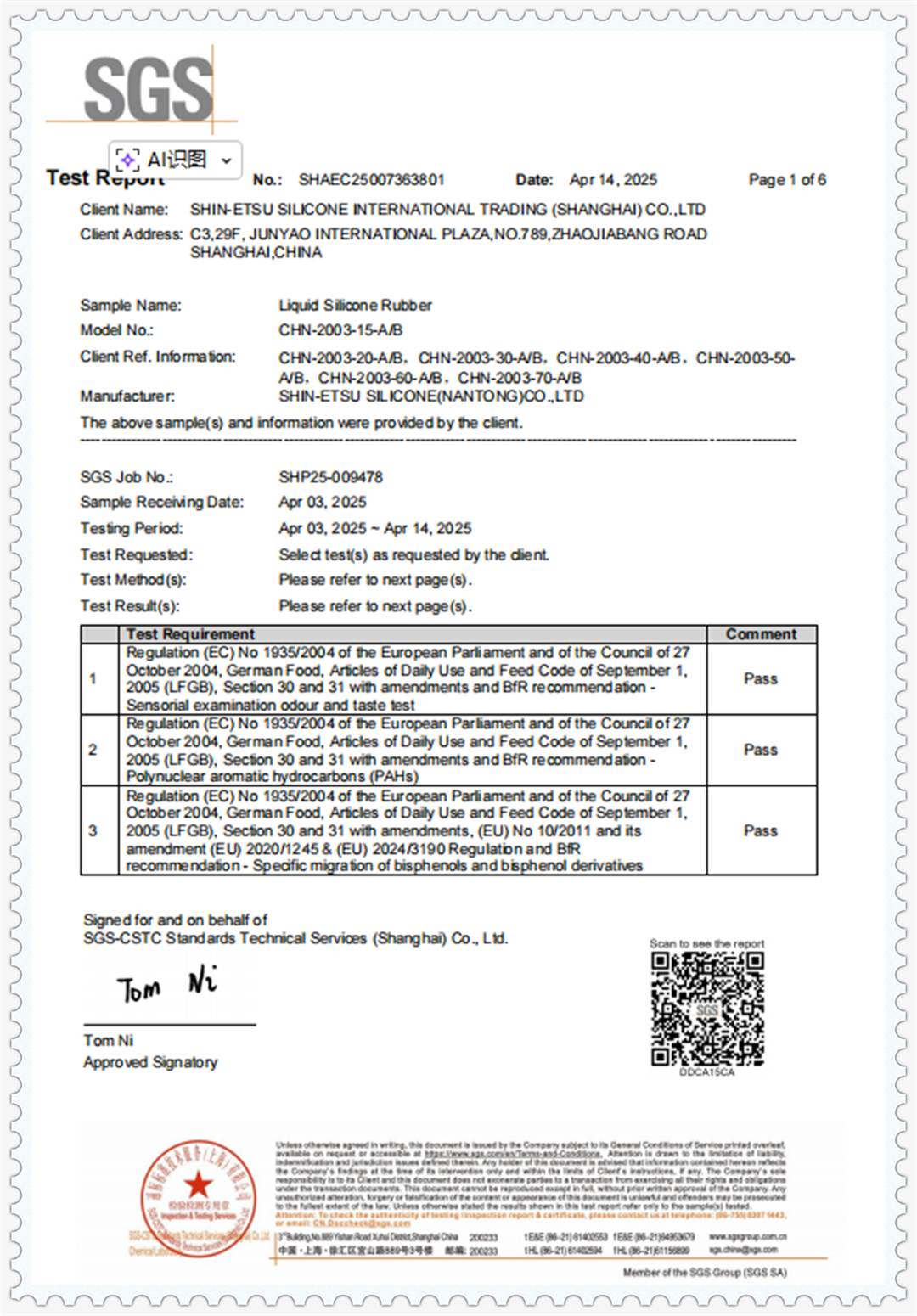
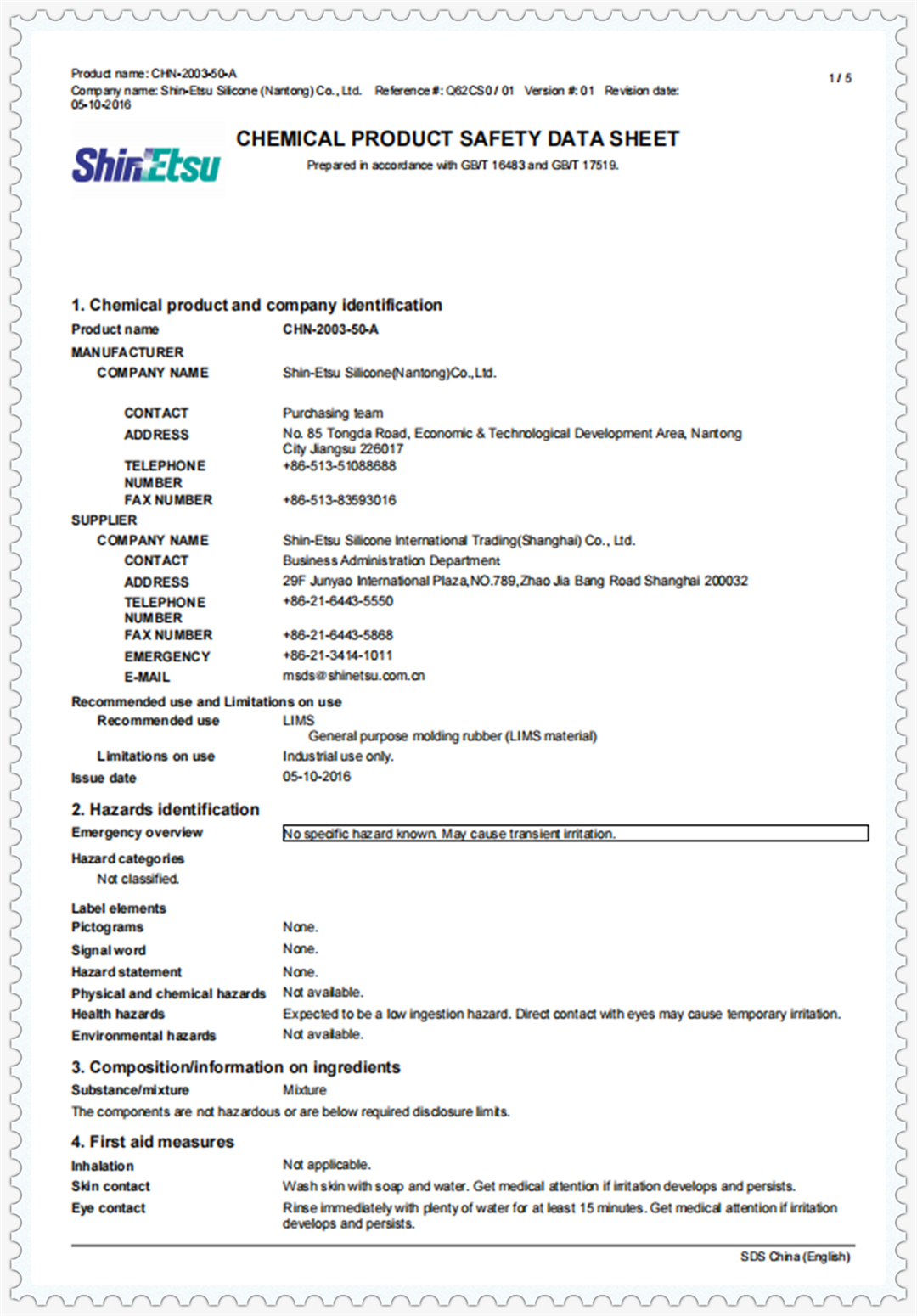
Every product undergoes stringent inspection protocols, including dimensional verification, material traceability, and performance testing. For medical and food-contact applications, we utilize platinum-cured silicone and comply with FDA, LFGB, and EU 10/2011 standards, ensuring safety for even the most sensitive uses.