- Home
- Products
- Company
- Case Study
- News
- Contact Us
Leave Your Message
Precision-engineered, medical-grade silicone components designed to meet the rigorous safety and hygiene standards of pediatric healthcare facilities.
In pediatric clinics and hospitals, every component that interacts with a child's body or healthcare environment must meet the highest standards of safety, biocompatibility, and durability. Silicone seals have emerged as one of the most indispensable materials in this sector — offering a unique combination of chemical inertness, flexibility, thermal stability, and compliance with international medical regulations.
Unlike conventional rubber or plastic seals, medical-grade silicone seals are non-toxic, hypoallergenic, and resistant to microbial growth, making them ideal for use in environments where infection control and patient safety are paramount. From neonatal incubators to pediatric IV infusion systems, silicone seals play a silent but vital role in protecting young patients every day.
All medical-grade silicone seals used in pediatric applications must be 100% BPA-free, phthalate-free, and compliant with ISO 10993 biocompatibility standards — ensuring zero harmful leaching even under prolonged contact with sensitive infant or child physiology.
The global medical-grade silicone market was valued at over USD 1.8 billion in 2023 and is projected to surpass USD 3.5 billion by 2030, driven significantly by expanding pediatric healthcare infrastructure, rising neonatal care investments, and stricter regulatory requirements for medical device components. Within this broader market, silicone seals and gaskets represent one of the fastest-growing sub-segments, fueled by demand from hospitals, outpatient pediatric clinics, diagnostic centers, and pharmaceutical manufacturing facilities.
Asia-Pacific leads growth in pediatric silicone seal procurement, with China, India, and Southeast Asian nations rapidly upgrading hospital infrastructure. Meanwhile, North America and Europe continue to set the regulatory benchmark, requiring suppliers to hold certifications such as ISO 13485, FDA 21 CFR, and EU MDR compliance. This dual dynamic creates enormous opportunities for certified manufacturers capable of delivering precision-engineered silicone sealing solutions at competitive cost points.
Silicone seals are critical components in NICU incubators, ventilators, and oxygen delivery systems. These seals must maintain airtight integrity under continuous use, resist sterilization cycles (autoclaving, gamma radiation, EtO), and remain flexible across a wide temperature range. Custom-molded LSR seals ensure leak-free performance in oxygen masks and CPAP systems designed for premature infants with extremely delicate airways.
Intravenous therapy in children requires ultra-precise fluid control. Silicone seals in IV connectors, stopcocks, and infusion pump components prevent fluid leakage and cross-contamination. Their transparency allows visual inspection of fluid flow, while their flexibility accommodates the micro-scale fittings used in pediatric catheter systems.
Hospital-grade silicone seals are used in nasogastric feeding tube connectors, enteral nutrition pump components, and breast milk storage systems. Food-grade and medical-grade silicone seals ensure that nutritional content is not compromised by chemical interaction, and that hygienic integrity is maintained throughout the feeding process for vulnerable neonates and pediatric patients.
Pediatric MRI machines, ultrasound probes, and CT scanner components use silicone seals to protect sensitive electronic internals from moisture, dust, and disinfectant chemicals. The non-magnetic properties of silicone make it uniquely suitable for MRI environments, while its chemical resistance ensures longevity despite frequent cleaning with hospital-grade disinfectants.
Minimally invasive pediatric surgeries require laparoscopic instruments with precision silicone seals that maintain pneumoperitoneum (gas-tight abdominal cavity) during procedures. These seals must endure high-pressure steam sterilization repeatedly without degrading, swelling, or losing dimensional accuracy — properties uniquely delivered by high-consistency silicone rubber (HCR) and LSR formulations.
In pediatric dental settings, silicone seals are used in handpiece components, suction systems, and sterilization cassette gaskets. Their softness and biocompatibility make them suitable for components that may contact a child's oral mucosa, while their resistance to dental disinfectants ensures long service life in high-throughput clinic environments.
Liquid Silicone Rubber (LSR) injection molding enables the production of ultra-precise, flash-free silicone seals with tolerances as tight as ±0.05mm — essential for the micro-scale components found in pediatric medical devices. LSR's inherent purity, consistency, and ability to be over-molded with plastics make it the preferred material for next-generation pediatric healthcare components.
Silicone seals used in pediatric medical environments are subject to some of the most stringent regulatory requirements in the world. Key compliance frameworks include:
Manufacturers supplying silicone seals to pediatric hospitals must maintain robust documentation, traceability systems, and regular third-party audits to demonstrate ongoing compliance. This regulatory rigor is a key reason why hospital procurement teams increasingly favor ISO 13485-certified silicone component suppliers.
The pediatric silicone seal market is being reshaped by several converging technological and societal trends that manufacturers and procurement specialists should monitor closely:
The intersection of advanced silicone engineering and pediatric healthcare is driving innovation across multiple fronts.
Next-generation silicone compounds infused with antimicrobial agents provide passive infection control in pediatric ICUs, reducing hospital-acquired infection risks without additional chemical protocols.
Green procurement policies in leading children's hospitals are accelerating adoption of recyclable, low-emission silicone seal materials that maintain full medical-grade performance.
Flexible LSR seals enable waterproof, skin-safe wearable monitoring patches for pediatric patients, integrating seamlessly with IoT-connected hospital management systems.
Advances in LSR micro-injection molding allow production of seals with features under 0.5mm, enabling next-generation minimally invasive pediatric surgical instruments.
Disposable silicone-sealed pediatric device components eliminate sterilization costs and cross-contamination risks, becoming standard in high-acuity pediatric care settings globally.
New silicone seal formulations maintain integrity from -60°C to +250°C, enabling reliable performance across all pediatric medical equipment from cryogenic storage to steam sterilization.
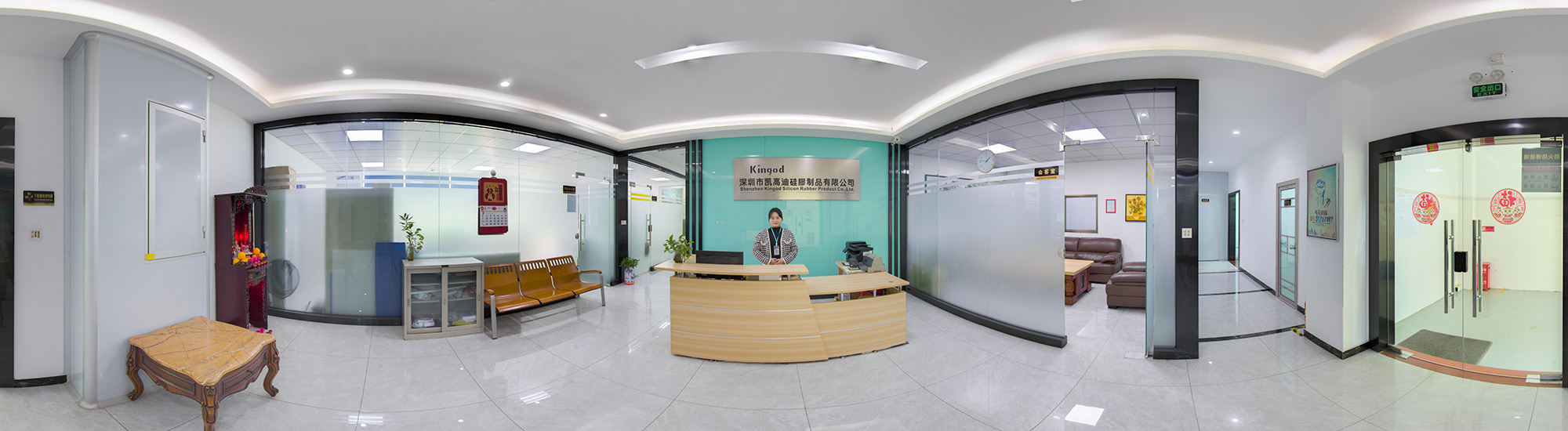
Kingod Silicone Products Co., Ltd. is a custom silicone manufacturer established in 2006. We specialize in precision silicone products and use automated production equipment to improve consistency, and product quality for global customers.
Since its establishment, Kingod has focused on advancing silicone processing technologies and expanding production capabilities. Headquartered in Shenzhen, Guangdong Province, the company operates from a modern factory spanning over 3,000 square meters, equipped with state-of-the-art machinery and a skilled workforce. Over the years, Kingod has built a reputation for excellence through continuous technological investment and strict quality management.
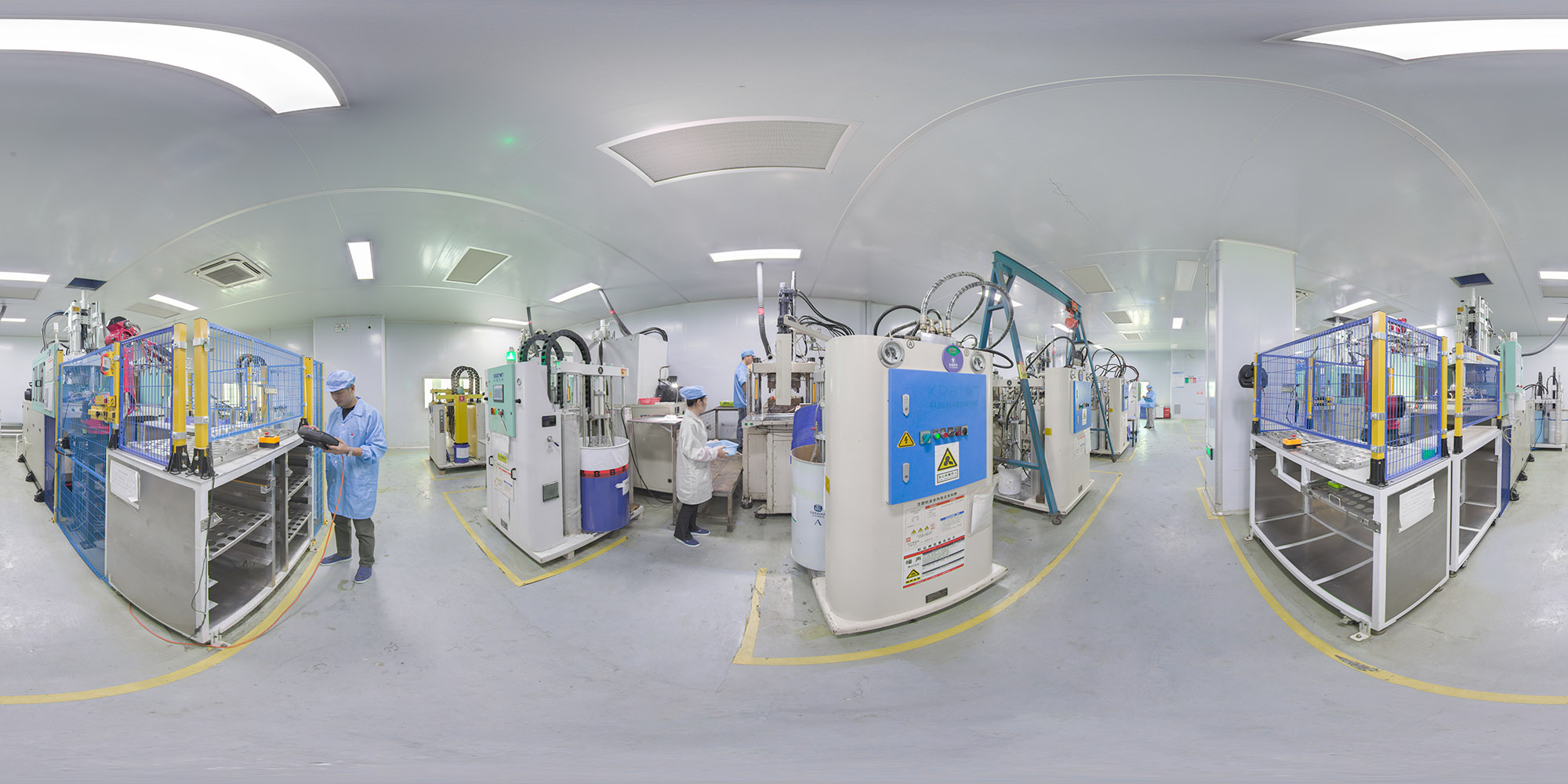
We specialize in Liquid Silicone Rubber (LSR) and High-Temperature Vulcanized (HTV) silicone compression molding, offering end-to-end custom manufacturing services across multiple industries.
Food-grade silicone items such as nipples, pacifiers, teethers, and feeding utensils for pediatric and infant use.
Medical-grade silicone components for devices, seals, tubing, and hospital equipment compliant with ISO 13485 and FDA standards.
Heat-resistant, non-toxic silicone kitchen tools, bakeware, and home accessories engineered for everyday safety.
Durable silicone seals, gaskets, connectors, and protective components for demanding industrial environments.
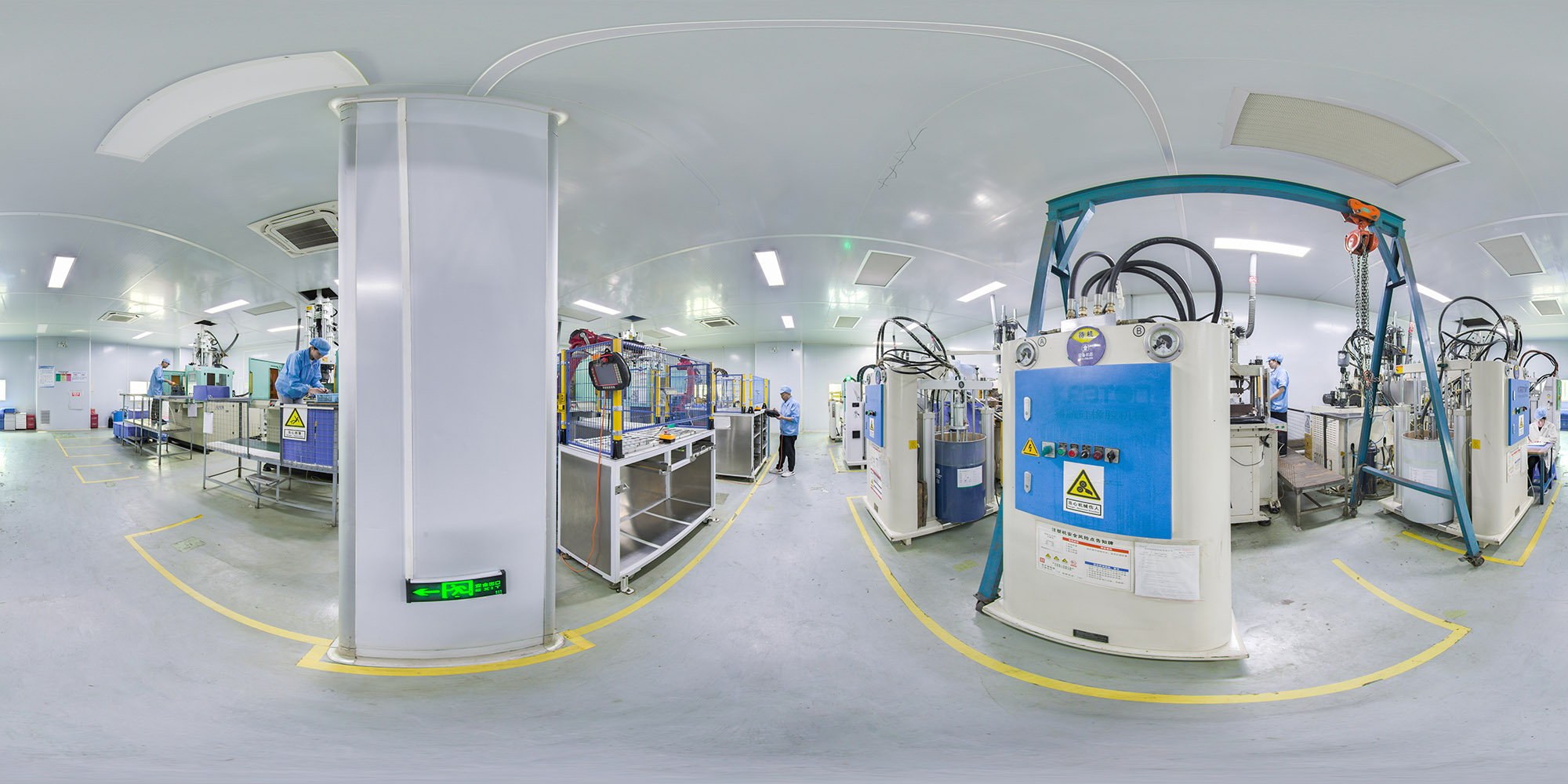
We adhere to international quality standards and hold certifications including ISO 9001:2015, ISO 13485, FDA, LFGB, and RoHS. Our manufacturing processes are regularly audited to ensure compliance with safety and environmental regulations.
We place utmost importance on protecting clients' intellectual property and proprietary information, implementing strict confidentiality protocols throughout every project phase.
Trusted by healthcare manufacturers and hospital procurement teams worldwide for precision, compliance, and reliability.
20 years of focused experience in silicone product manufacturing for medical and pediatric applications.
Advanced LSR/HTV molding and multi-material overmolding capabilities for complex medical components.
Certified production with rigorous quality control systems and full material traceability.
Secure handling of client designs and business information with NDA-backed protocols.
Dedicated to delivering tailored solutions, on-time delivery, and exceptional after-sales support.
Looking ahead, Kingod aims to further innovate in eco-friendly and high-precision silicone applications, particularly in the medical, automotive, and consumer electronics sectors. We are expanding our R&D team and automation capabilities to enhance efficiency and product versatility.
Our vision is to become a globally recognized silicone solutions provider, driven by technology, sustainability, and customer-centric values — with pediatric healthcare remaining a cornerstone of our medical-grade product development roadmap.
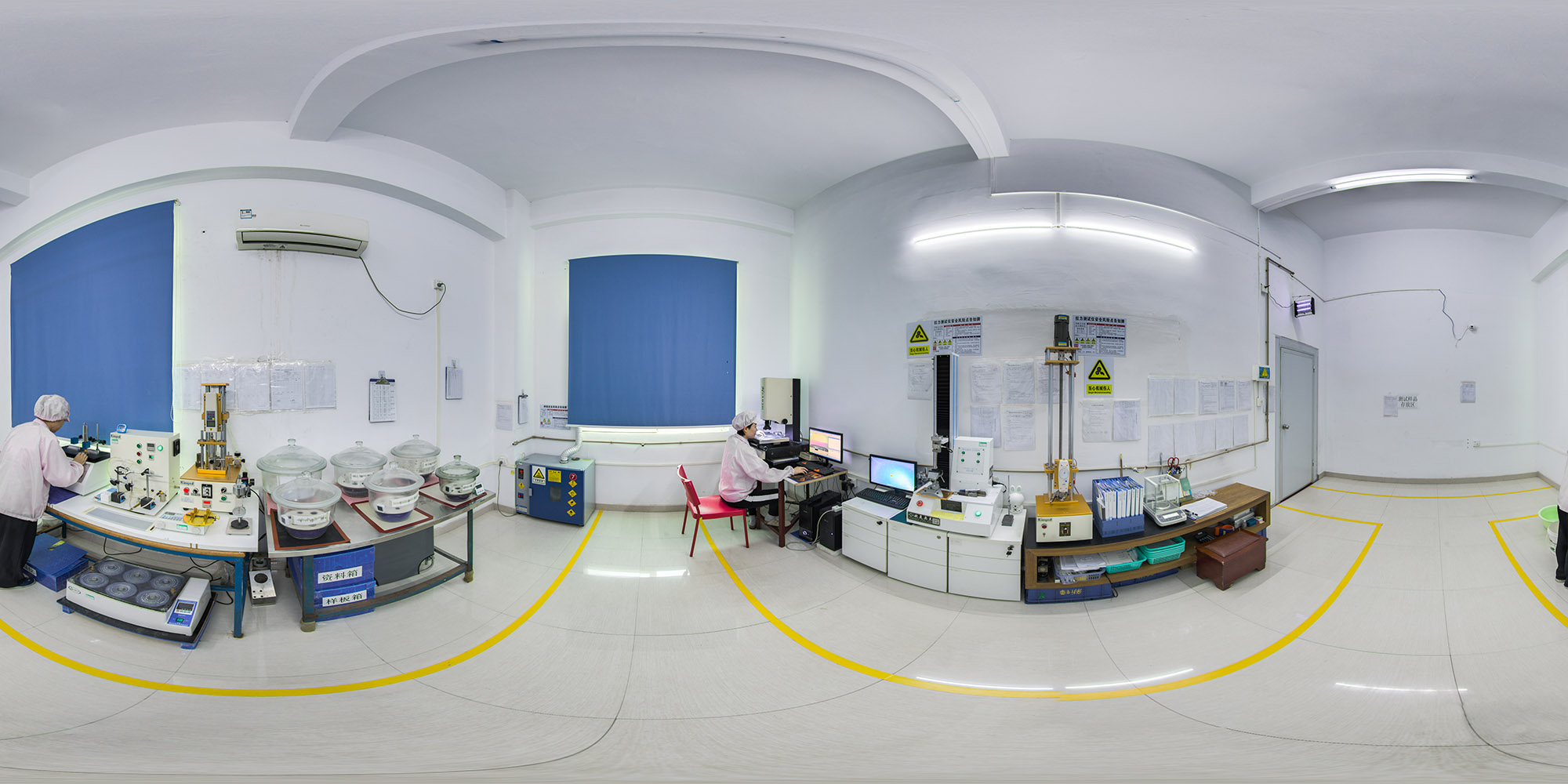
Explore our full range of medical-grade and baby-safe silicone products engineered for healthcare environments.
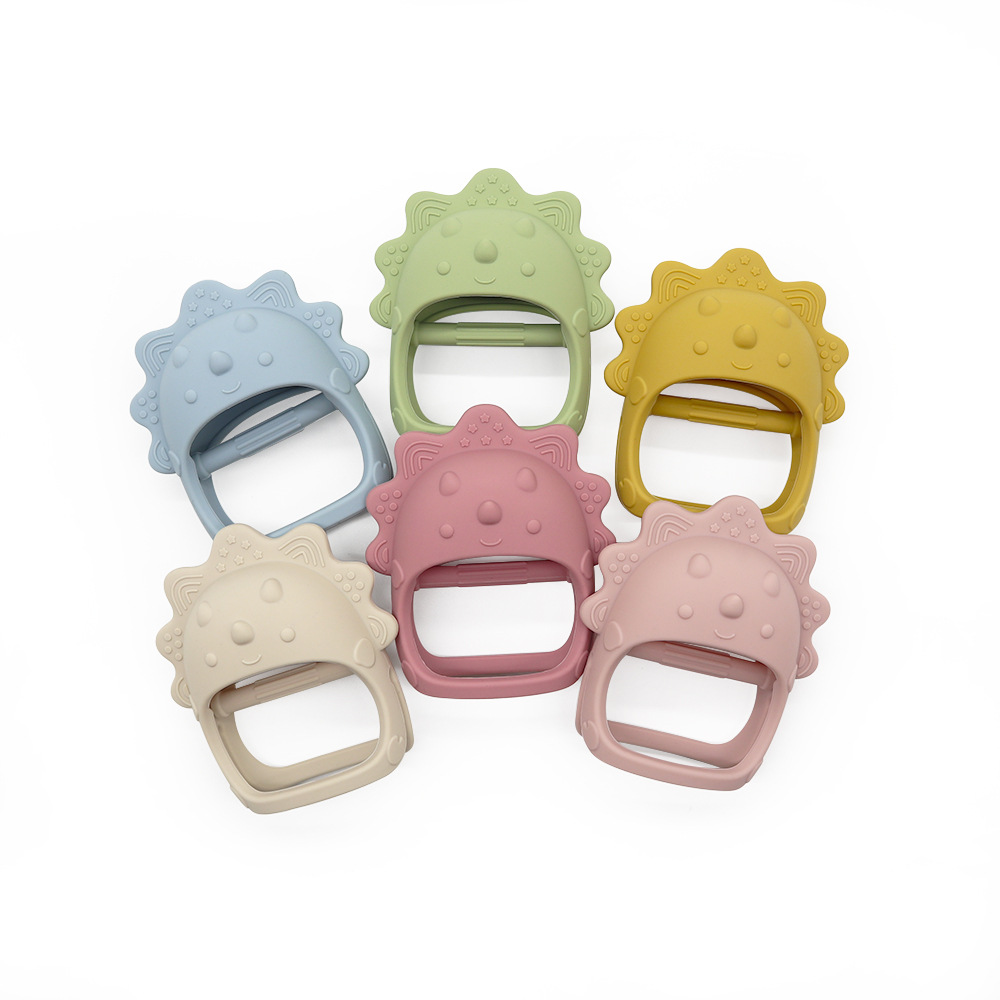 Silicone Wrist Teething Toys BPA-Free Silicone Baby Teether Rings
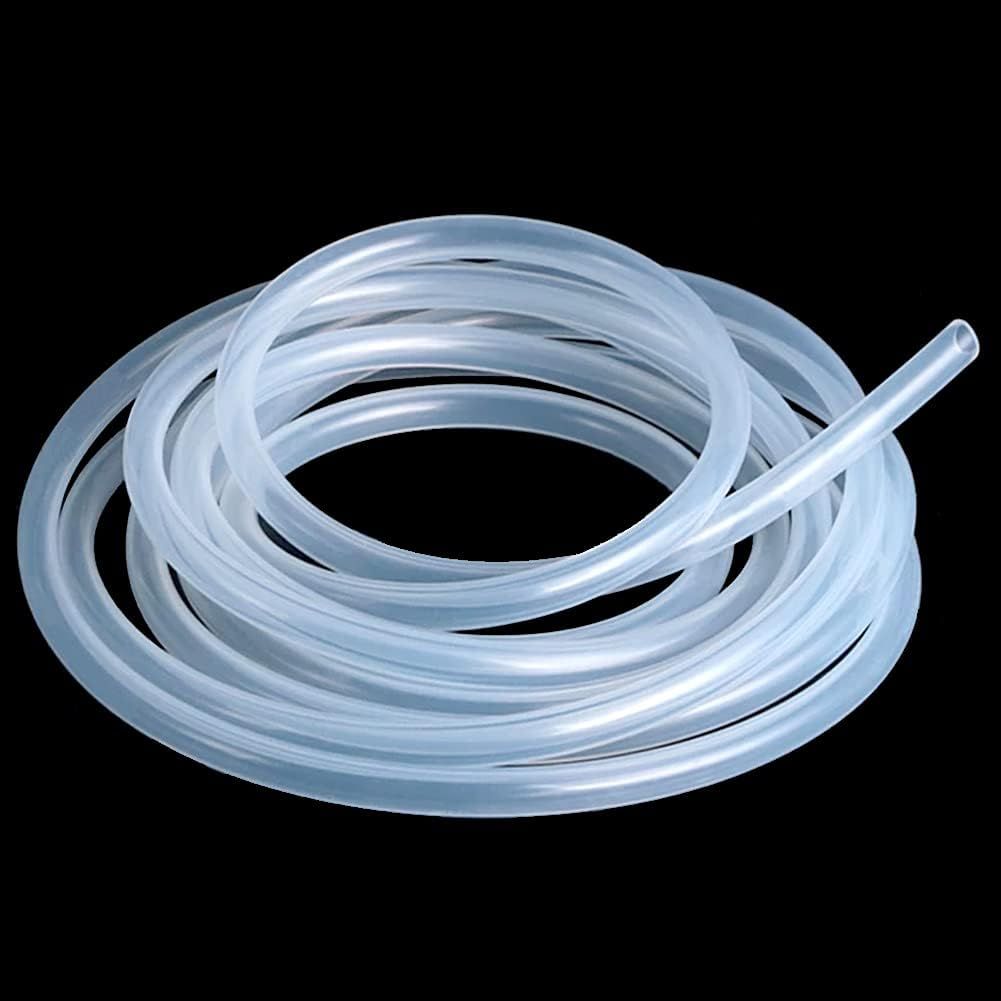 Custom Transparent Silicone Tube Medical Use
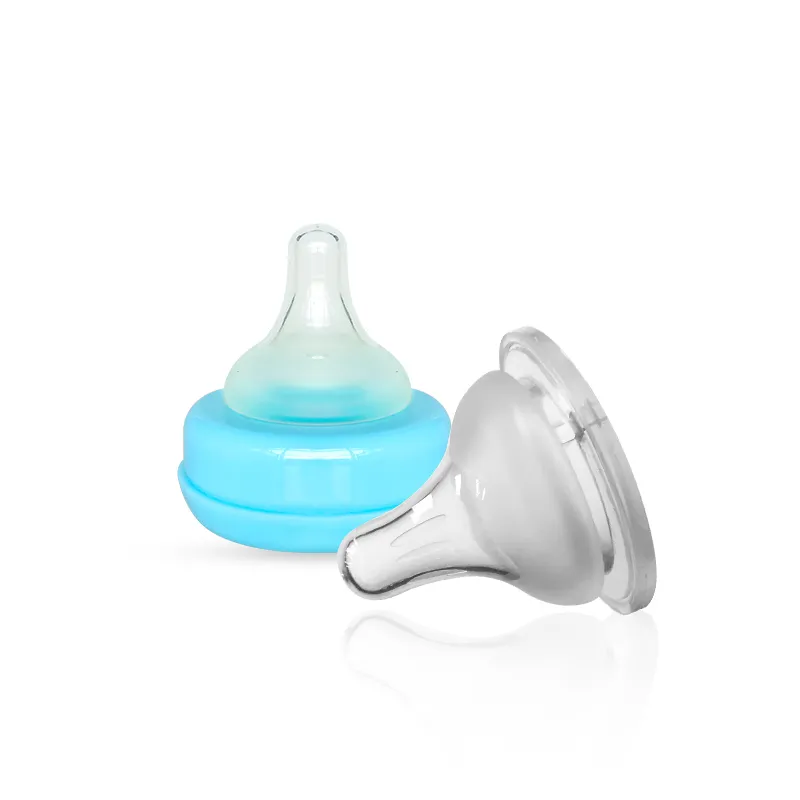 Wholesale Soft Baby Care Silicone Custom Baby Bottle Nipple
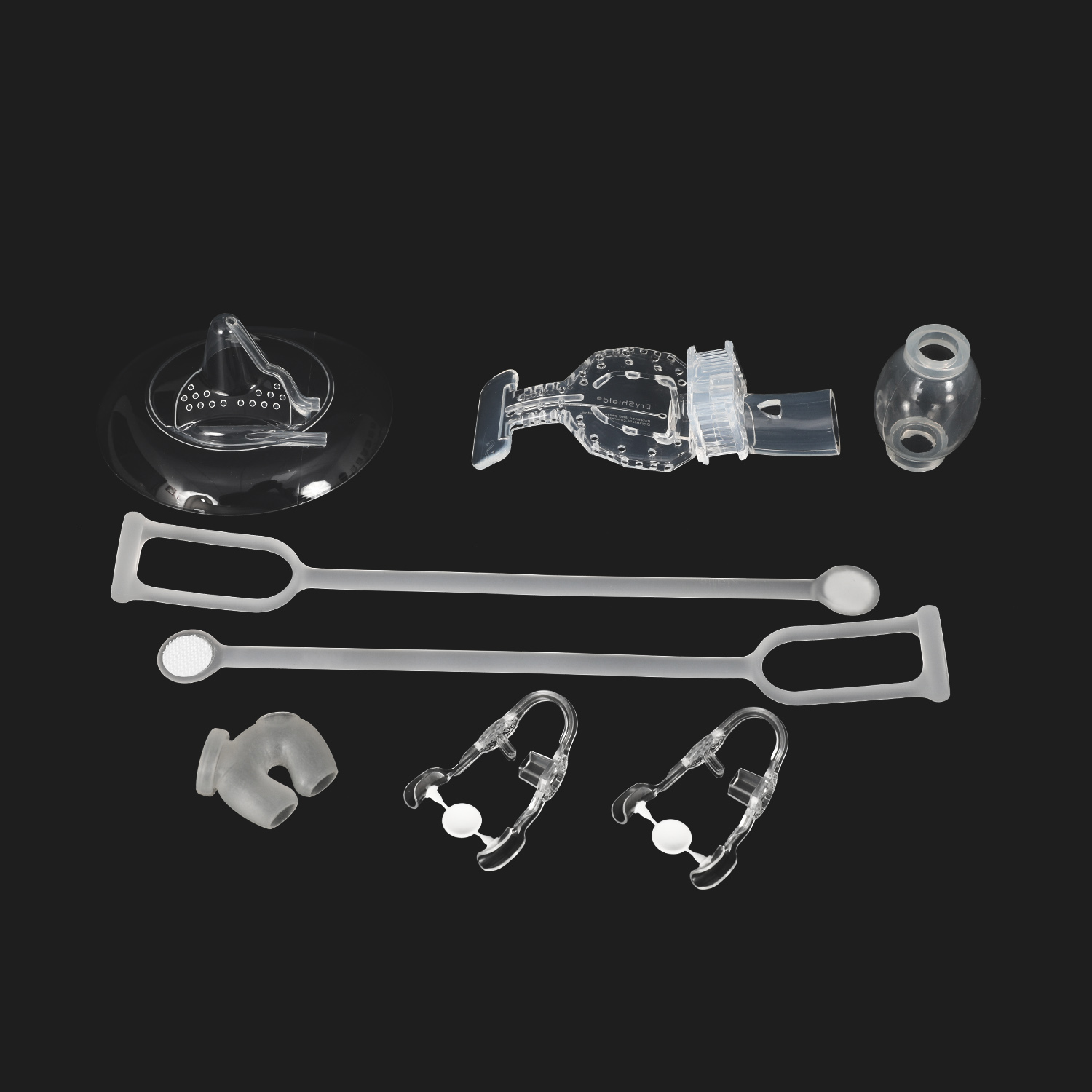 Custom LSR Injection Molding for Medical Silicone Rubber Products - ISO 13485 Certified Factory
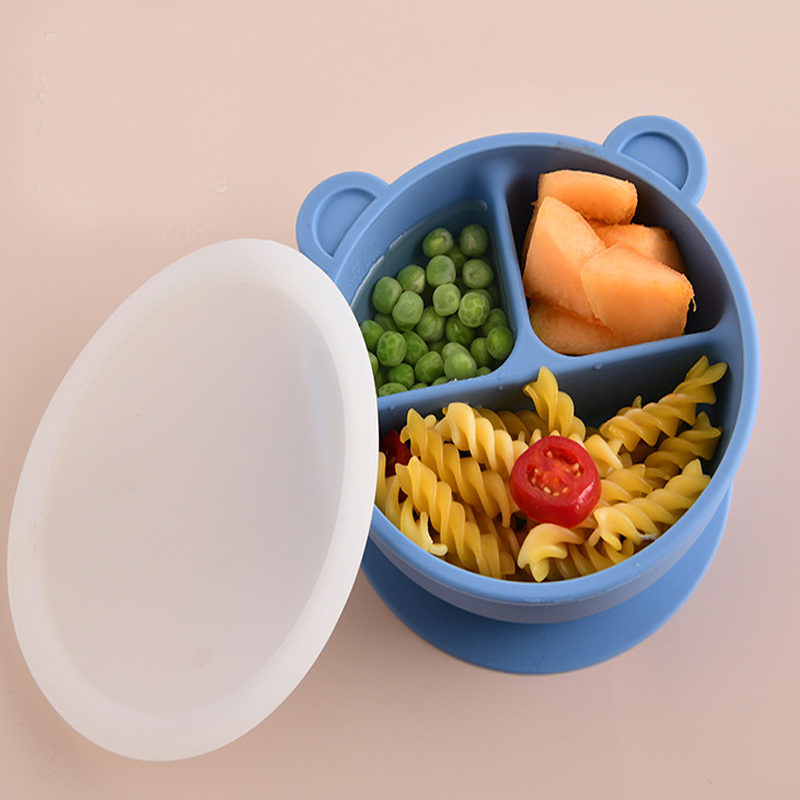 Wholesale BPA Free Suction Baby Dinner Bowl Silicone Bowl with Lid
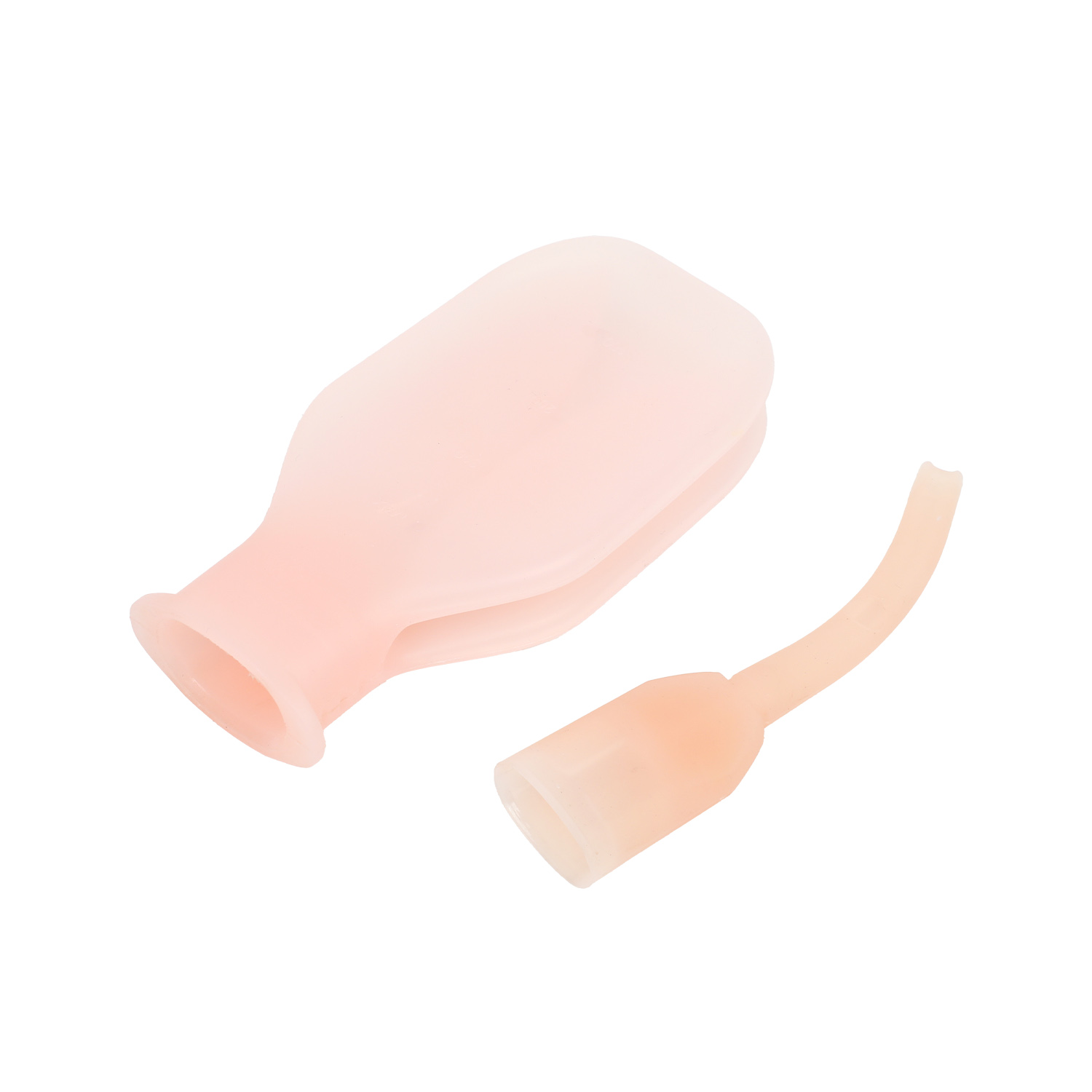 Custom Hollow Medical Product Silicone Injection Molding
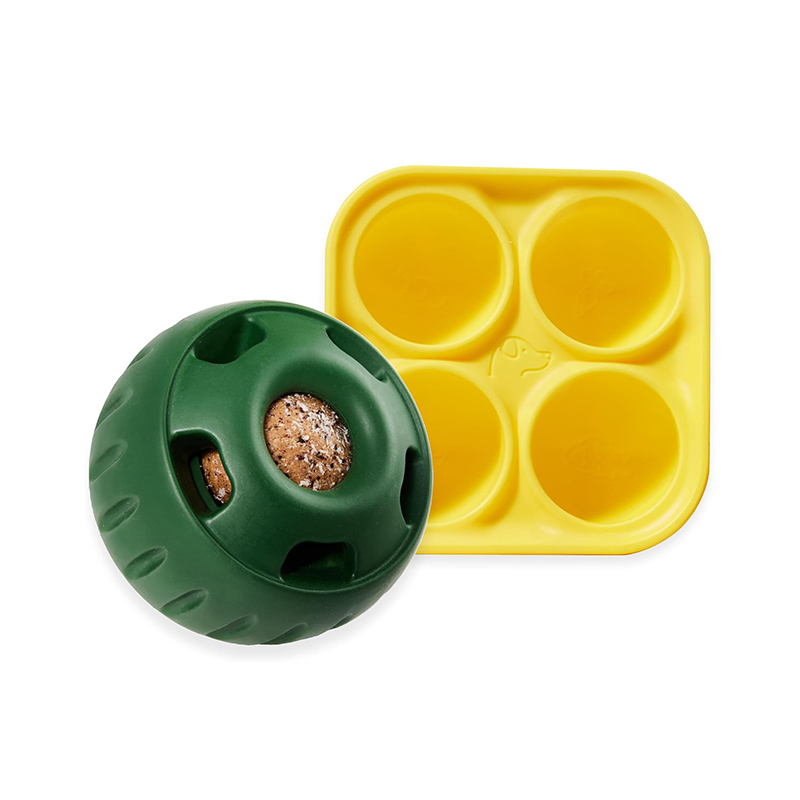 OEM Silicone Pet Products: Custom Dog Toys & Treat Molds
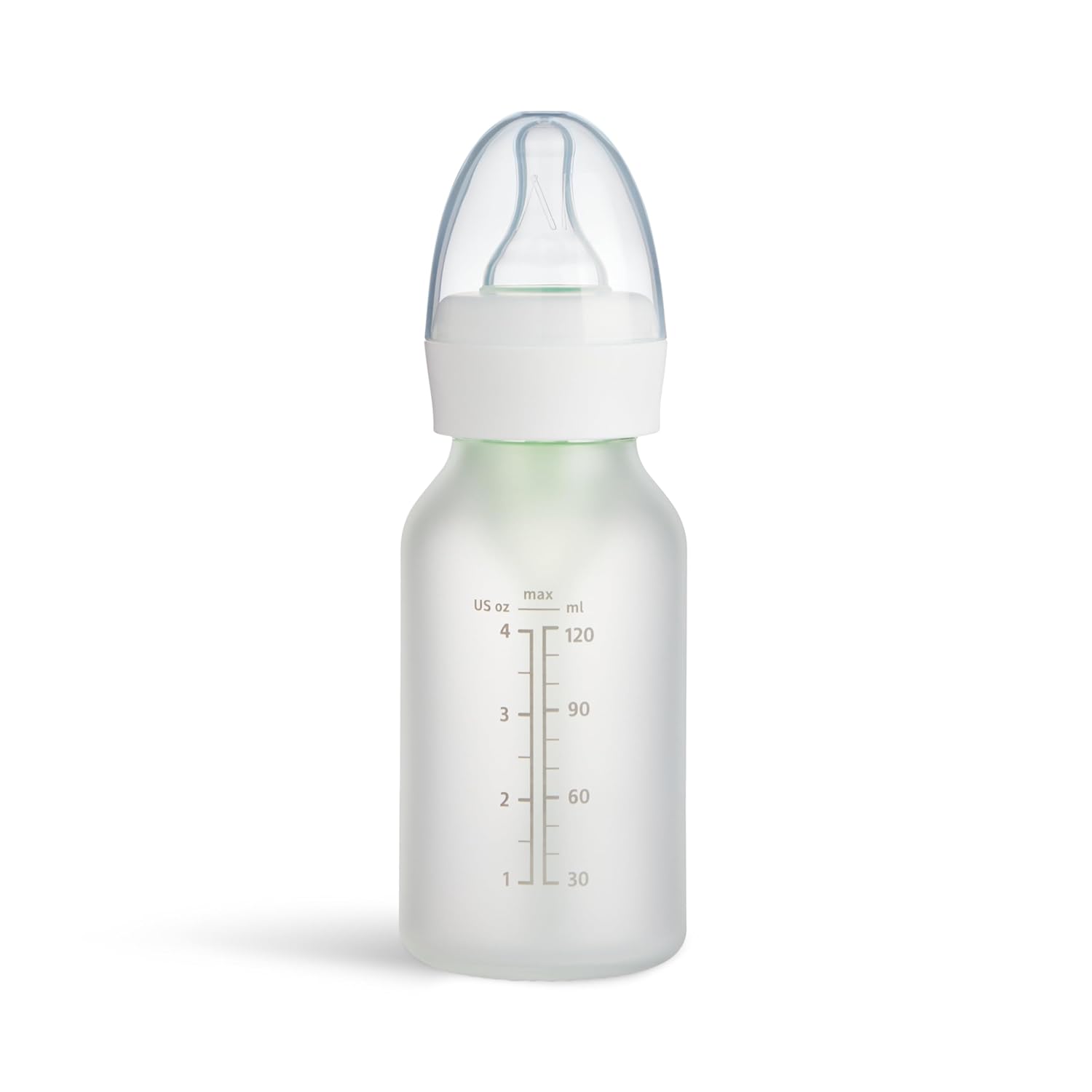 Silicone Nipple Baby Bottle - Silicone Coated Glass Bottle