
- Home
- Products
- Company
- Case Study
- News
- Contact Us
Leave Your Message
Explore our top silicone products engineered for pediatric clinics, hospitals, and infant care facilities.
A deep-dive into the commercial landscape, safety standards, and clinical applications driving global demand.
In pediatric healthcare environments — from neonatal intensive care units (NICUs) to outpatient feeding therapy clinics — the tools used for infant and child feeding carry profound implications for patient safety, developmental outcomes, and institutional liability. The silicone spoon for pediatric clinics and hospitals has emerged as a critical instrument, displacing traditional plastic and stainless-steel alternatives due to its unmatched combination of biocompatibility, thermal stability, and hygienic properties.
The global medical-grade silicone products market was valued at over USD 8.2 billion in 2023 and is projected to surpass USD 14 billion by 2030, growing at a CAGR of approximately 8.1%. Within this market, pediatric feeding accessories — including hospital-grade silicone spoons — represent one of the fastest-growing subcategories, driven by rising neonatal care investments, expanding pediatric hospital infrastructure across Asia-Pacific and the Middle East, and increasingly stringent procurement standards in developed markets.
Pediatric patients — especially premature neonates and infants with oral motor dysfunction — require feeding utensils that are not merely food-safe but genuinely biocompatible. Medical-grade silicone, particularly Liquid Silicone Rubber (LSR) produced under ISO 13485 and FDA 21 CFR standards, offers properties no other material can replicate at scale:
In NICUs, premature infants often cannot breastfeed directly and require oral feeding support. Silicone spoons with ultra-soft tips (Shore A 20–30) are used by nurses and lactation consultants to deliver expressed breast milk or formula in controlled volumes. The non-slip ergonomic handle design enables precise one-handed use by clinical staff, while the transparent or translucent silicone body allows visual verification of food volume delivered — a key clinical workflow requirement.
Children with sensory processing disorders, autism spectrum conditions, cerebral palsy, or post-surgical oral motor deficits frequently undergo structured feeding therapy. Occupational therapists and speech-language pathologists rely on silicone spoons with specific tactile profiles to desensitize oral hypersensitivity, introduce food textures progressively, and build positive mealtime associations. Custom-colored silicone spoons are also used in behavioral therapy protocols to create visual cues and structured feeding routines.
Children undergoing chemotherapy frequently experience severe mucositis — painful inflammation of the oral mucosa — making conventional metal spoons intolerable. Soft silicone spoons with rounded, non-abrasive edges minimize contact trauma, enabling continued oral nutrition during treatment and supporting recovery outcomes.
Following cleft palate repair, infants require specialized feeding utensils that avoid pressure on the surgical site. Purpose-designed silicone spoons with elongated, angled handles and ultra-soft bowl geometries are prescribed by craniofacial surgical teams as part of standardized post-operative feeding protocols.
Hospital dietitians and gastroenterology teams use silicone spoons for introducing solid foods to infants with GI conditions such as GERD, eosinophilic esophagitis, and failure-to-thrive diagnoses. The ability to customize bowl depth and angle allows clinicians to control food bolus size and reduce aspiration risk — a critical patient safety metric.
Liquid Silicone Rubber formulated to FDA & ISO 10993 biocompatibility standards for direct patient contact.
Withstands repeated steam sterilization cycles at 134°C without deformation, discoloration, or off-gassing.
Non-porous silicone surface prevents microbial colonization, meeting hospital infection control protocols.
One-handed operation handles designed for clinical staff wearing gloves, with anti-slip texture zones.
Shore A hardness from 20A–80A; custom colors for clinical coding systems and behavioral therapy protocols.
CE Mark, FDA, LFGB, and ISO 13485 certified manufacturing — meeting global hospital procurement requirements.
Hospital procurement departments are increasingly mandating sustainability credentials. Platinum-cured LSR silicone spoons — free of peroxide byproducts — are gaining preference. Manufacturers investing in ISO 14001 environmental management and carbon-neutral production are winning larger institutional contracts.
Emerging R&D is embedding micro-sensors into silicone spoon handles to monitor feeding volume, temperature, and feeding frequency in real-time — transmitting data to hospital EMR systems. While still in clinical trial phases, this convergence of silicone manufacturing and IoT represents a transformative commercial opportunity.
Advanced injection molding automation is enabling manufacturers to produce hospital-grade silicone spoons with tolerances under ±0.05mm, ensuring consistent bowl geometry critical for controlled feeding volumes. Fully automated cleanroom production lines are becoming the standard for hospital supply chain qualification.
China, India, and Southeast Asia are experiencing rapid expansion of pediatric hospital infrastructure. Local governments are mandating domestic procurement of medical-grade silicone products, creating significant demand for certified manufacturers with both production scale and regulatory compliance capabilities.
Next-generation silicone compounds incorporating silver-ion or zinc-based antimicrobial additives are being evaluated for hospital feeding spoons, offering inherent bacterial suppression between sterilization cycles — a significant advancement for infection control in high-dependency pediatric units.
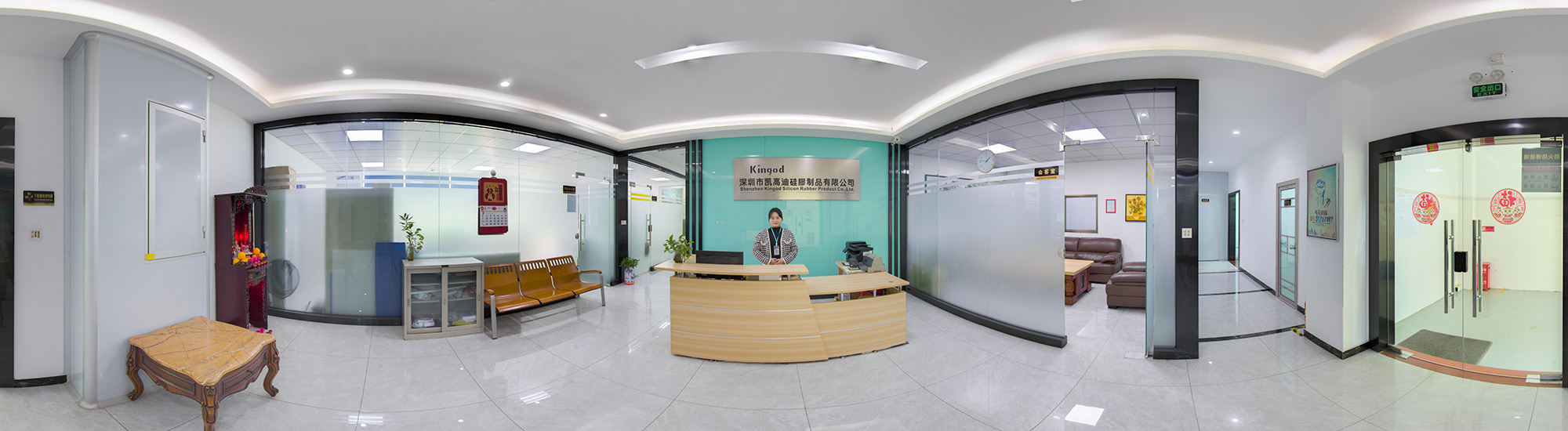
Kingod Silicone Products Co., Ltd. is a custom silicone manufacturer established in 2006. We specialize in precision silicone products and use automated production equipment to improve consistency, and product quality for global customers.
Since its establishment, Kingod has focused on advancing silicone processing technologies and expanding production capabilities. Headquartered in Shenzhen, Guangdong Province, the company operates from a modern factory spanning over 3,000 square meters, equipped with state-of-the-art machinery and a skilled workforce. Over the years, Kingod has built a reputation for excellence through continuous technological investment and strict quality management.
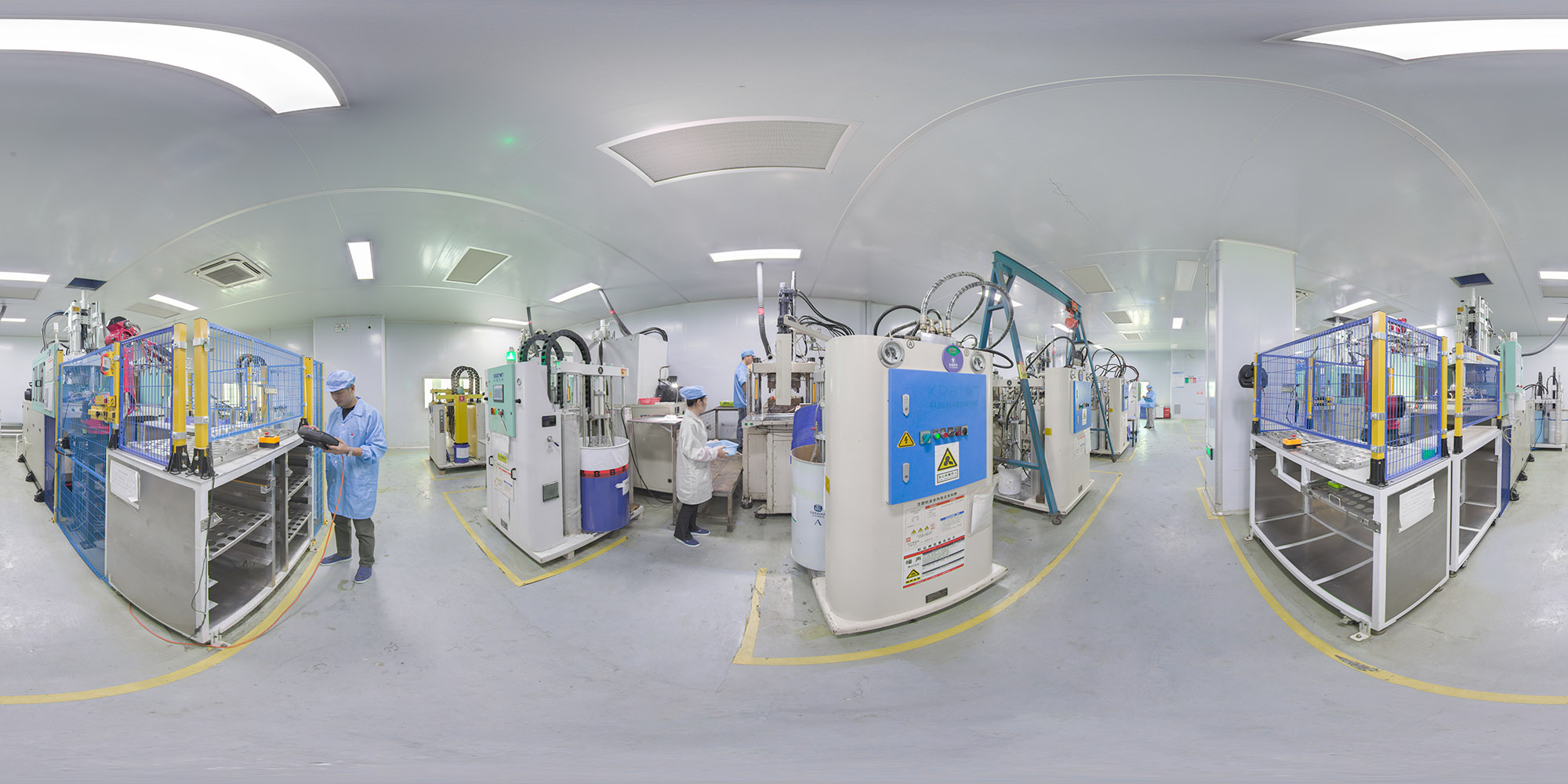
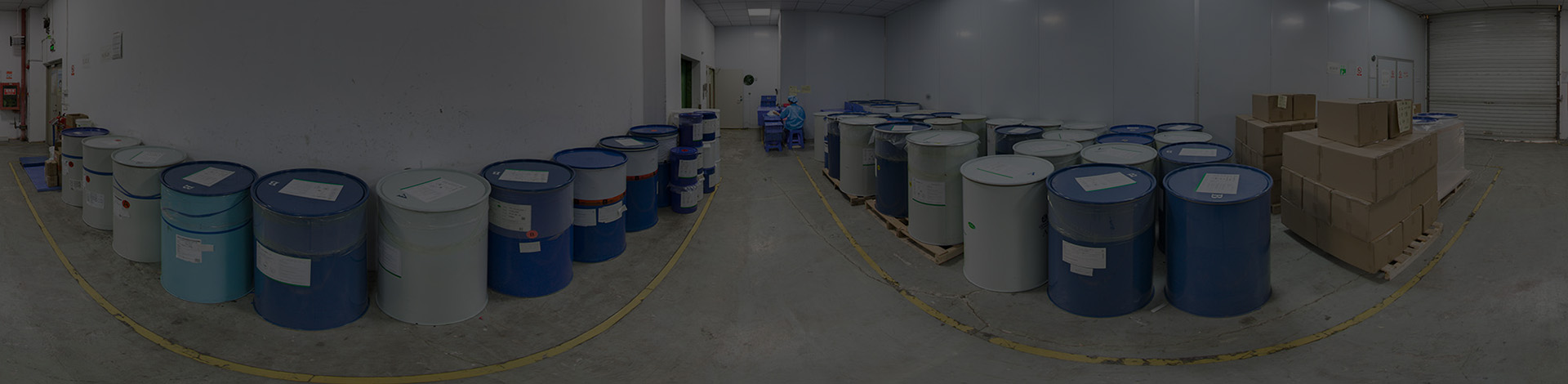
We specialize in Liquid Silicone Rubber (LSR) and High-Temperature Vulcanized (HTV) silicone Compression molding, offering end-to-end custom manufacturing services. Our product portfolio covers a wide spectrum of industries, including:
Food-grade silicone items such as nipples, pacifiers, and feeding utensils including hospital-grade silicone spoons for pediatric care.
Medical-grade silicone components for devices, seals, and clinical feeding accessories meeting ISO 13485 and FDA standards.
Heat-resistant, non-toxic silicone kitchen tools, bakeware, and home accessories for consumer markets worldwide.
Durable silicone seals, gaskets, connectors, and protective components for demanding industrial applications.
We adhere to international quality standards and hold certifications including ISO 9001:2015, ISO 13485, FDA, LFGB, and RoHS. Our manufacturing processes are regularly audited to ensure compliance with safety and environmental regulations. We place utmost importance on protecting clients' intellectual property and proprietary information, implementing strict confidentiality protocols throughout every project phase.
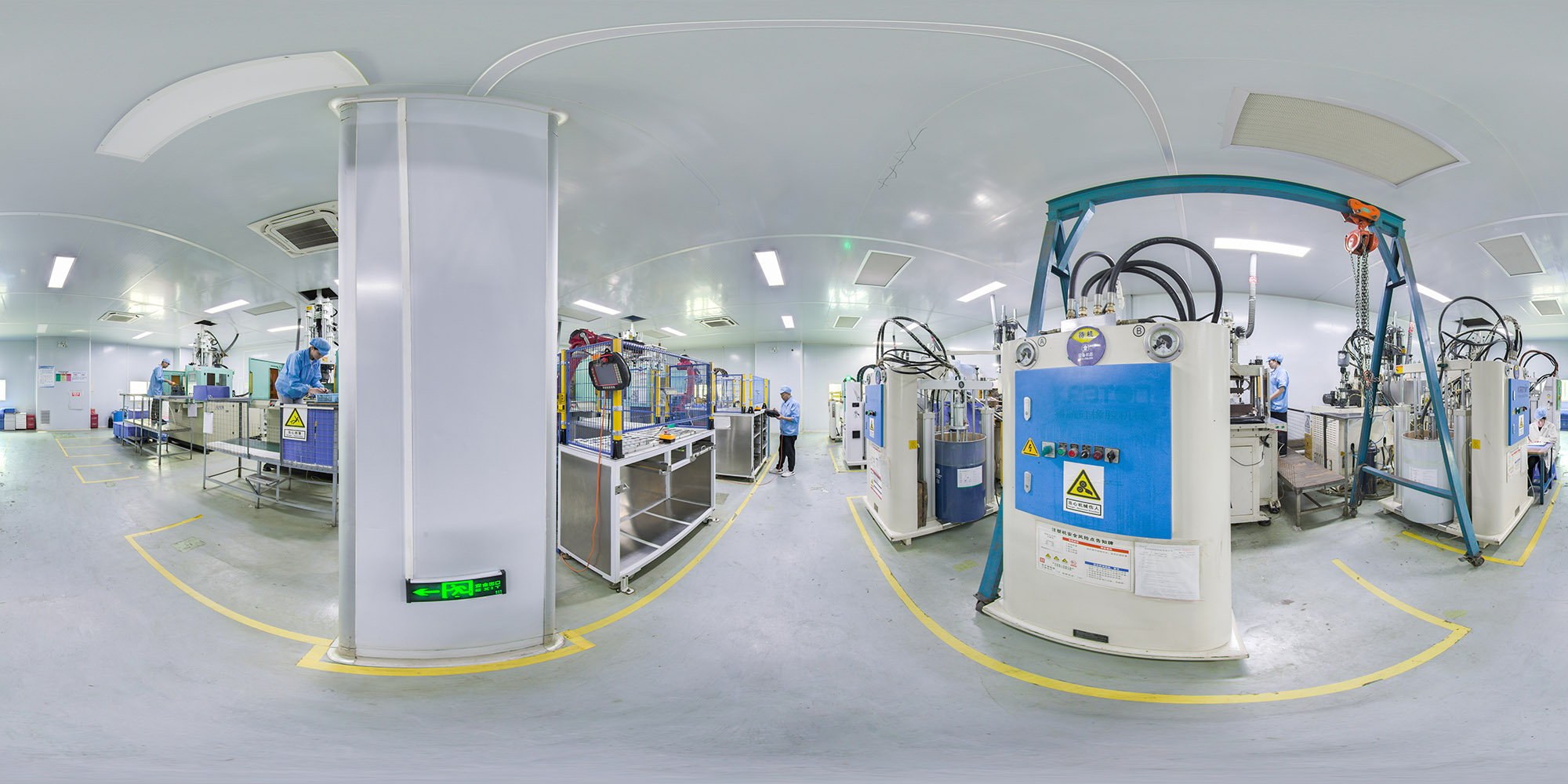
20 years of focused experience in silicone product manufacturing for medical and pediatric applications.
Advanced LSR/HTV molding and multi-material overmolding capabilities for precision clinical products.
Certified production with rigorous quality control systems meeting global hospital procurement standards.
Secure handling of client designs, custom formulations, and proprietary business information.
Dedicated to delivering tailored solutions, on-time delivery, and exceptional after-sales support.
Looking ahead, Kingod aims to further innovate in eco-friendly and high-precision silicone applications, particularly in the medical, automotive, and consumer electronics sectors. We are expanding our R&D team and automation capabilities to enhance efficiency and product versatility. Our vision is to become a globally recognized silicone solutions provider, driven by technology, sustainability, and customer-centric values.
For pediatric clinics and hospitals specifically, Kingod is developing next-generation silicone spoon systems incorporating antimicrobial silicone formulations, RFID-trackable handles for asset management, and ergonomic designs validated through clinical usability studies — positioning us as the preferred OEM partner for leading pediatric healthcare institutions worldwide.
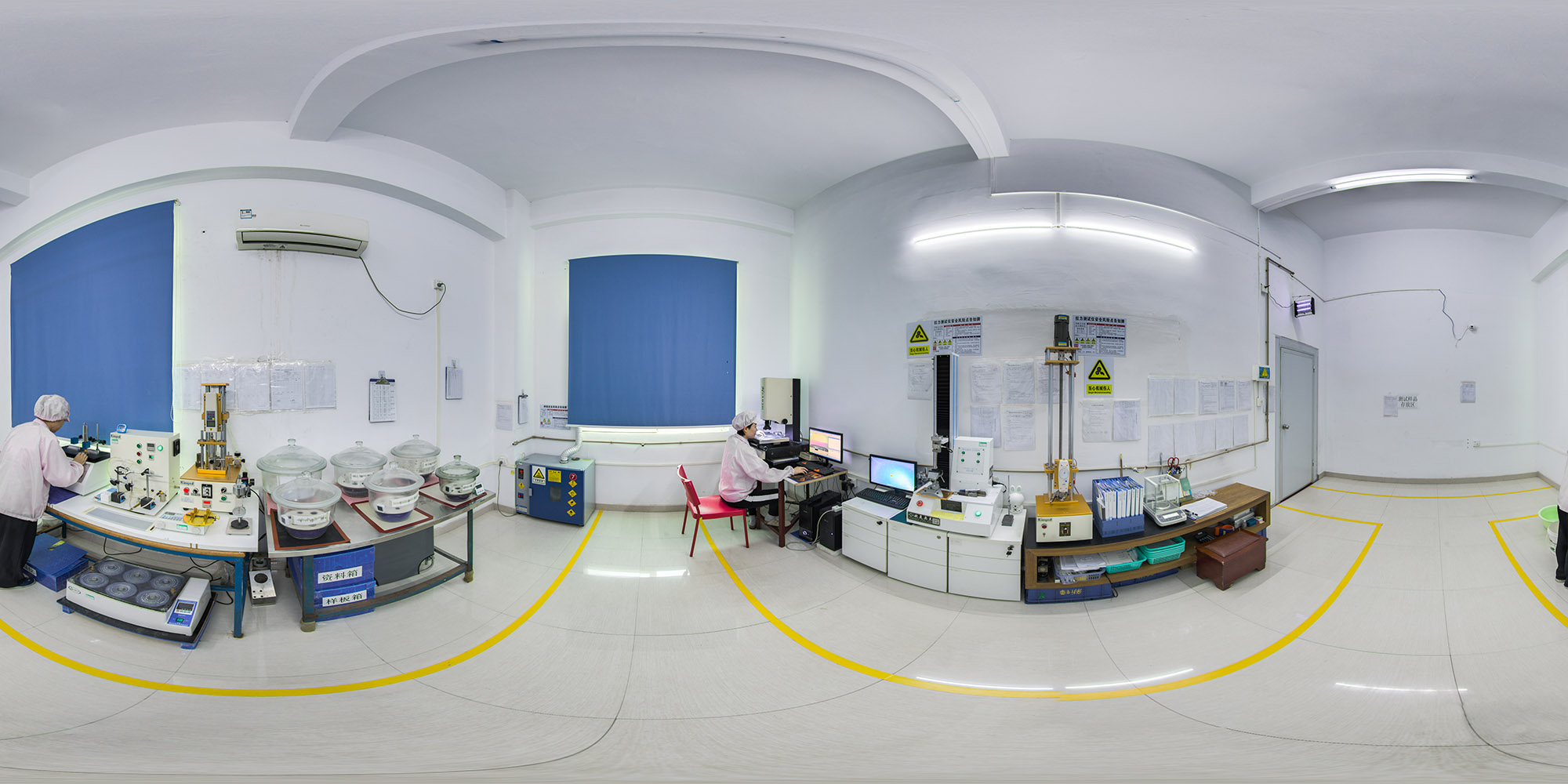
Our full range of medical-grade and food-grade silicone products for hospitals, clinics, and infant care.
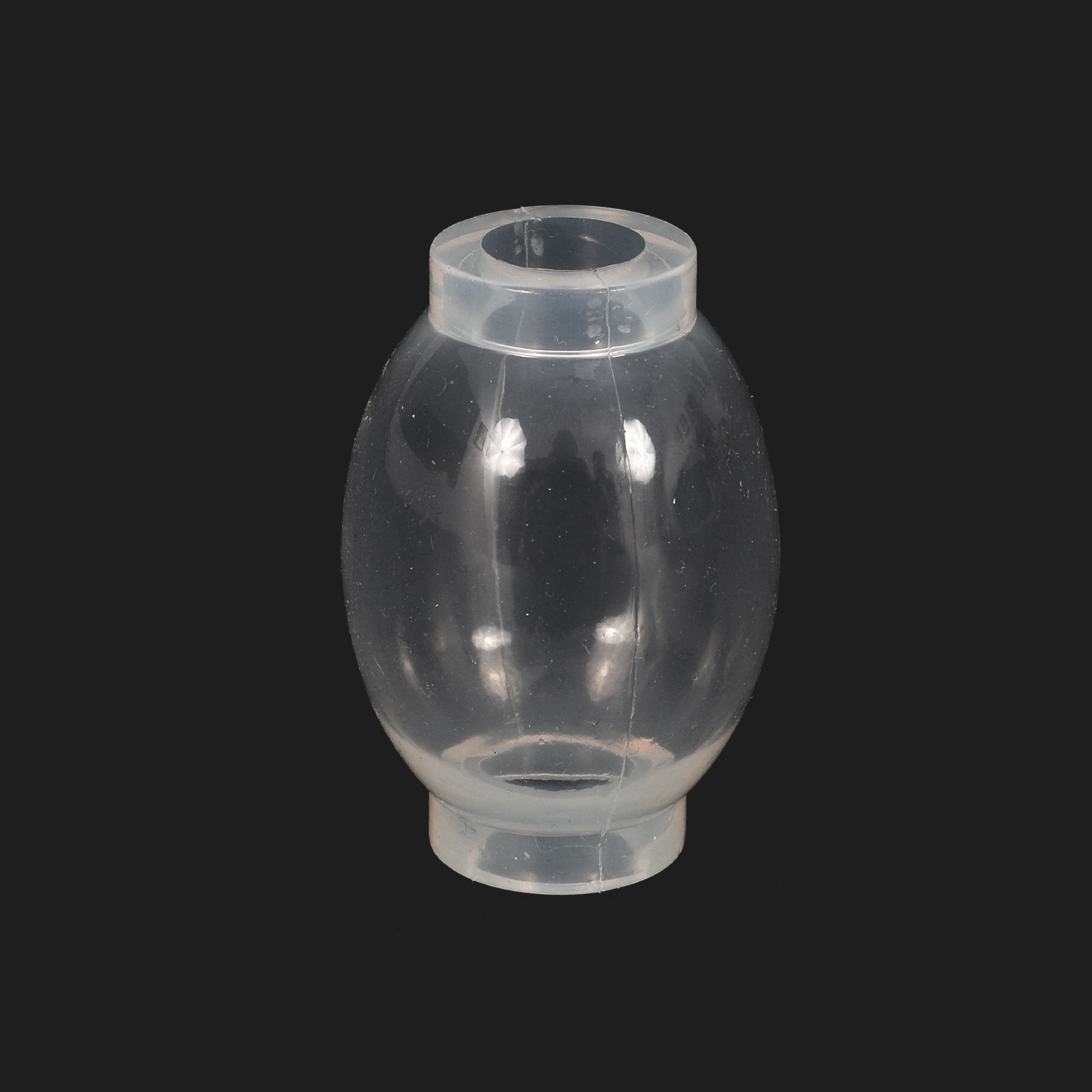 Custom Medical-Grade Silicone Components for Pediatric Devices
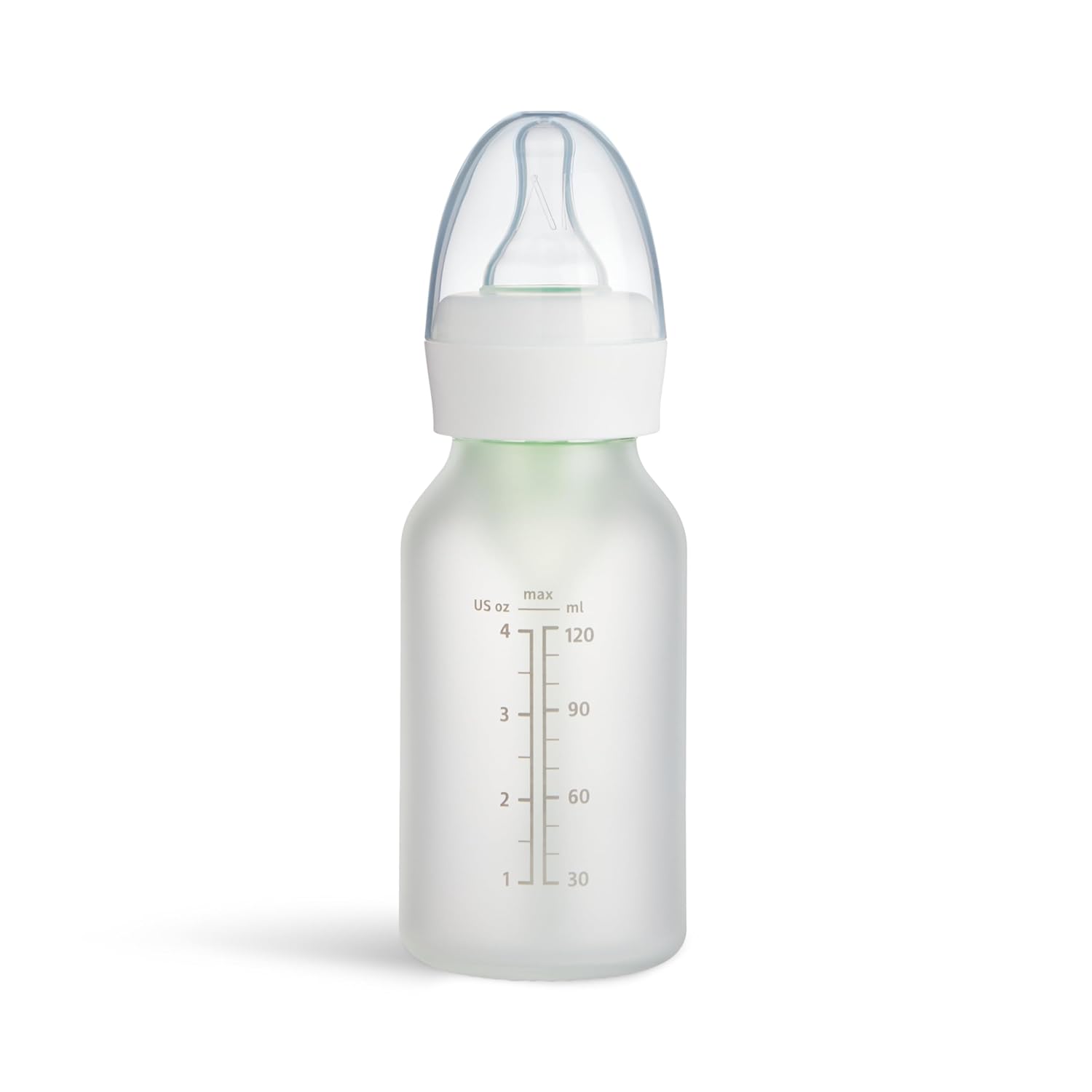 Silicone Nipple Baby Bottle - Silicone Coated Glass Bottle
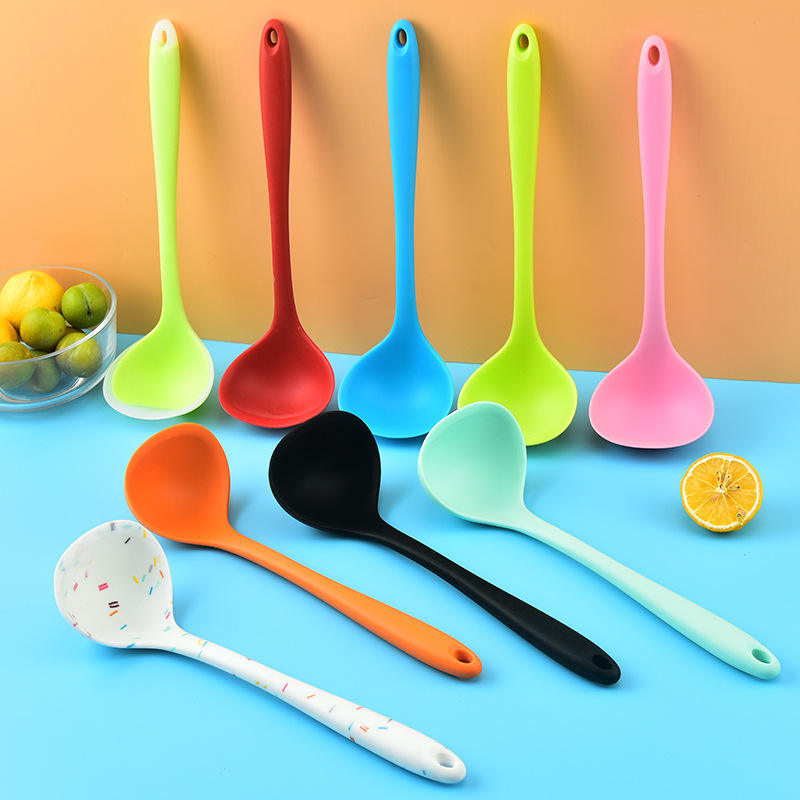 Silicone Spoon for Pediatric Hospital Feeding – Soft Spatula Design
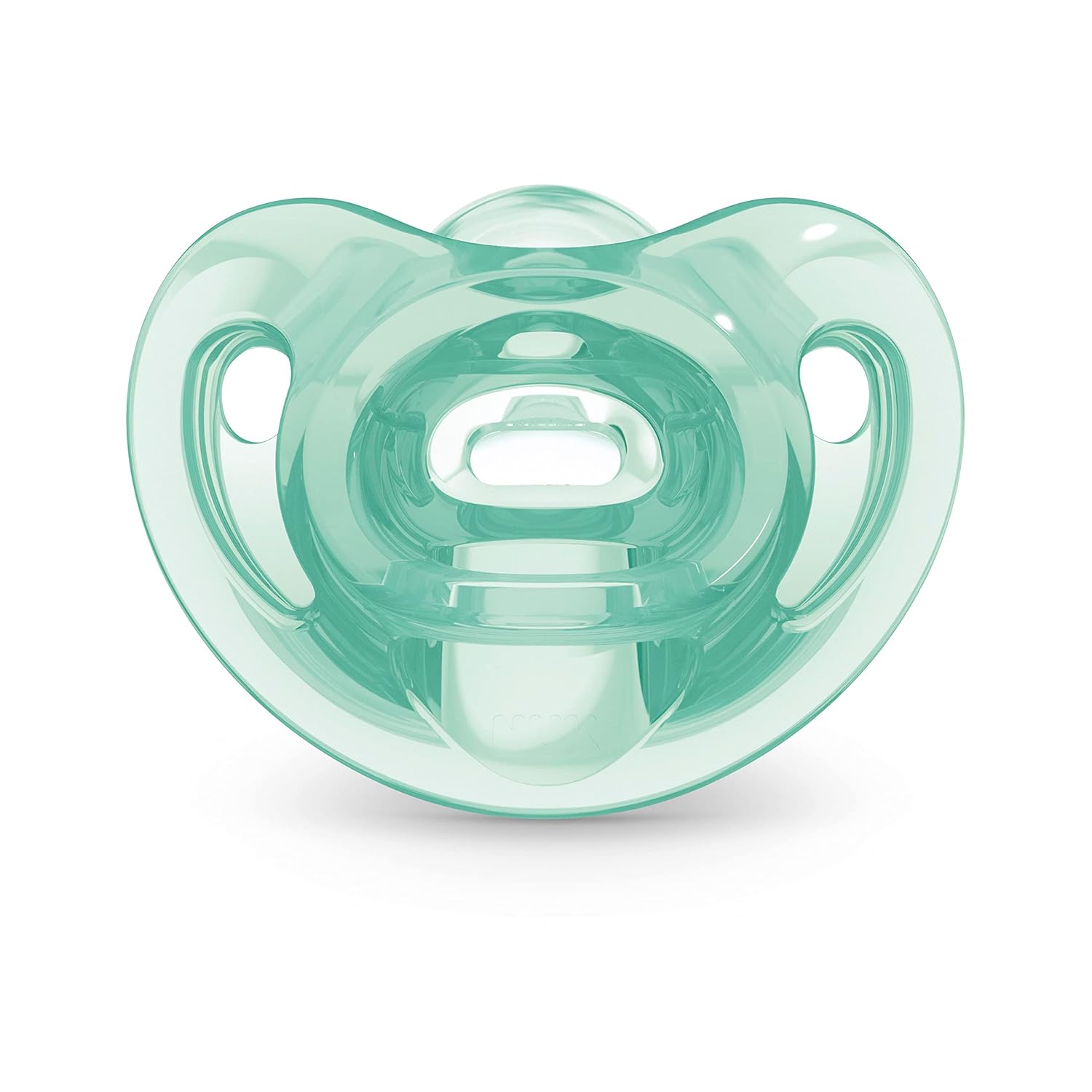 Custom BPA Free Silicone Baby Pacifier for Clinical Use
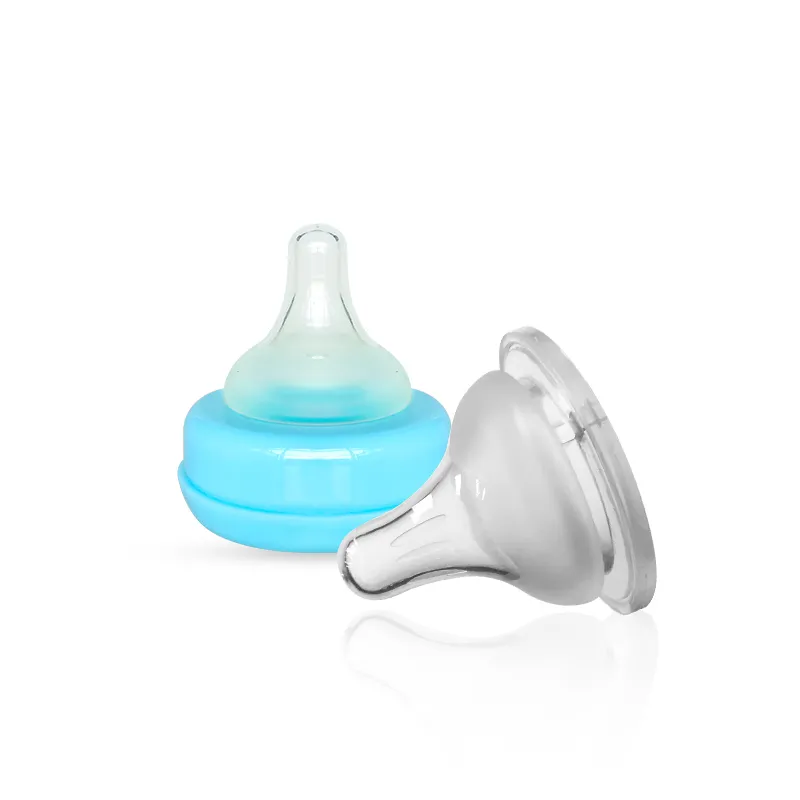 Wholesale Soft Baby Care Silicone Custom Baby Bottle Nipple
 Custom Silicone Overmolding for Medical Device Handles
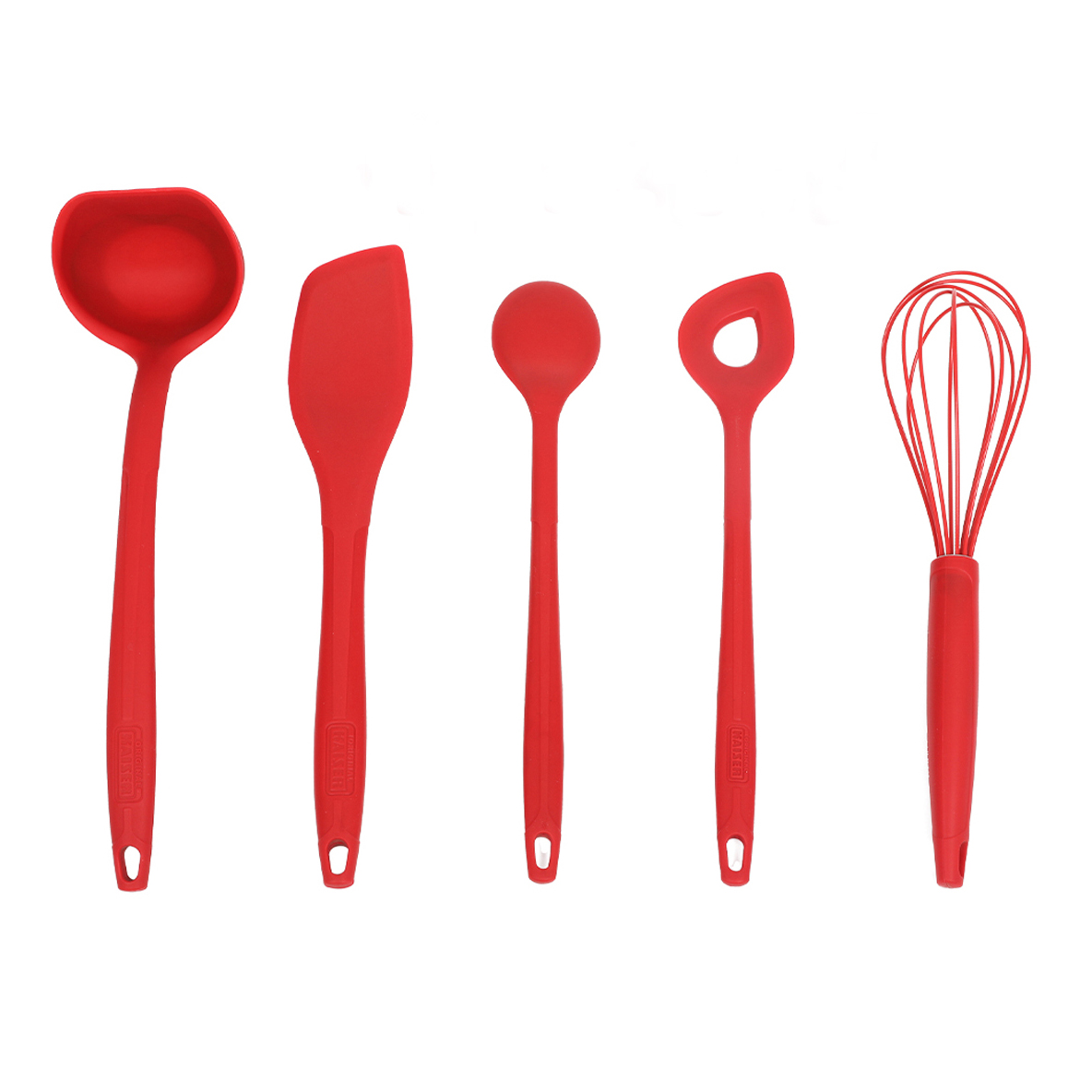 Custom Heat Resistant Silicone Spatula for Hospital Kitchen Use
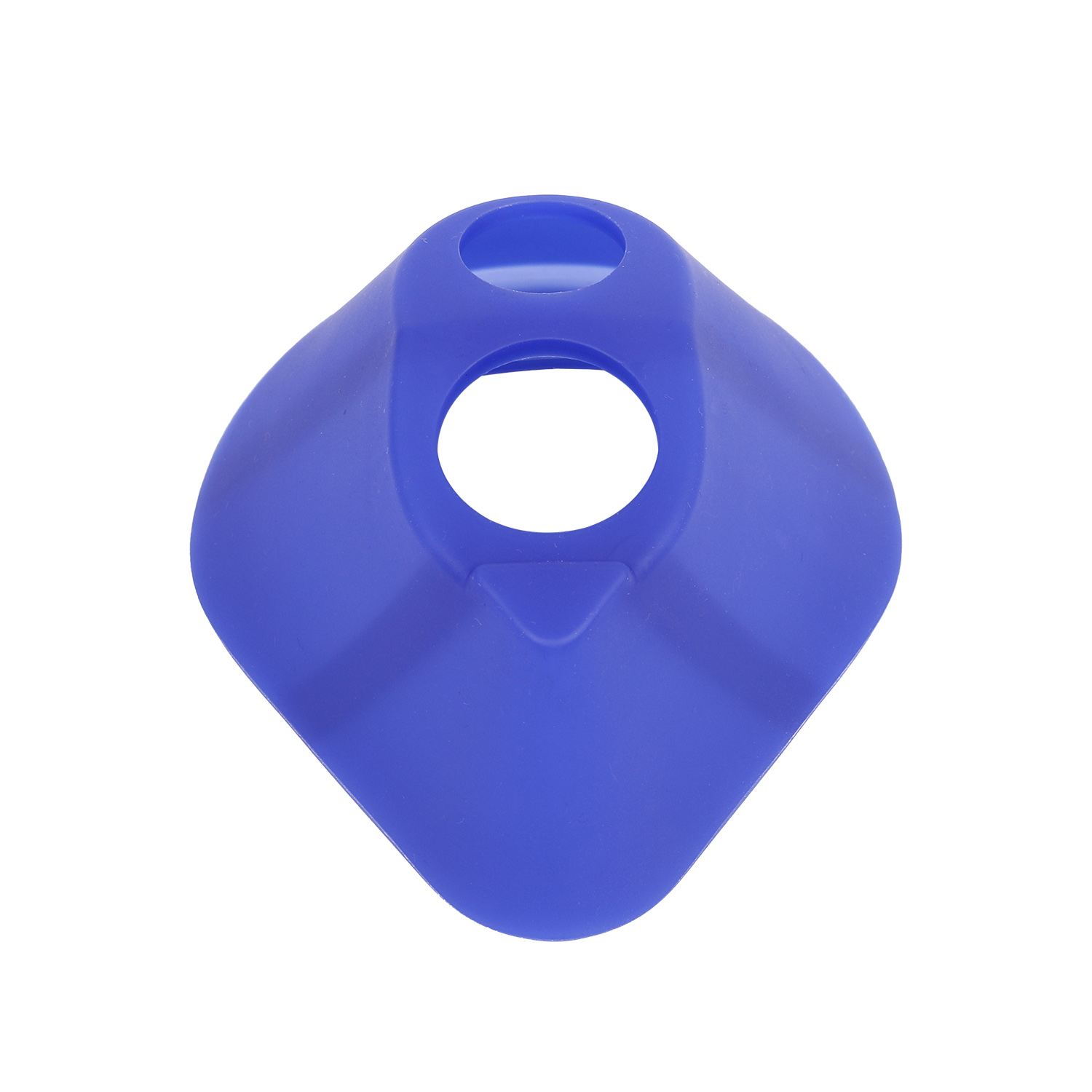 Custom Medical Silicone Mask Production for Pediatric Respiratory Care