
- Home
- Products
- Company
- Case Study
- News
- Contact Us
Leave Your Message
Explore our most-requested precision silicone products engineered for medical device integration, clinical fluid management, and sterile fluid transfer applications.
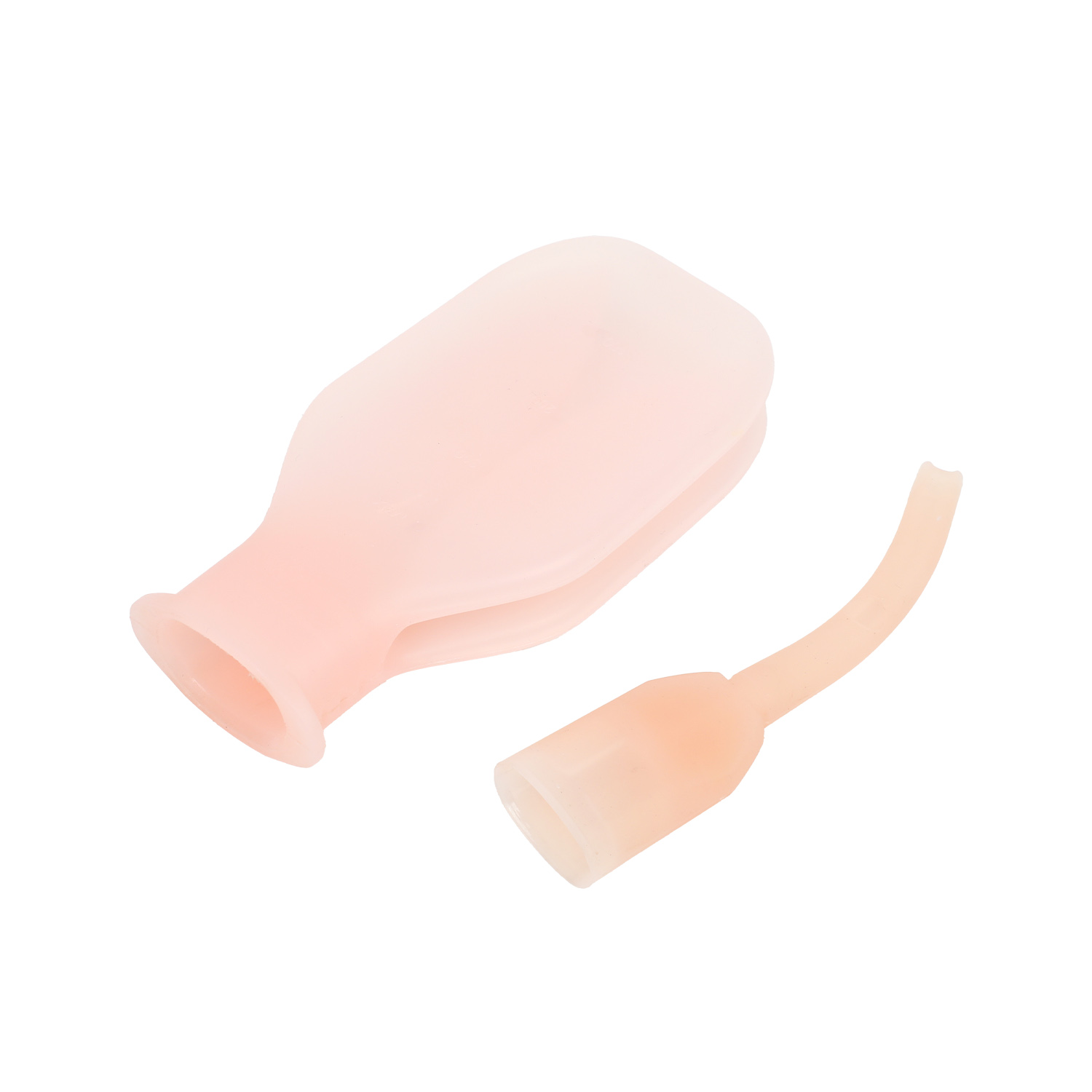
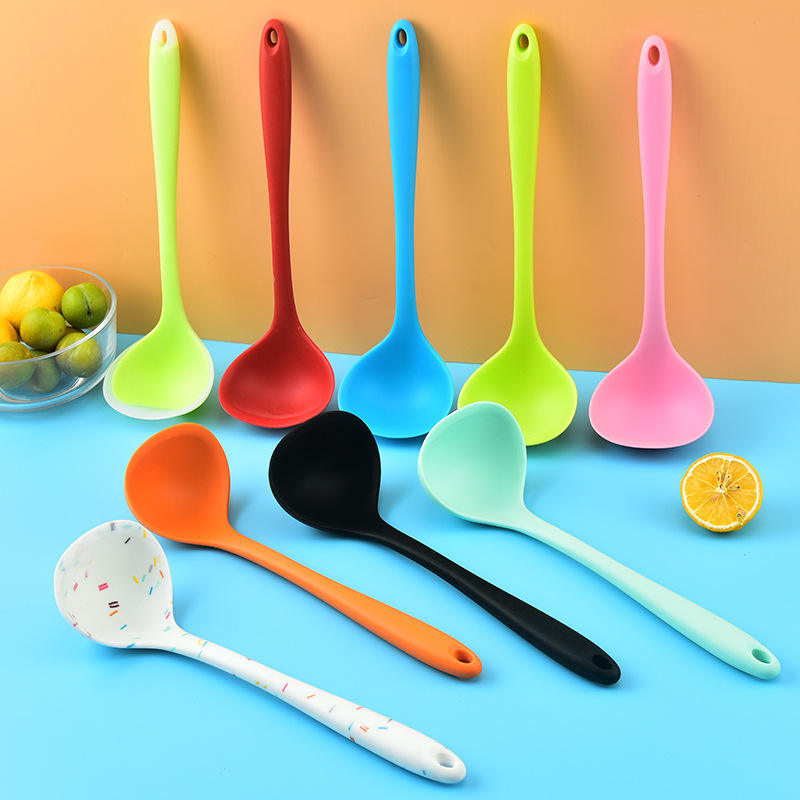

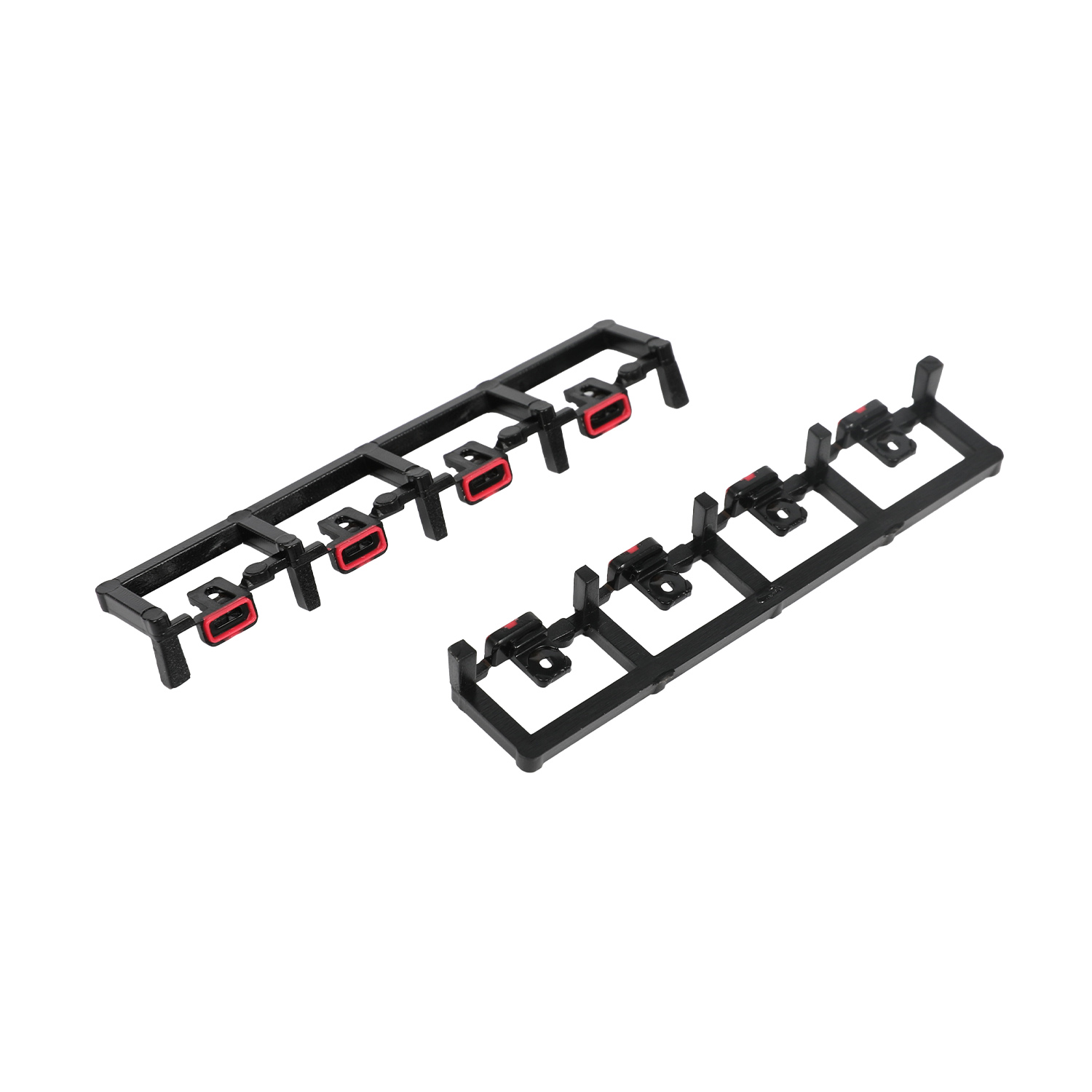
A medical-grade silicone straw is a precisely engineered tubular component fabricated from platinum-cured, biocompatible liquid silicone rubber (LSR). Unlike conventional drinking straws, these components are designed to withstand the rigorous demands of medical device integration — from sterile fluid delivery systems and enteral feeding tubes to respiratory therapy equipment and infusion management devices.
Medical silicone straws must comply with international biocompatibility standards such as ISO 10993, USP Class VI, and FDA 21 CFR Part 177.2600. Their inherent properties — chemical inertness, thermal stability from -60°C to +230°C, flexibility, and non-porous surface — make them irreplaceable in clinical environments where patient safety is paramount.
The medical silicone components market is experiencing accelerated growth driven by aging populations, chronic disease management needs, and the global push for single-use, contamination-free medical devices.
The global medical silicone market is projected to surpass USD 3.2 billion by 2028, growing at a CAGR of over 8.5%. Silicone tubing and straw components represent one of the fastest-growing sub-segments, driven by demand from enteral nutrition, infusion therapy, and minimally invasive surgical equipment manufacturers.
China has emerged as the world's leading manufacturing hub for medical silicone components, combining advanced LSR injection molding capabilities with competitive pricing. Manufacturers like Kingod in Shenzhen offer vertically integrated production — from raw material compounding to finished sterile-packaged components — reducing lead times and quality risks.
Medical device manufacturers globally must navigate FDA 510(k) clearance, CE marking under EU MDR 2017/745, and China's NMPA registration. Sourcing silicone straw components from ISO 13485-certified manufacturers is critical to maintaining compliance across all major markets and accelerating time-to-market for new device programs.
Next-generation medical silicone straws now incorporate antimicrobial additives, fluoropolymer-coated inner lumens for improved fluid flow, and self-sealing valve geometries. These innovations respond directly to clinical feedback demanding reduced infection risk and improved patient compliance in long-term care settings.
Healthcare systems worldwide are re-evaluating single-use plastics. Silicone straws are gaining significant traction as a sustainable alternative — durable enough for reusable applications, yet sterilizable and inert enough to meet clinical standards. Many OEMs are transitioning device designs from PVC tubing to platinum-cured silicone as a long-term ESG strategy.
Medical device companies increasingly prefer strategic long-term OEM partnerships with silicone component manufacturers rather than transactional purchasing. This enables design-for-manufacturability collaboration, dedicated tooling ownership, blanket order agreements, and supply chain security — all critical factors for regulated medical device production.
Medical silicone straws are far more than simple tubes. In clinical and device contexts, they serve as precision flow-control elements, patient interface components, and sterile fluid pathway conduits — each application demanding unique material specifications and manufacturing precision.
From hospital bedside devices to advanced surgical platforms, silicone straws play a critical enabling role across a diverse range of clinical and therapeutic applications.
Silicone straws and tubing are core components in nasogastric (NG) tubes, PEG feeding systems, and neonatal nutrition delivery devices. Medical-grade silicone's biocompatibility with gastric fluids, resistance to enzymatic degradation, and softness for patient comfort make it the material of choice for prolonged enteral feeding applications.
In IV administration sets, peristaltic pump tubing, and drug infusion systems, silicone straws enable precise volumetric flow rates. Their elastic memory properties allow peristaltic pumps to achieve highly accurate and repeatable drug delivery — critical in oncology, ICU, and home infusion therapy contexts.
CPAP/BiPAP humidification systems, nebulizers, and incentive spirometers rely on silicone straw components for air and aerosol pathway management. Silicone's hydrophobic surface prevents moisture accumulation that could harbor bacteria, while its flexibility enables comfortable patient-interface designs.
Post-operative wound drainage systems, surgical suction devices, and trocar sealing components utilize precision silicone straws. Their ability to maintain lumen integrity under negative pressure, combined with biocompatibility in tissue contact applications, makes them essential for single-use and reusable surgical hardware platforms.
For patients with dysphagia, neurodegenerative conditions, or post-surgical oral limitations, specialized silicone straws with controlled flow-resistance designs support safe swallowing and independent hydration. These components integrate into adaptive drinking cups and automated hydration monitoring systems used in hospital and long-term care facilities.
In microfluidic diagnostic devices, automated liquid handling systems, and point-of-care testing platforms, silicone microchannel components and capillary straws are used for precise specimen transport and reagent delivery. Their chemical compatibility with a broad range of biological matrices and reagents makes them ideal for high-throughput laboratory environments.
The silicone straw and medical tubing sector is being reshaped by converging forces in materials science, digital manufacturing, and evolving clinical care models.
Emerging research is embedding micro-sensors within silicone straw walls to enable real-time flow monitoring, temperature sensing, and patient compliance tracking. These smart silicone components will enable connected medical devices to deliver remote patient monitoring data directly to clinical teams — transforming passive fluid delivery components into active diagnostic tools.
As regulatory scrutiny of extractables and leachables intensifies under FDA and EMA guidelines, silicone manufacturers are developing ultra-high purity LSR grades with certified minimal chemical profiles. These formulations are particularly critical for oncology drug delivery systems where trace compound interactions could compromise treatment efficacy.
3D-printed silicone tooling and direct silicone printing technologies are dramatically reducing prototype lead times from weeks to days. For medical device OEMs, this accelerates design iteration cycles and enables small-batch production of highly customized silicone straw geometries without prohibitive tooling investments in early development phases.
Silver-ion and zinc-oxide incorporated silicone formulations, as well as plasma surface treatments, are being applied to medical silicone straws to create inherently antimicrobial surfaces. These technologies are particularly valuable in long-dwell catheters, reusable respiratory circuits, and enteral feeding systems where biofilm formation is a persistent clinical challenge.
Post-pandemic supply chain disruptions have accelerated OEM diversification strategies. Leading medical device companies are establishing dual-qualified supplier relationships — maintaining primary manufacturing partnerships in China for cost efficiency while qualifying nearshore suppliers. This has driven Chinese manufacturers like Kingod to invest in enhanced documentation, digital quality systems, and English-speaking technical teams to support global OEM qualification requirements.
Chemical depolymerization and thermochemical recycling processes for silicone are advancing toward commercial viability. Medical device manufacturers are beginning to specify "design for recyclability" requirements in their silicone component sourcing criteria. This trend is driving material suppliers and component manufacturers to adopt closed-loop silicone recovery programs aligned with circular economy principles.
We specialize in Liquid Silicone Rubber (LSR) and High-Temperature Vulcanized (HTV) silicone compression molding, offering end-to-end custom manufacturing services across key industries.
Food-grade silicone items such as nipples, pacifiers, and feeding utensils — all BPA-free and compliant with EN 1400 and ASTM F963 standards.
Medical-grade silicone components for devices, seals, tubing, and straw assemblies compliant with ISO 13485 and FDA requirements.
Heat-resistant, non-toxic silicone kitchen tools, bakeware, and home accessories meeting LFGB and FDA food contact standards.
Durable silicone seals, gaskets, connectors, and protective components engineered for automotive, electronics, and industrial machinery applications.
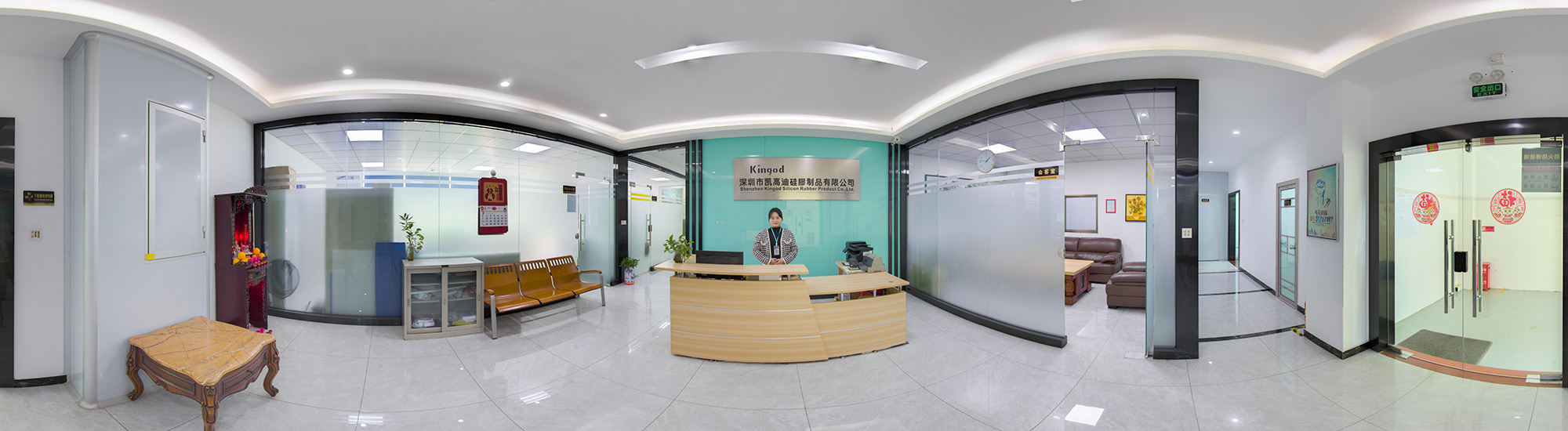
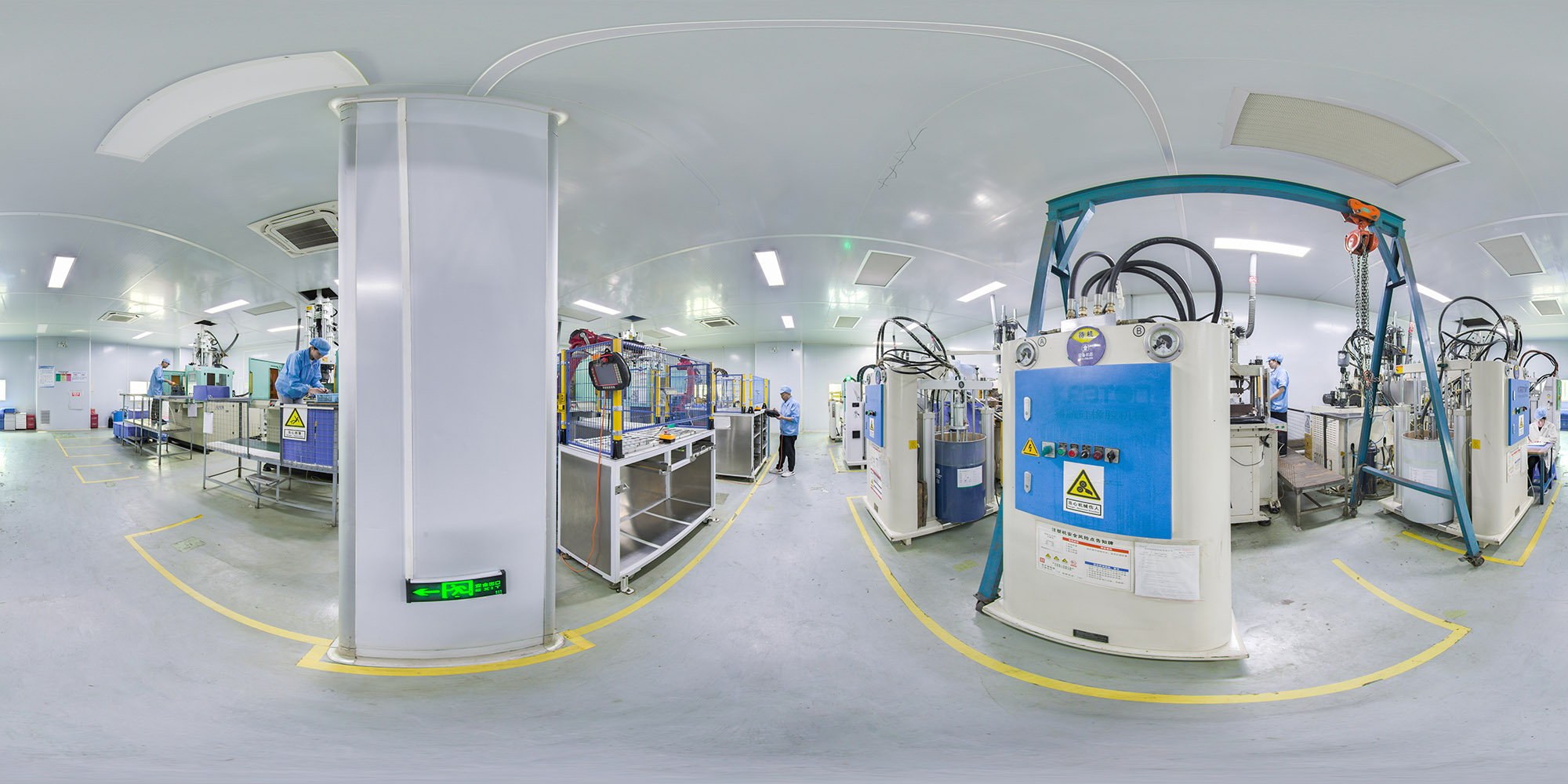
We adhere to international quality standards and hold certifications including ISO 9001:2015, ISO 13485, FDA, LFGB, and RoHS. Our manufacturing processes are regularly audited to ensure compliance with safety and environmental regulations.
We place utmost importance on protecting clients' intellectual property and proprietary information, implementing strict confidentiality protocols throughout every project phase — from NDA execution through tooling development to volume production and shipping.
Medical device manufacturers across North America, Europe, and Asia-Pacific choose Kingod as their trusted silicone component partner for five core reasons.
20 years of focused experience in silicone product manufacturing for medical, consumer, and industrial applications.
Advanced LSR/HTV molding and multi-material overmolding capabilities with automated quality inspection systems.
Certified production with rigorous quality control systems, full traceability, and batch documentation for medical device files.
Secure handling of client designs and business information with legally binding NDA protocols and restricted factory access policies.
Dedicated to delivering tailored solutions, on-time delivery, and exceptional after-sales support throughout your product lifecycle.
Kingod Silicone Products Co., Ltd. is a custom silicone manufacturer established in 2006. We specialize in precision silicone products and use automated production equipment to improve consistency and product quality for global customers.
Since its establishment, Kingod has focused on advancing silicone processing technologies and expanding production capabilities. Headquartered in Shenzhen, Guangdong Province, the company operates from a modern factory spanning over 3,000 square meters, equipped with state-of-the-art machinery and a skilled workforce. Over the years, Kingod has built a reputation for excellence through continuous technological investment and strict quality management.
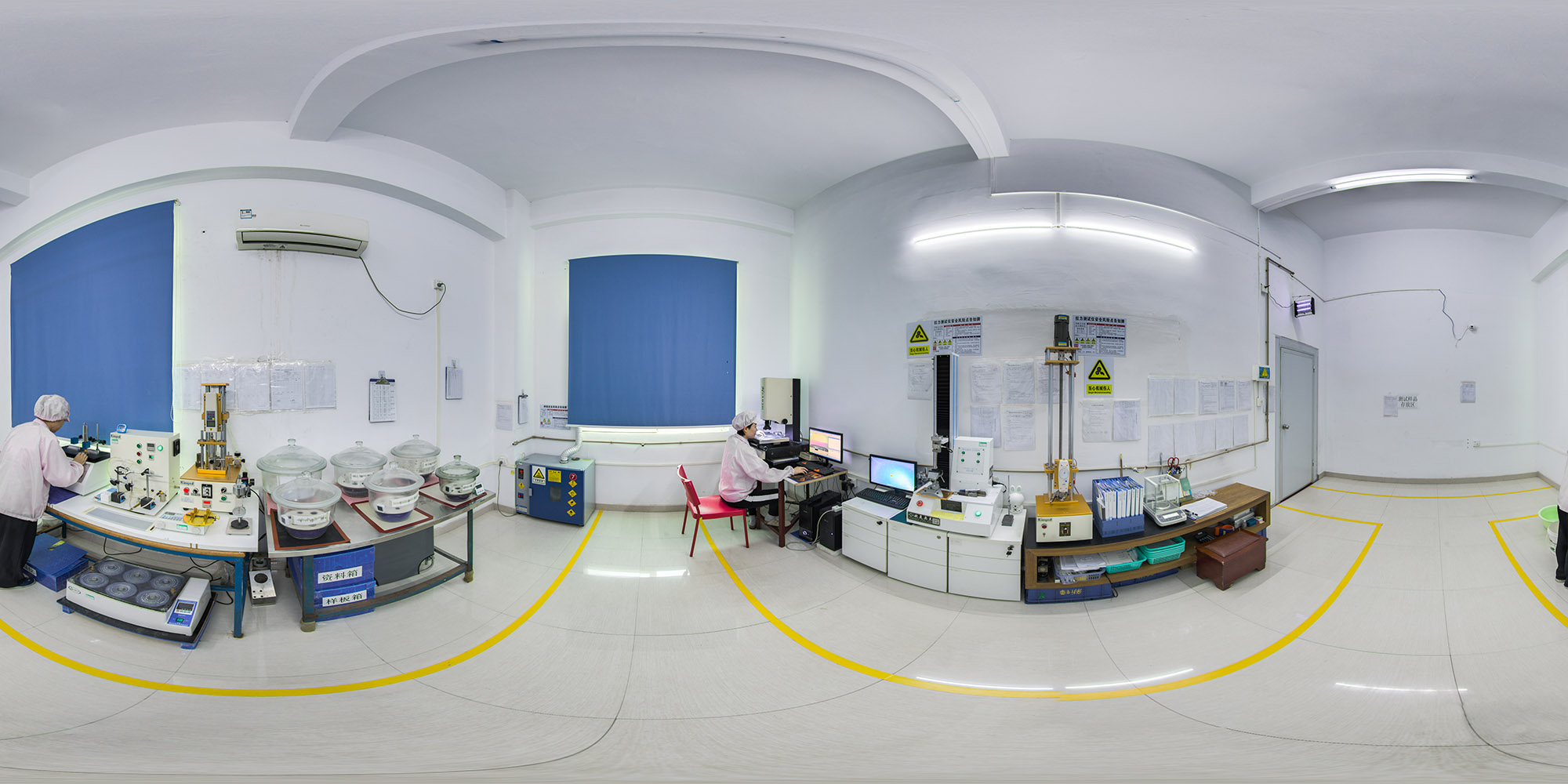
Looking ahead, Kingod aims to further innovate in eco-friendly and high-precision silicone applications, particularly in the medical, automotive, and consumer electronics sectors. We are expanding our R&D team and automation capabilities to enhance efficiency and product versatility.
Our vision is to become a globally recognized silicone solutions provider, driven by technology, sustainability, and customer-centric values. For medical device manufacturers specifically, we are investing in cleanroom-grade LSR molding capacity, advanced metrology equipment, and ISO 13485-aligned quality management digital systems to support our partners' growing regulatory compliance demands.
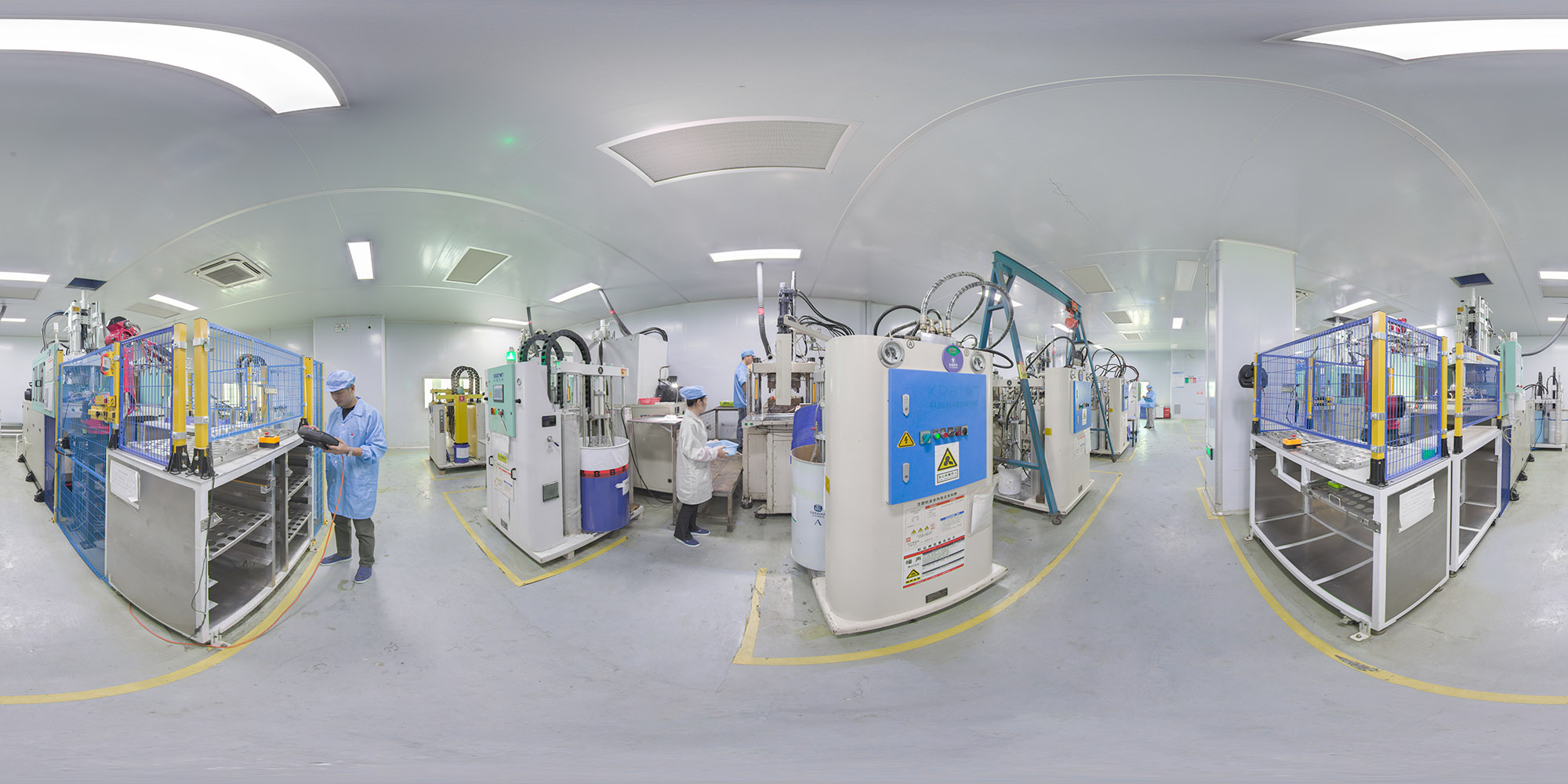
Our Shenzhen facility integrates automated LSR injection molding lines, CNC mold machining, cleanroom assembly areas, and in-house testing laboratories under one roof. This vertical integration enables us to maintain the highest quality standards while providing competitive lead times for both prototyping and high-volume production runs.
For medical device manufacturers, we offer dedicated production lines, comprehensive first-article inspection (FAI) documentation, process FMEAs, and full material certifications — everything needed to support your design history file (DHF) and device master record (DMR) requirements.
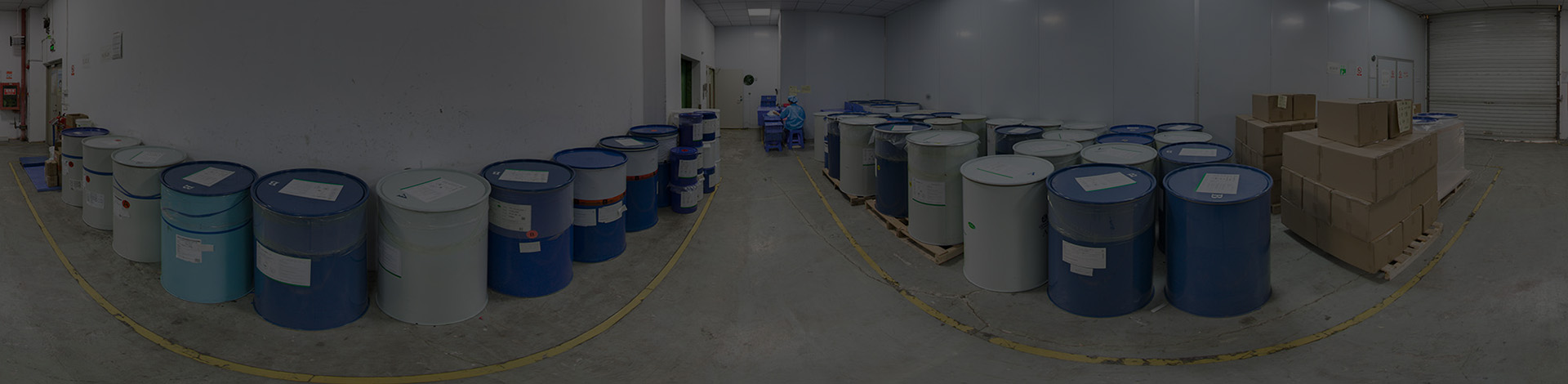
From precision medical components to consumer silicone goods, our full product portfolio demonstrates our versatile LSR and HTV molding expertise across all major application categories.
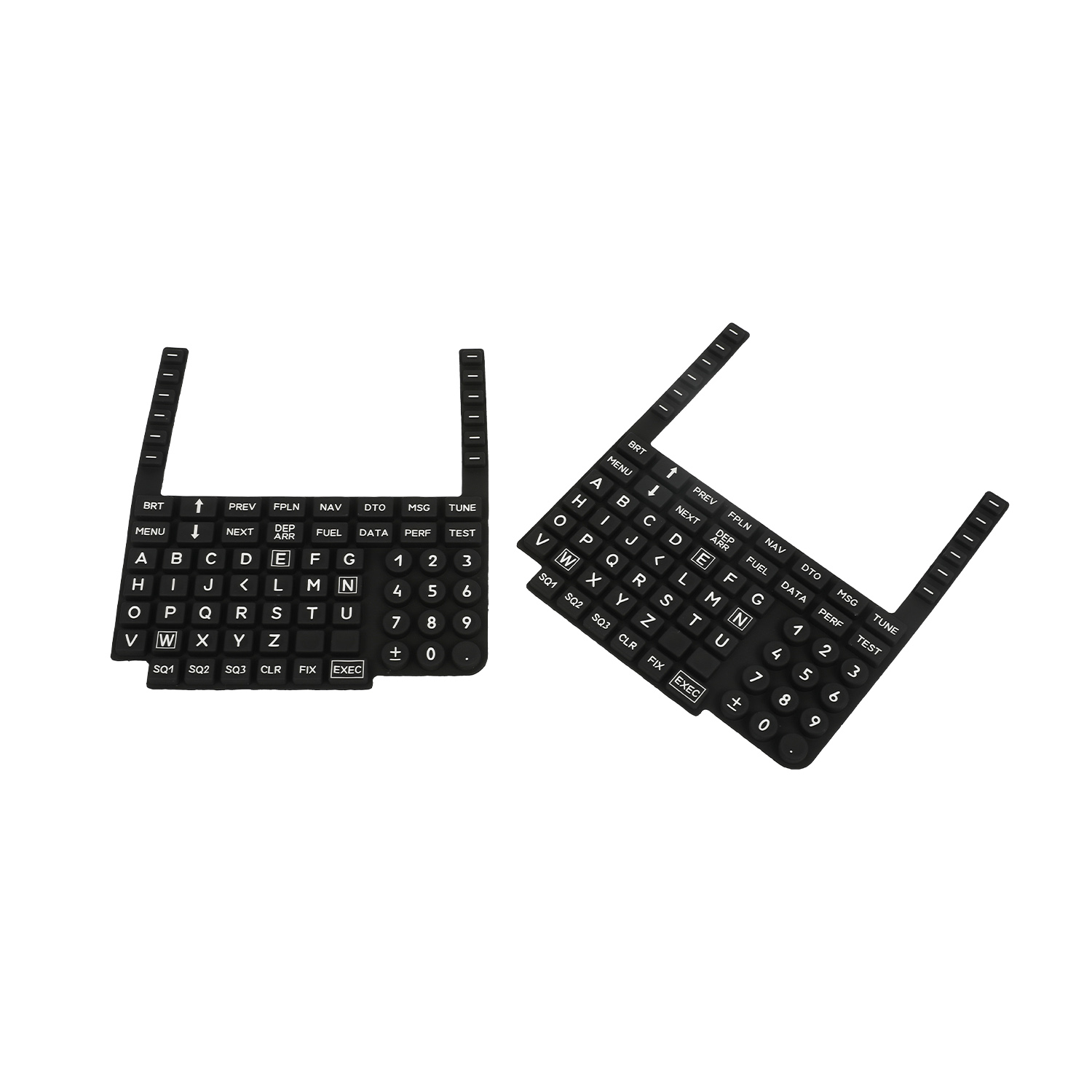
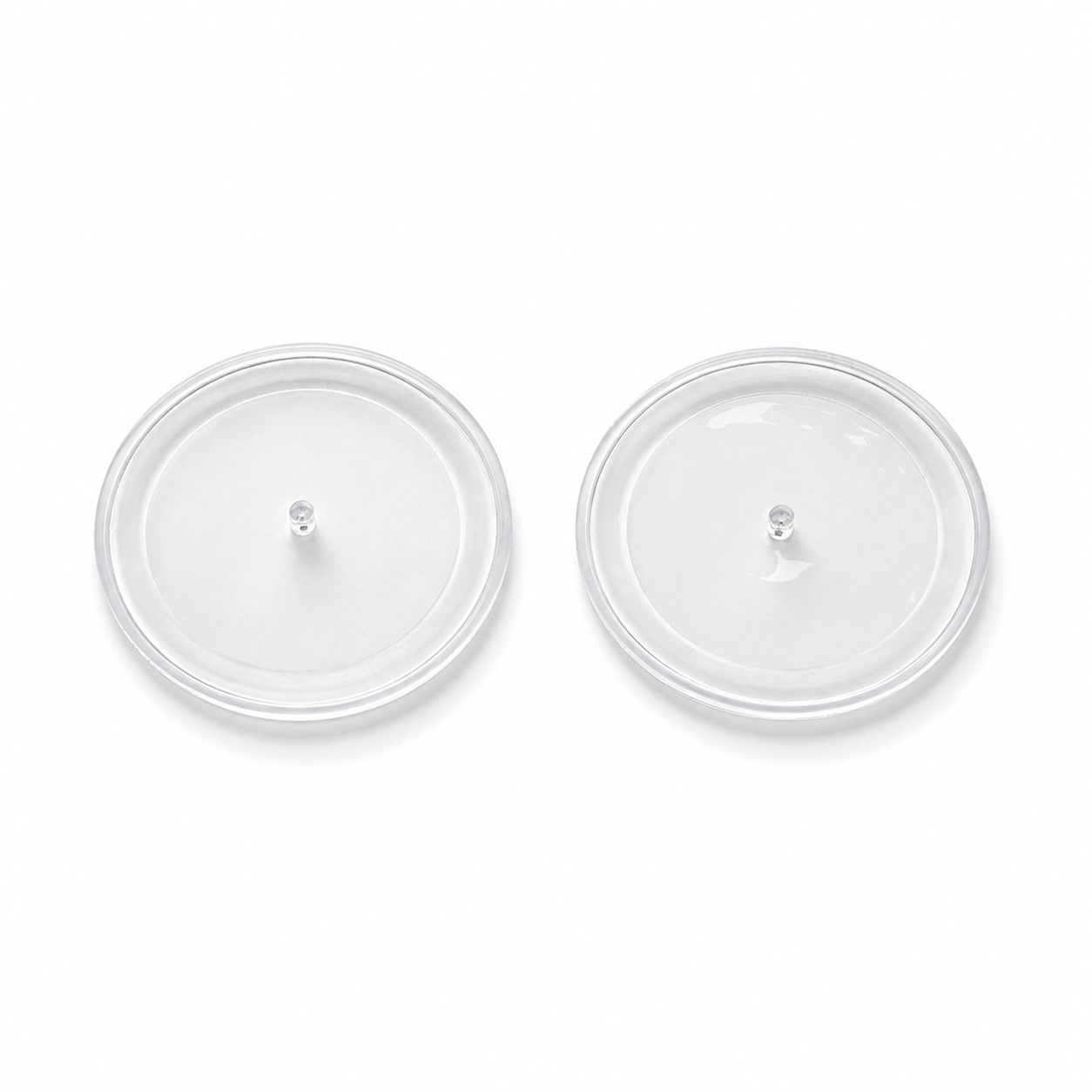
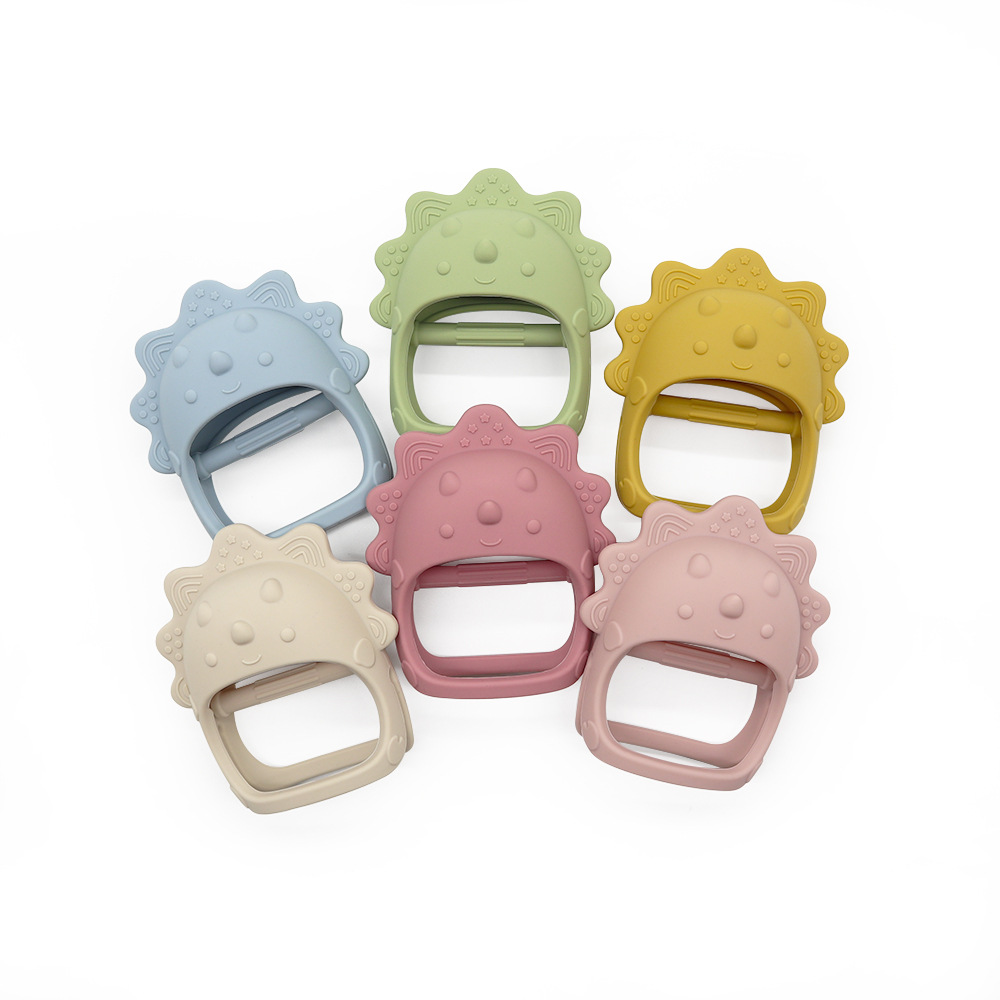
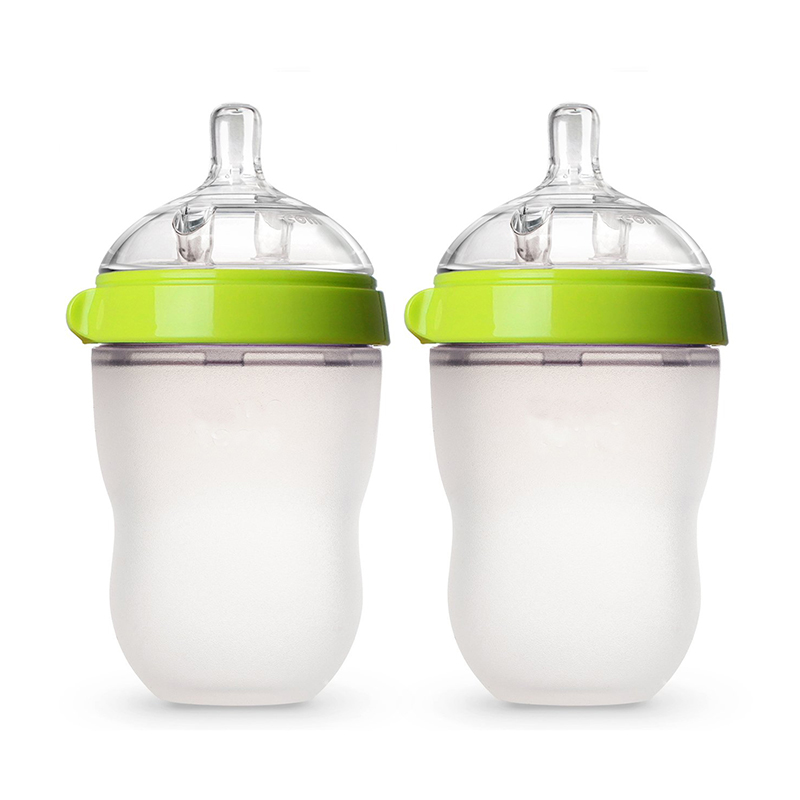
Partner with Kingod Silicone — ISO 13485 certified, FDA-compliant, and trusted by medical device manufacturers in 50+ countries. Share your specifications today and receive a detailed technical proposal and competitive quotation within 24 hours.
Request a Custom Quote →