
- Home
- Products
- Company
- Case Study
- News
- Contact Us
Leave Your Message
Explore our precision silicone products engineered for medical device manufacturers, infant care, and healthcare OEM applications.
The global silicone teething product market has undergone a profound transformation over the past decade, evolving from a niche infant-care segment into a strategically significant component category within the broader medical device manufacturing industry. Valued at over USD 1.2 billion in 2024 and projected to surpass USD 2.1 billion by 2030, the sector is being driven by rising parental awareness of material safety, stricter regulatory frameworks, and accelerating demand from OEM medical device brands across North America, Europe, and Asia-Pacific.
For medical device manufacturers, silicone teething components represent far more than infant chew toys. They are precision-engineered silicone parts that must comply with the same rigorous material science standards as surgical instruments, respiratory seals, and implantable device coatings. The raw material — platinum-cured, food-grade, and biocompatible liquid silicone rubber (LSR) — sits at the intersection of infant safety, industrial chemistry, and precision manufacturing.
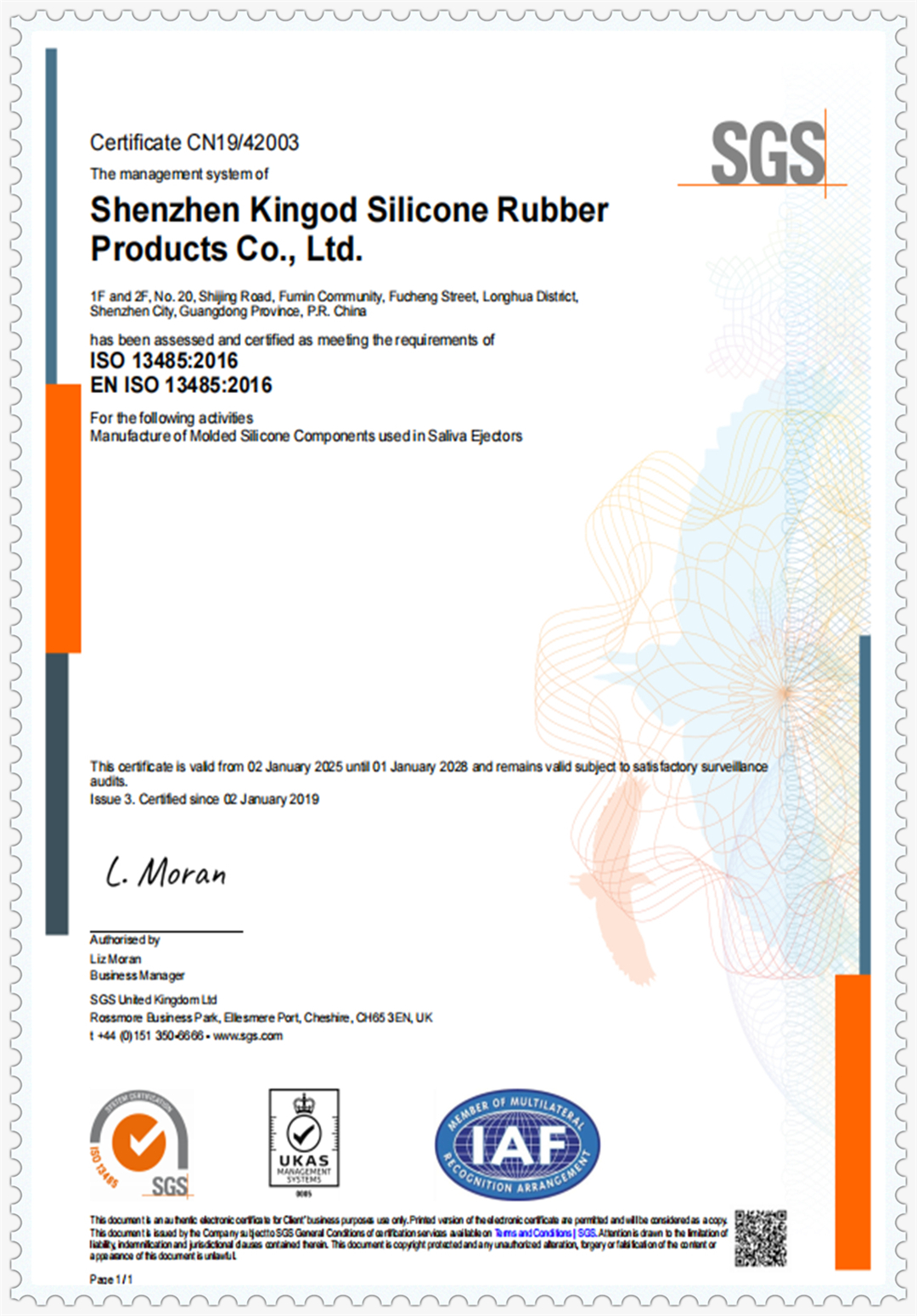
🔬 Key market driver: Medical device manufacturers increasingly specify ISO 13485-certified silicone teething suppliers to satisfy FDA 510(k) pre-market submissions and EU MDR (Medical Device Regulation) compliance requirements for infant oral-contact products.
The intersection of infant healthcare and precision silicone manufacturing is not accidental. Several commercial and regulatory trends are converging to make silicone teething a critical procurement category for medical OEM companies:
Unlike plastics or natural rubber, platinum-cured silicone exhibits exceptional biocompatibility. It is hypoallergenic, latex-free, and does not leach BPA, phthalates, or heavy metals — properties mandated by ISO 10993 (Biological Evaluation of Medical Devices). For manufacturers supplying hospital gift shops, pediatric departments, or maternity wards, using ISO 13485-compliant silicone teething components removes significant liability and simplifies regulatory submissions.
Silicone teething products sold into the EU must comply with EN 71-3 (toy safety), REACH regulations, and EU 10/2011 for food-contact materials. In the US, FDA 21 CFR 177.2600 governs rubber articles intended for repeated use with food. In China, GB 6675 standards apply. Manufacturers that source from vertically integrated silicone factories with multi-standard certification — such as Shenzhen Kingod Silicone Products Co., Ltd. — dramatically reduce time-to-market and regulatory risk across multiple geographies simultaneously.
Global supply chain disruptions since 2020 have accelerated a trend toward vertically integrated silicone manufacturing partnerships. Medical device OEMs are moving away from fragmented supplier networks — where raw material, compounding, molding, and finishing are handled by separate entities — toward single-source silicone manufacturers who can deliver end-to-end production transparency. This model is especially valuable for teething devices, where material traceability records must be maintained from raw silicone batch to finished product, as required by ISO 13485 clause 7.5.9.
From neonatal care to smart infant devices, silicone teething components are being applied across a broader spectrum of medical and healthcare manufacturing than ever before.
Medical device manufacturers producing orthodontic-stage teethers require silicone components with precisely calibrated Shore A hardness (typically 20–40A) to provide controlled resistance that promotes healthy jaw and gum development. Kingod's LSR injection molding enables ±0.05mm dimensional tolerance for complex multi-lobe geometries.
An emerging clinical application involves silicone teething components integrated with controlled-release topical analgesic chambers — allowing pre-filled, sealed silicone gel pockets to release benzocaine-free soothing agents during active chewing. These require LSR molding to ISO 10993-5 cytotoxicity standards.
Medical-grade teething devices that incorporate phase-change material (PCM) inserts within silicone shells are increasingly specified by pediatric medical device brands. The silicone outer layer must maintain structural integrity across -20°C to +180°C — a range where platinum-cured silicone excels above all alternative polymers.
IoT-integrated infant health monitoring devices now feature silicone teether housings that encapsulate bite-force sensors and Bluetooth microchips. Silicone's electrical insulation properties and EMI transparency make it the preferred encapsulant material for these next-generation pediatric medical devices.
Neonatal Intensive Care Units utilize ultra-soft silicone teething and oral stimulation devices to support premature infants' non-nutritive sucking development. These devices are classified as Class II medical devices in many jurisdictions and require platinum-cured silicone with full material traceability and sterilization compatibility.
Pediatric dental clinics and training facilities use calibrated silicone teething models for bite-force assessment and infant oral motor therapy. Custom-molded silicone phantoms matching specific eruption-stage dentition patterns are fabricated to medical-device tolerances for clinical reproducibility.
Leading medical device manufacturers are issuing RFQs specifically requesting silicone teething components derived from bio-based silica sources, with reduced carbon footprint certificates. While fully bio-derived silicone remains in development, compounders are increasingly blending conventional LSR with bio-route silane precursors. Manufacturers who establish early partnerships with certified sustainable silicone suppliers will gain first-mover advantage in European and North American markets where ESG procurement mandates are tightening.
The next generation of silicone teething products integrates multiple material layers through precision overmolding: rigid medical-grade polypropylene or ABS cores providing structural geometry, overmolded with soft LSR in dual-shot injection processes. This enables ergonomic handle designs, textured gum-stimulation surfaces, and sealed sensor chambers within a single, sterilizable assembly — eliminating adhesives and mechanical joints that present contamination risks in medical devices.
Post-pandemic infection control priorities have accelerated the development of silver-ion and zinc-oxide infused silicone compounds for teething products. These antimicrobial LSR formulations — maintaining efficacy through the product lifecycle without surface leaching — are being evaluated under ISO 22196 and are increasingly specified by hospital procurement teams for NICU and maternity unit supply contracts.
Medical device manufacturers are now requiring their silicone teething component suppliers to operate Industry 4.0-compliant production environments: real-time injection molding parameter monitoring, automated optical inspection (AOI) systems, digital quality records linked to batch traceability codes, and ERP-integrated production scheduling. Shenzhen Kingod's advanced manufacturing infrastructure is positioned precisely to serve these digital supply chain requirements.
💡 Strategic insight: Medical OEM companies that vertically integrate their silicone teething component supply through ISO 13485-certified partners reduce regulatory audit preparation time by an estimated 40–60% and compress product launch cycles from 18 months to under 9 months for CE-marked or FDA-cleared infant medical devices.
At Shenzhen Kingod Silicone Products Co., Ltd., we believe that great products begin with great partnerships. As a custom silicone products manufacturer, we combine advanced molding technology, rigorous quality systems, and genuine end-to-end support to bring your concepts to life.
By manufacturing in-house, we eliminate intermediaries and pass the savings directly to you. Factory-direct pricing means you receive cost-effective solutions without sacrificing quality.
Our vertically integrated operations allow us to control every stage of production, optimizing efficiency and reducing lead times. Whether you require prototype quantities or million-unit production runs, you receive the same transparent, competitive pricing structure.
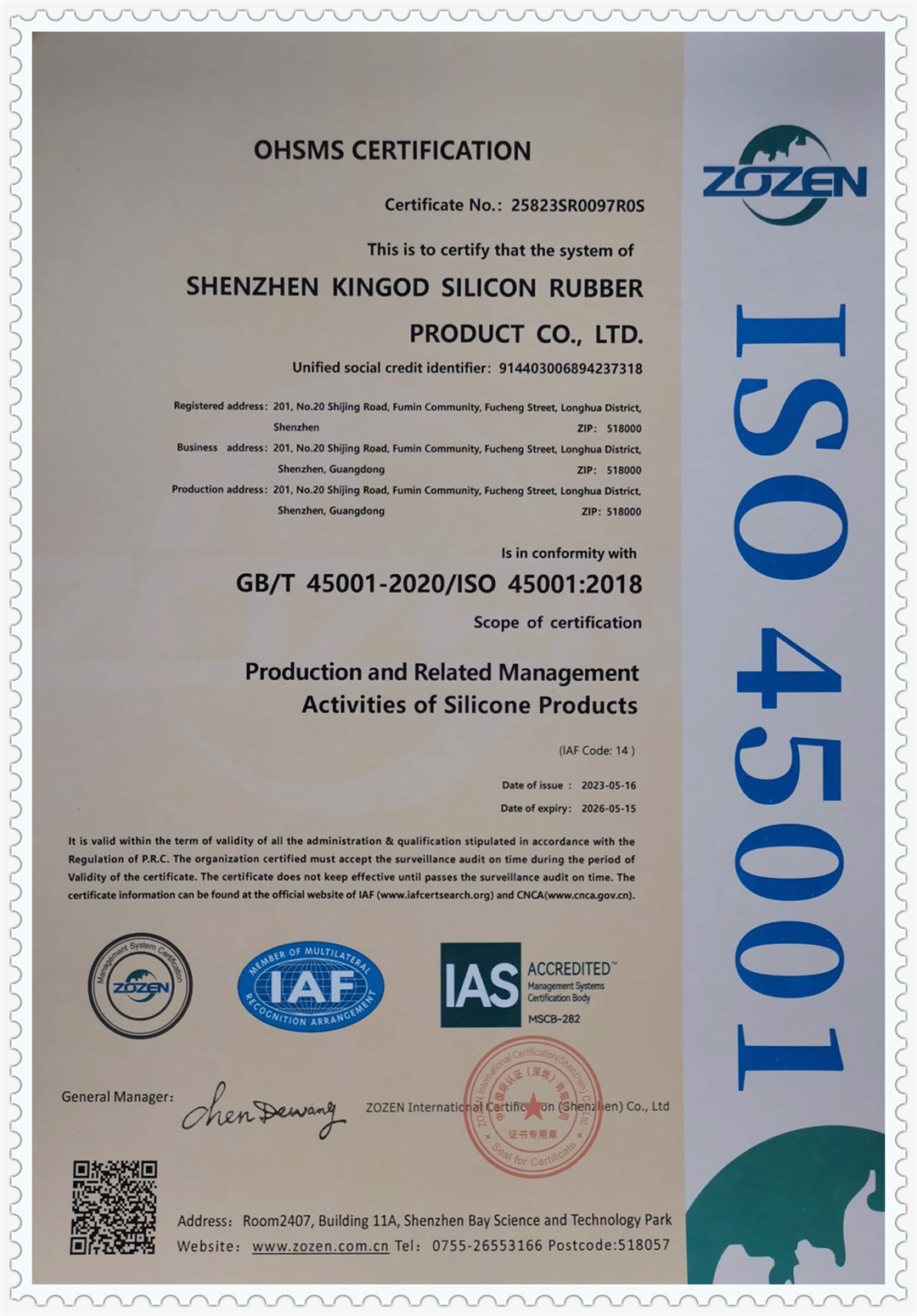
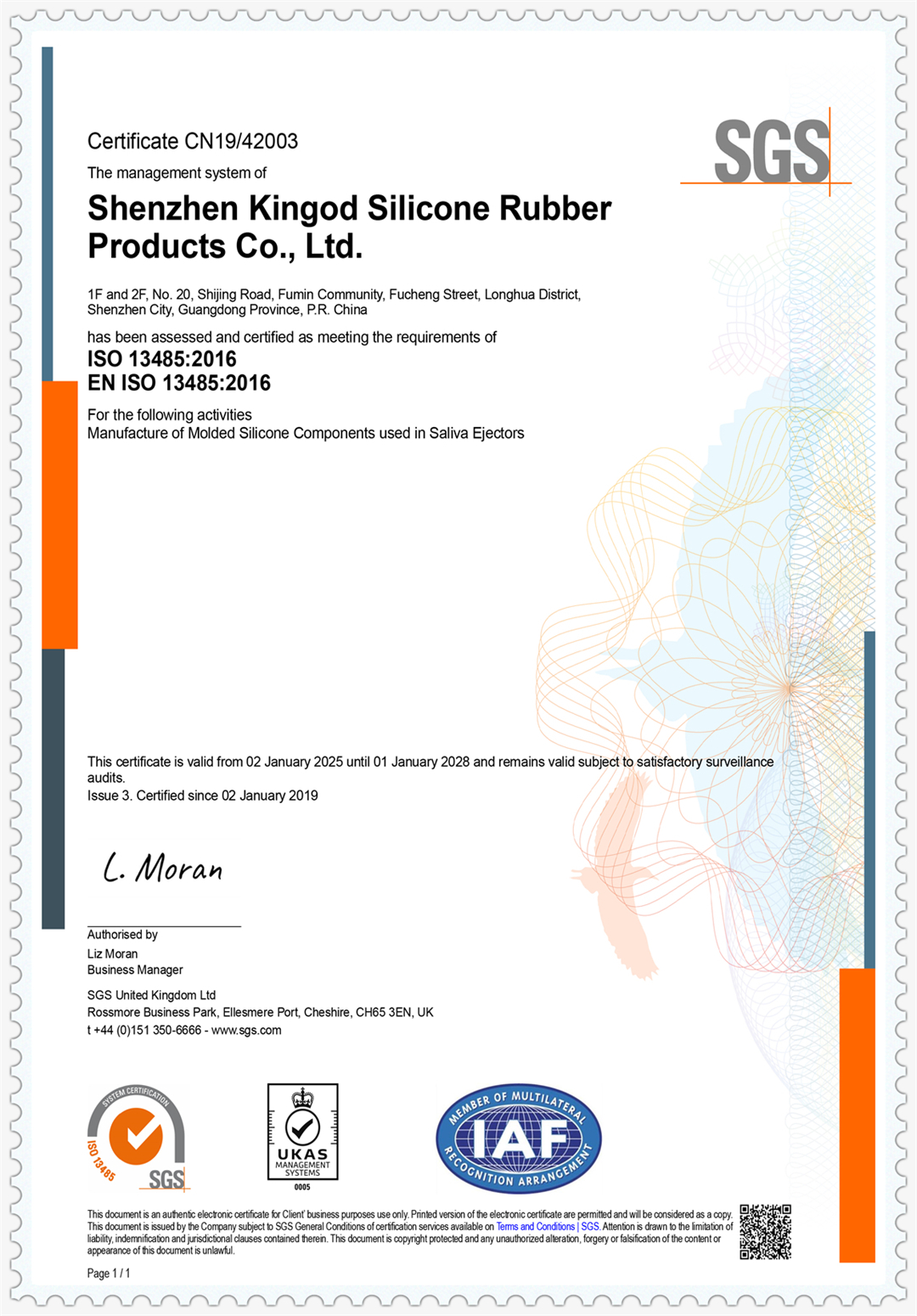
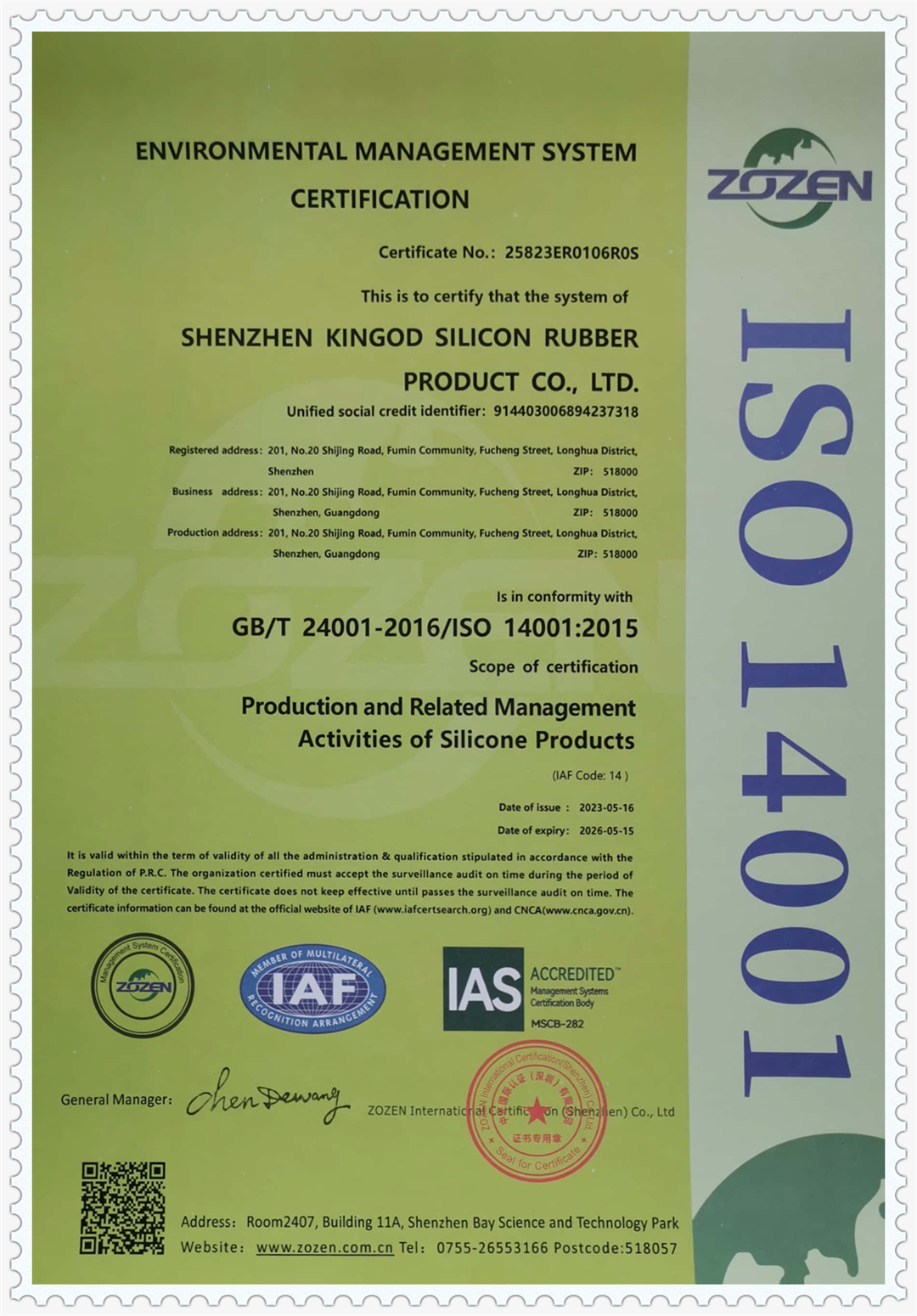
Quality is not just a promise — it is a process. Our facility operates under internationally recognized quality management systems designed to deliver consistent, traceable, and verifiable product quality for every silicone teething component we manufacture.
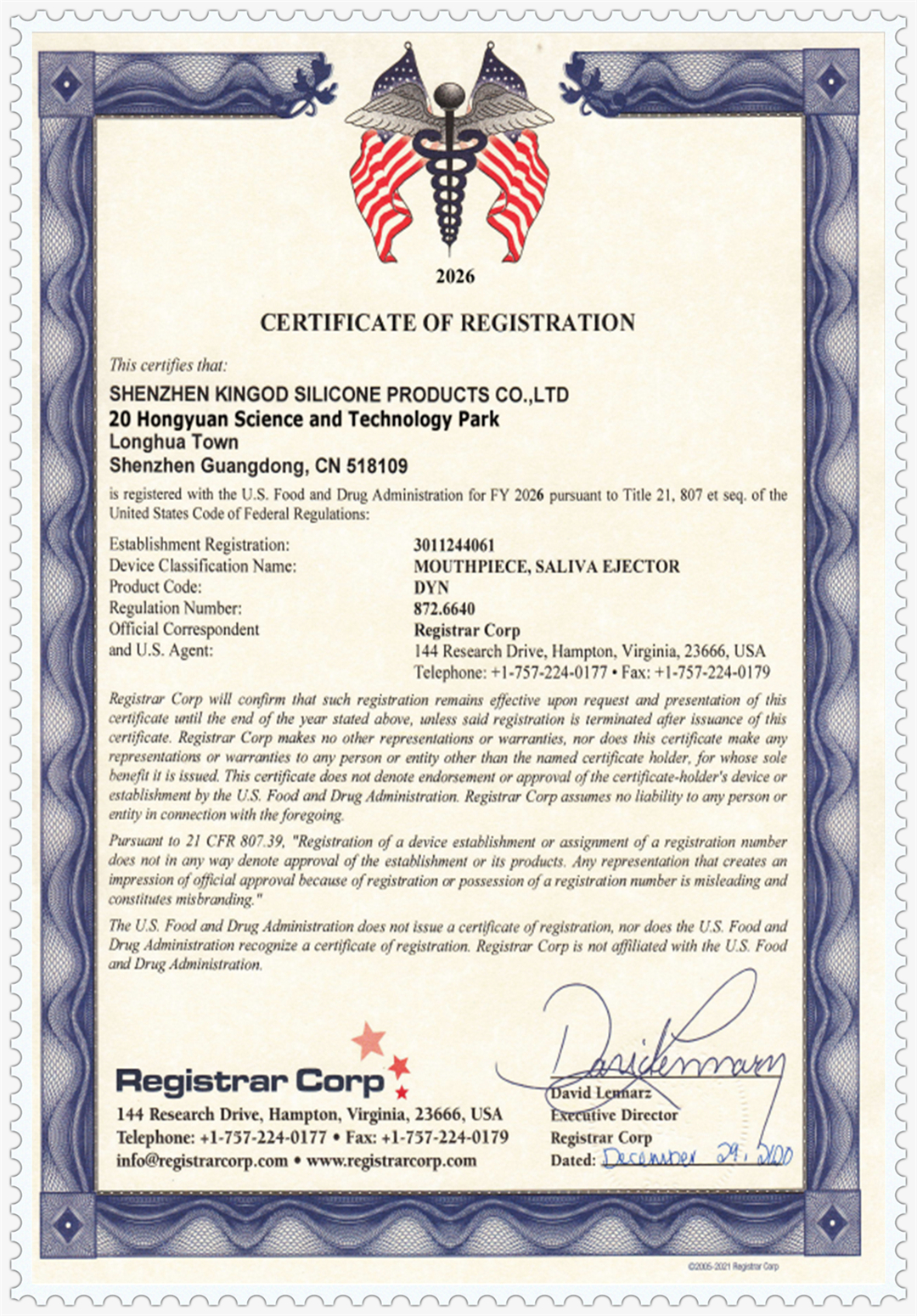
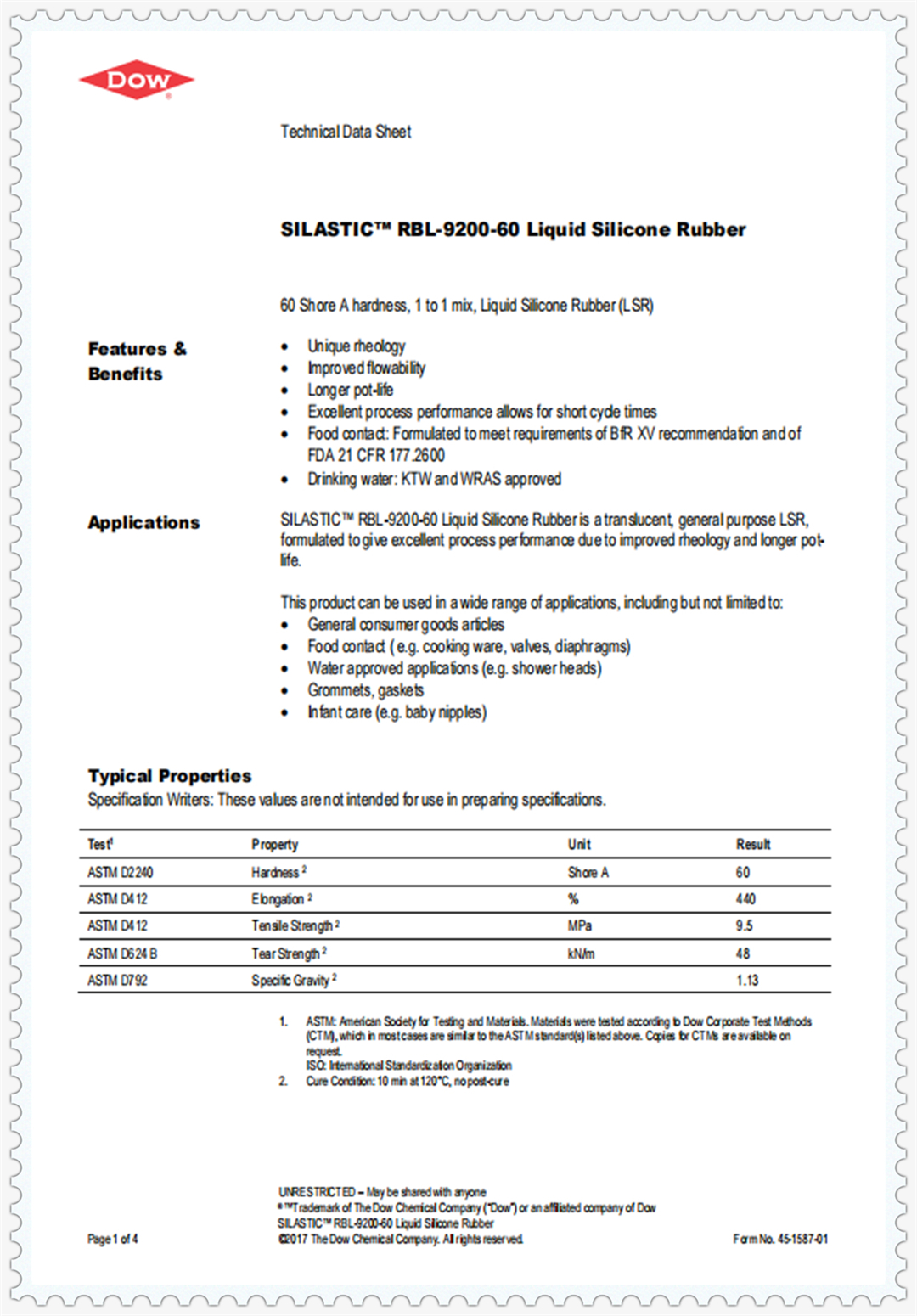
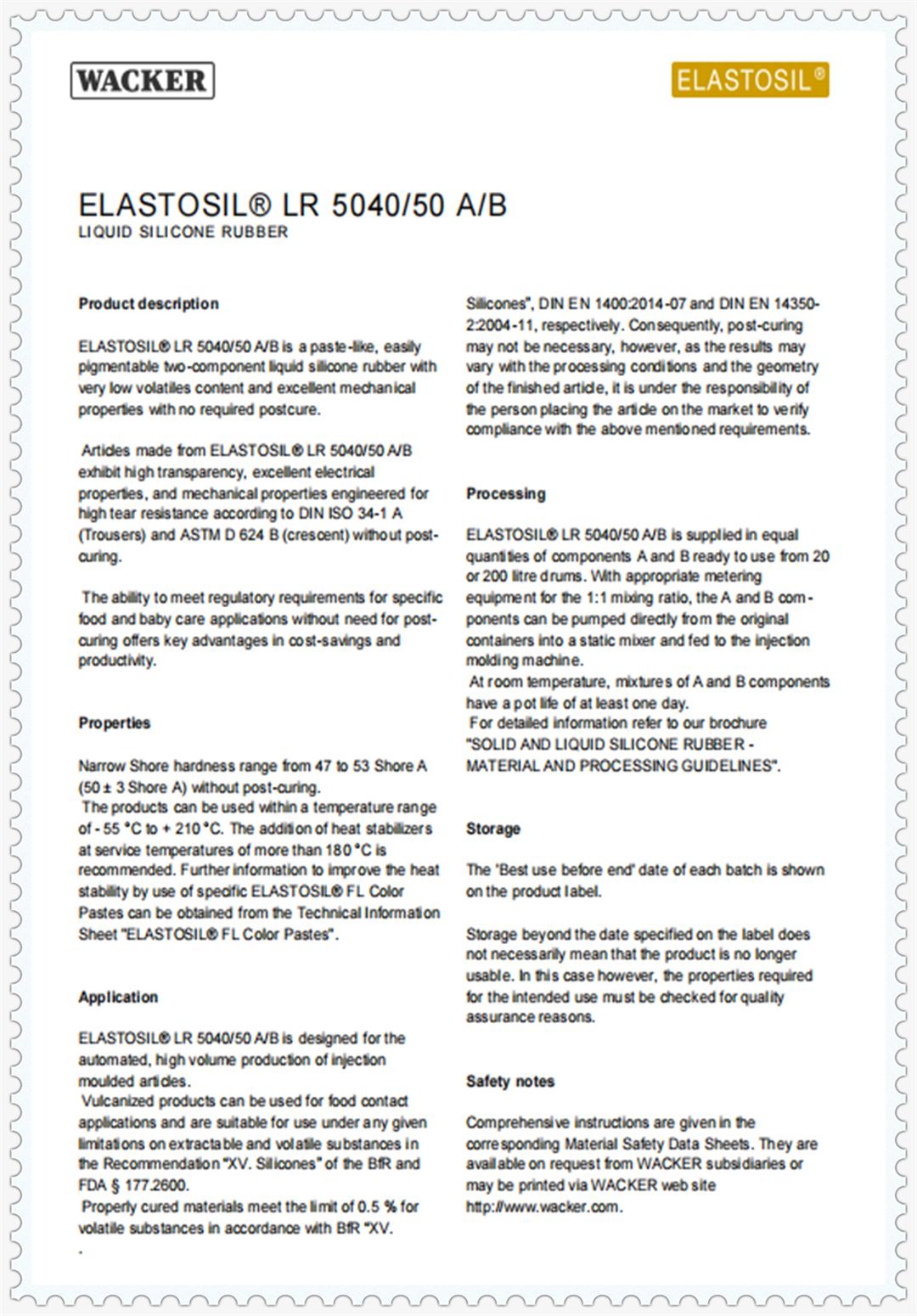
Every product undergoes stringent inspection protocols, including dimensional verification, material traceability, and performance testing. For medical and food-contact applications, we utilize platinum-cured silicone and comply with FDA, LFGB, and EU 10/2011 standards, ensuring safety for even the most sensitive uses.
Our comprehensive certification portfolio demonstrates our commitment to the highest standards in silicone manufacturing for medical devices and infant care products.
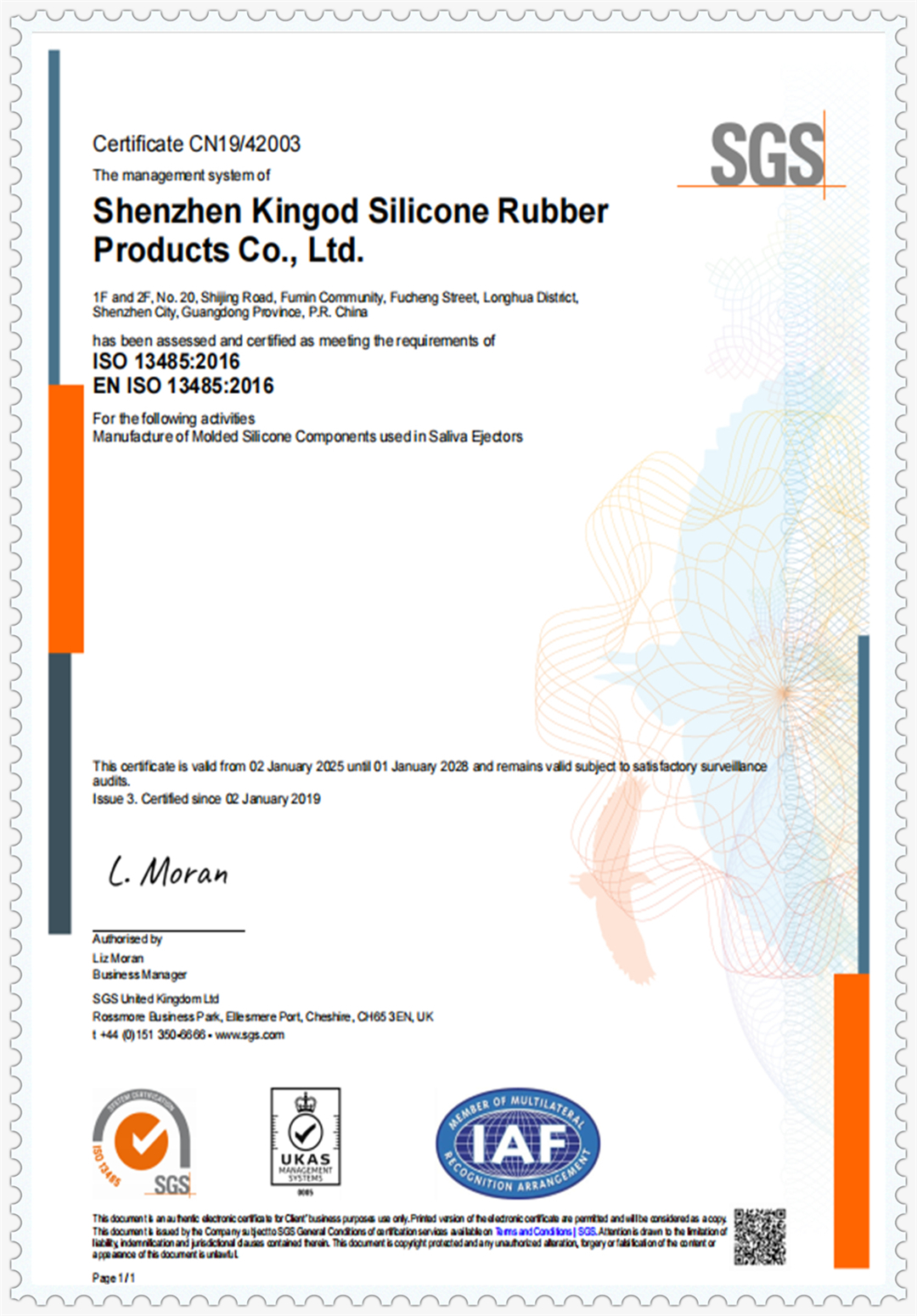
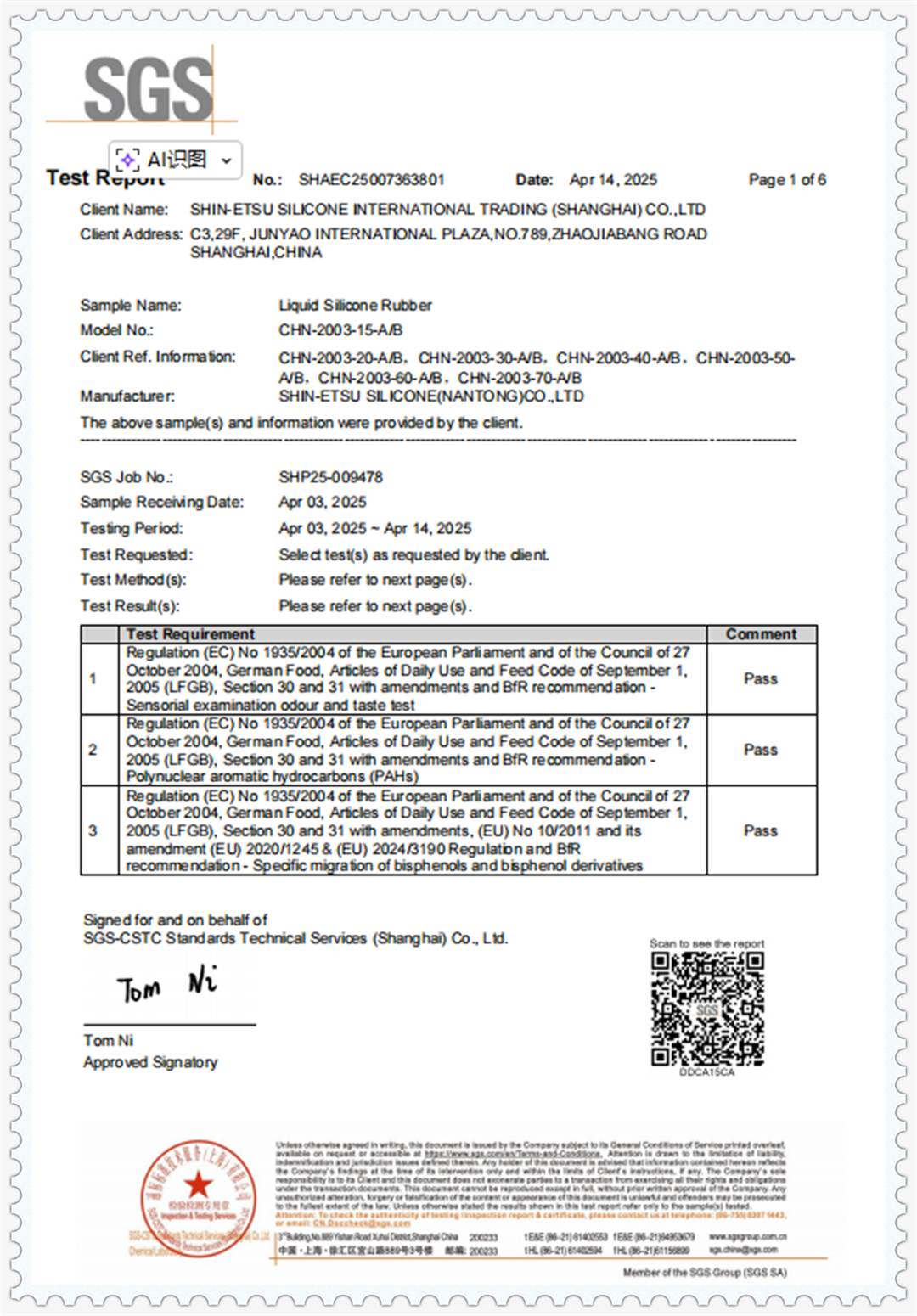
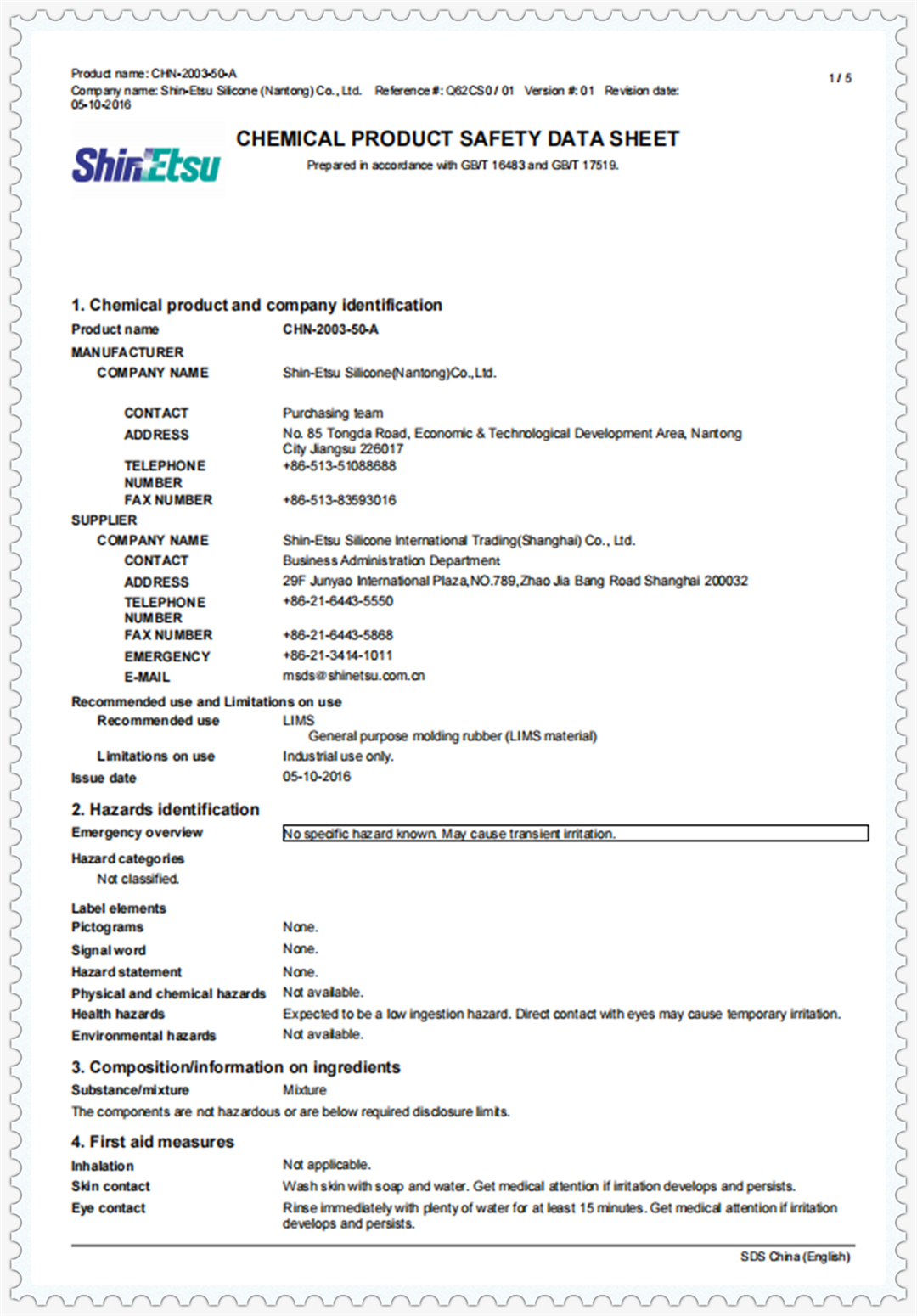
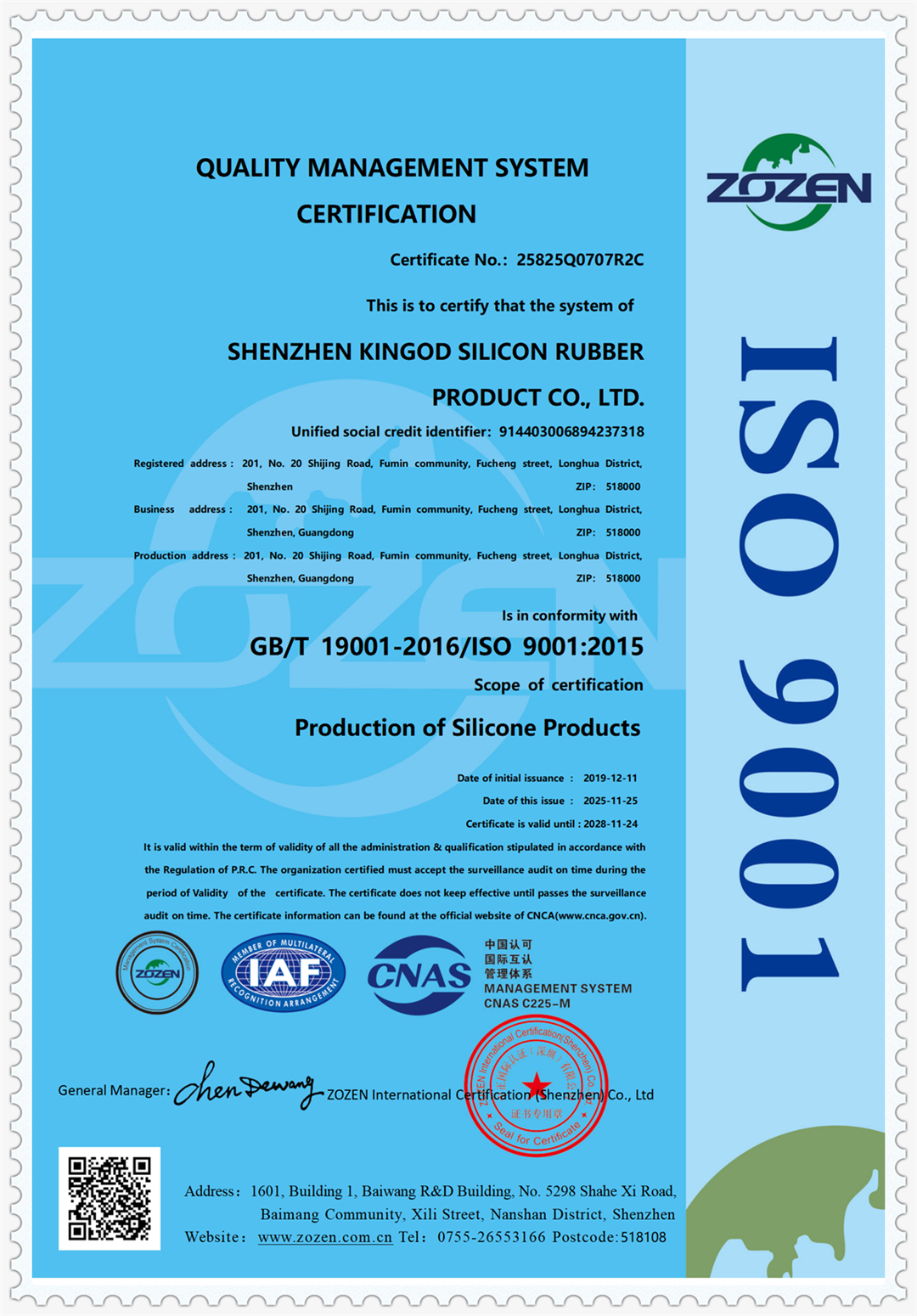
From silicone teething components to medical-grade silicone assemblies — our full product portfolio supports medical device manufacturers at every stage.
 Silicone Teething Overmolding Parts | Custom Medical Silicone Manufacturer
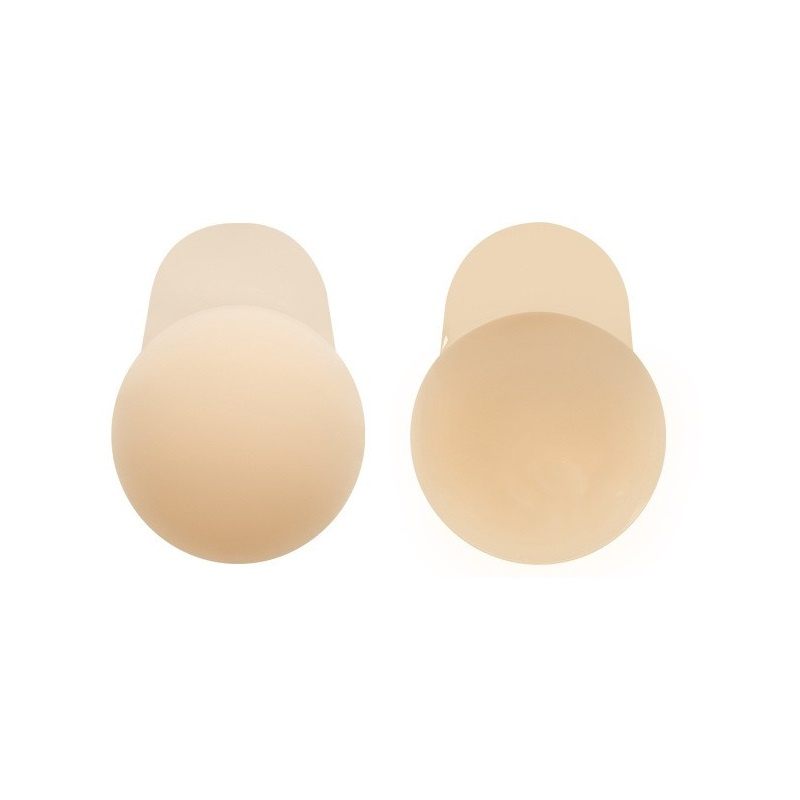 Silicone Teething Nipple Covers | Reusable OEM/ODM from Factory
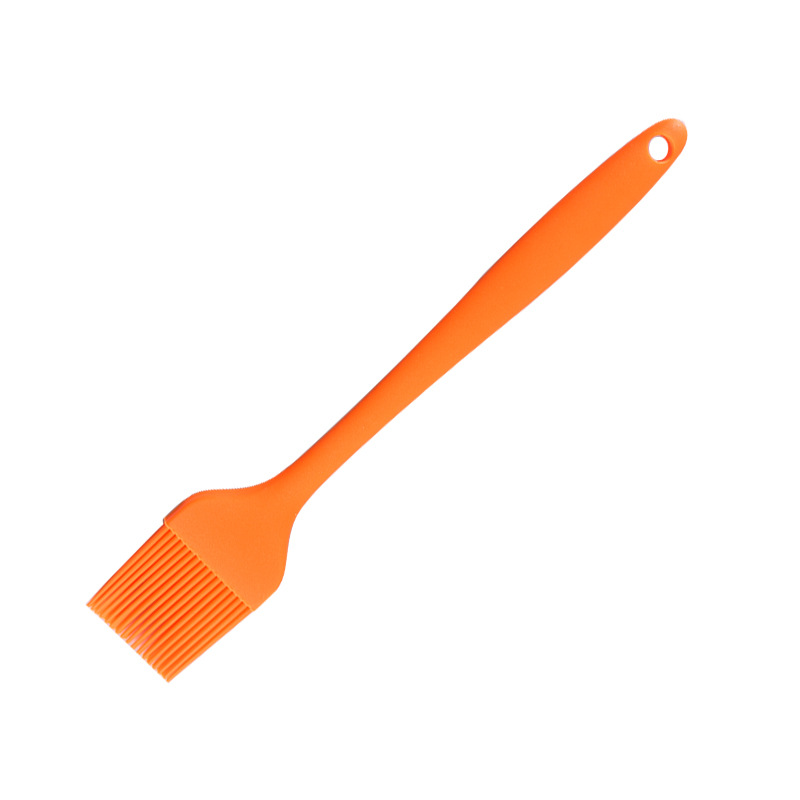 Heat-Resistant Silicone Components | Custom LOGO Trusted Suppliers
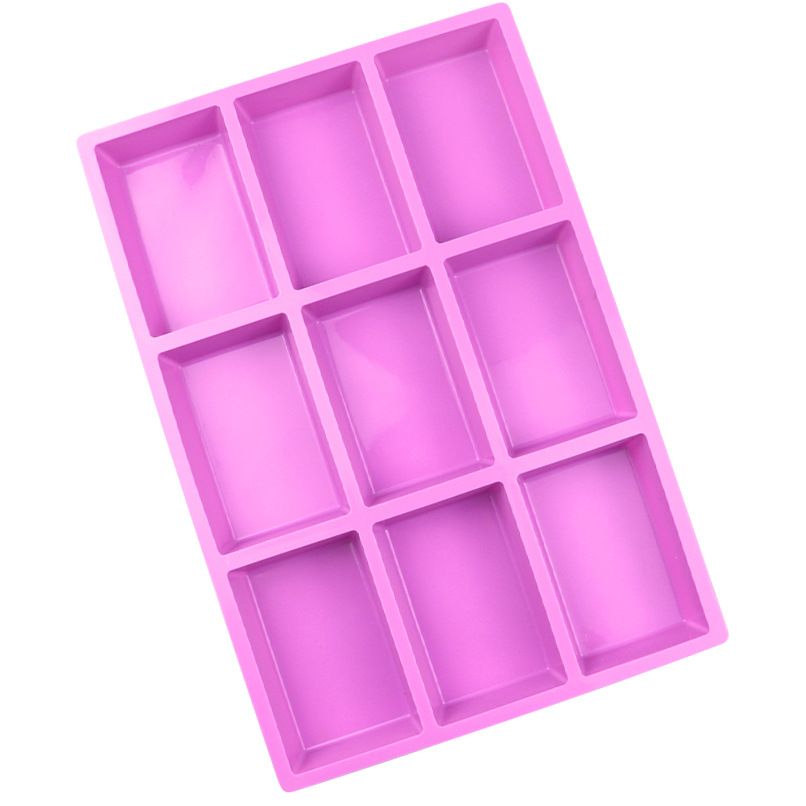 Eco-Friendly Silicone Teething Molds | BPA-Free Factory-Engineered
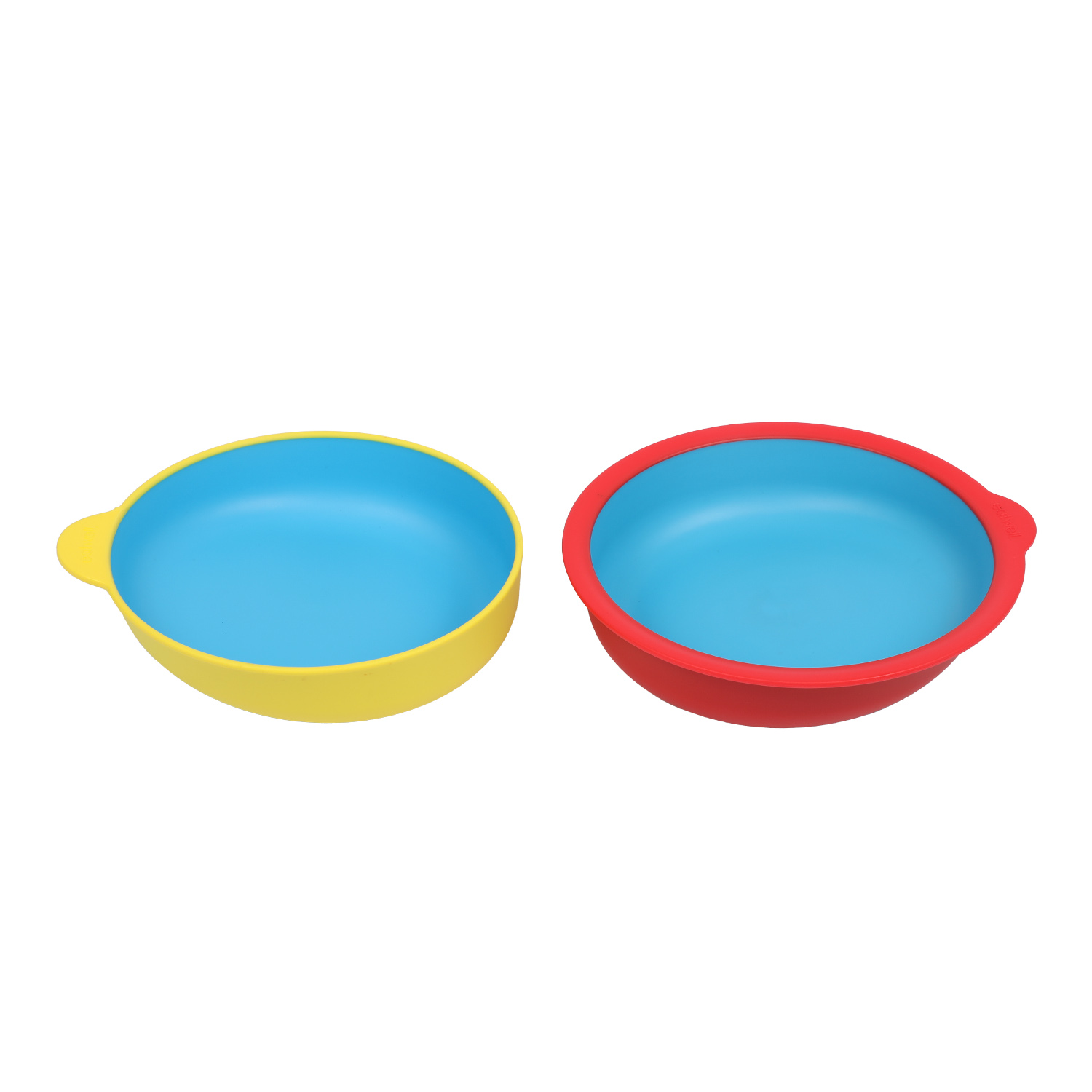 Silicone Teething & Baby Feeding Set | BPA-Free Medical Silicone
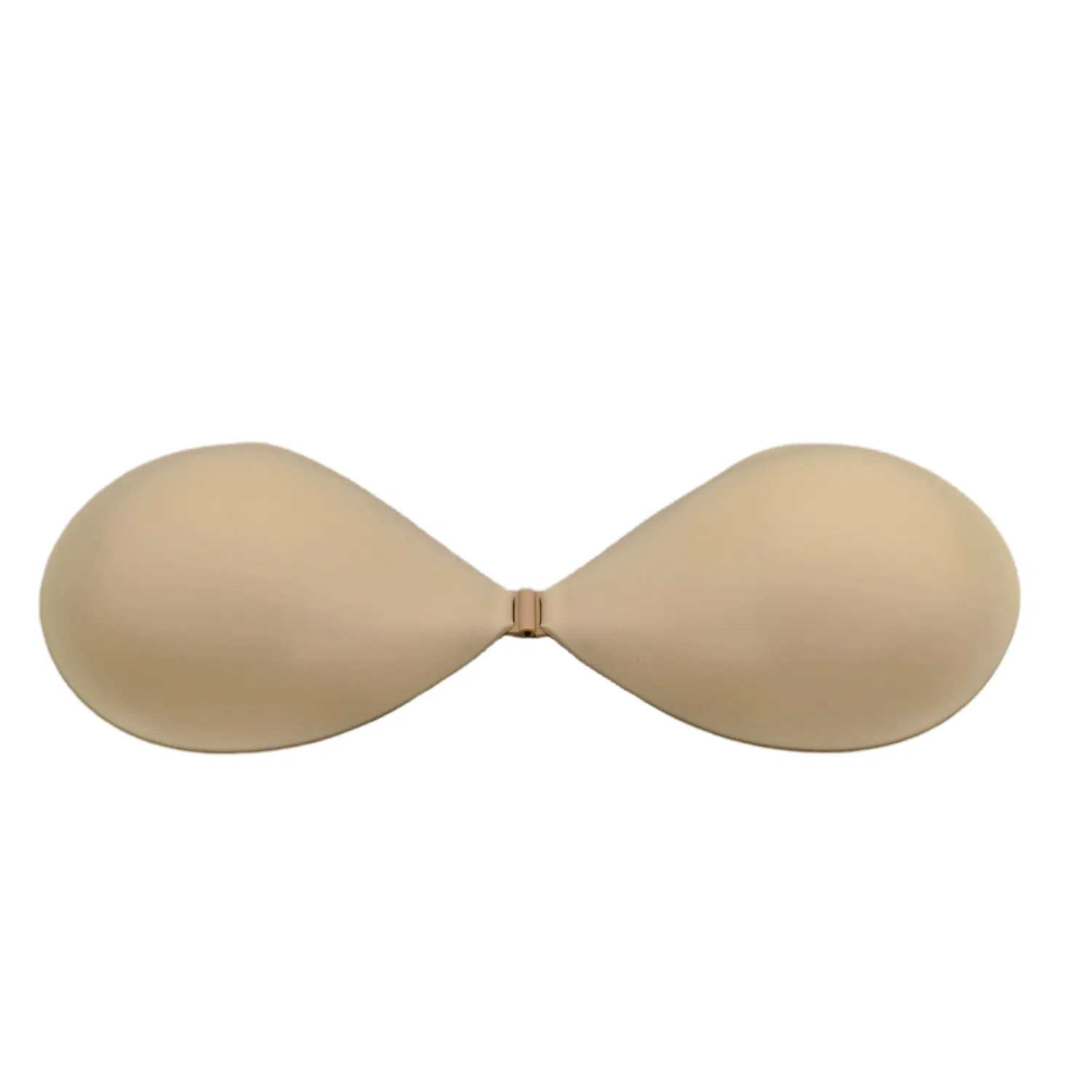 Custom Silicone Adhesive Solutions | Medical-Grade Backless Design
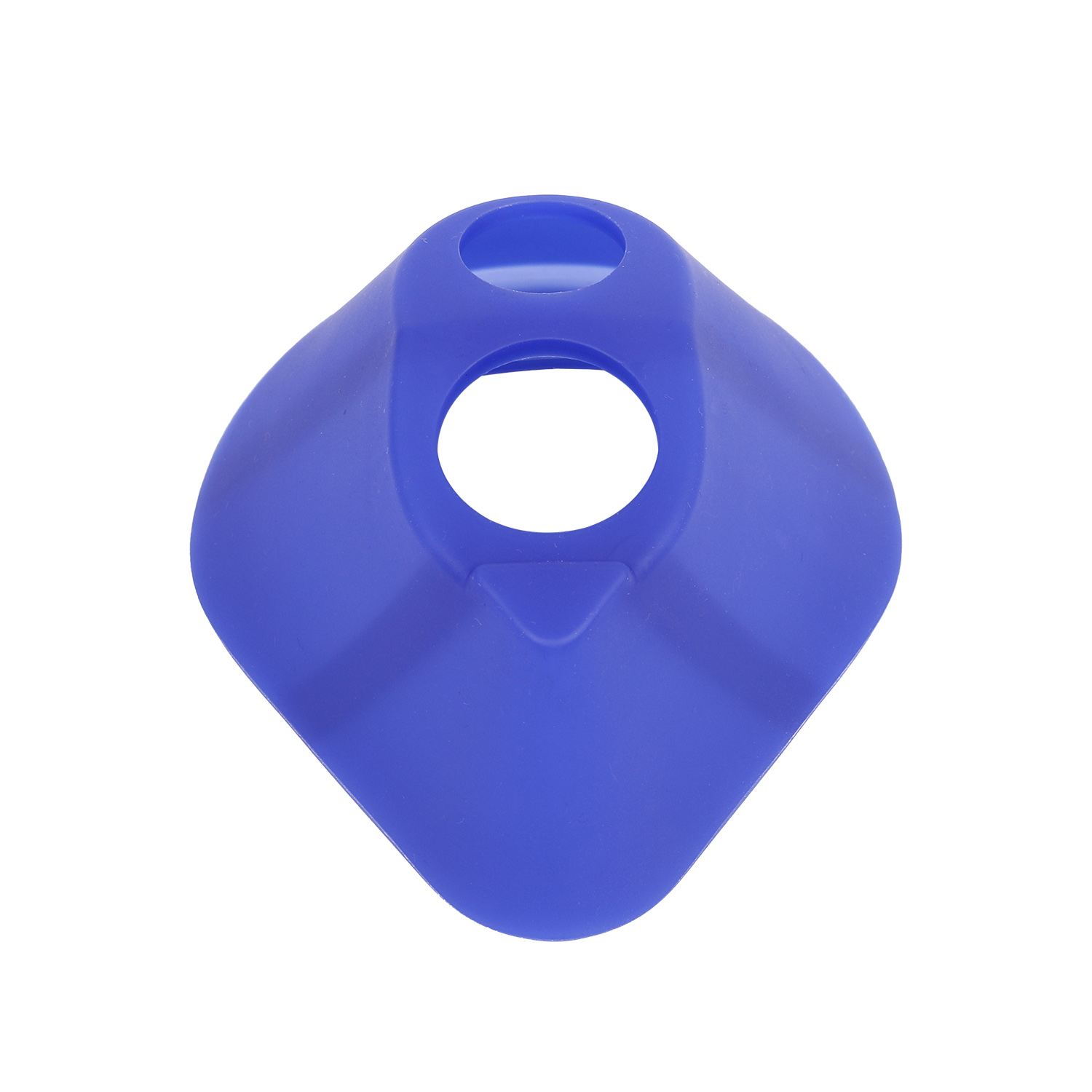 Custom Medical Silicone Masks | OEM Silicone Parts from China Factory
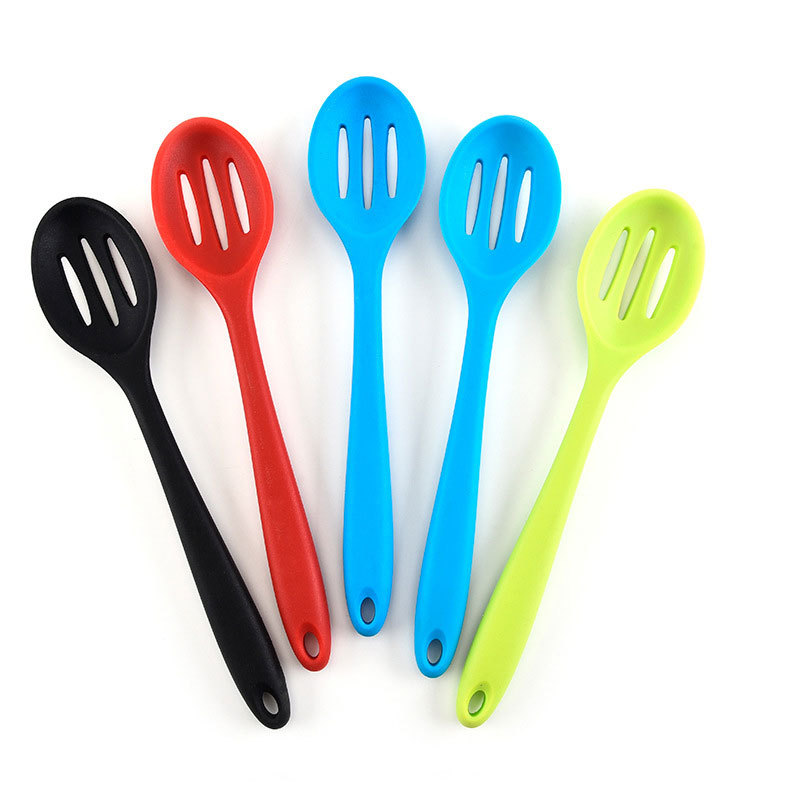 High-Heat Resistant Silicone Tools | Custom Wholesale China Suppliers
Ready to source ISO 13485-certified silicone teething components for your medical device program? Contact Shenzhen Kingod Silicone Products Co., Ltd. for factory-direct pricing, regulatory documentation, and rapid prototype development.
Get a Free Quote Today