- Home
- Products
- Company
- Case Study
- News
- Contact Us
Leave Your Message
Engineered silicone components optimized for electronic manufacturing lines and product design.
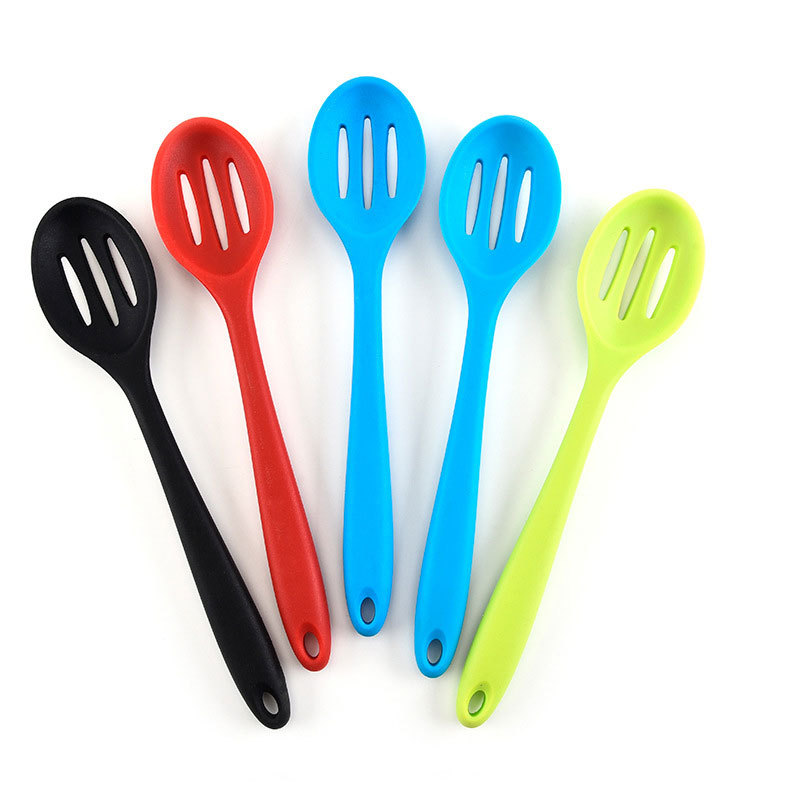
In the highly precise world of consumer electronics manufacturing, the tools used on the production line are just as critical as the components themselves. Silicone spatulas, scrapers, and squeegees have evolved from simple kitchen utensils into highly specialized, industrial-grade instruments. Today, global consumer electronics brands rely heavily on these tools to manage the application of delicate substances such as thermal interface materials (TIMs), structural adhesives, solder pastes, and protective coatings.
As devices like smartphones, smartwatches, tablet computers, and automotive displays become thinner, more powerful, and densely packed with micro-electronics, the margins for error shrink to the micron level. A metal tool can easily scratch a delicate indium tin oxide (ITO) sensor line or fracture a silicon die. Standard plastics may generate electrostatic discharge (ESD) that instantly destroys microchips. Premium silicone spatulas present the ultimate solution: offering the perfect balance of chemical resistance, flexibility, non-marking characteristics, and thermal stability.
The consumer electronics market is experiencing a rapid shift toward high-density packaging (such as System-in-Package and 3D stacking). This evolution requires highly controlled, thin layers of thermal paste and adhesives. Industry leaders are moving away from brute-force manual application to hybrid automated-manual touch-up processes. Industrial silicone scrapers are designed with specific Shore A durometer ratings (ranging from soft 40A to rigid 80A) to ensure that operators can achieve uniform, consistent layer thickness (known as Bond Line Thickness, or BLT) without causing micro-abrasions to underlying circuitry.
Understanding exactly where silicone spatulas fit into the electronics manufacturing services (EMS) workflow reveals why high-quality material sourcing is paramount.
High-performance processors in gaming consoles, laptops, and smartphones generate significant heat. To transfer this heat to copper thermal blocks or vapor chambers, thermal grease or phase-change materials are applied. Silicone spatulas are the primary tool used to spread these high-viscosity pastes. The non-stick nature of silicone ensures that the paste adheres to the chip, not the tool, allowing for a perfectly level, bubble-free layer. This minimizes thermal resistance and maximizes device longevity.
During the lamination of liquid crystal displays (LCDs) or flexible OLEDs, optically clear adhesives (OCA) or liquid adhesives (LOCA) are used. Even the tiniest air bubble can ruin a multi-hundred-dollar display assembly. Specially shaped silicone squeegees and spatulas are used to apply precise pressure across the panel surface, pushing out micro-bubbles without scratching the polarizing films or glass substrates.
In surface mount technology (SMT) lines, solder paste is printed onto printed circuit boards (PCBs) through metal stencils. When misprints occur, or when stencils require manual clean-up, metal scrapers risk damaging the expensive stencils or scratching the copper solder pads. Silicone scrapers cleanly wipe away excess solder paste without leaving residues or causing mechanical wear to the stencils.
To protect Ball Grid Array (BGA) chips from thermal cycling stresses and drop impacts, liquid epoxy underfill is dispensed beneath the chip. Silicone spatulas are utilized during the rework and manual dispensing phases to clean up excess run-out, ensuring that the encapsulant forms a clean, structurally sound fillet around the chip perimeter.
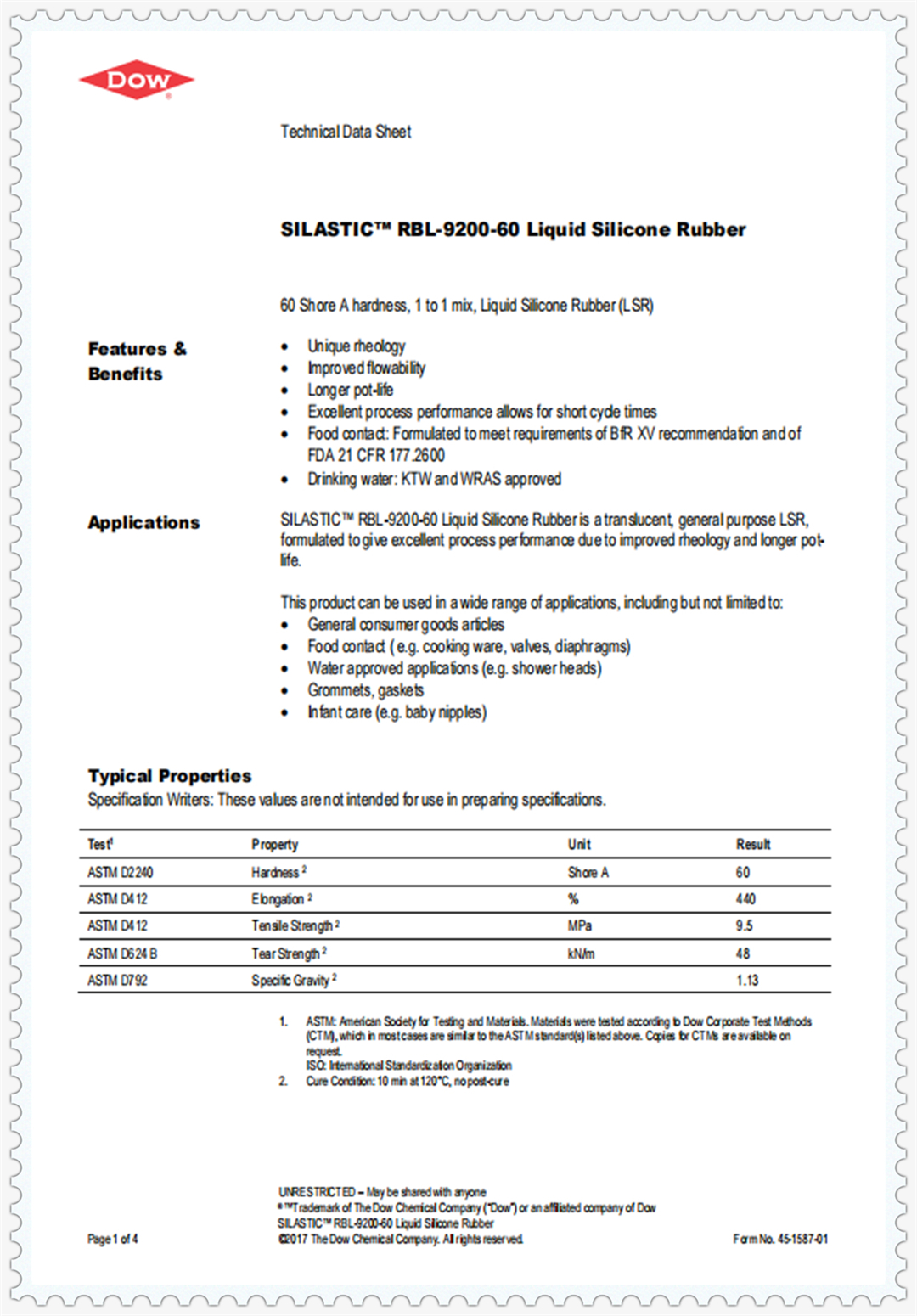
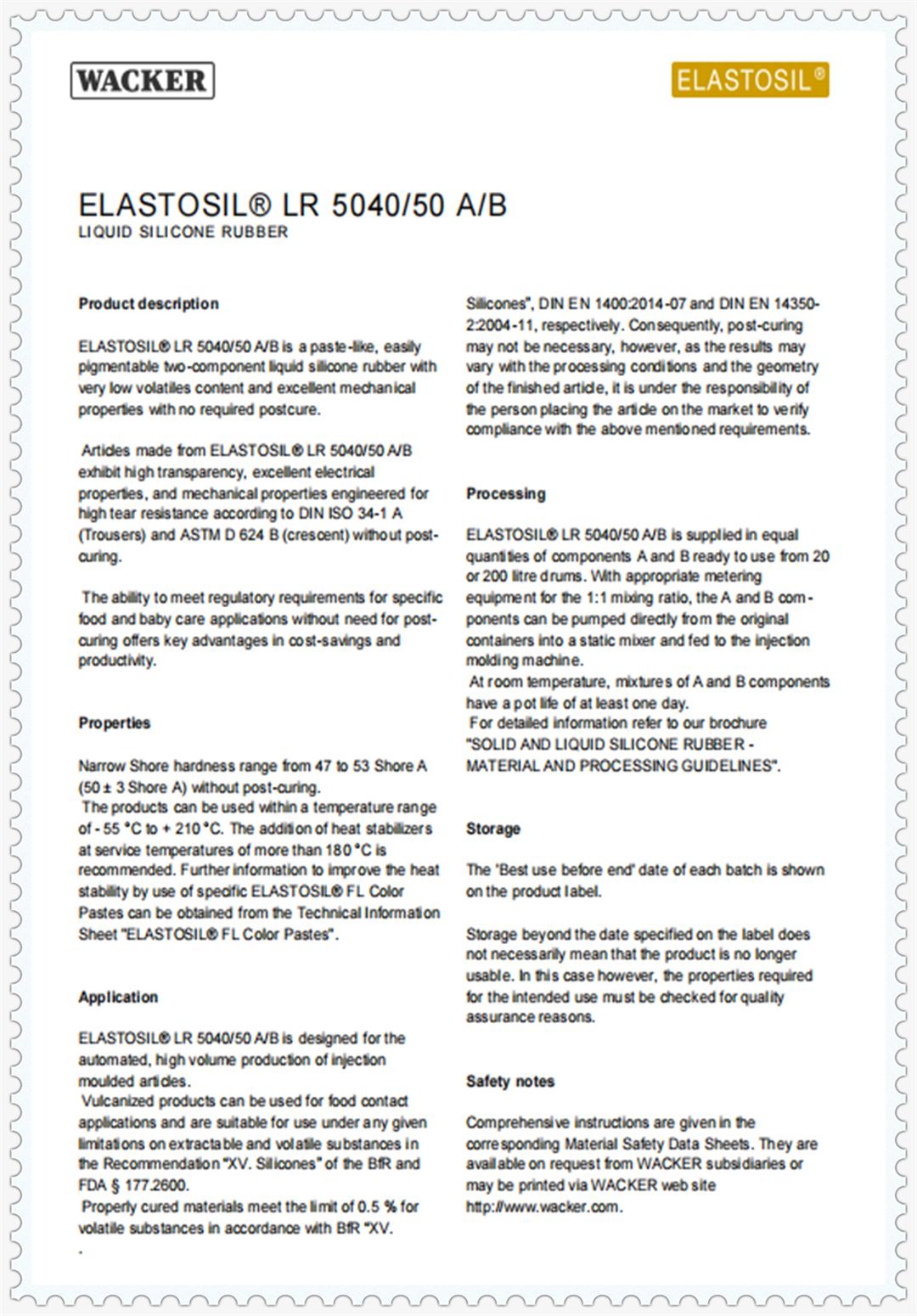
Not all silicone is created equal. Cheap, peroxide-cured silicone contains volatile organic compounds (VOCs) and low-molecular-weight siloxanes that can outgas over time. In closed electronic systems, these outgassed molecules can condense on optical lenses (camera modules, sensors) or electrical contacts, causing system failures. At Shenzhen Kingod Silicone, we utilize high-purity, platinum-cured liquid silicone rubber (LSR) that complies with strict outgassing standards (such as ASTM E595) to prevent any potential contamination of sensitive electronic components.
Every electronics assembly line has unique requirements. We offer extensive OEM/ODM customization services to match your exact technical specifications:
At Shenzhen Kingod Silicone Products Co., Ltd., we believe that great products begin with great partnerships. As a custom silicone products manufacturer, we combine advanced molding technology, rigorous quality systems, and genuine end-to-end support to bring your concepts to life.
By manufacturing in-house, we eliminate intermediaries and pass the savings directly to you. Factory-direct pricing means you receive cost-effective solutions without sacrificing quality.
Our vertically integrated operations allow us to control every stage of production, optimizing efficiency and reducing lead times. Whether you require prototype quantities or million-unit production runs, you receive the same transparent, competitive pricing structure.
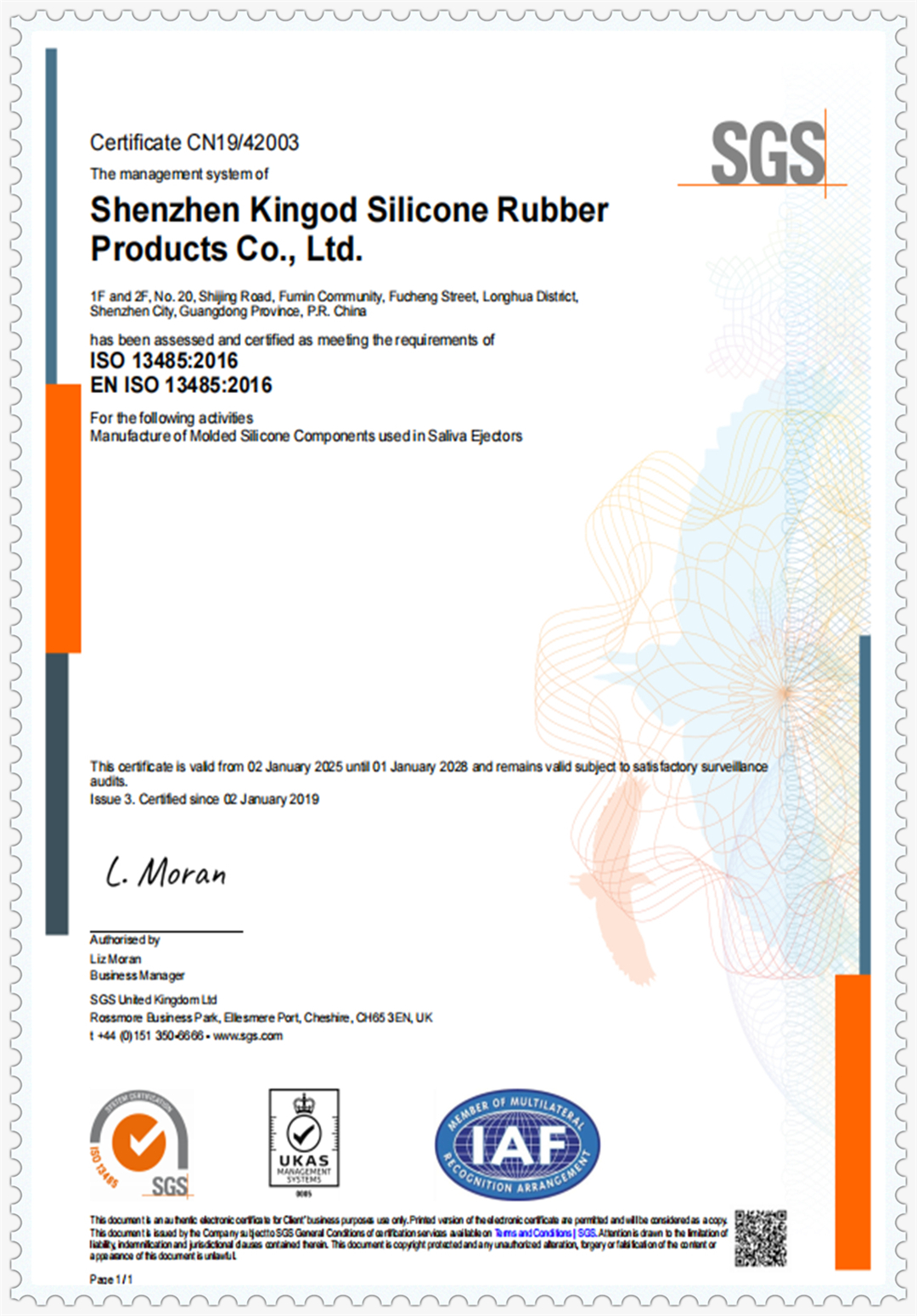
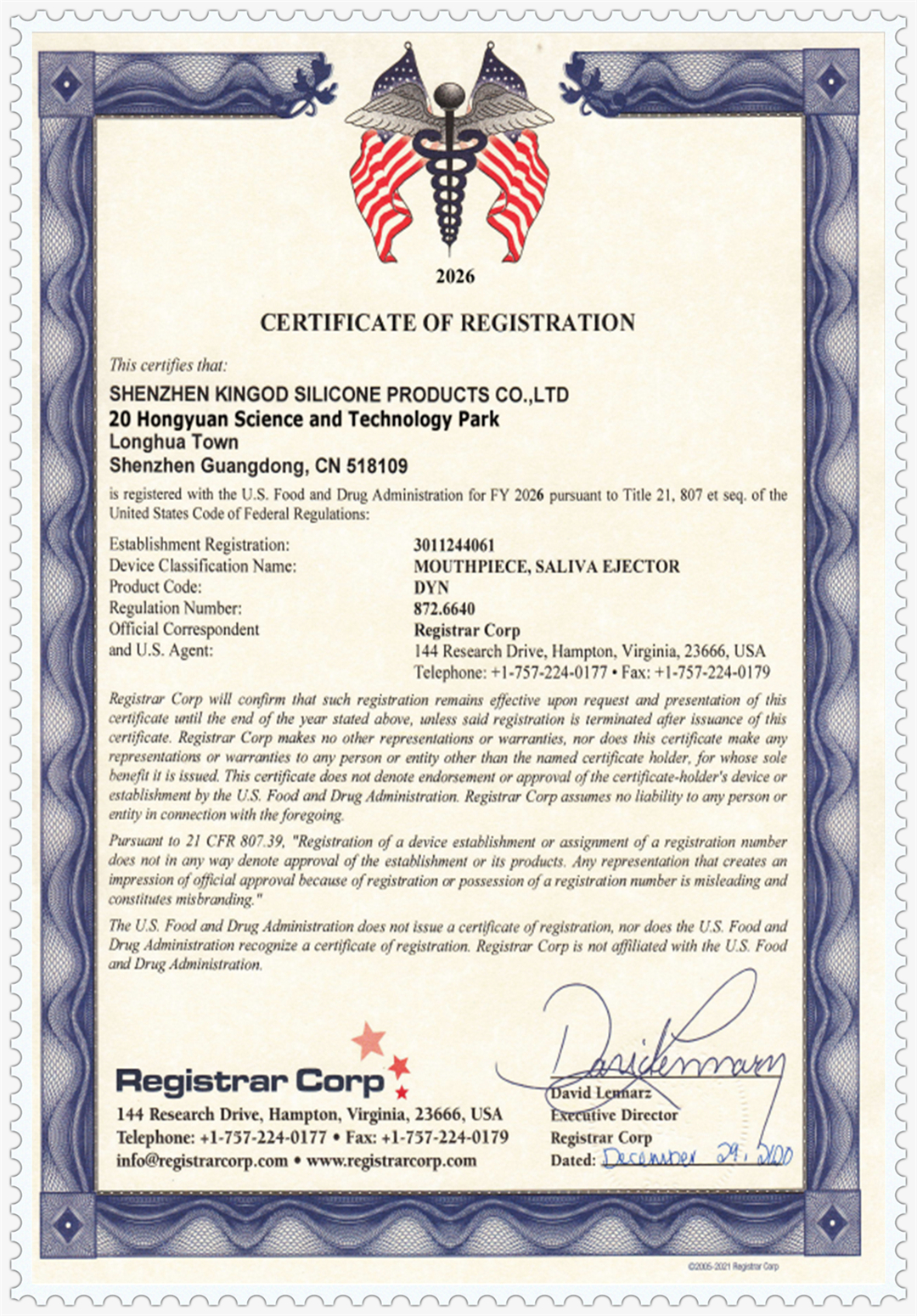
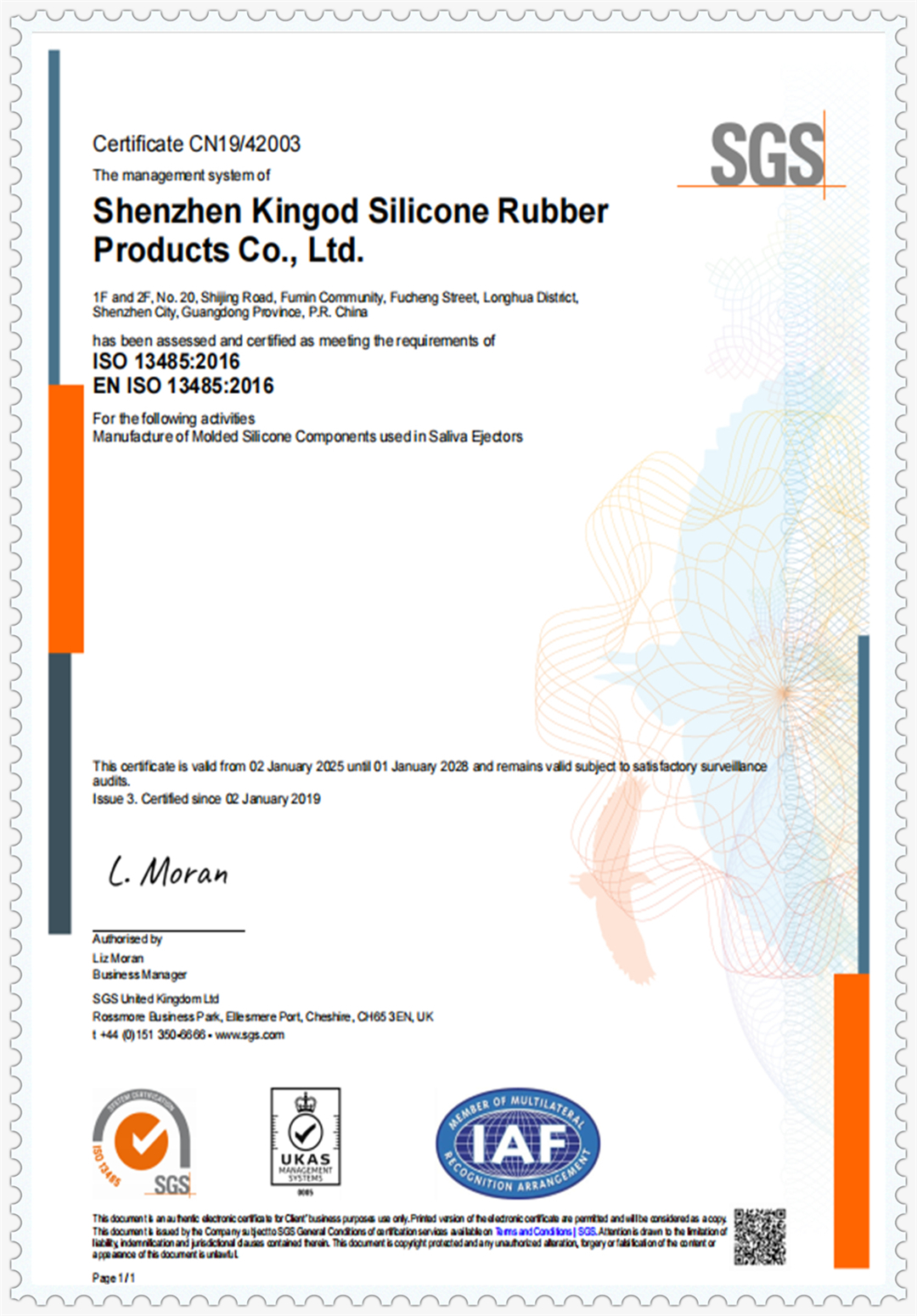
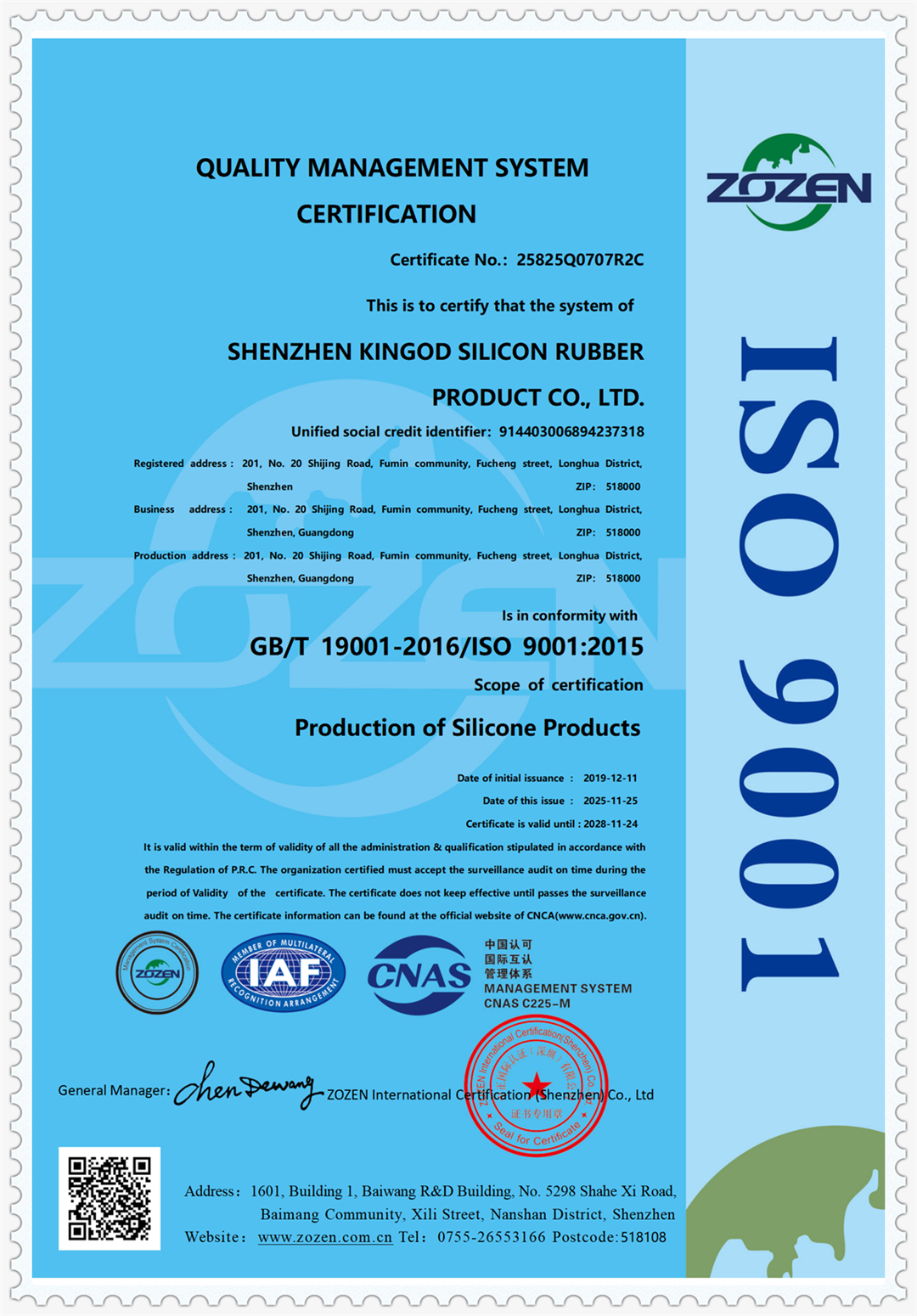
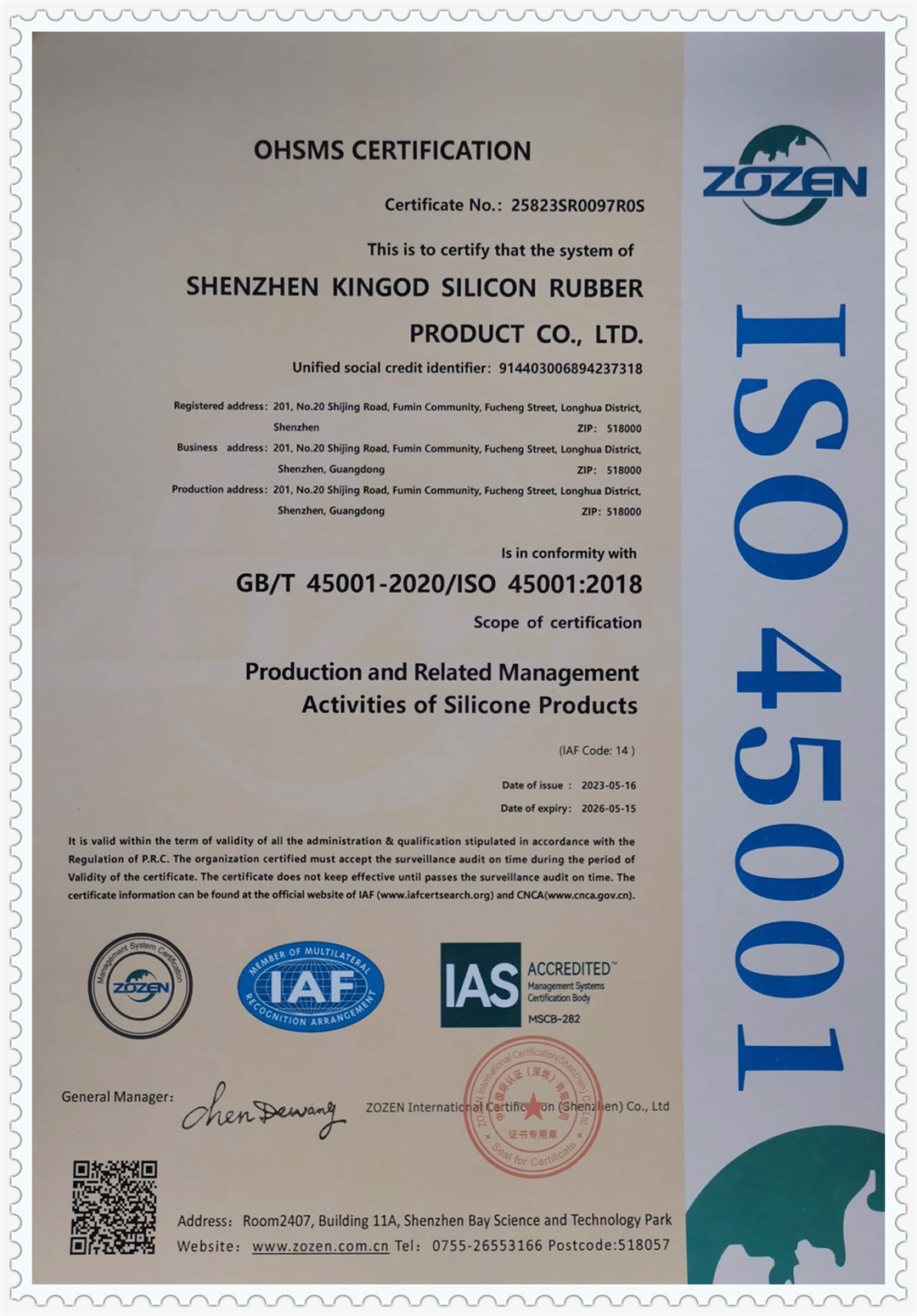
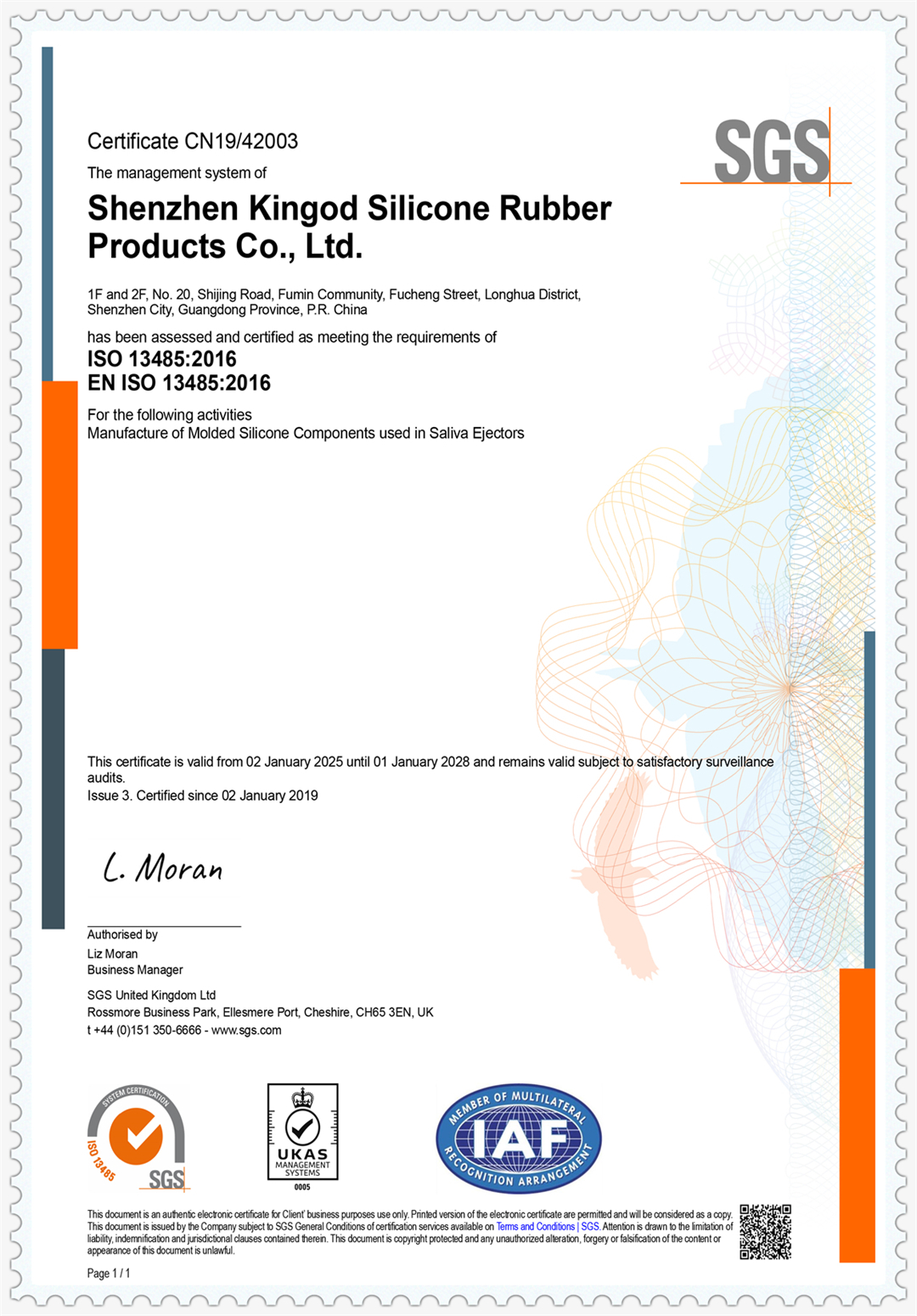
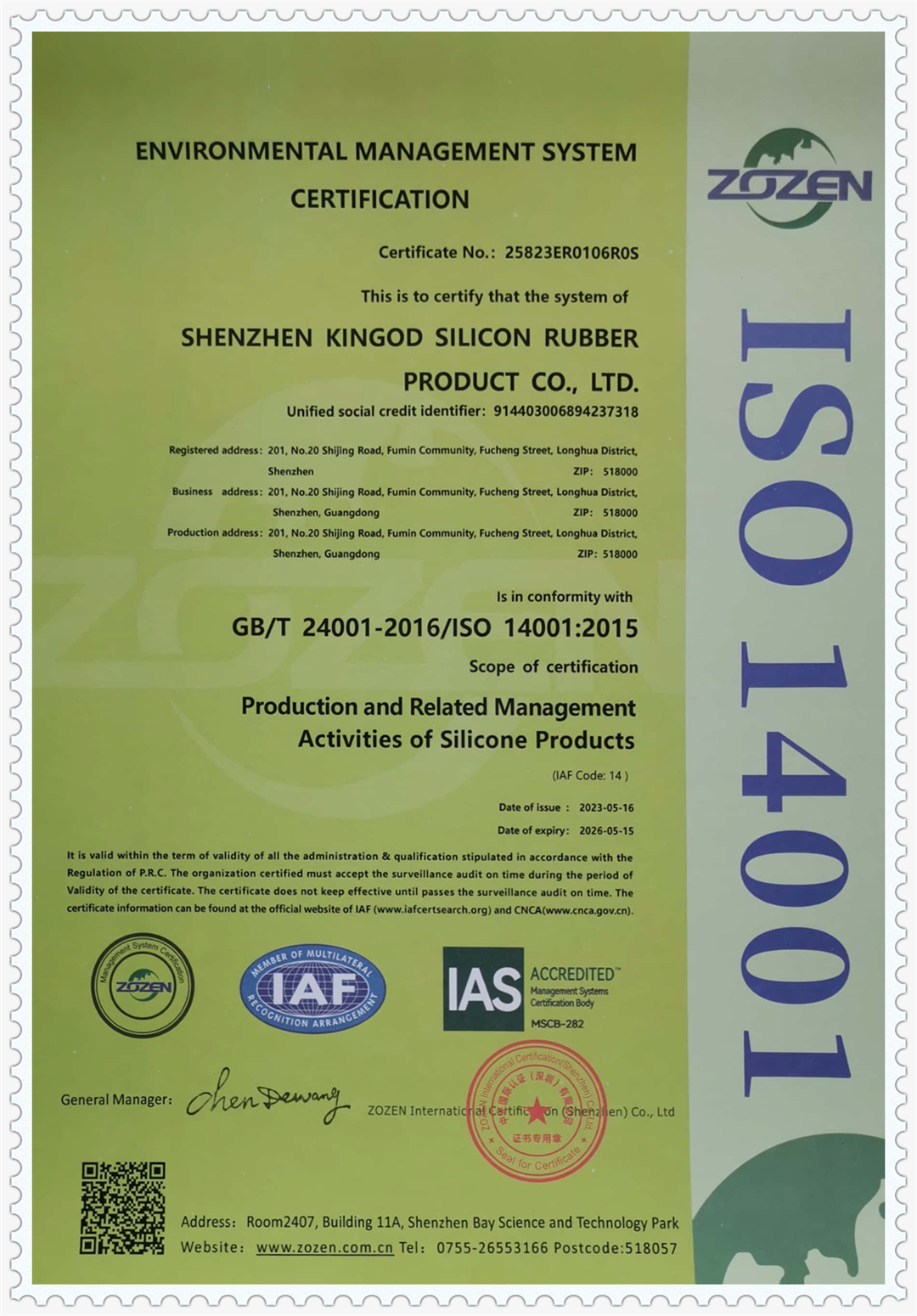
Quality is not just a promise—it is a process. Our facility operates under internationally recognized quality management systems:
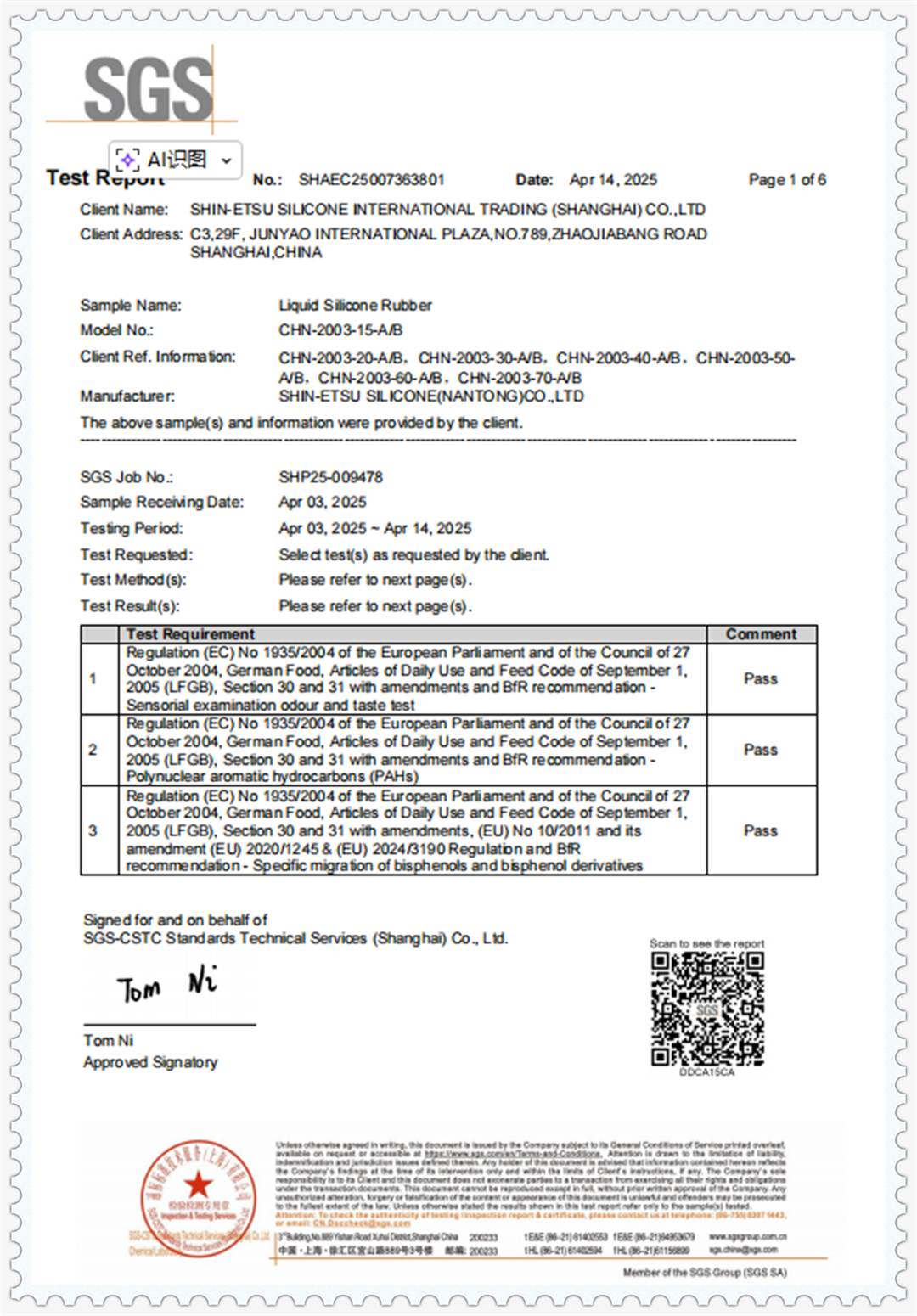
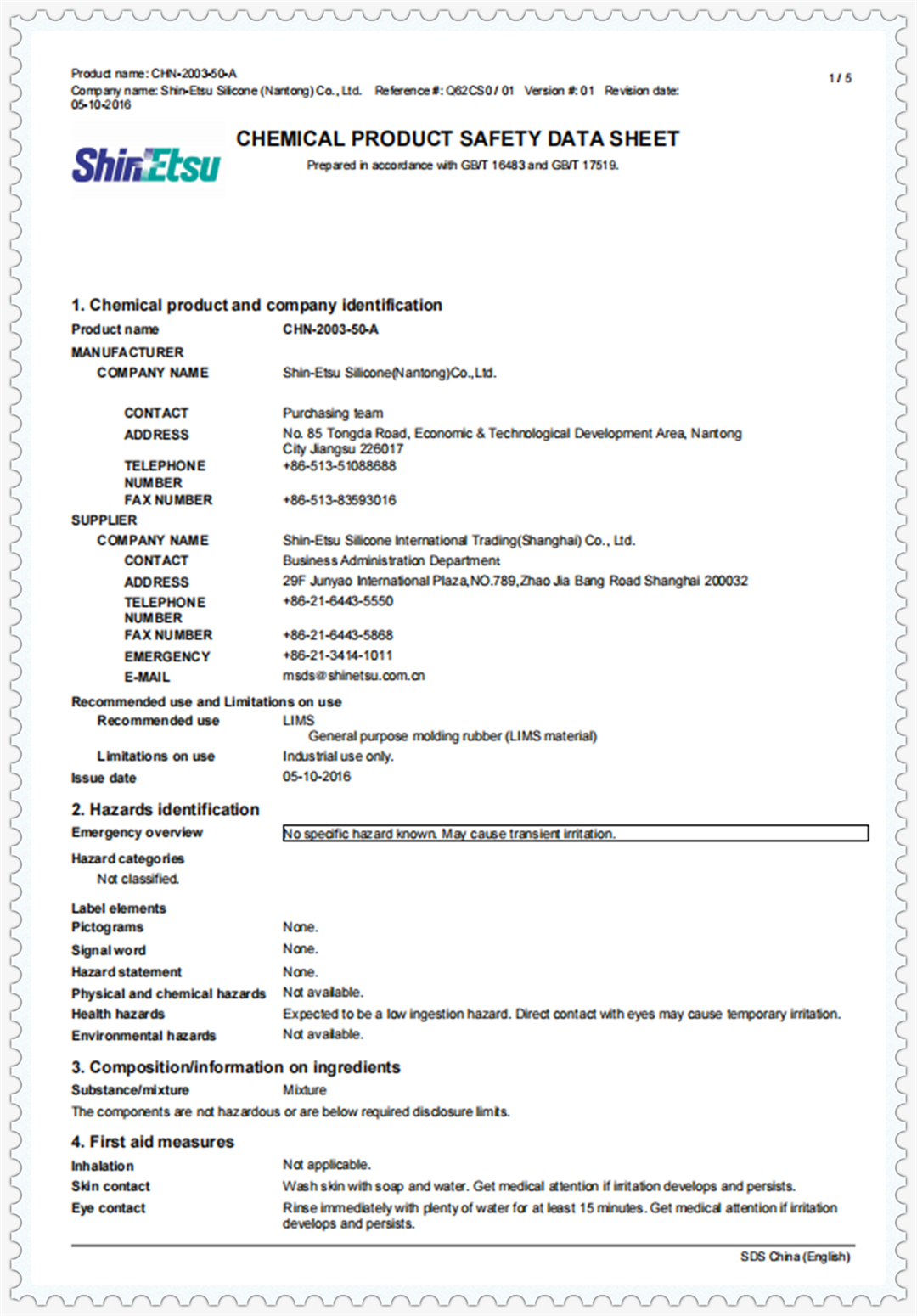
Every product undergoes stringent inspection protocols, including dimensional verification, material traceability, and performance testing. For medical and food-contact applications, we utilize platinum-cured silicone and comply with FDA, LFGB, and EU 10/2011 standards, ensuring safety for even the most sensitive uses.
Explore our diverse range of custom molded silicone solutions engineered for extreme environments.