- Home
- Products
- Company
- Case Study
- News
- Contact Us
Leave Your Message
Explore our precision-engineered silicone solutions designed specifically for medical device manufacturers — from overmolded tubing to custom-formed components meeting the strictest regulatory standards.
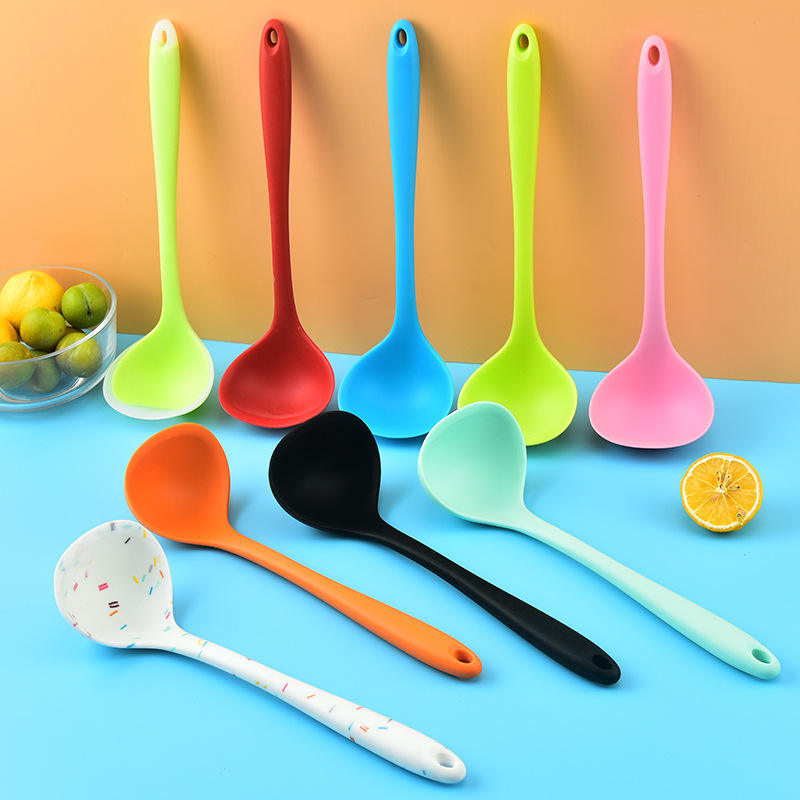
The global medical-grade silicone market is expanding rapidly, driven by innovation in minimally invasive devices, wearable health technology, and precision diagnostic equipment. Silicone spatulas — once considered simple mixing tools — have evolved into highly engineered components central to device assembly, drug delivery systems, and laboratory diagnostics.
Medical-grade silicone spatulas offer an unmatched combination of chemical inertness, mechanical flexibility, and sterilization compatibility — making them the material of choice for critical healthcare applications.
🔬Platinum-cured medical silicone meets ISO 10993 biocompatibility standards, ensuring zero cytotoxicity, hemolysis, or sensitization — essential for any component contacting patients or biological fluids.
Stable from -60°C to +230°C, silicone spatulas withstand autoclave sterilization (121–134°C), dry heat, gamma radiation, and EO gas cycles without dimensional change or material degradation.
Resistant to acids, bases, solvents, and disinfectants used in clinical and laboratory environments. No leaching of plasticizers or additives — critical for drug compounding and diagnostic reagent handling.
Advanced compression and liquid injection molding (LIM) processes achieve tolerances of ±0.05mm, ensuring consistent fit in automated assembly lines and robotic dispensing systems.
Medical silicone's non-porous, low-surface-energy profile prevents bacterial adhesion and particulate generation — a critical factor in cleanroom-grade manufacturing environments.
Shore A hardness from 10 to 80 can be precisely engineered, enabling spatula designs that balance rigidity for scraping accuracy with flexibility for delicate surface contact in sensitive device assembly.
From diagnostic laboratories to surgical device assembly, medical-grade silicone spatulas serve diverse and highly specialized roles across the healthcare manufacturing ecosystem.
Silicone spatulas are used to transfer and spread biological samples — blood, tissue, and reagents — on diagnostic slides and microfluidic chips. Their non-reactive surface preserves sample integrity, preventing false readings in PCR, ELISA, and immunoassay workflows.
In the manufacture of transdermal patches, drug-eluting stents, and prefilled syringe systems, silicone spatulas precisely apply adhesive layers, active pharmaceutical ingredients, and coating compounds without cross-contamination or material waste.
Custom silicone spatulas enable precise mixing and application of impression materials, dental cements, and bonding agents. Their flexibility conforms to complex oral geometries while maintaining dimensional accuracy in prosthetic fabrication.
Automated liquid handling systems integrate silicone spatula tips as end-effectors for cell culture manipulation, compound screening, and biobank sample processing. Precision molding ensures repeatable performance across millions of automated cycles.
Silicone spatulas assist in applying biocompatible coatings to cardiovascular catheters, pacemaker leads, and orthopedic implants. The material's compliance with USP Class VI and ISO 10993 makes it suitable for direct implant-adjacent use.
In hospital pharmacies and compounding centers, medical silicone spatulas facilitate the preparation of sterile formulations, ointments, and topical compounds. Their autoclavability supports strict aseptic processing protocols required by USP <797> guidelines.
Understanding the macro forces driving medical silicone adoption helps manufacturers make informed sourcing and product development decisions.
The trend toward smaller, less invasive devices — from micro-catheters to wearable biosensors — demands silicone spatulas with sub-millimeter precision. Liquid injection molding (LIM) technology now enables spatula geometries with feature sizes below 0.3mm, opening new possibilities in microfluidic device assembly.
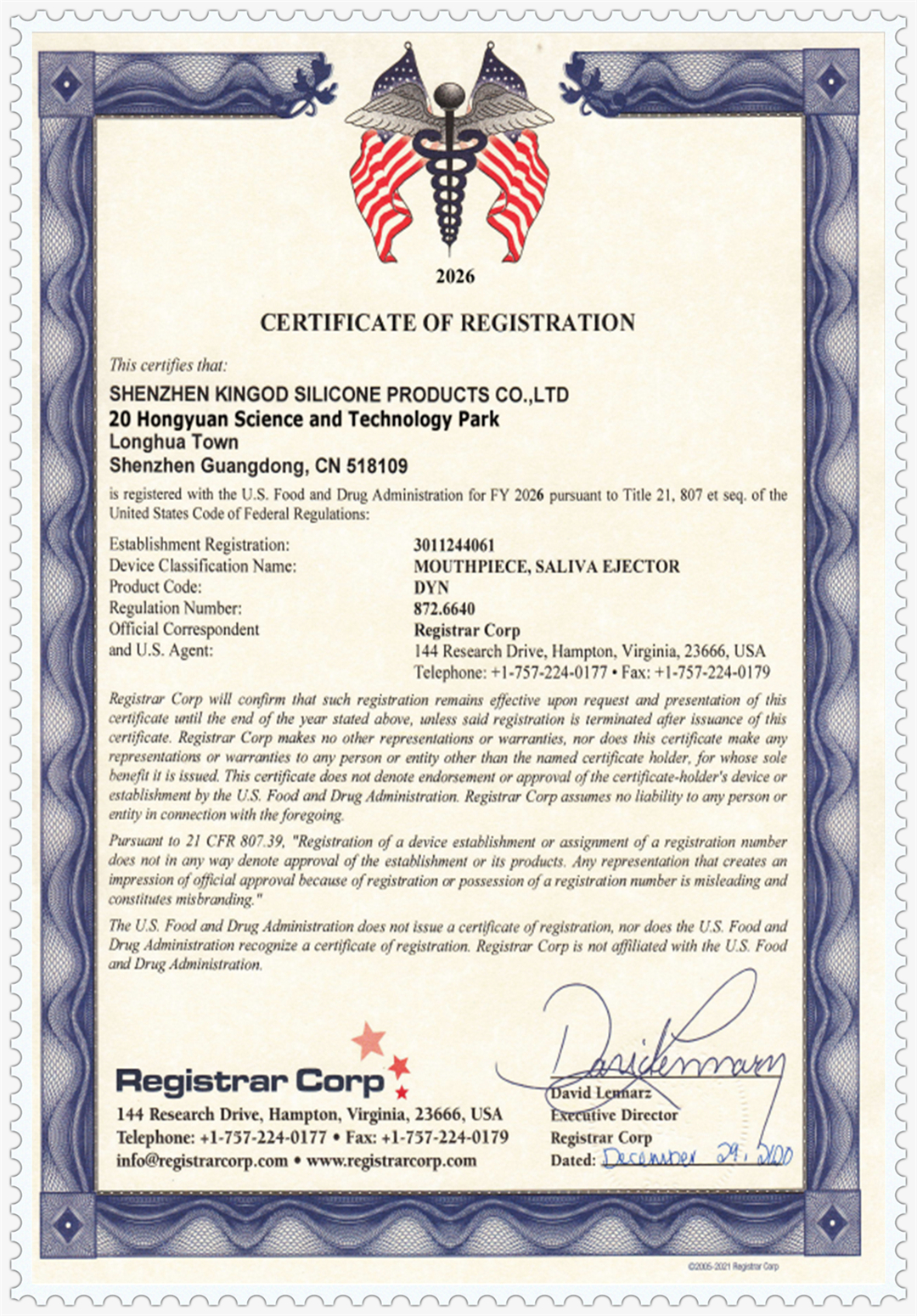
As the EU MDR 2017/745, US FDA 21 CFR Part 820, and China NMPA regulations converge on stricter biocompatibility and traceability requirements, manufacturers increasingly demand silicone components with full material traceability, batch documentation, and third-party biocompatibility testing — all of which Kingod provides as standard.
Healthcare sustainability initiatives are driving demand for durable, reusable silicone spatulas that replace disposable plastic alternatives. Medical-grade silicone's ability to withstand thousands of sterilization cycles makes it the preferred choice for green procurement programs in hospitals and research institutions.
Industry 4.0 adoption in medical device manufacturing requires silicone components compatible with vision inspection systems, RFID tracking, and automated assembly. Kingod's precision molding processes produce spatulas with consistent optical and dimensional properties that integrate seamlessly into smart factory environments.
The explosive growth of cell and gene therapy manufacturing has created demand for ultra-pure silicone spatulas used in bioreactor operations, cell harvesting, and cryopreservation workflows. These applications require extractables and leachables (E&L) profiles compliant with USP <661> and ICH Q3D guidelines.
Post-pandemic supply chain disruptions have prompted medical device OEMs to diversify sourcing strategies. Kingod's vertically integrated manufacturing — from raw silicone compounding to finished component inspection — provides the supply chain resilience and lead time certainty that global medical device brands require.
At Shenzhen Kingod Silicone Products Co., Ltd., we believe that great products begin with great partnerships. As a custom silicone products manufacturer, we combine advanced molding technology, rigorous quality systems, and genuine end-to-end support to bring your concepts to life.
By manufacturing in-house, we eliminate intermediaries and pass the savings directly to you. Factory-direct pricing means you receive cost-effective solutions without sacrificing quality. Our vertically integrated operations allow us to control every stage of production, optimizing efficiency and reducing lead times. Whether you require prototype quantities or million-unit production runs, you receive the same transparent, competitive pricing structure.
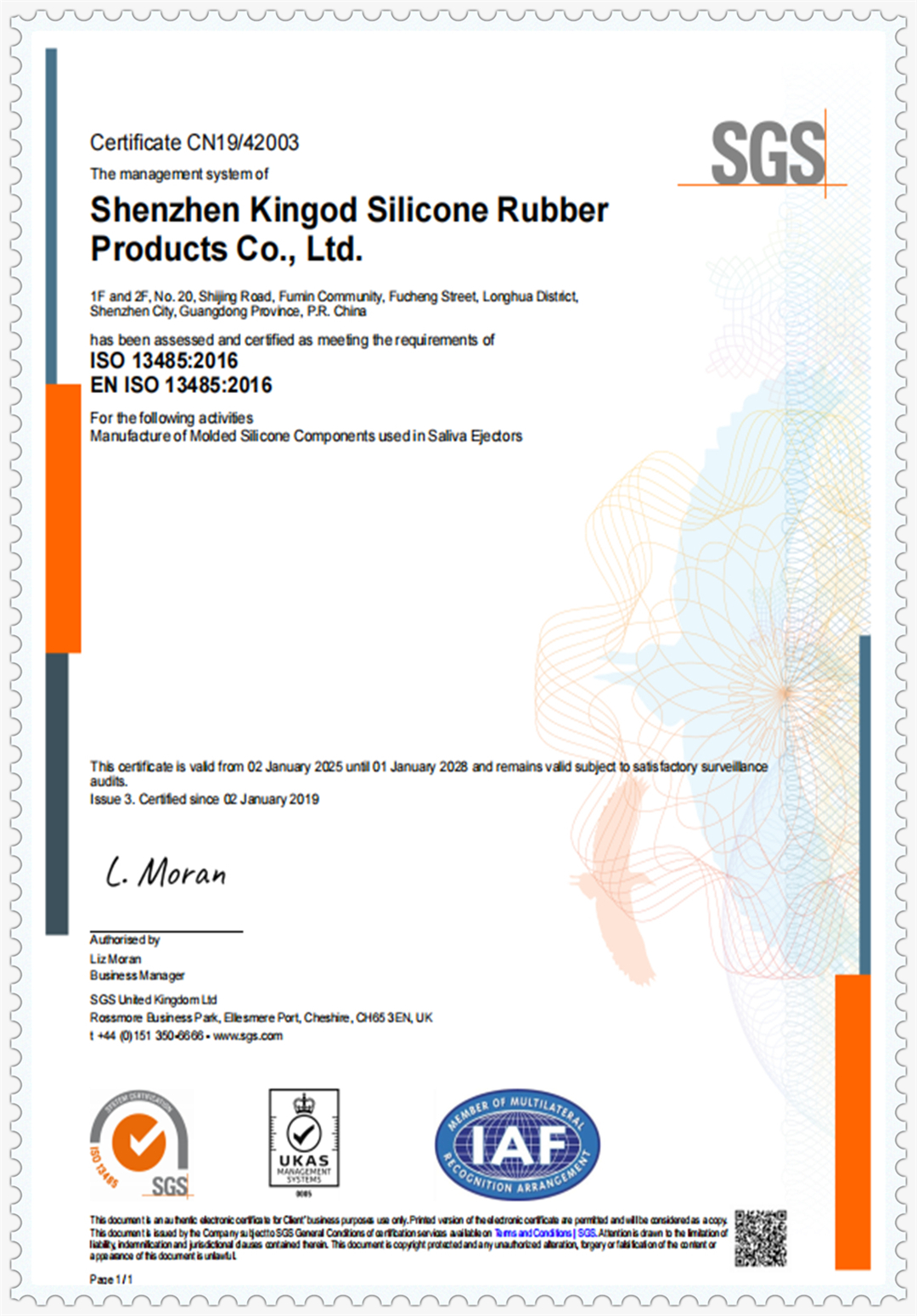
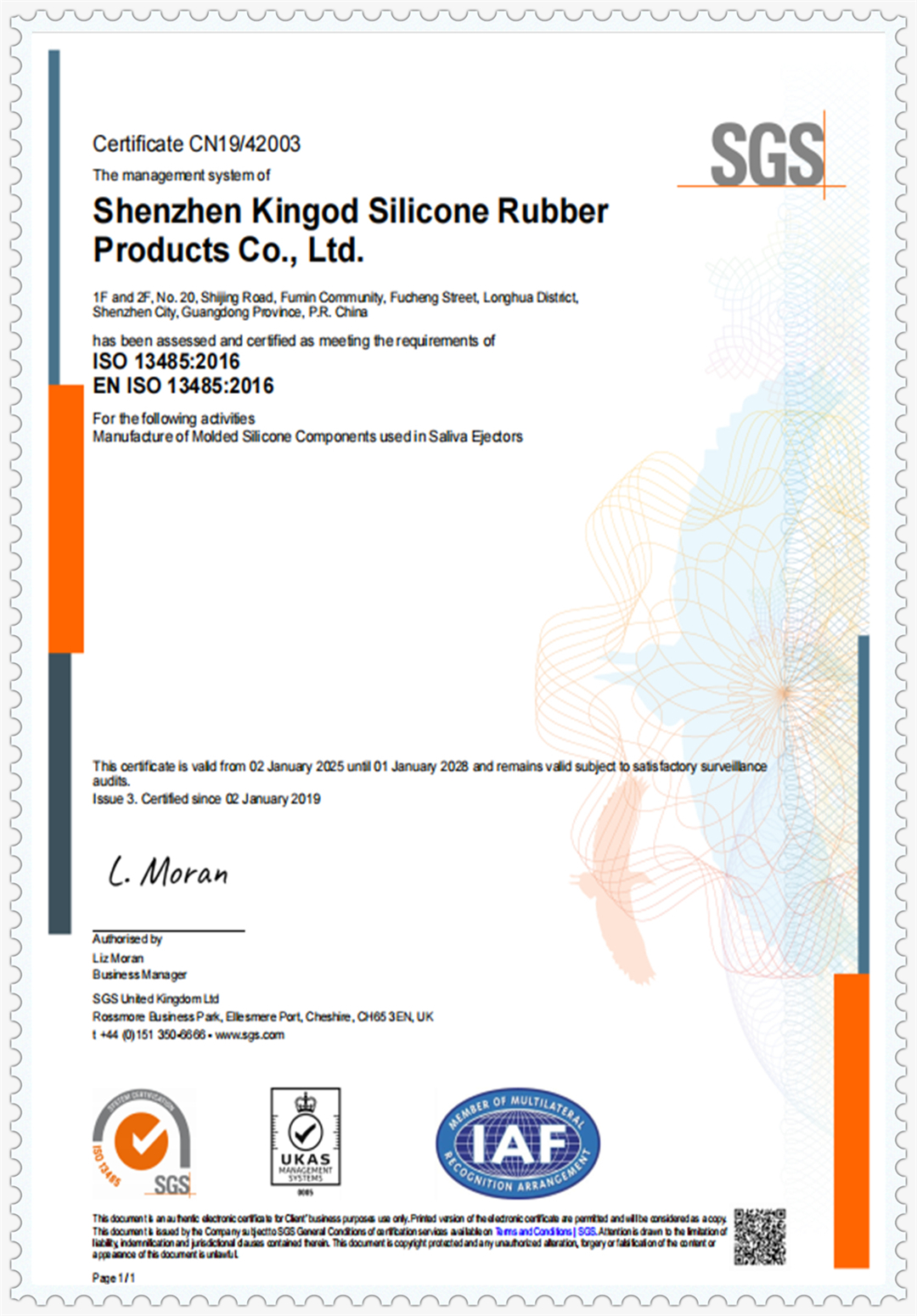
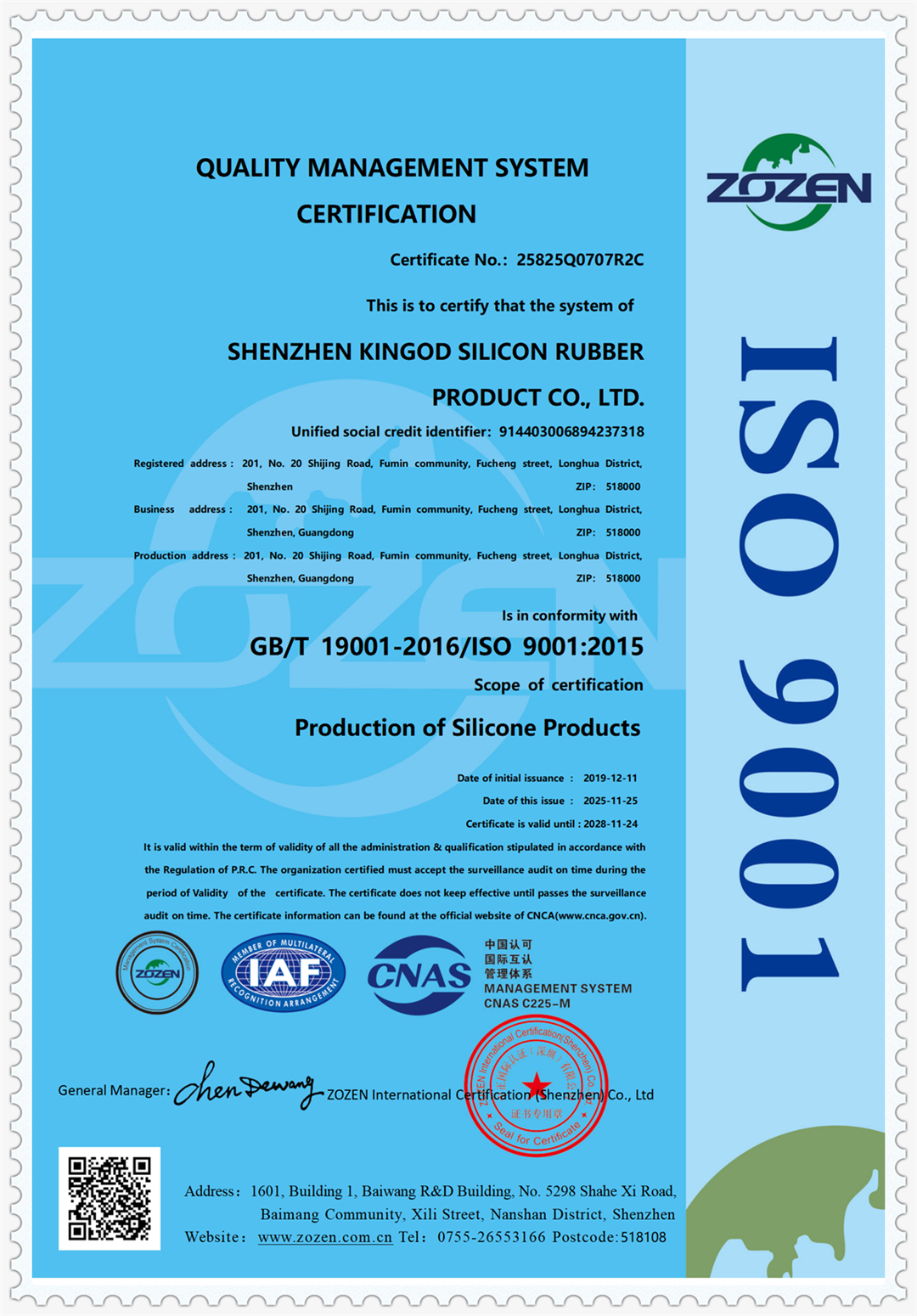
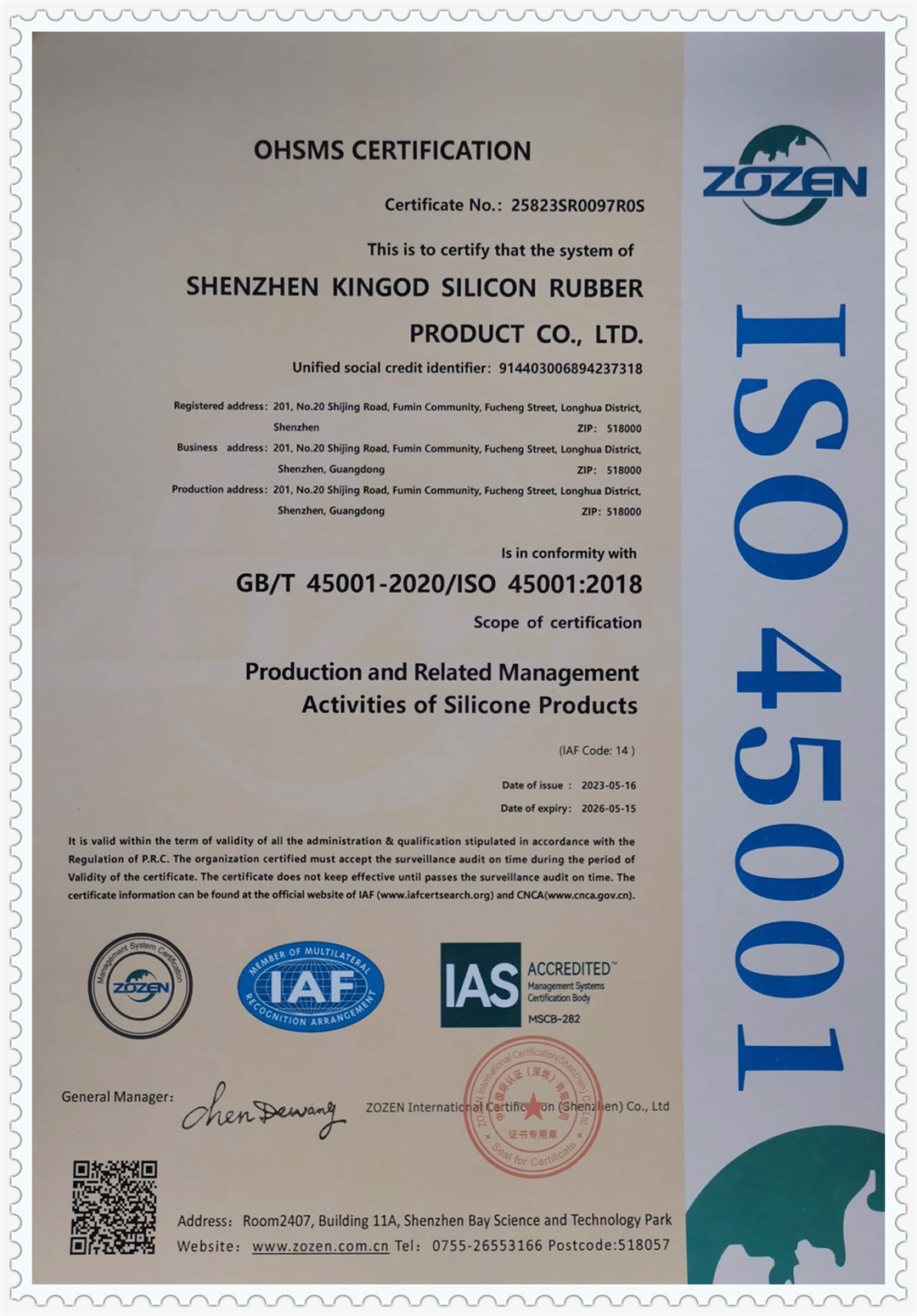
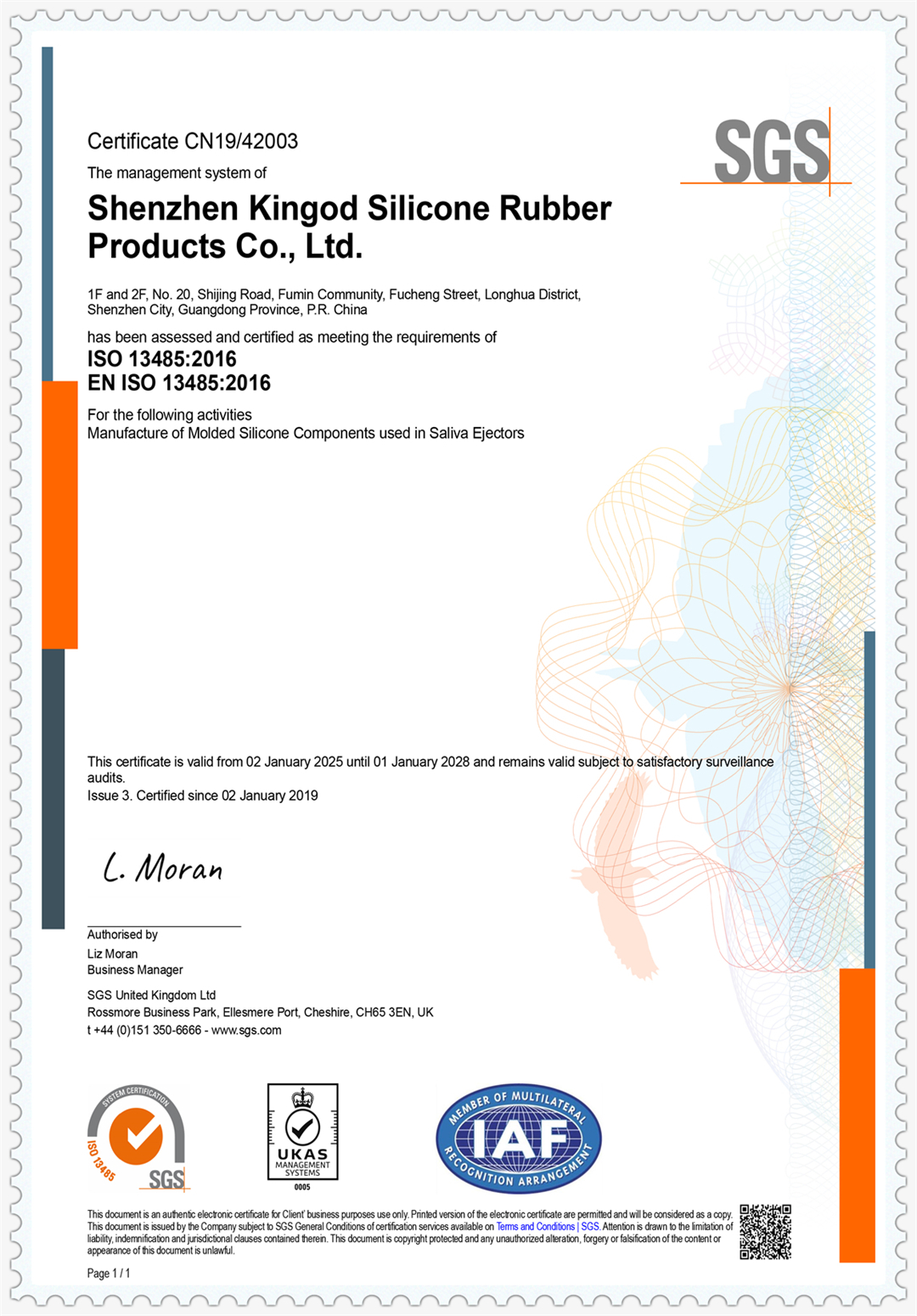
Our ISO 13485 certification guarantees that our processes meet the rigorous requirements of the healthcare industry. Combined with ISO 9001 quality management, every product undergoes stringent inspection protocols including dimensional verification, material traceability, and performance testing — giving medical device OEMs the compliance documentation they need.
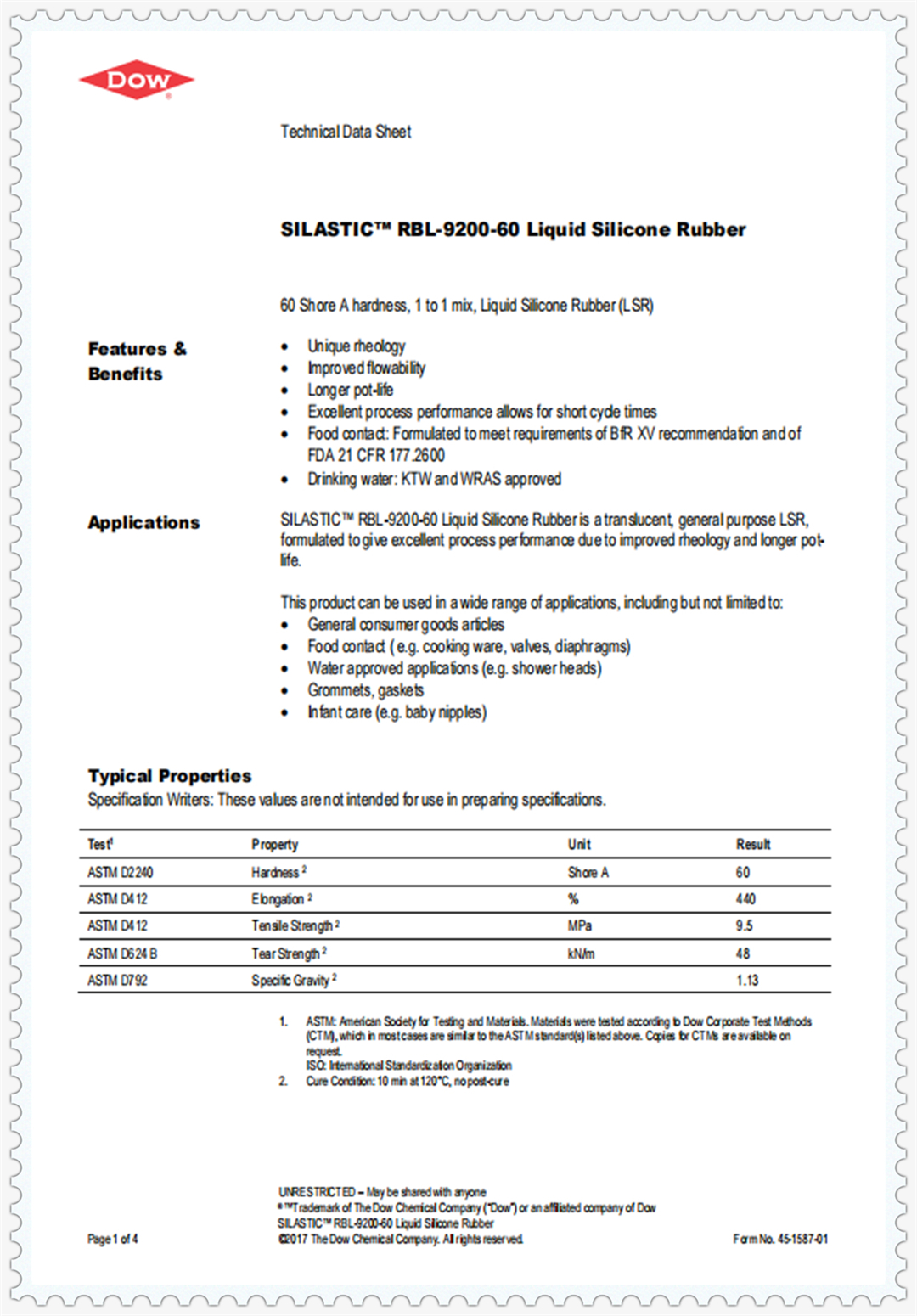
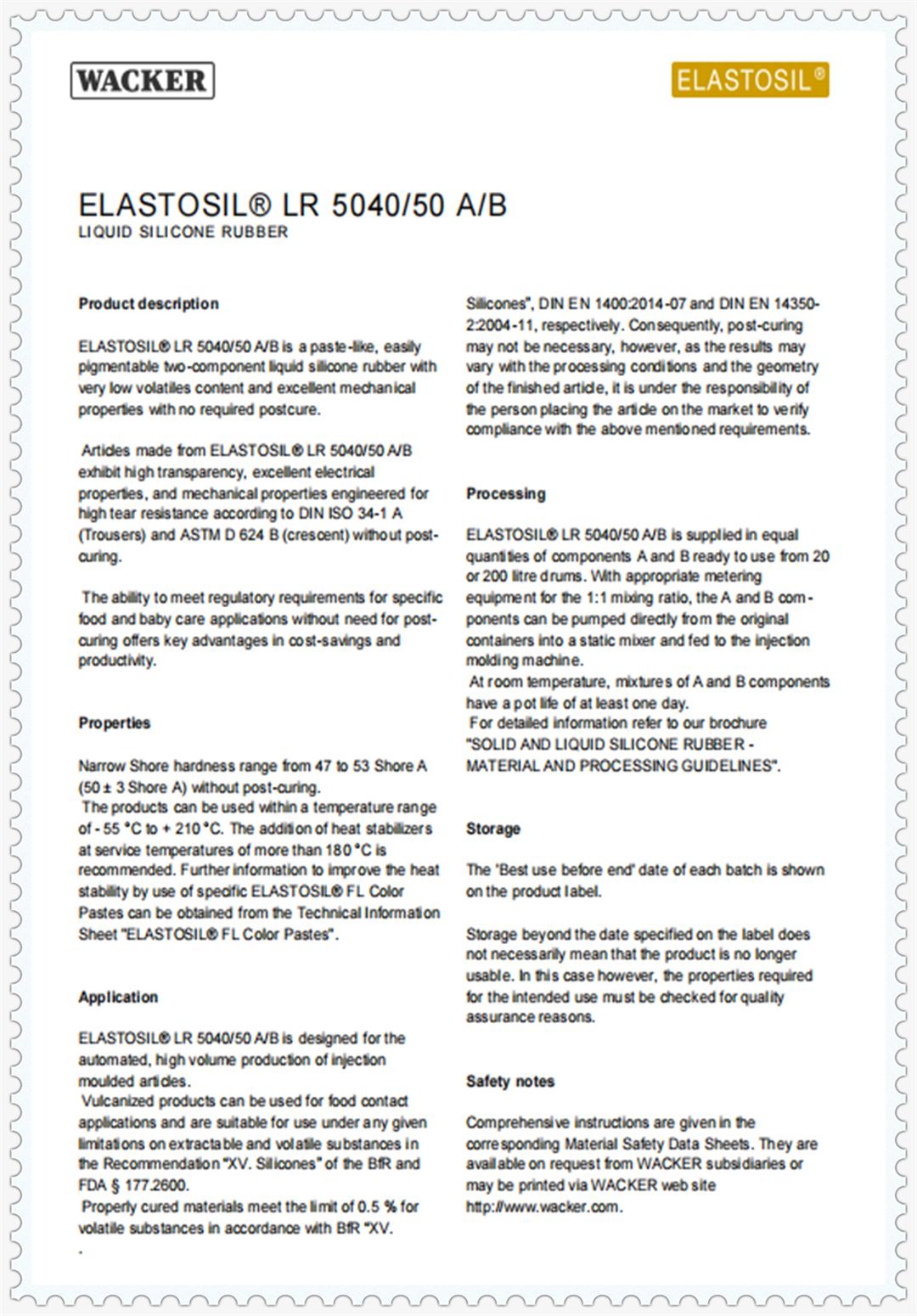
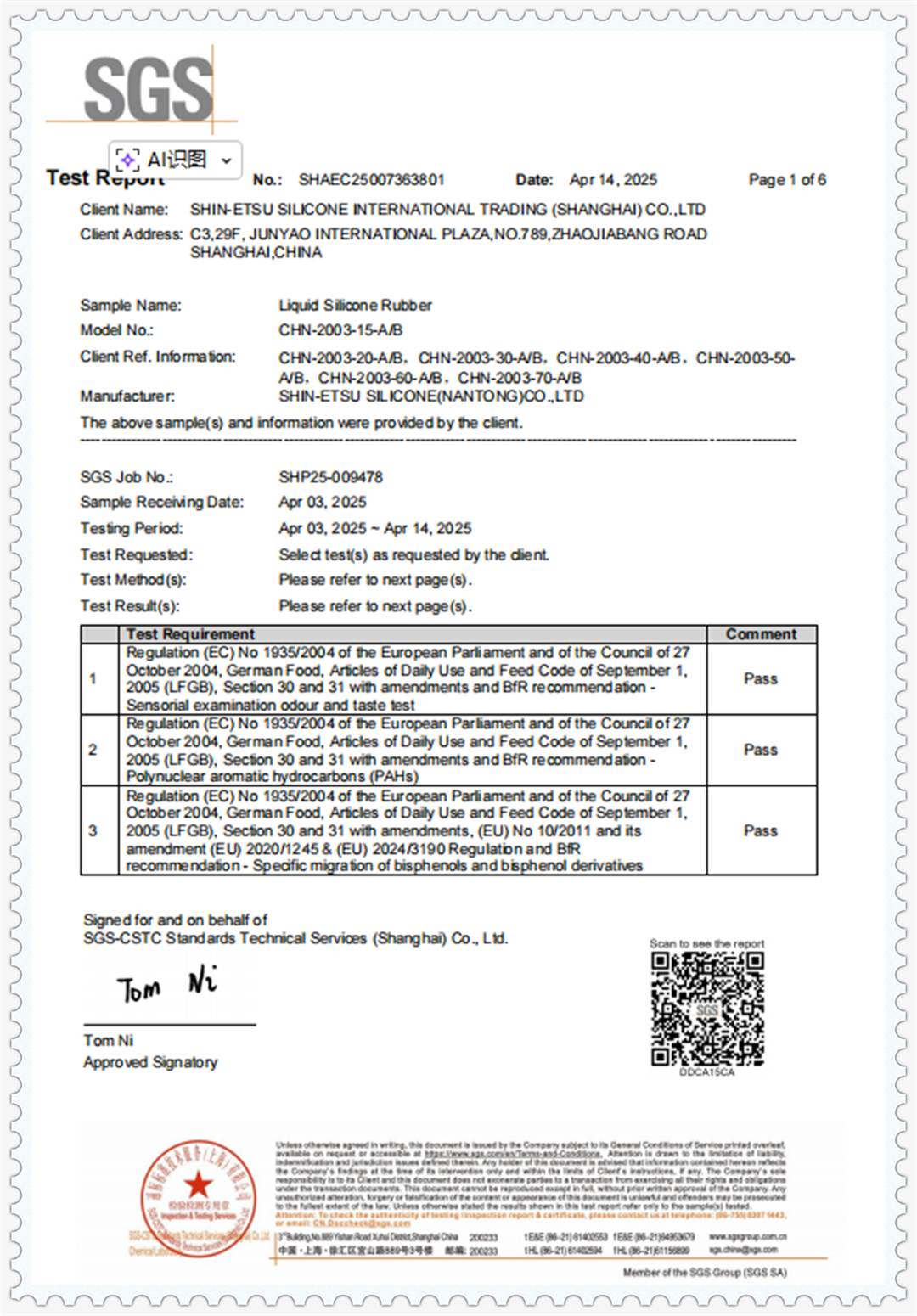
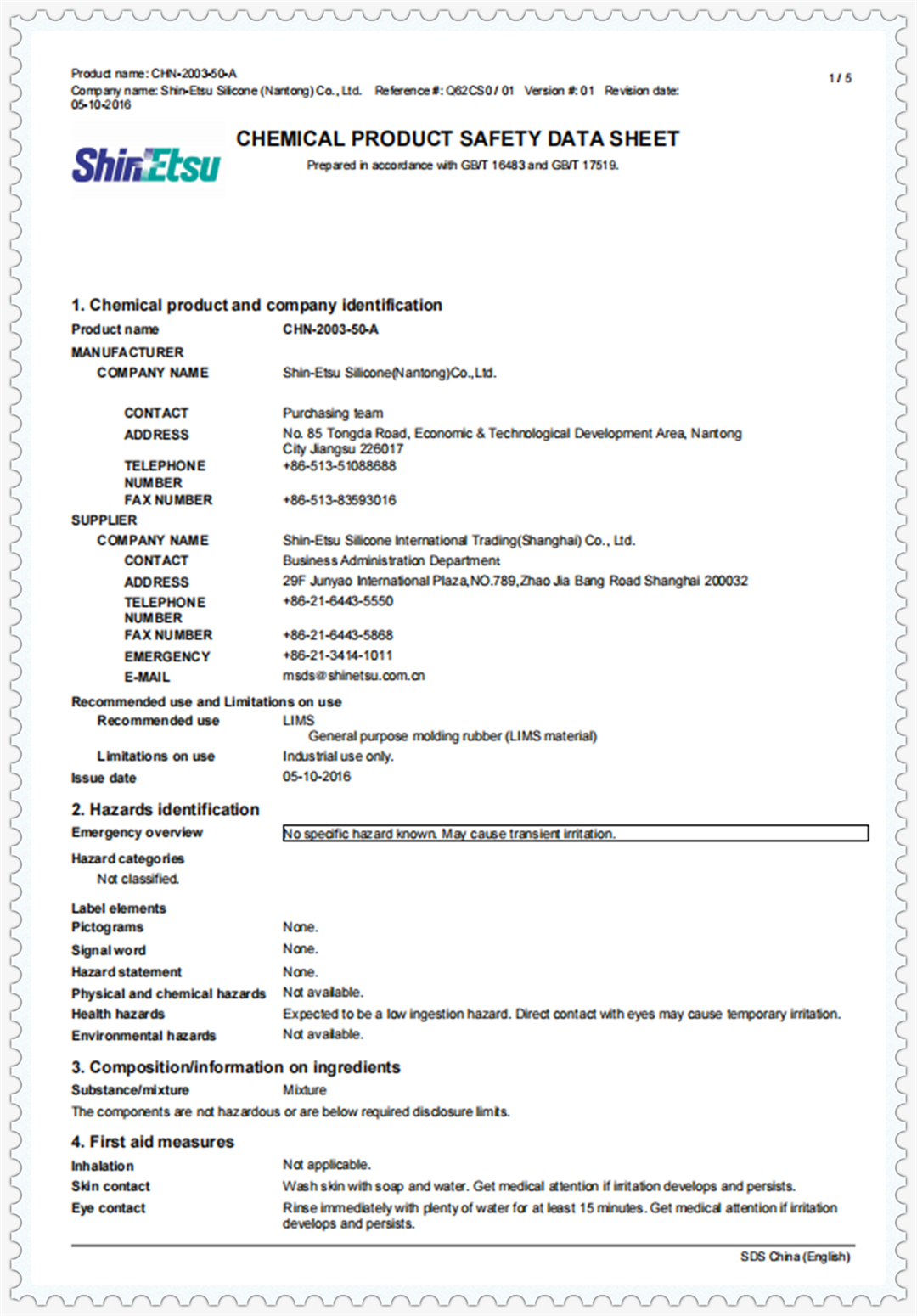
For medical and food-contact applications, we utilize platinum-cured silicone and comply with FDA, LFGB, and EU 10/2011 standards, ensuring safety for even the most sensitive uses. Our material traceability system provides full lot documentation from raw silicone compound to finished component shipment.
From initial design consultation and DFM (Design for Manufacturability) analysis through prototyping, tooling, validation, and full-scale production — our engineering team supports every stage of your product development lifecycle. We serve clients across North America, Europe, Japan, and Southeast Asia with responsive technical support and on-time delivery.
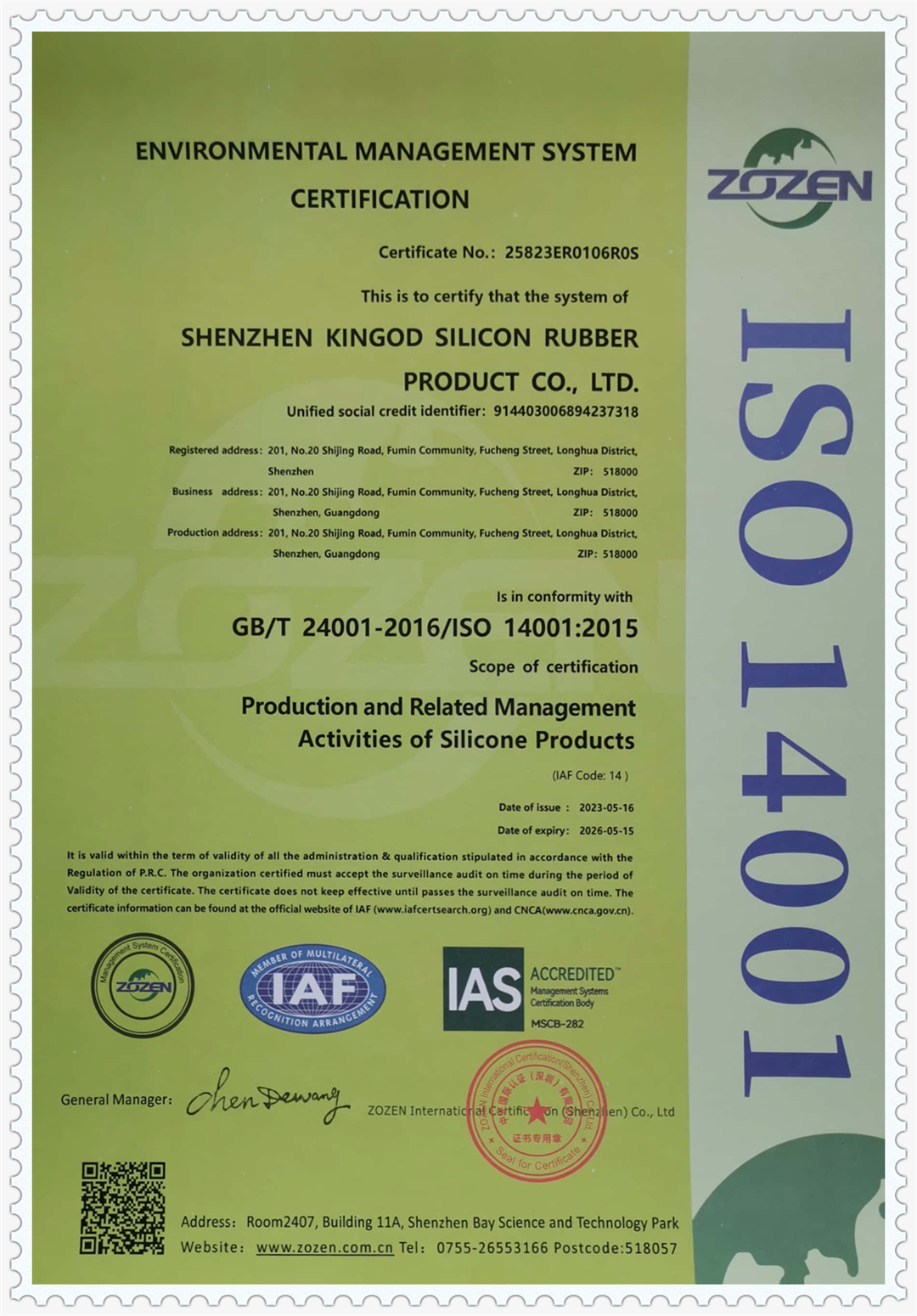
Quality is not just a promise — it is a process. Our facility operates under internationally recognized quality management systems to ensure every silicone spatula and medical component we manufacture meets the most demanding specifications.
Ready to source precision silicone spatulas and components for your medical device program? Contact Kingod's engineering team for a custom quote, DFM review, and material compliance documentation.
Request a Custom Quote →Beyond spatulas, Kingod offers a comprehensive range of custom silicone products — all manufactured to the same exacting quality standards trusted by medical device OEMs worldwide.